

Cancer Treatment in Turkey: Choosing the Right Hospital
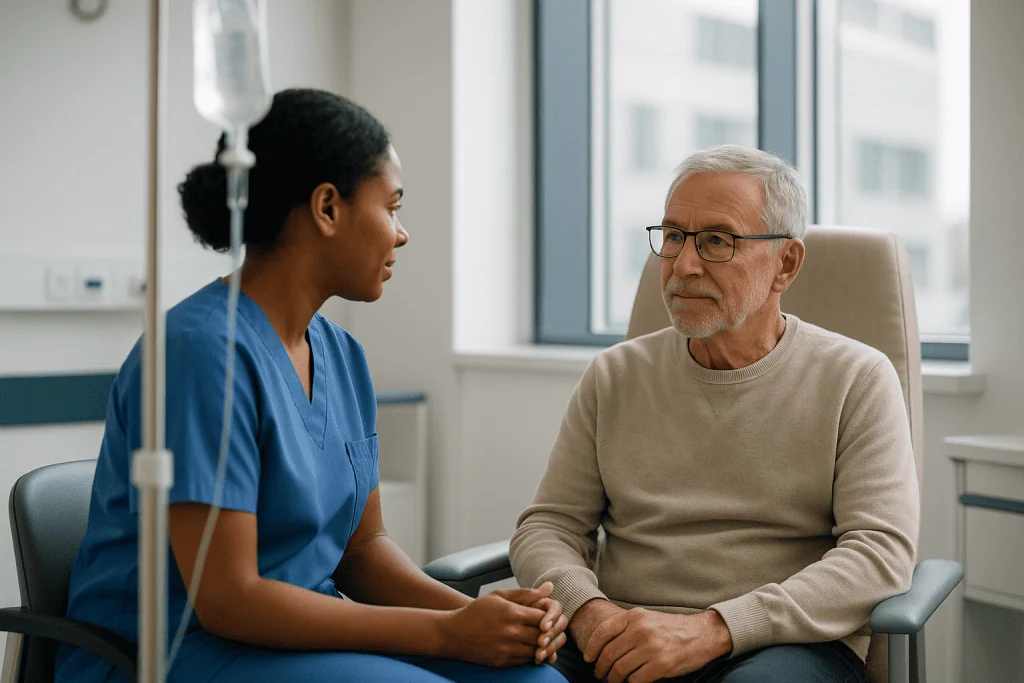
Oncology treatment in Turkey is not one procedure but a personalised plan built from diagnostics, surgery, systemic therapy, radiotherapy and supportive care. The right hospital is one that coordinates all of these in one system: multidisciplinary case review, on-site pathology and imaging, and structured support for international patients before travel, during treatment and through follow-up at home.
Perhaps you have just received a diagnosis and are working out where to be treated. Perhaps you already have a plan and want a second opinion before the next step. Either way, the practical questions arrive quickly: which hospital, how long, and what to bring.
This guide explains how oncology treatment in Turkey is planned, which hospital features genuinely matter, and how to prepare as an international patient, from record review before travel through to follow-up after you return home.
At a glance
- Procedure type: Personalised oncology care plan that may include diagnostics, surgery, chemotherapy, radiotherapy, immunotherapy, targeted therapy or supportive care
- Purpose: To diagnose, stage, treat and monitor cancer through a multidisciplinary approach tailored to your cancer type and overall health
- Anaesthesia: Depends on the treatment; many medical therapies need none, while surgery may require local, regional or general anaesthesia
- Hospital stay: Varies widely; some treatments are outpatient, while surgery or complex care may require several days in hospital
- Estimated recovery: Depends on the treatment plan, your general health and how your body responds over time
- Return to daily life: Often gradual; some patients continue light activities during treatment, others need a longer recovery period
- Final result timeline: Usually assessed over weeks to months through examinations, imaging, pathology and follow-up visits
- Suitable departments: Medical Oncology, Radiation Oncology, Surgical Oncology, Haematology, Nuclear Medicine, Pathology, Radiology and supportive specialties
- International patient support: Interpreter services, airport–hospital transfers, accommodation guidance, treatment coordination and remote follow-up planning
What is this treatment?
Cancer treatment is a personalised medical plan built to diagnose, stage, control, remove or monitor cancer. It may involve one approach or several in a planned sequence: surgery, chemotherapy, radiotherapy, immunotherapy, targeted therapy, hormone therapy, interventional procedures, rehabilitation and supportive care. The right combination depends on the type of cancer, how advanced it is, your symptoms and your general health. A useful starting point is understanding what a full oncology and cancer treatment pathway involves before you compare hospitals.
When you are weighing up oncology treatment in Turkey, hospital choice matters more than it does for a single, self-contained procedure. Cancer care runs across many departments at once, imaging, pathology, laboratory testing, surgery, infusion therapy, radiation planning and symptom management, and the quality of your experience depends heavily on how well those departments talk to each other.
At Acibadem International, care planning for international oncology patients is typically coordinated through multidisciplinary teams: specialists from the relevant departments review your records together and recommend a pathway suited to your situation. For many patients, this team-based review is the single most important thing to look for in any hospital, anywhere.
When is it recommended?
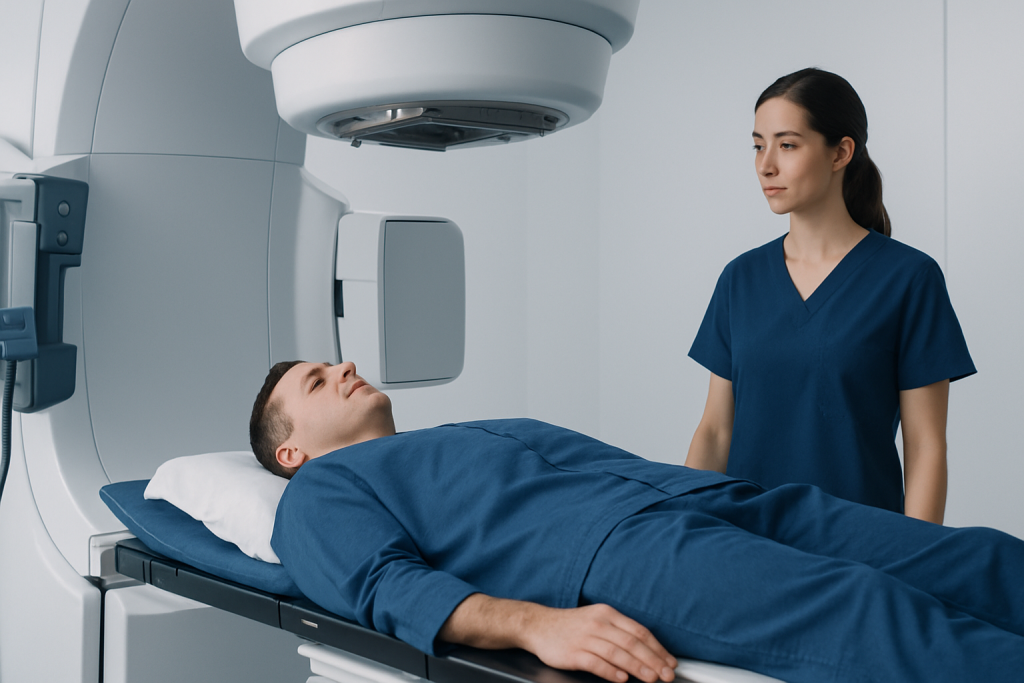
Cancer treatment is recommended when there is a suspected or confirmed diagnosis, when an existing treatment plan needs review, or when a second opinion is wanted before the next step. Some patients travel for initial diagnosis and staging; others already have a confirmed diagnosis and are seeking surgery, systemic therapy, radiotherapy or coordinated follow-up.
Treatment abroad tends to make most sense when a case is complex, when several specialists need to be involved, or when diagnostics and treatment are best delivered in one setting. Cancers that require close timing between imaging, biopsy, pathology, surgery and systemic therapy benefit particularly from this kind of single-site coordination.
Doctors also commonly recommend fresh specialist review when pathology results are unclear, when disease recurs after earlier treatment, or when a plan made some time ago needs reassessment. Even with a confirmed diagnosis, a hospital may advise repeat or confirmatory testing so that decisions rest on the most accurate current picture, not on reports that are months old.
Who is a good candidate?

You may be a candidate for cancer treatment in Turkey if you have a suspected or confirmed diagnosis and are medically stable enough to travel, or if your doctors agree that travel is appropriate for the next stage of care. International patients commonly travel for expert review, treatment planning, surgery, radiotherapy, chemotherapy, second opinions or post-treatment reassessment.
Good candidates are usually able to share complete records: pathology and biopsy reports, scan reports and image files, treatment summaries and a current medication list. Complete records let the oncology team see what has already been done and whether the current plan needs modification. The more complete your file, the more useful any pre-travel review becomes.
Suitability depends on diagnosis, symptoms, performance status, other medical conditions and travel timing. In some situations, urgent local care is the safer first step before any international journey. Suitability is always confirmed by a physician after reviewing your records and, where necessary, after an in-person assessment. No guide, including this one, can settle that question for you.
What makes a hospital right for cancer care?
When you compare hospitals for cancer treatment, Turkey’s larger hospital groups vary considerably in structure, so it helps to know exactly what to check. The strongest signal is not any single technology but how the pieces connect:
- Multidisciplinary review. Ask whether your case will be discussed by a tumour board rather than a single doctor deciding alone.
- On-site pathology and imaging. Re-evaluation of slides and scans in-house shortens the gap between question and answer.
- All three main treatment modalities. Surgery, systemic therapy and radiotherapy under one roof means the sequence can be adjusted without transferring you between providers.
- Supportive care. Pain control, nutrition, psychological support and rehabilitation should be part of the plan, not an afterthought.
- Honest counselling. A trustworthy team explains alternatives, limits and uncertainties, not only the preferred option.
- International coordination. Interpreters, transfers and structured remote follow-up matter when part of your care will continue at home.
If you are choosing between locations within one group, the guide to choosing the right Acibadem hospital for your treatment explains how facilities differ and how cases are matched to them.
Treatment options
Cancer treatments in Turkey follow the same broad logic as anywhere else: a plan may be curative, disease-controlling or supportive, and some patients need one main treatment while others need a planned combination. Common pathways include surgery to remove a tumour, systemic treatments that act throughout the body, and radiotherapy targeted to a specific area.
Systemic therapy, chemotherapy, immunotherapy, targeted therapy, hormone therapy, is planned and delivered through a medical oncology department, while radiation oncology handles planning scans, individualised mapping and treatment sessions. Depending on your diagnosis, the plan may also involve haematology care, interventional radiology, palliative symptom control, nutritional support or rehabilitation. The specifics differ markedly by disease: what a plan looks like for breast cancer bears little resemblance to a pathway for lung cancer, which is one more reason generic comparisons between hospitals only take you so far.
- Diagnostic work-up and staging
- Surgical oncology procedures
- Medical oncology treatments, including chemotherapy and newer systemic therapies
- Radiation oncology planning and delivery
- Haematology care for blood-related cancers where appropriate
- Pain control, nutrition, psychological support and rehabilitation
The right hospital should explain not only which treatment is possible, but why it is recommended in your case, what the alternatives are and what the goals of treatment realistically look like.
Online evaluation before travel
Before you travel, an online record review can clarify whether treatment in Turkey is appropriate and what should happen first. It normally starts with your medical history, pathology reports, imaging results, previous treatment summaries and current symptoms. If the records are recent and complete, the team may be able to give an initial view of possible next steps and whether further tests are likely on arrival.
This step matters in cancer care because timing matters. A pre-travel review can flag whether urgent local treatment should come first, whether repeat imaging or pathology re-evaluation is likely, and roughly how long a stay to plan for. It can also prevent unnecessary travel where the sensible first priority is stabilisation or closer monitoring at home.
Treat any online opinion as preliminary. Final recommendations usually depend on physical examination, updated laboratory tests, current imaging and sometimes repeat biopsy or pathology confirmation. A hospital that promises a fixed plan sight unseen is telling you something worth noticing.
Before the treatment
Before treatment begins, the team confirms the diagnosis, stages the disease where needed, reviews your overall health and decides whether further tests are required. Depending on your situation, this may include blood tests, imaging, cardiology review, anaesthetic assessment before surgery, infection screening and consultations with more than one oncology specialist.
This is also when practical planning starts. You may need a companion, medication arrangements for the journey, and rest days built in between appointments. If you have been treated elsewhere, bring operative notes, pathology slides or blocks if requested, scan discs and summaries of previous chemotherapy, radiotherapy or admissions.
Your doctors will discuss goals of care, expected benefits, possible side effects and alternatives. Use this stage to ask direct questions: how long the stay is likely to be, whether you can travel during treatment, and how follow-up continues after you go home. A well-run hospital makes this planning phase structured and understandable rather than rushed.
What happens during the treatment
The day-to-day experience depends entirely on the plan. Surgery involves pre-operative preparation, anaesthesia review, the operation and post-operative monitoring. Chemotherapy, immunotherapy, targeted therapy and supportive infusions are often given in an outpatient oncology setting with regular monitoring of blood results and symptoms.
Radiotherapy usually begins with consultation, planning scans and individualised mapping before the sessions themselves start. Where more than one treatment type is needed, the sequence is coordinated so that each part supports the next, and the schedule is adjusted according to how you respond and how well you tolerate therapy.
Throughout, symptom management runs alongside the main treatment: pain, nausea, fatigue, nutrition, sleep, emotional stress and infection risk are all part of the picture. Good cancer care is not only the anti-cancer therapy itself; it is also the support that keeps you as well as possible while it happens.
Hospital stay and discharge
Some cancer care is entirely outpatient; some requires admission. Surgery usually means at least a short stay, and certain complex therapies or complications need inpatient monitoring. Many consultations, imaging tests, infusion sessions and radiotherapy sessions, by contrast, run without an overnight stay.
Discharge timing depends on your stability, pain control, ability to eat and drink where relevant, wound status after surgery, blood results and whether the immediate treatment goals have been safely completed. Before you leave, the team explains your medications, diet or activity instructions, wound care if applicable and when your next review is due.
For international patients, discharge planning also covers travel readiness. Fitness to fly is judged on energy level, infection risk, mobility, how recent any surgery was and what follow-up is planned. If you are not yet ready, your coordinator can help you understand the likely next steps and the expected additional stay.
Recovery timeline
Recovery is highly individual. It depends on the cancer type, the treatment used, your baseline health and whether treatments are combined. Some people recover quickly after outpatient sessions; others need a longer period after major surgery or intensive therapy. Recovery is measured not only by how you feel day to day but by examination findings, blood tests, scans, wound healing, nutrition, mobility and how well you tolerate the next stage of treatment.
| Timeframe | What to expect |
|---|---|
| First 24 hours | Depends on the treatment given. Close monitoring is common after surgery; after outpatient therapy, you may be observed for immediate side effects before returning to your accommodation. |
| First week | Tiredness, reduced appetite, discomfort or treatment-specific symptoms are possible. Follow-up calls or clinic checks may be arranged, especially after surgery or a first treatment cycle. |
| Weeks 2–4 | Many patients gradually regain strength, although fatigue can persist. Pathology results, treatment response or next-step planning may be reviewed in this period. |
| Months 1–3 | Ongoing reassessment is common. Depending on the plan, you may continue treatment, recover from surgery, start rehabilitation, or undergo imaging and laboratory monitoring. |
| Final result | Judged over time rather than immediately, through clinical review, imaging, laboratory results and pathology as appropriate. |
Timelines change when additional tests, combination therapy, side effects or recovery needs arise. Your doctor will guide you on when it is reasonable to work, travel, exercise or resume your usual routine.
What to avoid after treatment
What to avoid depends on the treatment you received, so the safest general rule is not to make assumptions about activity, diet or travel without checking with your treating doctor. After surgery, restrictions on heavy lifting, strenuous exercise or getting wounds wet are common for a defined period. After systemic therapy, infection precautions and monitoring are often the priority.
All decisions about medicines, including pain relief, anti-nausea medication, blood thinners and supportive drugs, belong to your treating doctor, as do decisions about supplements and herbal products, some of which can interact with treatment or affect bleeding, liver function or recovery.
Doctors generally advise against smoking during and after cancer treatment and often advise limiting alcohol. If you plan to fly soon after treatment, ask specifically whether the timing is safe and whether mobility or compression precautions apply to you.
Risks and possible complications
All cancer treatments carry potential risks, and the type of risk varies by treatment. Surgery can involve bleeding, infection, pain, delayed healing, anaesthesia-related issues or procedure-specific complications. Systemic therapies can affect blood counts, energy, appetite, digestion or the immune system. Radiotherapy can cause local irritation and other effects depending on the area treated.
Not every patient experiences the same side effects, and not all side effects are severe. Many are temporary and manageable; some are serious enough to require treatment adjustments. This is precisely why regular assessment and blood monitoring are built into oncology pathways rather than added on request.
When comparing hospitals, ask how complications are handled, whether urgent support is available around the clock during your stay, and how coordination works once you return home for follow-up. The honesty and clarity of the answers tell you as much as the answers themselves.
Monitoring during and after treatment
Oncology care is built around scheduled monitoring: examinations, blood tests and imaging at defined intervals, adjusted to the treatment you receive and how you respond. During active treatment, this monitoring is how the team distinguishes expected side effects from problems that need intervention, and it is why appointments continue even in weeks when you feel well.
At discharge, you receive a treatment summary describing what was done, which medicines you are taking and what the follow-up schedule looks like. This document matters: it is what allows doctors in your home country to continue monitoring on the same basis as the treating team, and it is worth keeping accessible whenever you travel.
Results and expectations
Results in cancer care are measured against the goal of treatment, and goals differ. Sometimes the aim is removal or control of the disease; sometimes it is shrinking a tumour, slowing progression, easing symptoms, improving quality of life or preparing for a further stage of treatment. Expectations should always be discussed against your exact diagnosis, never against averages.
Results are rarely judged immediately. Doctors may need pathology findings, blood tests, repeat scans and follow-up visits over weeks or months to understand how treatment has worked. Some patients need adjustments along the way; some need additional therapy later.
A good hospital helps you balance hope with realism. Outcomes vary from person to person, side effects are possible, and plans sometimes need revising. What you can reasonably expect from any hospital is careful evaluation, coordinated delivery and honest, ongoing review, not certainty.
International patient travel planning
Start planning early. Your length of stay depends on whether you need evaluation only, outpatient therapy, surgery, recovery time or several treatment phases, and it is usually wiser not to book fixed return travel until the medical team confirms a likely schedule.
Bring your passport, medical records, medication list and any imaging discs or pathology materials the hospital requests. Travel with enough regular medication for the journey and keep essential items in hand luggage. If you have reduced mobility, dietary needs or will travel with a companion, flag this before arrival so arrangements can be made where possible.
Acibadem International supports patients with practical coordination, interpreters, transfers and accommodation guidance, which makes a multi-appointment treatment journey easier to manage. Remote follow-up planning matters just as much if part of your care will continue with doctors in your home country.
Cost and package information
The cost of oncology treatment in Turkey varies significantly because the care itself is highly individualised. The main drivers are the type and stage of cancer, whether the diagnosis is already confirmed, which treatments are needed, whether surgery or hospitalisation is required, the complexity of imaging and pathology review, the number of treatment sessions and the length of follow-up.
When you request a quotation, establish whether it is based on a preliminary record review or a confirmed final plan: the difference matters, because plans can change after in-person evaluation. A package or estimate typically covers defined items: selected consultations, standard pre-treatment tests, a planned procedure, a defined hospital stay and routine immediate follow-up. Additional imaging, pathology reassessment, intensive care, extra inpatient days, treatment of complications, emergency care, blood products, special implants or devices, and personal expenses may sit outside the estimate unless specifically stated.
Ask, in writing, exactly what is included and excluded, how changes to the plan are handled financially, and whether accommodation, transfers, interpreters and remote follow-up coordination form part of the arrangement. Clear written scope is what lets you compare hospitals fairly.
Why choose Acibadem
Patients choosing a hospital for cancer care generally look for the same things: coordinated multidisciplinary teams, strong diagnostic capability and a system that can manage complex cases without handing you between unconnected providers. Acibadem International organises oncology care around exactly that model, specialist teams reviewing cases together, diagnostics and treatment coordinated within one system, and an international patient team handling the practical side.
For you, that means a connected pathway from pre-travel record review through consultation, testing, treatment, discharge planning and follow-up communication, with interpreter support, transfer coordination and accommodation guidance reducing the non-medical load. The honest closing point is this: the best hospital is always the one that is medically appropriate for your specific diagnosis and can offer the expertise and coordination your case actually requires.
Medical review and disclaimer
This guide has been medically reviewed by the Acibadem International medical team. It is designed to help you understand cancer treatment in Turkey and the practical points to consider when choosing a hospital.
The information here is general and does not replace a personal consultation, diagnosis or treatment recommendation. Cancer care is highly individualised: the right approach depends on your pathology, imaging, symptoms, previous treatments, overall health and physician assessment. Suitability for travel, testing and treatment must always be confirmed by a qualified doctor.
Step by step
- Initial contact. You contact the international patient team and explain your diagnosis and what kind of oncology review or treatment you are seeking.
- Medical record submission. You share pathology reports, scan reports and discs, treatment summaries, blood tests and a medication list.
- Preliminary medical review. Relevant specialists assess whether treatment in Turkey may be appropriate and what further information is needed.
- Treatment plan and quotation. You receive a preliminary care pathway with the expected steps, likely stay duration and the cost structure.
- Travel planning. Flights, accommodation, transfers, companion needs and appointment timing are organised with the international patient team’s support.
- Arrival. You are assisted with transfer and orientation so you can attend scheduled consultations and tests.
- In-person consultation. The oncology team examines you, reviews your records and confirms the most appropriate next steps.
- Pre-treatment tests. If a procedure is planned, blood tests, imaging, anaesthesia review and other safety checks come first.
- Treatment. Your plan is carried out, diagnostics, surgery, systemic therapy, radiotherapy or a combined approach.
- Hospital stay. If admission is needed, the team monitors recovery, symptom control and readiness for the next phase or discharge.
- First control. An early follow-up review checks healing, symptoms, laboratory results, pathology findings or treatment response.
- Discharge and travel clearance. When medically appropriate, you receive discharge instructions, medications, a treatment summary and travel advice.
- Remote follow-up. After you return home, remote communication helps coordinate reports and follow-up planning with your local doctors.
Your checklist
- Passport and travel details
- Full medical history and current diagnosis information
- Pathology and biopsy reports, and pathology slides or blocks if requested
- Imaging reports and image discs or digital files
- Recent blood test results and other relevant test results
- Medication list with doses and schedules
- Known drug, food or contrast allergies
- Previous surgery and hospital admission records
- Summary of prior chemotherapy, radiotherapy, immunotherapy or other cancer treatments
- Current symptoms and when they started
- Contact details for your current doctor or hospital, if available
- Insurance or payment authorisation documents, if applicable
Key takeaways
- Cancer treatment in Turkey is not one procedure; it is a personalised plan built around diagnosis, stage and your overall health.
- The right hospital offers multidisciplinary tumour boards, on-site imaging and pathology, surgery, systemic therapy and radiotherapy in one coordinated system.
- Your length of stay depends on whether you need tests only, outpatient therapy, surgery, or a combination of treatments.
- Complete medical records, pathology, scans, treatment summaries, medications, make pre-travel review far more useful.
- Recovery and results vary by cancer type and treatment goal, and are judged over weeks to months rather than immediately.
- A physician evaluation is always needed before suitability, timing and travel plans are confirmed.
Frequently asked questions
How do I know if I am suitable for cancer treatment in Turkey?
Suitability depends on your diagnosis, current condition, treatment needs and whether travel is medically appropriate for you. A physician reviews your records first, and in some cases urgent local care is the recommended first step before any international travel.
Why is choosing the right hospital so important for cancer care?
Cancer treatment usually involves several specialties rather than one doctor or one procedure. A hospital with coordinated oncology, radiology, pathology, surgery, radiotherapy and supportive care makes decision-making and treatment timing more efficient and safer.
Can I get an online opinion before I travel?
A preliminary online review is often possible if you share complete records such as pathology reports, scan reports and treatment summaries. It helps the team understand your case, but the final plan may change after in-person evaluation and updated tests.
How long do I need to stay in Turkey for cancer treatment?
There is no single answer. The stay depends on whether you need diagnostics only, outpatient sessions, surgery, recovery time or several treatment phases. The team can usually estimate a range after reviewing your records, so avoid booking fixed return travel too early.
Will I start treatment immediately after I arrive?
Not always. Some patients begin quickly, while others need repeat imaging, pathology re-evaluation, blood tests or further consultations before the plan is finalised. This step exists for safety and accuracy, not delay.
Is cancer treatment always inpatient?
No. Many parts of cancer care are outpatient, including consultations, imaging and many infusion or radiotherapy sessions. Admission is more likely for surgery, certain complex therapies, or when closer monitoring is needed.
What affects the cost of cancer treatment in Turkey?
The main factors are the cancer type and stage, the complexity of diagnostics, whether surgery or hospitalisation is required, the number of treatment sessions, the medicines used and the length of follow-up. Because plans are individualised, the scope can change after in-person evaluation.
Is it safe to travel during or after cancer treatment?
It can be, but timing matters. Fitness to travel is judged individually on factors such as immune status, recent surgery, blood counts, mobility and treatment schedule, and it is a decision for your treating doctor rather than a general rule.
Add us as a Preferred Source to see more of our trusted health content across Google Search, AI Overviews and Discover.

Update history
- PublishedJune 22, 2026
- Medical review approvedSeptember 13, 2026
- Last content updateSeptember 12, 2026
References3
- Types of Cancer Treatment: National Cancer Institute cancer.gov
- Cancer: NHS nhs.uk
- Cancer: MedlinePlus medlineplus.gov
More Patient Guides

HoLEP in Turkey: How It Compares With TURP and What Recovery Involves
HoLEP in Turkey treats enlarged prostate tissue with laser enucleation; learn how it compares with TURP, recovery, travel and follow-up.
Porcelain Veneers in Turkey: Who Is Suitable and How Many Visits Are Needed?
Porcelain veneers in Turkey can enhance tooth shape and colour in two visits for suitable patients after a personalised dental assessment.
How to Prepare for a Sedation Procedure in Turkey
Prepare safely for a sedation procedure in Turkey with guidance on fasting, medicines, travel, recovery and follow-up.
Treatment Delays in Turkey: What Happens If Tests or Recovery Change Your Schedule
Treatment delays in Turkey can happen if tests or recovery change your plan. Learn how to manage appointments, travel, accommodation and follow-up.