

The Full Body Check-Up: What a Comprehensive Screen Actually Includes

Key Takeaways
- A comprehensive metabolic panel packs 14 measurements, blood sugar, kidney markers, liver enzymes, electrolytes, and proteins, into a single blood draw.
- The American Heart Association recommends cholesterol checks every four to six years for healthy adults starting at age 20, more often with risk factors.
- Colorectal cancer screening now begins at age 45 for average-risk adults in the US, with options ranging from at-home stool tests to a colonoscopy every 10 years.
- Standard blood panels do not screen for most cancers, detecting breast, colorectal, lung, or prostate cancer requires dedicated, age-based screening tests.
- Major medical organizations do not recommend whole-body CT or MRI scans for symptom-free adults, largely because incidental findings trigger costly and anxious follow-up cascades.
- Under the Affordable Care Act, most US insurance plans must cover guideline-recommended preventive screenings with no copay when they're billed as preventive care.
A full body checkup typically includes a review of your medical history, a physical exam, vital signs such as blood pressure and heart rate, core blood tests (complete blood count, metabolic panel, cholesterol, blood sugar), a urine test, and age-appropriate screenings for cancer, diabetes, and heart disease. The exact lineup varies with your age, sex, risk factors, and family history.
The night before, you skip dinner after eight, lay out a shirt with sleeves that roll up easily, and rehearse the answer to “any changes since last year?” Then you sit on crinkly paper while someone inflates a cuff around your arm, and you wonder what, exactly, all of this is measuring.
It’s a fair question, because “full body checkup” has become a phrase that means wildly different things depending on who’s selling it. One clinic means a 20-minute exam and three vials of blood. Another means a full day of scans, treadmill tests, and a bound report thick enough to prop open a door.
The honest version sits somewhere in between: a focused set of exams and lab tests, chosen for your age and risk, most of which are backed by decades of evidence. Here’s what belongs in a comprehensive screen, what doesn’t, and what the numbers on your results actually mean.
What Does a Full Body Checkup Actually Include?
Strip away the marketing and a comprehensive checkup has four working parts. First comes the conversation: your medical history, family history, medications and supplements, sleep, mood, alcohol and tobacco use. Clinicians will tell you this is often the most revealing ten minutes of the visit: a parent’s early heart attack changes the screening plan more than almost any single lab value.
Second is the physical exam, the hands-on portion covered below. Third are the laboratory tests: usually a complete blood count, a metabolic panel, a cholesterol panel, a blood sugar measure, and a urine test. Fourth, and most personalized, are the age- and risk-based screenings, such as colorectal cancer screening from age 45 or blood pressure checks at every visit.
Notice what’s not on that default list: whole-body scans, dozens of hormone assays, or heavy-metal panels. Those appear in premium packages, but the evidence supporting them for people without symptoms is thin, a point mainstream sources such as MedlinePlus make plainly: routine checkups should be tailored to your risk, not maximized for volume.
One useful reframe: a good checkup is less a search for hidden disease than a measurement of trajectory. Blood pressure creeping up five points a year, an LDL cholesterol drifting north, a fasting glucose edging toward the prediabetes range: these trends, caught early, are where prevention actually earns its keep.
The Hands-On Exam: What Your Doctor Is Really Checking
The stethoscope isn’t theater. Listening to the heart can pick up murmurs, turbulent flow that sometimes signals a valve problem, as well as irregular rhythms worth investigating. Over the lungs, a clinician listens for crackles or wheezes that hint at fluid, inflammation, or narrowed airways.
From there, the exam moves methodically:
- Abdomen: gentle pressing checks for tenderness, an enlarged liver or spleen, and unusual masses.
- Neck: fingers along the thyroid feel for nodules or enlargement; nearby lymph nodes get a pass too.
- Skin: a look at moles and lesions, especially any that have changed shape, color, or size.
- Eyes, ears, mouth: a quick survey for anything from cataract changes to gum disease clues.
- Nerves and reflexes: a tap of the reflex hammer, a check of strength, balance, and sensation.
- Pulses and legs: feeling for strong, symmetric pulses and looking for swelling that might reflect circulation issues.
None of these maneuvers diagnoses anything on its own. What they do is generate leads: a murmur that prompts an ultrasound of the heart, a thyroid nodule that earns an imaging follow-up. Mayo Clinic and other academic centers describe the physical exam as a screening filter: inexpensive, radiation-free, and surprisingly good at deciding who needs a closer look.
Vital Signs: Small Numbers, Big Signals
Four measurements open nearly every checkup, and each carries more weight than its 30-second collection time suggests.
Blood pressure leads the list. Under American Heart Association categories, a normal reading sits below 120/80 mm Hg; readings of 130/80 or higher fall into hypertension territory. High blood pressure usually produces no symptoms at all, which is precisely why measuring it at every visit matters, and why a single elevated reading typically gets rechecked before anyone reaches conclusions.
Resting heart rate normally lands between 60 and 100 beats per minute in adults. Persistently fast, slow, or irregular rhythms warrant follow-up, sometimes with an electrocardiogram.
Temperature and breathing rate round out the classic vitals, mostly to catch active illness.
Height, weight, and BMI come last, and deserve honest framing. Body mass index is a population screening tool, not a verdict on any individual: it can’t distinguish muscle from fat, and it works differently across body types. Many clinicians pair it with waist circumference, because fat carried around the abdomen correlates more closely with metabolic risk than weight alone. The point of these numbers is trend-spotting over years, not judgment on a given Tuesday.
If your clinic measures blood pressure while you’re rushed, full-bladdered, or mid-conversation, say so. Position and timing can shift a reading by 10 points or more, per CDC measurement guidance.
Which Blood Tests Are Part of a Comprehensive Screen?
Most full body checkups draw two to four vials and run four core panels.
Complete blood count (CBC). This counts and characterizes red cells, white cells, and platelets. Low hemoglobin suggests anemia; unusual white cell counts can flag infection or, rarely, blood disorders. Cleveland Clinic calls it one of the most commonly ordered tests in medicine for good reason: it’s a broad, cheap first look.
Comprehensive metabolic panel (CMP). Fourteen measurements from one draw, per MedlinePlus: blood glucose, electrolytes like sodium and potassium, kidney markers (creatinine and blood urea nitrogen), liver enzymes, calcium, and blood proteins. It’s the single most information-dense test on the standard menu.
Lipid panel. Total cholesterol, LDL (the artery-clogging fraction), HDL (the protective fraction), and triglycerides. These four numbers feed directly into your estimated cardiovascular risk.
Blood sugar over time. Beyond the CMP’s snapshot glucose, many checkups add hemoglobin A1c, which reflects average blood sugar across roughly three months, useful for catching prediabetes, which affects more than one in three American adults according to the CDC, most of whom don’t know they have it.
Depending on your history, a clinician may add thyroid-stimulating hormone (fatigue, weight changes, family history), vitamin D (limited sun exposure or bone concerns), or iron studies. Worth knowing: routine vitamin D screening in healthy adults remains genuinely debated in the evidence, so its presence in a package reflects philosophy as much as science.
What a Full Blood Panel Can, and Can't: Tell You
Blood work is powerful and routinely oversold, so both halves deserve airtime.
What it does well: detect anemia, flag kidney and liver stress before symptoms appear, identify diabetes and prediabetes, quantify cholesterol, catch thyroid dysfunction, and reveal electrolyte imbalances. For chronic, slow-building conditions, blood tests are the early-warning system that a physical exam simply cannot match.
What it doesn’t do: screen for most cancers. A standard panel will not detect early breast, colorectal, lung, or prostate cancer: those require dedicated screening tests. A “normal” CBC and CMP is reassuring but is not an all-clear certificate.
Two more honest caveats. First, reference ranges are statistical: laboratories define “normal” as where roughly 95% of healthy people fall, which mathematically guarantees that a healthy person running 30 tests will probably land slightly outside range on at least one. A single mildly abnormal value, in isolation, is usually rechecked rather than treated. Second, blood work is a snapshot. Dehydration, a hard workout the day before, a poor night’s sleep, or a recent illness can nudge values temporarily.
This is why interpretation matters more than the raw report. The same LDL number means different things in a 30-year-old with no risk factors and a 60-year-old whose father had a heart attack at 55, and only the conversation with a clinician sorts that out.
Beyond Blood: Urine Tests, Senses, Skin, and Mood
A comprehensive screen extends past the needle in ways people tend to forget.
Urinalysis checks for protein (an early kidney warning), glucose, blood, and signs of infection. It costs little and occasionally catches silent kidney disease years before blood markers shift.
Vision and hearing get at least a basic once-over, with referral to specialists for formal testing. Hearing loss in particular creeps in gradually; NIH-supported research has linked untreated hearing loss to social isolation and cognitive strain in older adults, which makes screening more than a comfort issue.
Skin deserves a deliberate look, especially for people with fair skin, heavy sun exposure history, or many moles. The classic memory aid for concerning moles, asymmetry, border irregularity, color variation, diameter over 6 millimeters, evolution over time, is worth knowing between visits.
Mood and sleep now sit squarely inside a modern checkup. Many practices use a brief two-question depression screen; a positive response leads to a longer conversation, not a label. Sleep questions matter too, since loud snoring with daytime exhaustion can point toward sleep apnea, a treatable condition tied to blood pressure and heart strain.
Dental health stays with your dentist, but a clinician glancing at gums isn’t wasted motion, gum disease has documented associations with cardiovascular risk in observational studies, even if cause and effect remain unsettled.
Cancer Screenings: Which Ones Belong in Your Checkup?
Cancer screening is where a generic package and a personalized plan part ways, because every test here is gated by age, sex, and risk.
- Colorectal cancer: average-risk adults in the US begin at 45, per CDC guidance, continuing through 75. Options range from a colonoscopy every 10 years to stool-based tests done at home every one to three years. A family history of colorectal cancer moves the start date earlier.
- Cervical cancer: screening generally runs from 21 to 65, using Pap tests roughly every three years or HPV-based testing at longer intervals, depending on age and prior results.
- Breast cancer: mammography recommendations now generally begin at 40 for average-risk women, with intervals of one to two years depending on the guideline your clinician follows.
- Lung cancer: annual low-dose CT is reserved for adults 50 to 80 with a heavy smoking history (roughly 20 “pack-years”) who currently smoke or quit within the past 15 years.
- Prostate cancer: the PSA blood test is a shared decision, typically discussed from around age 50, earlier with a family history, because it can detect cancers that would never have caused harm, alongside ones that would.
A checkup that quietly skips this conversation, or one that runs every test on everyone regardless of risk, both miss the mark. The right screen is the one matched to your actual odds.
Heart and Metabolic Screening: The Core of Prevention
If a full body checkup had to be reduced to one mission, this would be it. Cardiovascular disease remains the leading cause of death in the United States, and its main drivers, high blood pressure, high cholesterol, elevated blood sugar, smoking, are all measurable years before trouble starts.
The American Heart Association recommends cholesterol checks every four to six years for healthy adults beginning at age 20, tightening the interval for anyone with risk factors or borderline numbers. Blood pressure gets measured at every clinical encounter. Blood sugar screening typically begins in the mid-30s for adults carrying extra weight, and earlier when family history, prior gestational diabetes, or other risk factors apply.
What ties these together is risk estimation. Clinicians combine your age, sex, blood pressure, cholesterol, smoking status, and diabetes status into a ten-year cardiovascular risk estimate. That single percentage, not any lab value alone, drives the conversation about lifestyle changes and whether preventive medication is worth discussing with your doctor.
Two additions occasionally earn a place. A resting electrocardiogram is reasonable when symptoms or exam findings suggest a rhythm problem, though routine ECGs in low-risk, symptom-free adults haven’t shown clear benefit in the evidence. A one-time abdominal ultrasound to check for aortic aneurysm is recommended for men 65 to 75 who have ever smoked. Everything else, coronary calcium scoring, advanced lipid subtyping, belongs in a tailored conversation, not a default bundle.
What Should You Be Screened for at Your Age?
Guidelines differ at the margins, but the broad architecture of US screening looks like this for average-risk adults. Family history, prior results, and personal risk factors can move any start date earlier, which is exactly the judgment call a checkup exists to make.
| Life stage | Core screenings commonly recommended | Typical rhythm |
|---|---|---|
| 20s–30s | Blood pressure; cholesterol; cervical cancer screening (from 21); mood screening; blood sugar from mid-30s if risk factors | BP at least yearly; cholesterol every 4–6 years |
| 40s | All of the above, plus mammography discussion from 40; diabetes screening; colorectal screening begins at 45 | Colorectal every 1–10 years depending on test type |
| 50s | Prostate screening discussion; lung CT if heavy smoking history; continued colorectal, breast, cervical screening | Lung CT annually if eligible |
| 60s–70s | Bone density for women at 65; one-time aortic aneurysm ultrasound for men 65–75 who smoked; hearing and vision checks; fall risk review | Bone density repeat interval individualized |
For a sense of how other health systems handle frequency: England’s NHS invites adults aged 40 to 74 to a structured health check every five years, focused on heart disease, stroke, diabetes, and kidney disease risk. It’s a reminder that “comprehensive” doesn’t have to mean “annual everything”: it means the right tests on the right clock.
How Much Does a Full Body Checkup Cost?
Straight answer: in the US, anywhere from nothing out of pocket to several thousand dollars, and the spread has more to do with packaging than medicine.
Under the Affordable Care Act, most insurance plans must cover recommended preventive services: the annual wellness visit, blood pressure and cholesterol screening, diabetes screening for eligible adults, and guideline-based cancer screenings, without a copay or deductible when billed as preventive care. The catch worth knowing: if the visit shifts into diagnosing or managing a specific problem, some of it may be billed differently, which is why the same appointment can occasionally generate a surprise charge.
Paying cash? Rough landscape, with wide regional variation: a basic physical often runs in the low-to-mid hundreds of dollars; individual lab tests like a CBC or metabolic panel are frequently inexpensive at direct-pay labs, sometimes under the cost of a restaurant dinner each; a bundled “executive” or “full body” package with imaging can climb from several hundred into the thousands.
Before booking any package, three questions protect your wallet and your peace of mind:
- Which of these tests are actually recommended for someone my age and risk level?
- What happens if a scan finds something ambiguous, who pays for the follow-up cascade?
- Can I get the guideline-recommended tests through my regular preventive coverage instead?
Expensive rarely means thorough. A $79 set of well-chosen labs plus a thoughtful exam frequently outperforms a $3,000 scan bundle in real preventive value.
Are Whole-Body Scans and "Executive Physicals" Worth It?
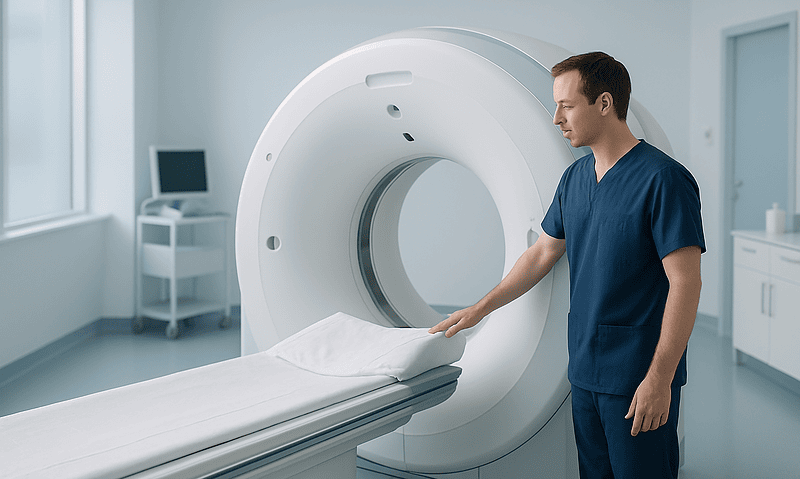
Here’s where evidence and marketing pull hardest in opposite directions. Whole-body CT and MRI scans for people without symptoms are heavily advertised and intuitively appealing, look everywhere, catch everything early. Major medical organizations, including the FDA and professional radiology societies, do not recommend them for symptom-free adults, and the reasoning is worth understanding rather than just accepting.
The core problem is incidental findings. Scan a healthy body head to toe and you will very often find somethinga small lung nodule, a cyst on a kidney, a spot on the liver. Published studies of whole-body imaging report incidental findings in a substantial share of scans, and the overwhelming majority turn out harmless. But “turn out” is doing heavy lifting in that sentence: proving harmlessness can mean months of follow-up imaging, biopsies with their own risks, real anxiety, and real cost. CT scans add ionizing radiation exposure on top.
Meanwhile, whole-body scans are surprisingly bad at the jobs that matter most. They don’t measure blood pressure, cholesterol, or blood sugar: the drivers of the heart attacks and strokes most likely to actually shorten a life.
Targeted imaging is a different story entirely. Low-dose lung CT for eligible smokers, mammography, bone density scans, aneurysm ultrasound: these are aimed at specific risks in specific populations, and the evidence supports them. The distinction isn’t scan versus no scan. It’s aimed versus unaimed.
How to Prepare So You Get the Most From Your Visit
A little preparation converts a routine appointment into a genuinely useful one.
Ask about fasting. Blood sugar and some cholesterol tests traditionally require 8 to 12 hours without food, water is fine, and usually encouraged. Many labs now accept non-fasting lipid panels, so confirm with your clinic rather than assuming.
Bring your complete medication and supplement list, including over-the-counter products and herbal supplements. Interactions and lab interference are real; NIH’s Office of Dietary Supplements notes that some common supplements can skew certain test results.
Sketch your family tree. Ages and causes of death or major diagnoses for parents, siblings, and grandparents reshape screening plans more than almost anything else you’ll say in the room.
Write down three questions. Appointment amnesia is universal: the question you meant to ask evaporates the moment the door opens. Paper beats memory.
A few smaller moves help the numbers reflect reality:
- Skip intense exercise for 24 hours before blood work; a hard workout can temporarily elevate some muscle and liver markers.
- Go easy on alcohol for a couple of days beforehand.
- Arrive a few minutes early and sit quietly before the blood pressure check, rushing in from the parking lot inflates readings.
- Wear sleeves that roll up and shoes that slip off.
Finally, request your results in writing and keep them. Your trend line across five years is more valuable than any single year’s snapshot.
When to See a Doctor: Don't Wait for the Annual Visit
A scheduled checkup is a screening tool for people who feel well. Symptoms change the math entirely, and waiting for a booked appointment can waste time that matters.
Seek emergency care immediately for chest pain or pressure, sudden shortness of breath, sudden weakness or numbness on one side of the body, face drooping, slurred speech, or a sudden severe headache unlike any before. These are the classic warning signs of heart attack and stroke, where treatment within hours changes outcomes.
Book a prompt appointment, days, not months, for symptoms that persist or can’t be explained:
- Unintentional weight loss of more than about 5% of body weight over six to twelve months
- Blood in stool or urine, or coughing up blood
- A new lump, or a mole that’s changing shape or color
- Fever lasting more than a few days without an obvious cause
- Persistent fatigue, night sweats, or drenching sweats
- Changes in bowel habits lasting several weeks
- Low mood, loss of interest, or thoughts of self-harm, mental health symptoms deserve the same urgency as physical ones
None of these automatically means something serious; most have benign explanations. What they share is that they warrant evaluation now rather than at next year’s physical. The full body checkup is a net for silent conditions. Symptoms are your body volunteering information, take it up on the offer.
Frequently asked questions
What is included in a full body checkup?
A full body checkup typically includes a medical and family history review, a physical exam, vital signs (blood pressure, heart rate, weight), core blood tests, complete blood count, metabolic panel, cholesterol, blood sugar, a urine test, and screenings matched to your age and risk, such as colorectal or breast cancer screening. Mood, sleep, vision, hearing, and skin checks often round out the visit.
How much does it cost to do a full body test?
In the US, anywhere from no out-of-pocket cost to several thousand dollars. Most insurance plans cover recommended preventive visits and screenings with no copay under the Affordable Care Act. Paying cash, a basic physical usually runs in the low-to-mid hundreds of dollars, while bundled ‘executive’ packages with imaging can reach into the thousands, often without added medical value for symptom-free adults.
What does a full check-up consist of?
Four parts: a conversation about your history, habits, and family risks; a hands-on exam covering heart, lungs, abdomen, skin, and reflexes; laboratory tests including blood counts, metabolic and lipid panels, and urinalysis; and age-based screenings such as blood pressure, diabetes, and cancer screening. The lab and screening lineup shifts with your age, sex, and risk factors rather than following one fixed menu.
How much does a full blood panel cost?
Individual routine tests are surprisingly inexpensive at direct-pay laboratories: a complete blood count or metabolic panel can each cost less than a casual dinner out, though prices vary widely by region and lab. When ordered as part of a covered preventive visit, recommended blood tests typically cost you nothing out of pocket. Bundled panels with dozens of extra tests raise the price without proportionally raising the value.
Do I need to fast before a full body checkup?
Often, but not always. Traditional fasting glucose and some cholesterol tests call for 8 to 12 hours without food, though many labs now accept non-fasting lipid panels. Water is fine and helps the blood draw. Confirm fasting instructions with your clinic when you book, and schedule a morning appointment if fasting is required so you’re not hungry all day.
How often should you get a full body checkup?
There’s no single evidence-based interval for everyone. Healthy younger adults may reasonably go every one to three years, while people over 50 or with chronic conditions generally benefit from annual visits. Individual screenings run on their own clocks, cholesterol every four to six years for low-risk adults, colonoscopy every ten. England’s NHS invites adults 40 to 74 to a structured check every five years, a useful benchmark.
Can a blood test detect cancer?
Standard checkup blood panels cannot detect most cancers. A complete blood count occasionally flags blood-related disorders, and the PSA test screens specifically for prostate cancer risk, but detecting colorectal, breast, lung, or cervical cancer requires dedicated screening tests like colonoscopy, mammography, low-dose CT, or Pap testing. Newer multi-cancer blood tests exist but are still being evaluated and are not part of routine guideline-based screening.
What is the difference between a CBC and a CMP?
They examine different things from the same blood draw. A complete blood count (CBC) counts your blood cells, red cells, white cells, and platelets, screening for anemia, infection, and clotting issues. A comprehensive metabolic panel (CMP) measures 14 chemical values, including blood sugar, electrolytes, kidney markers, and liver enzymes. Together they give a broad snapshot of blood health and organ function.
Is a whole-body MRI scan a good idea for a healthy person?
Current evidence doesn’t support it. Major medical organizations do not recommend whole-body CT or MRI for symptom-free adults because these scans frequently find harmless incidental abnormalities that trigger anxiety, follow-up imaging, and sometimes biopsies, while missing the biggest killers, which are tracked by blood pressure, cholesterol, and blood sugar instead. Targeted imaging for specific risks, like lung CT for eligible smokers, is a different, evidence-backed matter.
Do healthy young adults really need checkups?
Yes, though less often than older adults. Blood pressure should be checked at least every few years from your twenties, cholesterol every four to six years, and cervical cancer screening starts at 21. Early adulthood is also when trend lines begin: a baseline set of numbers at 25 makes a drifting value at 35 obvious. Mood, sleep, and lifestyle conversations carry real preventive weight at this age too.
References
- Health Checkup: MedlinePlus
- Comprehensive Metabolic Panel (CMP): MedlinePlus
- NHS Health Check: NHS
- Screening for Colorectal Cancer: CDC
This article is for general information only and is not a substitute for professional medical advice. Please consult a qualified doctor about your individual situation.

More from the Blog

The Executive Physical: What Premium Health Assessments Include
An executive physical is an expanded, concierge-style preventive exam, usually a half day to two days, that bundles a detailed history and physical, extensive…

The Health MOT: What a Complete Service for Your Body Covers
A health MOT is a structured, head-to-toe preventive check-up modeled on a car's annual inspection. A typical version measures blood pressure, cholesterol, blood sugar,…

What Happens During a Physical: The Exam, Explained Step by Step
During a physical, a clinician reviews your health history, checks vital signs, blood pressure, heart rate, temperature, height, and weight, then examines you head…

Private Health Checks: What You Get, Tier by Tier: an Honest Guide
A private health check bundles screening tests into a paid package. Entry tiers center on blood pressure, cholesterol, blood sugar, and basic blood work,…

The Annual Check-Up: What Happens, What Is Tested and How Often You Need One
An annual check-up typically includes a review of your medical history, measurements of blood pressure, heart rate, and weight, a hands-on physical exam, and…
Biometric Screening: The Workplace Health Check, Decoded
A biometric screening is a brief health check, usually 15 to 30 minutes, that measures blood pressure, height, weight, waist circumference, blood cholesterol, and…