Polycystic Ovary Syndrome
Quick answer
Polycystic ovary syndrome is a common hormonal disorder in which irregular ovulation, excess androgen activity, and multiple small ovarian follicles can lead to irregular periods, acne, unwanted hair growth, and fertility problems. At Acibadem in Turkey, evaluation focuses on symptoms, hormone and metabolic assessment, and ultrasound, with treatment tailored to goals such as cycle regulation, symptom control, and support for…
What is polycystic ovary syndrome?
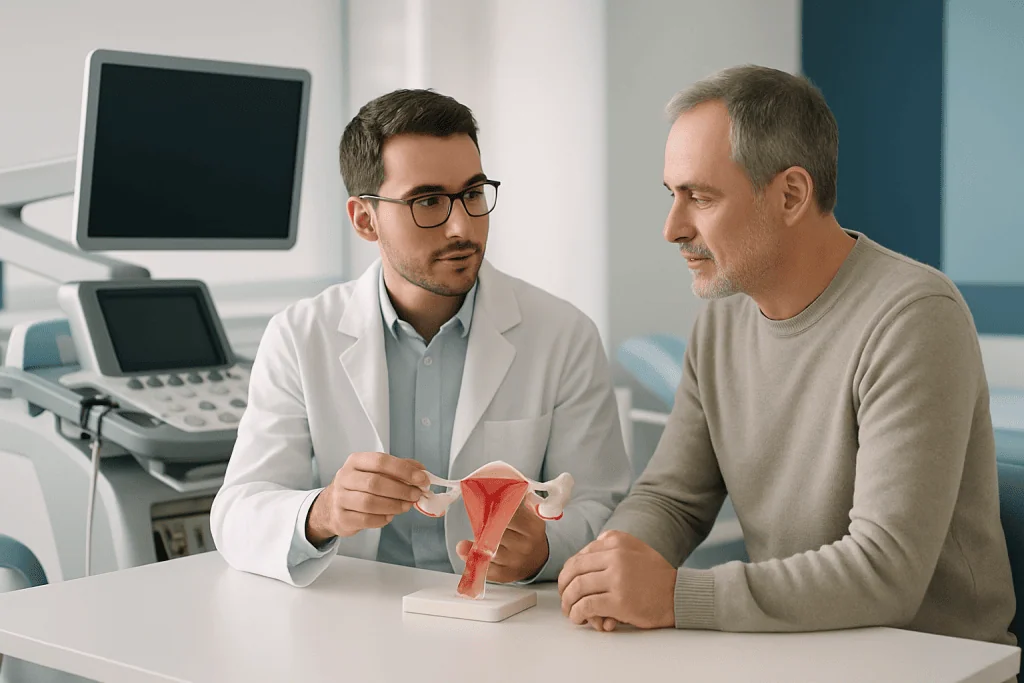
Polycystic ovary syndrome, often shortened to PCOS, is a common hormonal condition that affects how the ovaries work. The ovaries are the two small organs on either side of the uterus (womb) that store eggs and produce hormones such as estrogen and progesterone. In people with polycystic ovary syndrome, the balance of these hormones is disturbed. The ovaries often produce higher-than-usual amounts of androgens, which are hormones sometimes called “male hormones,” although every woman’s body makes them in small amounts.
The name of the condition can be misleading. Despite the word “cysts,” the ovaries in PCOS usually do not contain harmful cysts. Instead, they may contain many small, immature follicles, tiny fluid-filled sacs that each hold an egg. In PCOS, these follicles often do not mature and release an egg regularly, a process called ovulation. When ovulation is irregular or absent, menstrual periods become irregular and it can be harder to become pregnant.
So, what is polycystic ovary syndrome in practical terms? It is a lifelong condition of the hormone system that most often becomes noticeable during the teenage years or in early adulthood, typically affecting women of reproductive age. It is one of the most common hormonal conditions in this age group worldwide. PCOS affects each person differently: some people have mild symptoms, while others have more noticeable changes to their periods, skin, hair, weight, or fertility. Although there is no cure, symptoms can usually be managed effectively with lifestyle measures and medical treatment.
Symptoms of polycystic ovary syndrome
Polycystic ovary syndrome symptoms vary widely from person to person, and not everyone experiences all of them. Some people are only diagnosed when they seek help for irregular periods or difficulty becoming pregnant. Common symptoms include:
- Irregular periodsmenstrual cycles that are infrequent, unpredictable, unusually long, or absent for months at a time.
- Heavy periodswhen bleeding does occur, it may be heavier than usual because the lining of the uterus has had longer to build up.
- Excess hair growth (hirsutism)thicker, darker hair on the face, chest, back, or abdomen, caused by higher androgen levels.
- Acne and oily skinoften persistent acne on the face, chest, or upper back that does not respond well to standard skin care.
- Thinning hair on the scalphair loss in a pattern similar to male-pattern baldness in some people.
- Weight gain or difficulty losing weightoften concentrated around the abdomen.
- Darkened patches of skin (acanthosis nigricans)velvety, darker areas of skin, commonly in body folds such as the neck, armpits, or groin, which can be a sign of insulin resistance.
- Difficulty becoming pregnantbecause ovulation is irregular or does not happen.
- Mood changesanxiety and low mood appear to be more common in people with PCOS.
Symptoms can also change across different life stages. In adolescence, irregular periods and acne are common even without PCOS, so doctors are usually cautious about diagnosing the condition in teenagers and may wait to see whether irregular cycles persist. In the reproductive years, fertility concerns and hair or skin changes often become the main issues. Around and after menopause, periods stop for everyone, but some PCOS-related features, such as excess hair growth and metabolic problems like insulin resistance, may continue.
Doctors sometimes describe different “presentations” or types of PCOS depending on which features are most prominent, for example, whether irregular ovulation, signs of high androgens, or polycystic-appearing ovaries on ultrasound dominate the picture. These distinctions can help guide which treatments are most likely to help a particular person.
Causes and risk factors
The exact polycystic ovary syndrome causes are not fully understood. Most experts believe PCOS results from a combination of genetic and environmental factors rather than a single cause. Several interconnected mechanisms are thought to play a role:
- Insulin resistance. Insulin is a hormone that helps the body use sugar (glucose) from food for energy. In insulin resistance, the body’s cells respond poorly to insulin, so the pancreas produces more of it. High insulin levels can stimulate the ovaries to produce more androgens, which disrupts ovulation. Many people with PCOS have some degree of insulin resistance, regardless of their body weight.
- Hormone imbalance. In addition to raised androgens, some people with PCOS have altered levels of luteinizing hormone (LH), a hormone from the brain’s pituitary gland that helps trigger ovulation. This imbalance further interferes with the normal maturing and release of eggs.
- Genetics. PCOS often runs in families. Having a mother, sister, or other close relative with the condition appears to increase the likelihood of developing it, although no single gene has been identified as the cause.
- Low-grade inflammation. Some research suggests that mild, long-term inflammation in the body may contribute to higher androgen production, although this is still being studied.
Certain factors may increase the risk or worsen symptoms. Excess body weight, particularly around the abdomen, can intensify insulin resistance and make symptoms more noticeable, although PCOS also occurs in people of normal weight. A family history of PCOS or type 2 diabetes is another recognized risk factor. It is important to understand that PCOS is not caused by anything a person did or failed to do, and it is not the result of a lifestyle choice.
Diagnosis
There is no single test that confirms the condition, so polycystic ovary syndrome diagnosis is based on a combination of your medical history, a physical examination, blood tests, and sometimes imaging. Doctors commonly use internationally accepted criteria (often called the Rotterdam criteria), which generally require at least two of the following three features, after other possible causes have been ruled out:
- Irregular or absent ovulationusually shown by irregular or missing periods.
- Signs of high androgen levelseither visible signs such as excess hair growth or acne, or raised androgen levels on a blood test.
- Polycystic-appearing ovaries on ultrasoundovaries containing many small follicles or that are enlarged.
The diagnostic process usually includes:
- Medical history and examination. Your doctor will ask about your menstrual cycles, skin and hair changes, weight, medications, and family history, and may examine your skin and measure your blood pressure and body measurements.
- Blood tests. These typically check androgen levels (such as testosterone) and other hormones. Blood tests are also used to rule out other conditions that can mimic PCOS, such as thyroid disorders, high prolactin levels, or certain adrenal gland conditions. Your doctor may also test blood sugar and cholesterol levels, since PCOS is linked to a higher risk of diabetes and heart disease over time.
- Pelvic ultrasound. An ultrasound uses sound waves to create an image of the ovaries and uterus. It can show whether the ovaries have the typical polycystic appearance and check the lining of the uterus. Ultrasound is not always required, especially if the other two criteria are clearly met, and it is often avoided in teenagers because multi-follicular ovaries are common at that age.
Because irregular periods and acne are common in the years just after periods begin, doctors are usually careful when assessing adolescents and may recommend reassessment over time rather than an immediate diagnosis.
Treatment options
There is currently no cure for PCOS, but polycystic ovary syndrome treatment can manage symptoms effectively and reduce the risk of long-term complications. Treatment is tailored to each person’s main concerns, for example, regulating periods, improving skin and hair symptoms, achieving pregnancy, or managing weight and metabolic health. Care for this condition is typically coordinated by a gynecology and obstetrics department, sometimes together with hormone specialists (endocrinologists), dietitians, and dermatologists. You can find an overview of how polycystic ovary syndrome is managed at Acibadem on its dedicated treatment page.
Lifestyle measures
For many people, lifestyle changes are the first step. In those carrying excess weight, even modest weight loss can improve insulin sensitivity, help restore more regular ovulation, and reduce androgen-related symptoms in many cases. A balanced diet, regular physical activity, adequate sleep, and stress management are generally recommended for everyone with PCOS, regardless of weight. Some people also benefit from monitoring and observation (“watchful waiting”) if their symptoms are mild, with regular check-ups to watch for changes.
Medications for irregular periods and androgen symptoms
- Combined hormonal contraceptives (birth control pills containing estrogen and progestin) are often used to regulate periods, protect the lining of the uterus, and reduce acne and excess hair growth. They are not suitable for everyone, so your doctor will review your health history first.
- Progestin therapy may be used periodically to trigger a period and protect the uterine lining in people who cannot or prefer not to take combined contraceptives.
- Anti-androgen medications may be prescribed in some cases to reduce excess hair growth or acne. Because they can harm a developing baby, reliable contraception is required while taking them.
- Metformin, a medication that improves the body’s response to insulin, is sometimes used, particularly in people with insulin resistance or prediabetes. It may help regulate cycles in some people, although its effects vary.
Fertility treatment
For those trying to become pregnant, medications that stimulate ovulation, such as letrozole or clomiphene, are often the first medical option. If these do not work, injectable hormones or assisted reproduction techniques such as in vitro fertilization (IVF), where eggs are fertilized outside the body, may be considered. Many people with PCOS are able to conceive with appropriate treatment, although outcomes vary and no approach can be guaranteed.
Procedures and surgery
Surgery is not a routine treatment for PCOS. In selected cases where medications have not restored ovulation, a keyhole (laparoscopic) procedure called ovarian drilling may be considered. This involves making tiny punctures in the ovary to reduce androgen-producing tissue, which can temporarily improve ovulation in some people. Like all surgery, it carries risks, so it is usually reserved for specific situations after discussion with a specialist.
Treating related symptoms and long-term risks
Cosmetic approaches such as hair removal methods, prescription creams, and dermatologic acne treatments can help with skin and hair symptoms. Because PCOS is associated with a higher long-term risk of type 2 diabetes, high blood pressure, abnormal cholesterol, and thickening of the uterine lining, your doctor may recommend regular screening and preventive care. Mental health support is also an important part of treatment for people experiencing anxiety or low mood.
Living with polycystic ovary syndrome and outlook
PCOS is a long-term condition, but most people can manage it well and live full, healthy lives. Symptoms often change over time: some improve with treatment or after menopause, while metabolic concerns such as insulin resistance may need ongoing attention throughout life. Regular follow-up allows your care team to adjust treatment as your needs change, for example, shifting focus from cycle regulation to fertility support, and later to metabolic and cardiovascular health.
Practical steps that often help include maintaining regular physical activity, following a balanced eating pattern, attending recommended screening tests for blood sugar and blood pressure, and tracking your menstrual cycles so you can report changes to your doctor. Because PCOS can affect self-image and mood, seeking support, whether from healthcare professionals, counselors, or support groups, can be a valuable part of managing the condition. While no one can promise a specific outcome, early diagnosis and consistent management generally improve both day-to-day symptoms and long-term health.
Frequently asked questions
What is polycystic ovary syndrome in simple terms?
Polycystic ovary syndrome is a hormonal condition in which the ovaries produce more androgens (“male hormones”) than usual and often do not release eggs regularly. This can lead to irregular periods, acne, excess hair growth, and difficulty becoming pregnant. Despite the name, the ovaries usually contain many small immature follicles rather than harmful cysts, and the condition affects hormones and metabolism throughout the body, not just the ovaries.
Can polycystic ovary syndrome be cured or go away on its own?
There is currently no cure for PCOS, and it usually does not disappear on its own. However, symptoms can often be managed very effectively with lifestyle changes and medication, and their intensity may vary over time. Some people notice improvement after weight loss or as they get older, but ongoing monitoring is generally recommended because certain risks, such as diabetes, can persist even when visible symptoms improve.
How serious is polycystic ovary syndrome?
PCOS itself is not life-threatening, but it deserves careful attention. Untreated, it is associated with a higher long-term risk of type 2 diabetes, high blood pressure, unhealthy cholesterol levels, and thickening of the uterine lining, which can increase the risk of uterine cancer over time. With appropriate treatment and regular check-ups, many of these risks can be reduced, which is why an accurate diagnosis and follow-up care are important.
Can I get pregnant if I have polycystic ovary syndrome?
Yes, many people with PCOS become pregnant, sometimes without any treatment and often with medical help. Because ovulation is irregular, it may take longer to conceive, and some people need ovulation-stimulating medication or assisted reproduction techniques. If you have PCOS and are planning a pregnancy, it is sensible to discuss this with your doctor early, since optimizing weight, blood sugar, and overall health before conception can support a healthier pregnancy.
What are the first signs of polycystic ovary syndrome?
Early polycystic ovary syndrome symptoms often include irregular or missed periods, persistent acne, unwanted hair growth on the face or body, and unexplained weight gain. These signs frequently appear during the teenage years or early twenties, although they can be subtle at first. Because these symptoms overlap with normal adolescent changes and other conditions, only a doctor can determine whether they are due to PCOS.
Does losing weight help with polycystic ovary syndrome?
In people who carry excess weight, even a modest reduction can improve insulin sensitivity, help restore more regular ovulation, and lessen androgen-related symptoms in many cases. However, PCOS also affects people of normal weight, and weight loss can be genuinely harder with this condition because of insulin resistance. A realistic, sustainable approach to nutrition and activity, ideally with professional guidance, tends to work better than restrictive dieting.
How is polycystic ovary syndrome diagnosed?
Polycystic ovary syndrome diagnosis is usually based on a combination of your symptom history, blood tests measuring hormone levels, and sometimes a pelvic ultrasound of the ovaries. Doctors generally look for at least two of three features, irregular ovulation, signs of high androgens, and polycystic-appearing ovaries, while ruling out other conditions such as thyroid disorders. No single test confirms PCOS, so the assessment is done step by step.
When to see a doctor
Consider making an appointment with a doctor if you have irregular, infrequent, or absent periods; noticeable excess hair growth or scalp hair thinning; persistent acne; unexplained weight gain; or difficulty becoming pregnant after trying for a year (or six months if you are over 35). Early assessment allows other conditions to be ruled out and management to begin sooner.
Seek prompt or urgent medical attention if you experience any of the following red-flag warning signs:
- Very heavy vaginal bleedingsoaking through pads or tampons every hour for several hours, or passing large clots.
- No period for three months or more when you are not pregnant and not using hormonal contraception.
- Severe or sudden pelvic or abdominal pain, especially with fever, vomiting, or fainting.
- Bleeding after menopause or any unexpected bleeding between periods that persists.
- Symptoms of very high blood sugar, such as extreme thirst, frequent urination, blurred vision, or unexplained rapid weight loss.
- Signs of severe depression or thoughts of self-harmthese deserve immediate professional support.
These symptoms are not always related to PCOS, but they should always be evaluated by a healthcare professional. This article is for general information only and does not replace personalized medical advice from your doctor.
Period Calculator
Check your own numbers in seconds, free, instant and doctor-reviewed ranges.
Medically reviewed by the Acıbadem International Medical Board September 3, 2026
See our medical review board →
Update history
- PublishedJune 14, 2026
- Medical review approvedSeptember 3, 2026
- Last content updateSeptember 2, 2026
Treatments for This Condition
Care at Acibadem

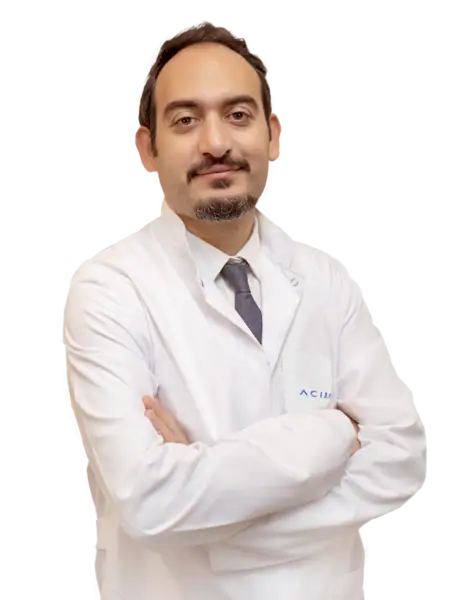
Doctors Who Treat This Condition
Vitro Fertilization and Reproductive Medicine Center
Assoc. Prof. Burak Elmas, MD
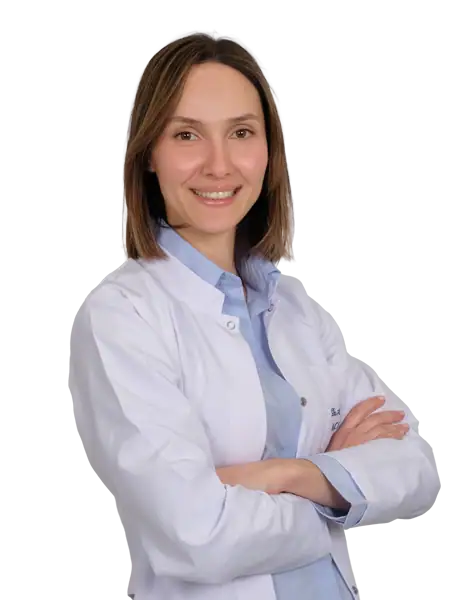
Vitro Fertilization and Reproductive Medicine Center
Assoc. Prof. Eser Çolak, MD

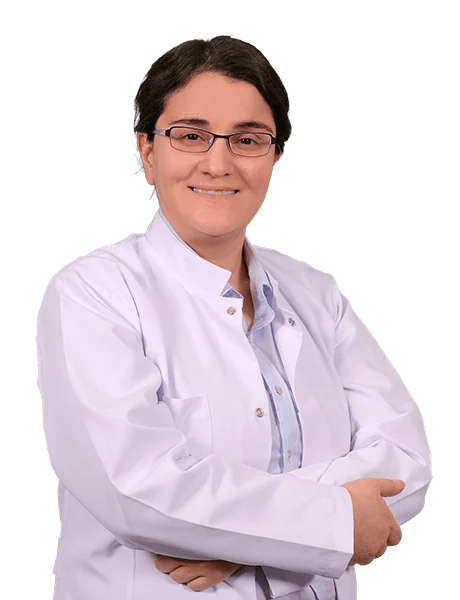
Vitro Fertilization and Reproductive Medicine Center