Afp Screening: How It Works, Results and What to Expect

AFP screening measures alpha-fetoprotein in a blood sample and is used for different reasons in adults, children and pregnancy. AFP levels may be used to support the evaluation and follow-up of certain liver and germ cell cancers, but the test cannot confirm cancer by itself.
Key Takeaways
- AFP screening measures alpha-fetoprotein in a blood sample and is used for different reasons in adults, children and pregnancy.
- AFP levels may be used to support the evaluation and follow-up of certain liver and germ cell cancers, but the test cannot confirm cancer by itself.
- The blood draw usually takes only a few minutes, requires little or no recovery time, and commonly does not require fasting.
- Reference ranges and the meaning of a result vary by laboratory, age, sex, pregnancy status and the reason for testing.
- Raised AFP can occur in non-cancerous liver disease, pregnancy and other situations, so clinicians often arrange repeat testing, imaging or additional blood tests when needed.
AFP screening is a simple blood test that measures alpha-fetoprotein (AFP), a protein that can be raised or lowered in different clinical settings. Results need careful interpretation alongside symptoms, medical history, pregnancy status, imaging and other laboratory tests; an abnormal result alone does not diagnose cancer.
AFP Screening Overview
AFP screening is a blood test that measures alpha-fetoprotein (AFP), a protein made mainly by the developing fetus during pregnancy. In healthy non-pregnant adults, AFP is usually present at very low levels. Doctors may order the test during pregnancy, when assessing certain liver or testicular conditions, or to monitor a known cancer and its response to treatment.
The term “screening” can be misleading because AFP does not work as a stand-alone test for every person or every cancer. In people at increased risk of liver cancer, it may be used together with liver ultrasound as part of surveillance. In other settings, it is a tumor marker that provides one useful piece of clinical information rather than a diagnosis on its own.
AFP screening results are interpreted in context. A clinician considers the reason for the test, the person’s age, pregnancy status, liver health, symptoms, previous AFP measurements and any imaging findings. A result outside the reference range may require further assessment, but it does not automatically mean a serious condition is present.
Why AFP Testing Is Used and Who May Need It
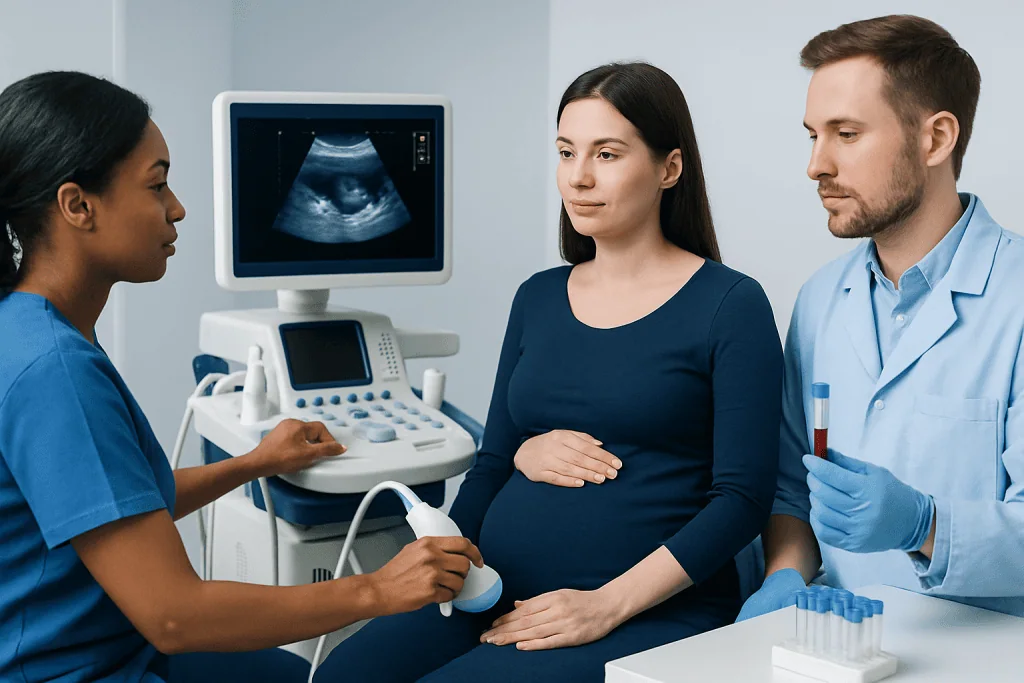
AFP testing has several distinct uses. During pregnancy, maternal serum AFP is commonly included in second-trimester screening to estimate the chance of certain fetal or placental conditions. It is a screening result, not a diagnostic result, and any unexpected finding is assessed with appropriate ultrasound and, when indicated, further testing.
Outside pregnancy, clinicians may request AFP as part of an assessment for liver cancer or for some germ cell tumors, including certain testicular and ovarian tumors. It may also help monitor treatment or check for recurrence after treatment when a person’s specific tumor produces AFP. Not all tumors produce AFP, so a normal result cannot rule out cancer.
People with long-term liver disease, particularly cirrhosis or chronic hepatitis B, may be advised to have regular liver cancer surveillance. The exact AFP screening timing depends on the underlying condition, local clinical guidance and the person’s individual risk. Surveillance commonly includes imaging because ultrasound can detect changes that a blood marker alone may miss.
- Pregnant people having routine prenatal screening.
- People with cirrhosis or chronic hepatitis B who are being monitored for liver cancer.
- People being evaluated for a suspected germ cell tumor or liver tumor.
- People whose AFP-producing cancer is being monitored during or after treatment.
How AFP Screening Works: Preparation and Step-by-Step Procedure

AFP screening is performed with a standard blood sample. Most people do not need to fast or make special preparations. However, they should tell the healthcare team about pregnancy, current medicines, supplements, recent treatment, known liver disease and any previous AFP results, as these details may affect interpretation or help explain changes over time.
At the appointment, a trained healthcare professional confirms identity and test details, cleans a small area of skin—usually at the inside of the elbow—and inserts a needle into a vein. A small tube of blood is collected, the needle is removed, and gentle pressure is applied with gauze or a small dressing. The collection itself usually takes only a few minutes.
There is no special recovery period. Normal activities can generally resume immediately. Keeping pressure on the area briefly can help reduce minor bruising. For people having AFP measured as part of cancer monitoring, it is helpful to have testing performed consistently as advised, since trends over time can be more informative than one isolated number.
When AFP testing is part of a broader cancer assessment, doctors may also recommend imaging, such as ultrasound, CT or MRI, and other blood tests. Depending on the clinical concern, these may include liver cancer treatment evaluation pathways or specialist assessment for germ cell tumors.
How to Interpret AFP Test Results?
AFP test results are reported as a concentration in the blood and compared with the laboratory’s reference range. A clinician should interpret the number rather than relying on a general online cutoff, because ranges and reporting units can differ between laboratories. For pregnancy screening, results are often adjusted for gestational age and other factors, since AFP naturally changes throughout pregnancy.
A low or normal AFP result is often reassuring, but it does not exclude every condition that the test may be used to investigate. Similarly, an elevated AFP result does not establish a cancer diagnosis. Liver inflammation, cirrhosis, chronic viral hepatitis, pregnancy and some non-cancerous conditions can raise AFP levels.
For someone already diagnosed with an AFP-producing tumor, the direction of change can be particularly useful. Falling levels after treatment may support a treatment response, while rising or persistently elevated levels may lead the care team to review imaging and other findings. Decisions are not made from AFP alone; clinicians combine the marker with the full clinical picture.
If a result is unexpected, the next step may be a repeat AFP test, liver function tests, hepatitis testing, ultrasound or other imaging. During pregnancy, the care team may confirm gestational age, review the screening calculation and offer detailed fetal ultrasound or additional testing where appropriate.
How Long Does It Take to Get AFP Test Results Back?
The afp screening timeline is usually short. The blood sample is collected in minutes, and many laboratories return AFP test results within one to several working days. Timing can vary depending on the laboratory, whether the test is processed on site, the reason it was ordered and whether it is included in a larger group of tests.
Pregnancy screening may take longer to report because the laboratory may need information such as gestational age, maternal weight and pregnancy details to calculate and interpret the result correctly. The clinician or prenatal care team will explain when and how the result will be communicated.
For cancer surveillance or treatment monitoring, the timing of repeat tests is planned by the treating team. Regular testing at agreed intervals helps make changes easier to interpret. Patients should ask their clinic when to expect results and whether they will be contacted directly or should arrange a follow-up appointment.
When to Worry About AFP Levels?
An AFP level is worth discussing with a doctor when it is above the laboratory reference range, rises on repeat measurements, or is accompanied by concerning symptoms or abnormal imaging. However, there is no single AFP number that should be interpreted without clinical context. The level of concern depends on why the test was done and on the person’s overall health.
People with liver disease should seek medical advice promptly if they develop symptoms such as new jaundice, persistent upper abdominal discomfort or swelling, unexplained weight loss, ongoing loss of appetite, worsening fatigue, confusion, or vomiting blood. These symptoms can have several causes and require assessment rather than self-diagnosis.
A raised AFP may occur with active liver inflammation or damage, including hepatitis and cirrhosis. It can also be associated with hepatocellular carcinoma and some germ cell tumors. In pregnancy, an unexpected AFP result often reflects factors such as pregnancy dating or placental and fetal conditions, and it should be discussed calmly with the prenatal care team.
Doctors may recommend referral to liver specialists, oncology, urology, gynecology or maternal-fetal medicine depending on the setting. Acibadem International’s multidisciplinary specialists and JCI-accredited hospitals can assess AFP findings and coordinate appropriate investigations and treatment planning for international patients.
What Cancers Does AFP Indicate?
AFP can be elevated in hepatocellular carcinoma, the most common primary liver cancer. It may also be elevated in certain germ cell tumors, particularly non-seminomatous testicular germ cell tumors and some ovarian germ cell tumors. In children, AFP may be used in the evaluation and monitoring of rare tumors such as hepatoblastoma and some germ cell tumors.
AFP does not identify the location or type of cancer by itself. Some people with liver cancer or germ cell tumors have normal AFP levels, while some people without cancer have raised levels. Therefore, clinicians use AFP alongside examination, medical history, ultrasound, CT, MRI and sometimes tissue testing to reach an accurate diagnosis.
For suspected testicular cancer, an examination, scrotal ultrasound and other tumor markers may be important. For suspected liver cancer, liver imaging and assessment of underlying liver disease are central to evaluation. If cancer is confirmed, care may include testicular cancer treatment or a liver-focused treatment plan based on the tumor type, stage and the person’s general health.
Benefits, Risks and When to Seek Medical Care
The main benefit of AFP screening is that it can contribute to earlier assessment, risk evaluation and follow-up in carefully selected situations. For people with known AFP-producing tumors, it can provide a relatively simple way to monitor changes over time. In pregnancy, it can help identify when further evaluation may be helpful.
The physical risks of the blood test are small. Some people experience brief discomfort, lightheadedness, minor bruising or rarely a small collection of blood under the skin at the needle site. Applying pressure after the blood draw and keeping the area clean can reduce minor problems. People who feel faint with blood tests should tell the healthcare professional beforehand.
There are also limitations to consider. False-positive and false-negative results are possible, and an abnormal result can cause understandable worry before the cause is clarified. Follow-up testing is often the safest and most informative response, rather than assuming that one result provides a diagnosis.
Medical care should be sought urgently for severe symptoms such as vomiting blood, black stools, marked confusion, severe abdominal pain, fainting or rapidly worsening jaundice. For a non-urgent abnormal AFP result, a timely appointment with the clinician who ordered the test is appropriate. They can explain the result, arrange follow-up and discuss whether specialist care is needed.
Frequently asked questions
Is AFP screening a cancer test?
AFP screening can support the assessment and monitoring of certain cancers, especially some liver and germ cell cancers. It is not a definitive cancer test because AFP can be normal in cancer and elevated in non-cancerous conditions. Imaging and other tests are usually needed to confirm a diagnosis.
Do I need to fast before an AFP blood test?
Most people do not need to fast before AFP screening. The ordering clinician may give different instructions if AFP is being measured alongside tests that require fasting. Patients should follow the instructions provided by their healthcare team.
Can liver disease raise AFP levels without cancer?
Yes. Chronic hepatitis, cirrhosis and active liver inflammation can raise AFP levels even when cancer is not present. This is why doctors compare the result with liver tests, imaging, symptoms and changes in AFP over time.
What does a high AFP result mean during pregnancy?
A high result during pregnancy is a screening finding, not a diagnosis. It may be related to gestational age estimation, multiple pregnancy, placental factors or certain fetal conditions. The prenatal care team may recommend a detailed ultrasound or further testing to clarify the result.
How often is AFP checked for liver cancer surveillance?
The testing schedule depends on the person’s liver condition and individual risk. In people who need liver cancer surveillance, clinicians commonly use periodic ultrasound, sometimes with AFP testing. The treating clinician will recommend the appropriate interval.
Can AFP levels fall after cancer treatment?
If a tumor produces AFP, levels may decline after successful treatment. Doctors monitor the pattern over time rather than drawing conclusions from one test result. A falling level is interpreted together with scans, examination findings and the person’s overall recovery.
References
- World Health Organization
- American Cancer Society
- American College of Obstetricians and Gynecologists
- American Association for the Study of Liver Diseases
- National Cancer Institute
This article is for general information only and is not a substitute for professional medical advice. Please consult a qualified doctor about your individual situation.
Oncology care in Turkey — second opinion and treatment plan
JCI-accredited · board-certified surgeons · reply within 24h
Add us as a Preferred Source to see more of our trusted health content across Google Search, AI Overviews and Discover.