Angelman Treatment: How It Works, Results and What to Expect
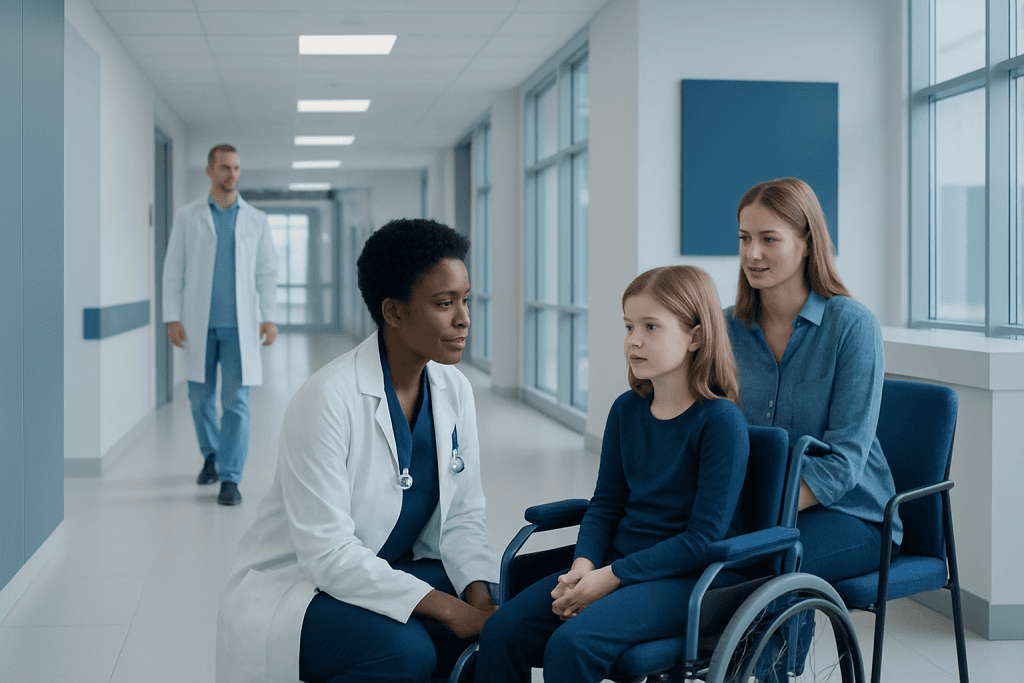
Angelman treatment focuses on seizures, sleep, movement, communication, feeding and developmental support. Early and ongoing physical, occupational, speech and communication therapies are central to care.
Key Takeaways
- Angelman treatment focuses on seizures, sleep, movement, communication, feeding and developmental support.
- Early and ongoing physical, occupational, speech and communication therapies are central to care.
- Seizure medicines are selected by a neurologist because some medicines may not suit every seizure type.
- Treatment goals include safety, participation, comfort, independence and quality of life rather than a cure.
- Regular follow-up with a multidisciplinary team helps adjust care as needs change.
Angelman treatment does not currently cure the genetic condition, but coordinated medical care, developmental therapies and family support can help manage symptoms and build everyday skills. Care is individualized and usually changes over time as a child’s or adult’s needs develop.
Overview: what Angelman treatment involves
Angelman syndrome is a rare neurogenetic condition that affects brain development and nervous system function. It is most often caused by changes involving the maternal copy of the UBE3A gene in a region of chromosome 15. People with Angelman syndrome commonly have developmental delay, limited speech, movement and balance differences, seizures, sleep difficulties and a characteristically happy or excitable manner.
Angelman treatment is supportive and symptom-directed. It combines neurological care, developmental therapies, communication support, nutritional assessment and practical planning for home, school and community life. Although there is no established cure at present, consistent care can reduce health complications and help each person make progress toward meaningful daily goals.
There is no single procedure that treats all features of Angelman syndrome. Instead, the care plan is reviewed regularly, with priorities based on the person’s age, symptoms, strengths, family goals and safety needs. Research into therapies that may affect the underlying genetic mechanism is continuing, but these approaches should be discussed with a specialist because availability and suitability vary.
How treatment works and what results to expect
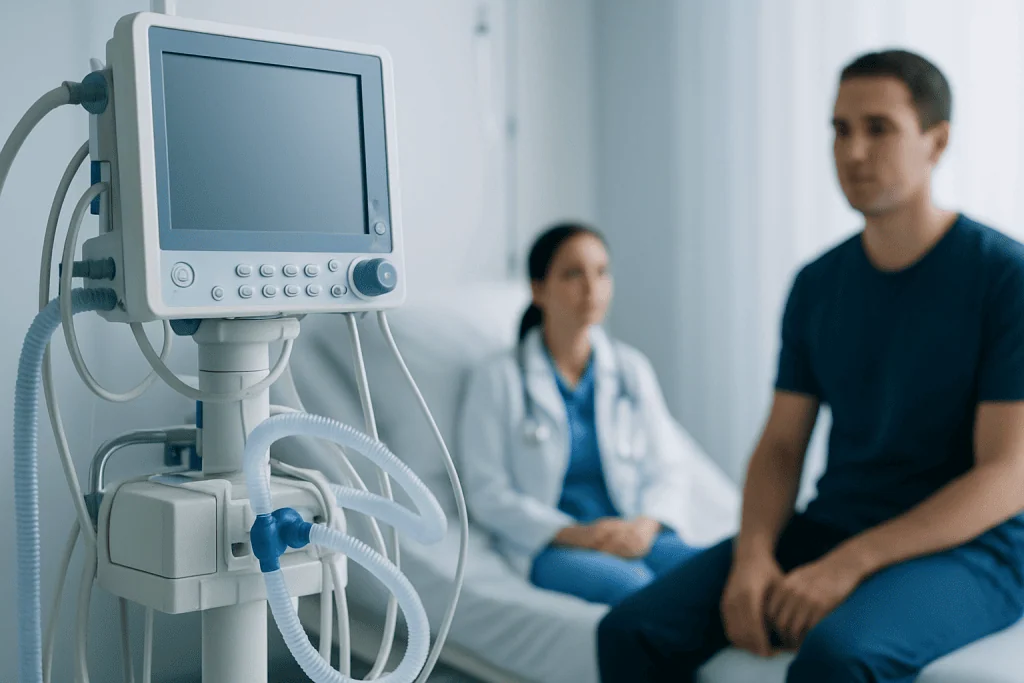
Care works by addressing the effects of Angelman syndrome in several areas at once. Anti-seizure treatment aims to reduce seizure frequency and severity. Physical and occupational therapy support mobility, balance, posture, hand use and everyday activities. Speech and language therapy often emphasizes nonverbal and augmentative communication, helping the person express choices, needs and feelings.
Results are individual and are usually measured in practical terms rather than by a single test. Families and clinicians may look for fewer or shorter seizures, safer walking, improved sleep routines, more effective communication, easier feeding, greater participation in education or activities, and reduced caregiver strain. Progress may be gradual, and gains in one area can support progress in another.
It is helpful to set realistic, shared goals. For example, a communication goal may be reliably using a picture, gesture, sign or electronic device to request preferred items. A mobility goal may be safer transfers or increased endurance rather than independent walking. Regular reassessment allows the team to adapt treatment as development, health and daily circumstances change.
Who should receive care and how the plan is made

Everyone with suspected or confirmed Angelman syndrome should be assessed by clinicians experienced in neurodevelopmental and neurological conditions. Care often begins in childhood, but adults also benefit from review, particularly when seizures, sleep, behavior, mobility, nutrition or caregiving needs change. Genetic counseling can help families understand the diagnosis, recurrence considerations and testing options for relatives when appropriate.
A comprehensive assessment may include a neurological examination, review of development and behavior, seizure history, sleep patterns, feeding and growth, bowel habits, mobility, orthopedic concerns, vision and hearing. The team also asks about school participation, communication methods, social supports and the family’s priorities. An electroencephalogram, or EEG, may be used when seizures are suspected or need further characterization.
Multidisciplinary care may involve a pediatric neurologist or neurologist, developmental pediatrician, geneticist, physiotherapist, occupational therapist, speech and language therapist, dietitian, psychologist, nurse, social worker and education specialists. Not every person needs every service at the same time; the plan should remain practical and tailored to current needs.
- Children with new developmental concerns, unusual episodes or possible seizures should receive prompt medical assessment.
- People with established Angelman syndrome need scheduled follow-up, even when they are generally well.
- Adults may require a transition plan that supports ongoing neurological, rehabilitation and community care.
What treatment may look like step by step
The first step is confirming or reviewing the diagnosis and building a clear picture of current symptoms. Families may be asked to keep a seizure diary, sleep record, medication list and notes about feeding, behavior or mobility. Videos of concerning episodes can sometimes help clinicians distinguish seizures from other movements, provided they can be recorded safely without delaying emergency care.
Next, the clinical team prioritizes the most important needs. For a person with frequent seizures, seizure evaluation and medication planning may come first. For another person, the immediate focus may be communication, sleep, feeding safety or preventing falls. Families receive guidance on how treatments are used at home and what changes should be reported between appointments.
Therapies are then integrated into daily routines. Physiotherapy can include balance, strength, walking and safe movement practice. Occupational therapy can address fine-motor skills, sensory needs, positioning, dressing and participation in play or self-care. Speech and language therapy may introduce communication boards, gestures, signs or speech-generating devices, with training for caregivers and teachers so communication is available throughout the day.
Follow-up is essential. Clinicians assess benefits and side effects of medicines, review therapy goals and update safety plans. School and community providers can be included, with consent, so that strategies are consistent across settings. This ongoing cycle of assessment, intervention and review is the central structure of effective Angelman treatment.
Medical, therapy and supportive treatment options
Seizures are common in Angelman syndrome and should be managed by a neurologist familiar with the individual’s seizure pattern. Treatment may include anti-seizure medicine, an emergency seizure plan and education for caregivers or school staff. The choice of medicine depends on seizure type, other symptoms, possible side effects and response over time; medicines should not be started, stopped or changed without medical advice.
Sleep difficulties can affect the person and the whole family. A clinician may first look for contributing factors such as seizures, pain, constipation, reflux, sleep-disordered breathing, medication effects or an inconsistent routine. A predictable bedtime schedule, appropriate daytime activity and individualized behavioral strategies are often useful. When medication is considered, it should be monitored carefully by the treating clinician.
Feeding, swallowing, reflux and constipation also deserve attention. A dietitian and feeding or swallowing specialist can recommend food textures, meal routines, calorie support or hydration strategies when needed. Persistent coughing during meals, recurrent chest infections, weight loss or prolonged feeding times should be assessed promptly because they may indicate swallowing difficulty.
Some people develop scoliosis, tight muscles, reduced mobility or gait changes. Rehabilitation, positioning, orthoses and orthopedic review may help preserve comfort and function. Behavioral or mental health support can also be valuable when anxiety, distress, impulsivity or challenging behavior affects daily life; such behavior may be a way of communicating pain, fatigue, sensory overload or unmet needs.
Benefits, limitations and possible risks
The main benefits of coordinated treatment are improved safety, symptom control and participation in everyday life. Better seizure management may reduce emergency visits and disruption to learning or sleep. Communication support can reduce frustration and allow more choice-making. Mobility, feeding and sleep interventions may improve comfort and make routines more manageable for the individual and family.
There are limits to what treatment can achieve. Developmental differences associated with Angelman syndrome are lifelong, and progress does not follow a fixed timetable. A therapy or medicine that helps one person may offer limited benefit or cause unwanted effects in another. For this reason, care plans should include measurable goals and regular review rather than continuing an approach automatically.
Potential risks depend on the intervention. Anti-seizure medicines can cause side effects such as sleepiness, behavior changes, appetite changes or effects on balance, and some may interact with other medicines. Therapy activities should be adapted to reduce the risk of falls, fatigue or discomfort. Feeding changes must take swallowing safety and nutritional needs into account.
Families should ask the treating team what benefits are expected, how long a trial may take, what side effects to watch for and when to contact the clinic. Keeping a simple record of seizures, sleep, behavior, bowel habits, eating and new symptoms can make it easier to judge whether a treatment is helping.
Recovery timeline, daily care and long-term outlook
Because Angelman treatment is not usually a one-time procedure, there is no single recovery timeline. Following a medication change, clinicians may monitor seizure control, alertness, appetite, sleep and behavior over days to weeks. Therapy goals are often reviewed over weeks or months, while broader developmental progress may emerge gradually over years.
Daily care is most effective when strategies are repeated in natural settings. Communication tools should be available at home, in school and during outings. Movement exercises or positioning recommendations should fit comfortably into the routine. Consistent sleep and meal schedules, attention to hydration and constipation prevention, and safe opportunities for social engagement can support overall wellbeing.
Planning should also anticipate life transitions. Children may need individualized educational support and a written seizure action plan. Adolescents and adults may benefit from vocational, social, recreational and supported-living planning according to their abilities and preferences. Caregivers should be offered support as well, as long-term care can be demanding.
Acibadem International’s multidisciplinary specialists and JCI-accredited hospitals can assess and coordinate care for international patients with Angelman syndrome, including neurological evaluation, rehabilitation and family-centered support planning.
When to seek medical care
Urgent medical attention is needed for a first suspected seizure, a seizure lasting longer than the person’s prescribed emergency-plan threshold, repeated seizures without recovery between them, serious injury, breathing difficulty, blue or gray lips, or failure to return to usual responsiveness. Caregivers should follow the person’s individualized seizure action plan when one is available and call local emergency services when emergency signs are present.
A prompt, non-emergency appointment is appropriate for an increase in seizures, a new type of episode, worsening sleep, frequent falls, loss of previously learned abilities, persistent vomiting, constipation that does not improve, poor intake, weight concerns, pain, new scoliosis concerns or changes in behavior that may signal illness or discomfort.
Regular planned visits remain important even without new symptoms. They allow the care team to monitor development, treatment effects, growth, mobility and family needs, and to update plans for school, home and adulthood. Parents and caregivers should feel comfortable raising concerns early; many issues are easier to address before they become more disruptive.
Frequently asked questions
Is there a cure for Angelman syndrome?
There is currently no established cure for Angelman syndrome. Treatment focuses on managing seizures and other symptoms, supporting development and communication, and improving safety and quality of life. Research into therapies that target underlying genetic mechanisms is ongoing.
What is the most important part of Angelman treatment?
There is no single most important treatment for every person. A coordinated plan that addresses seizures, communication, movement, sleep, nutrition and family support is usually most helpful. Priorities should reflect the individual’s current symptoms and daily goals.
Can people with Angelman syndrome learn to communicate?
Yes, many people can develop effective ways to communicate, even when spoken language remains limited. Speech and language therapy may use gestures, signs, pictures, communication boards or speech-generating devices. Early, consistent use across home and school can support communication development.
How are seizures treated in Angelman syndrome?
A neurologist evaluates the seizure type and pattern, then recommends an individualized plan that may include anti-seizure medicine and emergency guidance. Ongoing monitoring is important because seizure patterns and medication needs can change. Caregivers should not alter seizure medicines without medical advice.
What should families expect from therapy?
Therapy commonly aims to improve practical skills such as mobility, safe movement, self-care, play, communication and participation in education. Progress can be gradual and varies widely between individuals. Goals are most useful when they are specific, meaningful and reviewed regularly with the care team.
Do adults with Angelman syndrome still need specialist care?
Yes. Angelman syndrome is lifelong, and adults may continue to need neurological follow-up, rehabilitation, communication support and help with mobility, sleep or seizure management. Planning for adult healthcare and community support can make transitions smoother.
References
- National Institute of Neurological Disorders and Stroke
- GeneReviews
- Angelman Syndrome Foundation
- American Academy of Pediatrics
- National Organization for Rare Disorders
This article is for general information only and is not a substitute for professional medical advice. Please consult a qualified doctor about your individual situation.
Joint and spine care in Turkey — expert assessment & treatment
JCI-accredited · board-certified surgeons · reply within 24h
Add us as a Preferred Source to see more of our trusted health content across Google Search, AI Overviews and Discover.