Arm lift in Turkey: Hospitals, Safety & What to Expect

Arm lift surgery is designed for loose or hanging upper-arm skin, often following weight loss or age-related skin changes. The procedure leaves a permanent scar, usually positioned along the inner or back portion of the upper arm.
Key Takeaways
- Arm lift surgery is designed for loose or hanging upper-arm skin, often following weight loss or age-related skin changes.
- The procedure leaves a permanent scar, usually positioned along the inner or back portion of the upper arm.
- Candidates should be in stable health, at a stable weight and prepared to follow recovery and travel instructions.
- Recovery commonly involves compression garments, activity restrictions and several follow-up assessments.
- Choosing a hospital with robust surgical, anaesthesia and emergency-care systems is an important part of planning treatment abroad.
An arm lift in Turkey, also called brachioplasty, removes excess skin and may reshape underlying tissue to improve upper-arm contour. Safety depends on an appropriate medical assessment, a qualified plastic surgery team, accredited hospital standards, clear aftercare planning and allowing sufficient time before travel home.
Overview: What Is an Arm Lift in Turkey?
An arm lift in Turkey is a surgical procedure performed to improve the contour of the upper arms by removing loose skin and, when needed, excess fat. The medical name for the operation is brachioplasty. It may be considered by people whose arm skin has lost elasticity with ageing, after substantial weight loss or following changes in body shape.
The operation is not a substitute for weight management or exercise. Rather, it addresses skin laxity that may remain despite a stable weight and regular activity. Some people are mainly concerned about skin that hangs beneath the arm, while others also have fullness in the upper arm that may be treated with liposuction as part of the surgical plan.
For international patients, planning matters as much as the procedure itself. A safe care pathway includes remote record review where appropriate, an in-person consultation, pre-operative testing, surgery in a suitably equipped hospital, follow-up before departure and a clear plan for care after returning home. Further information about the procedure is available through arm lift treatment.
How an Arm Lift Works and Who May Be a Candidate

During brachioplasty, the surgeon removes a planned amount of loose skin and may reshape deeper tissues to create a smoother upper-arm contour. If there is localised fat beneath skin that still has reasonable elasticity, liposuction alone may sometimes be an option. When skin is significantly loose, liposuction alone may worsen the appearance of lax skin, so skin removal may be recommended instead.
A suitable candidate is generally an adult in good overall health who has realistic expectations and a stable body weight. Stable weight is important because further major weight changes can affect the surgical result. People who have stopped smoking or can follow a clinician-guided smoking cessation plan are usually better candidates, as nicotine can impair wound healing.
During consultation, the plastic surgeon considers skin quality, the amount and position of excess tissue, medical history, previous surgery, medicines, allergies and goals. They should also discuss the likely scar. In many arm lift techniques, the scar extends from the underarm toward the elbow along the inner or back side of the arm; the exact length varies with the degree of skin excess.
- People with stable weight and bothersome upper-arm skin laxity may benefit.
- Those with uncontrolled medical conditions, active infection or poor wound-healing risks may need treatment delayed or optimised first.
- Pregnancy planning, significant future weight loss and inability to follow recovery restrictions should be discussed before scheduling surgery.
Preparing for Surgery and Choosing Hospital Care
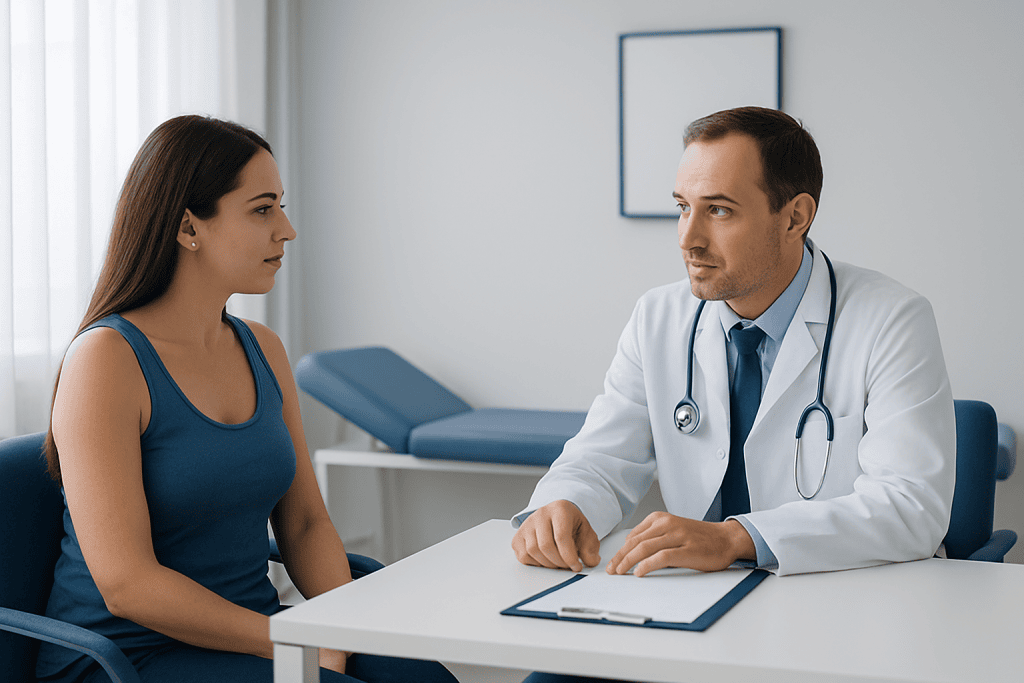
Preparation begins with a detailed consultation and an honest discussion of health status. The medical team may request blood tests, review medications and advise whether any medicines or supplements need adjustment before surgery. Patients should not stop prescribed medication independently; changes should be made only with guidance from the treating clinician and the doctor who prescribed it.
For patients travelling to Turkey, it is sensible to provide accurate medical records in advance and to ask about the proposed treatment plan, type of anaesthesia, expected length of stay, follow-up appointments and instructions for travelling after surgery. Arranging a companion, accessible accommodation and practical support for the first days after discharge can make recovery more manageable.
Hospital selection should include attention to surgeon credentials, anaesthesia care, infection-prevention practices, emergency facilities and continuity of care. JCI accreditation is one recognised international framework for hospital quality and patient-safety standards, although it does not replace individual assessment of the surgeon and treatment plan. Acibadem International’s multidisciplinary specialists and JCI-accredited hospitals support diagnosis, surgery and follow-up planning for international patients.
Patients should also confirm what documents they will receive before leaving, such as an operative summary, discharge instructions, medication list and contact details for post-operative questions. These records can be useful for a doctor at home if follow-up is needed after travel.
Arm Lift Procedure: Step by Step
On the day of surgery, the surgeon usually marks the arms while the patient is standing or seated. These markings guide the planned removal of skin and placement of scars. The patient then meets the anaesthesia team, who reviews relevant safety information and explains the anaesthetic plan. Arm lift surgery is commonly performed under general anaesthesia.
Once anaesthesia is in effect, the surgeon makes the planned incisions. The exact pattern may be limited to the underarm area for mild laxity or extend farther down the arm when more skin must be removed. Excess skin is removed, underlying tissue may be tightened or supported, and liposuction may be performed if it is appropriate to the individual plan.
The remaining skin is carefully redraped and closed with sutures. Dressings and a compression garment are usually applied to help reduce swelling and support healing. Some patients may have temporary drainage tubes, depending on the extent of surgery and the surgeon’s approach. The duration of surgery and whether an overnight stay is advised depend on the procedure and the person’s health needs.
Before discharge, the team provides instructions on dressing care, showering, arm positioning, activity limits, medicines and follow-up. It is important for patients to understand these instructions before leaving the hospital and to ask questions if anything is unclear.
Recovery Timeline, Benefits and Scarring
Recovery varies, but the first days usually involve swelling, bruising, tightness and discomfort that can be managed with the care plan prescribed by the surgical team. Patients generally need help with some daily tasks initially because lifting, stretching and reaching overhead can place tension on healing incisions. Wearing the recommended compression garment and attending scheduled reviews are important parts of recovery.
Many people can return to light, non-strenuous activities after a period advised by their surgeon, while exercise, heavy lifting and upper-body training require a longer pause. Swelling improves gradually over weeks, and the final contour continues to settle over several months. Travel plans should be individualised; patients should remain locally available for early post-operative assessment and receive specific clearance before flying.
Potential benefits include a firmer-looking upper-arm contour, less rubbing or skin-fold discomfort and greater comfort in fitted clothing. Results can be long-lasting when weight remains stable, although natural ageing continues. The trade-off is a permanent scar, which is initially more noticeable and often fades over time but never disappears completely.
Scar care should follow the surgeon’s advice. This may include keeping incisions clean, avoiding sun exposure on healing scars and using any recommended scar-management products only after the wounds are sufficiently healed. Patients should avoid comparing their early recovery with photographs online, as healing speed and scar maturation differ considerably between individuals.
Risks, Safety Considerations and When to Seek Medical Care
Like all surgery, arm lift procedures have risks. These can include bleeding, infection, fluid collection, delayed wound healing, changes in sensation, uneven contour, visible or widened scars, blood clots, anaesthesia-related complications and the possible need for revision surgery. A careful pre-operative assessment and adherence to recovery instructions can reduce risk, but cannot remove it completely.
Patients should seek urgent medical assessment if they develop chest pain, shortness of breath, fainting, sudden severe swelling, one-sided leg pain or swelling, or heavy bleeding. These symptoms may have causes unrelated to surgery, but they require prompt evaluation. Patients should also contact their surgical team without delay for fever, worsening redness, increasing warmth around an incision, pus-like drainage, severe or worsening pain, or a wound that opens.
When recovering abroad, it is especially important to know whom to contact at any hour and where emergency care is available. Before travelling home, patients should ask their surgeon about safe timing for flying, movement during travel, compression use and warning signs that require immediate care. If concerning symptoms develop after returning home, local urgent or emergency medical care should not be delayed.
Aftercare and Practical Planning for International Patients
International patients benefit from treating the trip as a medical recovery period rather than a holiday. Accommodation should be comfortable, close enough for follow-up visits and suitable for resting with the arms supported. Loose, front-opening clothing is often easier to manage than garments that need to be pulled over the head.
A written itinerary should leave enough flexibility for surgical review and unexpected changes in recovery. Patients should avoid carrying luggage, rushing through airports or scheduling demanding activities too soon. A companion can assist with transport, meals, communication and daily tasks during the early recovery period.
Before departure, patients should receive a copy of their care records and confirm how to contact the hospital after returning home. Continuing follow-up with a qualified clinician locally may be appropriate, particularly if wound checks, suture care or scar management are needed. Good communication between the patient, surgical team and local healthcare professionals supports safer continuity of care.
Frequently asked questions
Is an arm lift in Turkey safe?
Arm lift surgery can be performed safely when patients are properly assessed and the operation is carried out by an appropriately qualified plastic surgeon in a well-equipped hospital. Safety also depends on anaesthesia care, infection prevention, post-operative monitoring, clear travel advice and the patient following recovery instructions.
How long should a person stay in Turkey after an arm lift?
The appropriate stay varies according to the extent of surgery, individual healing and the surgeon’s follow-up schedule. Patients should remain available for early post-operative reviews and should only fly when their surgical team considers it medically appropriate.
Will an arm lift leave scars?
Yes. An arm lift requires incisions and therefore leaves permanent scars. The surgeon aims to place them as discreetly as possible, but scar length and position depend on the amount of excess skin that needs to be removed.
Can liposuction replace an arm lift?
Liposuction may be suitable for some people with localised upper-arm fat and good skin elasticity. When skin is loose or hangs significantly, liposuction alone may not achieve the desired contour, and an arm lift may be more appropriate.
When can a person exercise after arm lift surgery?
Light movement such as walking is often encouraged according to the surgical team’s advice, but strenuous exercise and heavy lifting are usually restricted during early healing. The return to upper-body exercise should be gradual and approved by the surgeon at follow-up.
Who may not be a suitable candidate for brachioplasty?
People with unstable weight, uncontrolled health conditions, active infection or factors that substantially affect wound healing may need to postpone surgery or consider other options. A consultation with a qualified plastic surgeon is needed to determine whether the procedure is appropriate.
References
- American Society of Plastic Surgeons
- International Society of Aesthetic Plastic Surgery
- Mayo Clinic
- Joint Commission International
- National Health Service
This article is for general information only and is not a substitute for professional medical advice. Please consult a qualified doctor about your individual situation.
Arm Lift in Turkey — costs, top hospitals & a free quote
JCI-accredited · board-certified surgeons · reply within 24h