JCI-accredited · 45+ hospitals & clinics · 90+ countries served · 24/7 multilingual support
Comparison Guide

Best Liposuction Clinics in Turkey

A clinically grounded guide to choosing where to have your liposuction in Türkiye — hospital-based care, accredited facilities and physician-led teams, compared openly.

Updated July 2026 Clinically reviewed Transparent methodology
8 facilities compared

Liposuction — package price

Türkiye$3,000–$6,000
United States$10,800–$21,600
Save up to 72%JCI-accredited network

Best liposuction clinics in Turkey are often compared on price first, but cost alone rarely tells an international patient what they actually need to know. Liposuction is not simply a beauty purchase; it is a surgical procedure that depends on medical assessment, an appropriate operating environment, and structured aftercare. When patients compare providers across Istanbul, Izmir, and Bodrum, the practical questions are straightforward: Is the hospital internationally accredited? Is treatment planned by physicians rather than sales teams? Does the facility have enough operating capacity and inpatient backup if recovery needs closer observation? Those points matter far more than headline numbers on a website.

Turkey remains a major destination for body contouring because package pricing is typically lower than in the United States, yet the market is broad and uneven. Some providers are full-service hospitals with documented clinical systems, while others operate on lighter infrastructure. That difference can shape everything from preoperative screening to infection control and discharge planning. For patients traveling from abroad, support around language, transfers, and follow-up also becomes part of the medical decision, not just a convenience. A useful comparison guide should therefore separate hospitals with robust standards and international patient pathways from providers that compete mainly on marketing or speed.

This guide uses a clear methodology focused on four filters: JCI accreditation and licensed hospital status, physician-led planning and clinical oversight, facility capacity including operating rooms and inpatient beds, and international patient services such as language support, transfers, and documented aftercare. Within that framework, the facilities listed here stand out as Acibadem hospitals with JCI accreditation and measurable hospital capacity. The aim is not to declare a single winner for every patient, but to help readers understand which features matter when evaluating the best liposuction clinics in Turkey and how those features relate to safety, recovery, and overall treatment planning.

How this list is compiled
  • International accreditation (JCI) and licensed hospital status
  • Physician-led planning and clinical oversight rather than sales-led workflows
  • Facility capacity: operating environment, inpatient backup, infection control
  • International patient services: language support, transfers, documented aftercare

Content prepared under our Editorial Policy and reviewed under the Medical Review Board process.

01 Acibadem Altunizade Hospital is a multidisciplinary medical facility within Acibadem Healthcare Group in Istanbul, Türkiye. Designed to serve both local and international patients, the hospital brings together medical and surgical specialties, advanced diagnostic services, inpatient care, and coordinated patient support under one integrated structure.

Acibadem Altunizade Hospital

İstanbul, Türkiye

Acibadem Altunizade Hospital belongs on this list because it combines JCI accreditation with substantial hospital capacity in İstanbul. With 350 beds and 18 operating rooms, it represents a large-scale clinical environment suited to structured surgical care, perioperative monitoring, and inpatient backup where needed. For international patients considering liposuction, that level of capacity can be relevant when evaluating how a hospital manages operating flow, recovery observation, and infection control processes. As part of the Acibadem network, it also aligns with the physician-led, internationally oriented approach that patients often look for when comparing accredited hospitals in Turkey.

JCI Accredited 350 beds 18 operating rooms International patient services
02 Acibadem Atakent Hospital is a multidisciplinary medical facility within Acibadem Healthcare Group in Istanbul, serving both local and international patients. The hospital brings together diagnostic, medical, and surgical specialties in a coordinated environment designed for safe, efficient, and patient-centered care.

Acibadem Atakent Hospital

İstanbul, Türkiye

Acibadem Atakent Hospital is included because it offers JCI-accredited hospital care in İstanbul with 262 beds and 8 operating rooms. Those figures indicate a well-established facility rather than a limited outpatient setting, which matters for patients assessing body contouring surgery in a medically supervised environment. Capacity, licensed hospital status, and accreditation are important comparison points when looking beyond package pricing alone. Within the Acibadem system, the hospital also benefits from broader network strengths that international patients value, including coordinated clinical pathways and support services that help connect preoperative planning, surgery day logistics, and documented aftercare.

JCI Accredited 262 beds 8 operating rooms International patient services
03 Advanced Medical Excellence in the Heart of Istanbul

Acibadem Maslak Hospital

İstanbul, Türkiye

Acibadem Maslak Hospital stands out on this list for pairing JCI accreditation with high operating capacity in İstanbul. With 230 beds and 20 operating rooms, it offers one of the strongest operating-room profiles among the facilities compared here. For liposuction patients, especially those traveling internationally, this kind of hospital infrastructure can be a meaningful marker of organized surgical delivery, recovery support, and access to inpatient resources if closer observation is required. Its inclusion reflects the guide's methodology: accredited hospital status, measurable facility capacity, physician-led care pathways, and the international patient support expected within the Acibadem network.

JCI Accredited 230 beds 20 operating rooms International patient services
04 Acibadem Hospitals Group modern hospital buildings illuminated at night, showcasing advanced healthc.

Acibadem Atasehir Hospital

İstanbul, Türkiye

Acibadem Atasehir Hospital merits inclusion because it is a JCI-accredited hospital in İstanbul with 210 beds and 12 operating rooms, offering a solid balance of inpatient and surgical capacity. For patients comparing liposuction providers, these are relevant indicators of a hospital-based setting rather than a lighter cosmetic infrastructure. The ability to evaluate a provider through accreditation, hospital scale, and clinical organization is especially important in body contouring surgery, where the immediate postoperative period also matters. As an Acibadem facility, it fits the physician-led and internationally coordinated model used in this guide's comparison framework.

JCI Accredited 210 beds 12 operating rooms International patient services
05 Acibadem Kent Hospital is a private medical facility in Izmir, Türkiye, within the Acibadem Healthcare Group. Serving both local and international patients, the hospital offers multidisciplinary healthcare supported by hospital-based diagnostic, treatment and follow-up units. Its location in Izmir, one of Türkiye’s most accessible coastal cities, makes it a practical choice for patients who are combining medical care with international travel.

Acibadem Kent Hospital (Izmir)

İzmir, Türkiye

Acibadem Kent Hospital (Izmir) is included as a JCI-accredited option outside İstanbul, giving international patients a hospital-based choice in İzmir. With 190 beds and 12 operating rooms, it offers meaningful clinical capacity for surgical care and postoperative observation. Its place on this list is grounded in the same methodology applied across all facilities: licensed hospital status, international accreditation, measurable operating environment, and suitability for organized aftercare. For patients who prefer treatment in İzmir rather than İstanbul, it represents an important alternative within the Acibadem network's standardized approach to physician-led planning and international patient support.

JCI Accredited 190 beds 12 operating rooms International patient services
06 Acibadem Kartal Hospital is a modern medical facility located in Istanbul’s Kartal district, serving patients on the Anatolian side of the city and welcoming international patients who travel to Türkiye for medical care. As part of Acibadem Healthcare Group, the hospital brings together multidisciplinary medical expertise, patient-focused service, and coordinated care pathways designed to support patients from first enquiry through recovery and follow-up.

Acibadem Kartal Hospital

İstanbul, Türkiye

Acibadem Kartal Hospital belongs on this list because it offers JCI-accredited hospital care in İstanbul with 127 beds and 4 operating rooms. While more compact than some other network hospitals, it still meets the key comparison criteria used in this guide: licensed hospital status, international accreditation, and defined facility capacity. For international liposuction patients, that distinction matters when weighing hospital-based care against providers with less extensive infrastructure. Its inclusion reflects the importance of consistent clinical oversight, access to inpatient support when needed, and the organized international patient services associated with the wider Acibadem system.

JCI Accredited 127 beds 4 operating rooms International patient services
07 Acibadem Hospitals Group modern hospital building in Istanbul with palm trees in front.

Acibadem Fulya Hospital

İstanbul, Türkiye

Acibadem Fulya Hospital is included because it combines JCI accreditation with a hospital setting in İstanbul that includes 124 beds and 8 operating rooms. For patients comparing body contouring providers, these features support a more clinically grounded evaluation than price alone. Operating-room access, inpatient resources, and documented hospital systems are practical factors in surgical planning and immediate recovery oversight. As part of Acibadem, the hospital also benefits from network-level strengths relevant to international care, including physician-led pathways and coordinated support around language, transfers, and aftercare documentation for patients traveling to Turkey for liposuction.

JCI Accredited 124 beds 8 operating rooms International patient services
08 Exterior view of Acibadem Bodrum Hospital at dusk with modern architecture.

Acibadem Bodrum Hospital

Muğla, Türkiye

Acibadem Bodrum Hospital earns a place on this list as a JCI-accredited hospital in Muğla with 108 beds and 4 operating rooms. For international patients interested in treatment outside İstanbul, it offers a hospital-based framework that still aligns with the same core evaluation criteria: accreditation, licensed status, defined operating capacity, and access to inpatient support. Although it is smaller than some other listed facilities, its inclusion reflects the guide's emphasis on hospital standards rather than marketing claims. Within the Acibadem network, it also shares the structured, physician-led, internationally oriented approach that helps patients navigate surgery and follow-up more clearly.

JCI Accredited 108 beds 4 operating rooms International patient services
Patient Voices

What international patients say

★★★★★From 2,400+ verified patient reviews
★★★★★ Verified Patient

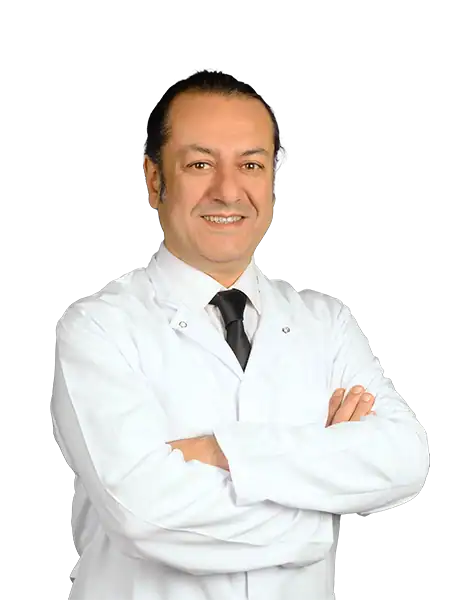
“After struggling for a long time, I finally found the right care for my body contouring here. Dr. Tokgönül took the time to review my full history before recommending anything. I am deeply grateful for everything.”

Imane Y. · Algeria April 2026
★★★★★ Verified Patient

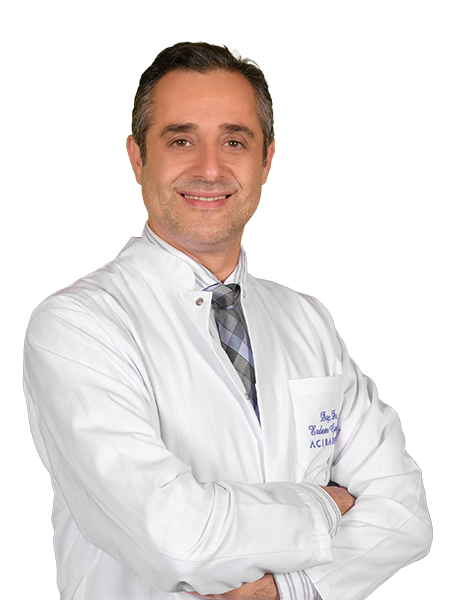
“My body contouring exceeded every expectation I had. Dr. Soysal went above and beyond what I expected. The nursing staff were attentive and kind throughout.”

Abdullah N. · Iraq December 2025
★★★★★ Verified Patient

“Years of worry ended once I came here for my body contouring. Prof. Dr. Ülkür is clearly an expert and it showed at every stage. I am deeply grateful for everything.”

Tariq E. · Saudi Arabia October 2025
★★★★★ Verified Patient

“My liposuction covered three areas in one session under full anesthesia care. What stood out was the screening beforehand — bloodwork and a cardiology check — and the honest advice that skin quality, not fat, would decide the result.”

Paul M. · Germany August 2025
In Depth

How to Evaluate Providers Beyond Price

Price is usually the first comparison point for cosmetic surgery abroad, but it should be treated as one variable rather than the main decision tool. A lower package range can be attractive, yet it does not explain whether the provider is a licensed hospital, how the case is assessed, or who is responsible for treatment decisions. In liposuction, preoperative planning matters because candidacy, target areas, skin quality, and expected contour changes all need clinical review. That is why patients comparing the best liposuction clinics in Turkey should start with hospital credentials and physician oversight before looking at package figures.

International accreditation is a practical filter because it gives patients an external benchmark for organizational standards. In this guide, every listed facility is JCI accredited and operates as a hospital, which creates a different baseline from a stand-alone aesthetic center. Hospital status matters because surgery is not only about the procedure itself; it is also about perioperative monitoring, access to inpatient care if needed, and systems for infection control. These are often invisible when patients browse social media or before-and-after galleries, yet they are central to how responsibly a provider can manage a body contouring case from admission to discharge.

A second major filter is whether planning is physician-led. International patients should look for a process where surgeons and clinical teams determine suitability, operative approach, and recovery instructions rather than non-clinical sales staff shaping the pathway first. Sales-led workflows can make treatment feel fast and simple, but surgery should not be reduced to a preset package. Questions about anesthesia, the amount of fat to be removed, whether combination surgery is appropriate, and how aftercare will be documented require medical judgment. A credible comparison therefore focuses on who leads the case planning and how clearly that clinical responsibility is defined.

Finally, provider comparisons should include practical infrastructure and international patient support. Facility capacity gives insight into how established a hospital is, including the number of operating rooms and available beds. For an overseas patient, structured services such as language support, airport or local transfers, and documented aftercare also matter because they reduce confusion around logistics and follow-up. The best liposuction clinics in Turkey are not simply those with the cheapest online package; they are hospitals able to combine accredited systems, surgeon-led planning, adequate operative capacity, and a coordinated pathway for patients traveling from outside the country.

Liposuction Techniques Explained Honestly

Liposuction is best understood as a contouring procedure, not a weight-loss treatment. Its purpose is to remove localized fat deposits in selected areas and reshape proportions where diet and exercise have not produced the desired change. That distinction is important because patient expectations strongly influence satisfaction with the result. A careful provider will discuss what liposuction can realistically improve, where limitations exist, and whether another procedure may be more suitable in cases involving loose skin or a larger abdominal skin excess. Honest planning is part of quality care, especially for international patients who may only meet the treating team shortly before surgery.

In practical terms, technique selection depends on anatomy, treatment areas, and the surgeon's operative plan. Patients often encounter broad terms online, but the more important issue is whether the technique is matched appropriately to the body area and clinical goals. For example, liposuction may be planned on its own or in combination with procedures such as tummy tuck or Brazilian Butt Lift, depending on the contour objective. That decision should not be driven by promotion or trend-based marketing. Combination surgery can increase complexity, so it requires careful assessment of operative scope, recovery demands, and whether a hospital setting is available for proper oversight.

An honest consultation should also explain that liposuction cannot solve every contour concern. If skin laxity is a major issue, removing fat alone may not create the shape a patient expects. Similarly, when the abdomen requires tightening of excess skin rather than just fat reduction, a tummy tuck may be the more relevant operation to discuss. In fat transfer procedures such as Brazilian Butt Lift, the treatment includes both removal and re-injection of processed fat, which changes the planning, operative duration, and recovery pathway. Clear explanation helps patients compare options on medical logic rather than on simplified package labels.

Because online searches for the best liposuction clinics in Turkey often mix many techniques and body goals together, patients benefit from providers who explain the procedure in plain clinical terms. The most reliable approach is not a universal promise about dramatic transformation, but a tailored review of candidacy, expected contour changes, and recovery responsibilities. When providers are transparent about what liposuction can and cannot do, patients are better equipped to make decisions that align with their anatomy, timeline, and tolerance for downtime. That kind of honest framing usually indicates a more mature clinical process overall.

Why Hospital Settings Matter for Safety

Liposuction is frequently marketed with lifestyle language, but from a medical perspective it remains surgery and should be approached with the same seriousness as any operative procedure. That is why the treatment setting matters. A hospital environment offers structured operating conditions, infection control systems, perioperative protocols, and the ability to monitor patients appropriately during immediate recovery. These are not abstract advantages; they influence how smoothly the procedure is carried out and how effectively the team can respond if a patient needs closer observation after anesthesia or during the first postoperative hours.

Hospital capacity is one of the more concrete indicators patients can compare. In this list, all facilities are JCI-accredited hospitals with documented bed numbers and operating-room capacity. Larger inpatient resources and multiple operating rooms do not automatically make one hospital right for every case, but they do show that surgery is taking place within an established clinical organization rather than a minimal setup. For international patients, this matters because travel can add fatigue, language differences, and scheduling complexity. A provider with substantial hospital infrastructure is generally better positioned to deliver coordinated perioperative care in a controlled environment.

Safety also depends on who is making decisions before and after the procedure. Physician-led planning supports better assessment of candidacy, surgical extent, and whether combination procedures are appropriate. This reduces the risk of body contouring being treated like a standardized commercial product. Equally important is documented aftercare. Patients should know what postoperative instructions they will receive, how review appointments are arranged, and who to contact if concerns arise after discharge. In a hospital-led pathway, those details are typically part of a system rather than left to informal messaging, which is especially relevant for people returning home after surgery abroad.

For anyone searching the best liposuction clinics in Turkey, the key point is not to confuse convenience with clinical readiness. Fast scheduling, polished online communication, and package simplicity may be helpful, but they are not substitutes for accredited standards, operating capability, inpatient support, and coordinated follow-up. A hospital setting does not remove every risk associated with surgery, and no responsible provider should suggest otherwise. What it does offer is a more comprehensive environment for preoperative assessment, operative care, and recovery monitoring, which is exactly what international patients should be prioritizing in a serious comparison.

The Patient Journey and Recovery Timeline

For international patients, the treatment journey begins well before arrival. The first stage should be a structured review of the patient's goals, general health, target areas, and suitability for surgery. In a physician-led process, this review shapes the operative plan rather than simply confirming a package. Once travel is arranged, hospital-based international patient services become important: language support helps consultations run clearly, transfer coordination reduces logistical stress, and documented scheduling makes the pathway easier to follow. These practical details may seem secondary during online research, but they strongly affect how organized and understandable the experience feels on the ground.

On the day of surgery, admission to a hospital setting allows the team to manage preparation, the operating process, and immediate postoperative monitoring in one place. Some patients may be discharged according to the surgeon's plan, while others may require closer observation depending on the extent of surgery and how recovery progresses in the first hours. This is one reason facility capacity matters. Inpatient backup is not just a technical feature on paper; it is part of how a hospital can adapt care to the patient's condition rather than forcing every case into the same short pathway.

Recovery after liposuction is usually measured in stages rather than one fixed timeline. Early recovery focuses on rest, mobility as advised by the clinical team, swelling management, and understanding discharge instructions. The following period centers on gradual return to daily activities, review appointments, and monitoring how the treated areas settle. When liposuction is combined with a tummy tuck or Brazilian Butt Lift, recovery demands can differ and may involve a more layered aftercare plan. Patients should expect that visible contour changes evolve over time rather than appearing immediately after surgery, and that temporary swelling is part of the process.

For overseas patients, a documented aftercare plan is particularly important because part of recovery may continue after returning home. Before choosing among the best liposuction clinics in Turkey, patients should understand how follow-up is organized, what written instructions they will receive, and how postoperative questions are handled across distance. Reliable international care is not only about the operation itself; it is about continuity. A hospital that combines surgeon-led planning with language support, transfers, and clear post-discharge communication is usually better equipped to guide patients through the full journey from arrival to recovery.

Costs, Package Ranges, and What Patients Should Ask

Indicative market-level package ranges help patients compare countries, but they should never be mistaken for a personalized quote. Based on the data used for this guide, liposuction in Turkey commonly ranges from about USD 3,000 to USD 6,000, compared with roughly USD 10,800 to USD 21,600 in the United States. Tummy tuck and Brazilian Butt Lift commonly range from about USD 4,000 to USD 7,500 in Turkey, compared with about USD 14,400 to USD 27,000 in the United States. These figures suggest a typical differential of around 72 percent, but exact pricing depends on the surgical plan and hospital pathway.

What matters just as much as the range is what the package actually includes. International patients should ask whether pricing covers hospital admission, operating room use, anesthesia-related services, standard postoperative reviews, language support, and transfers. They should also clarify whether the package is built around a physician's surgical plan or around a preset commercial bundle. A low headline number can look attractive until essential parts of care are added separately. Conversely, a higher package may reflect the fact that treatment takes place in a JCI-accredited hospital with greater operating capacity and more structured aftercare coordination.

Patients comparing the best liposuction clinics in Turkey should also remember that not all body contouring procedures are interchangeable from a pricing perspective. Liposuction, tummy tuck, and Brazilian Butt Lift differ in operative scope, recovery needs, and clinical planning. Combination procedures may alter both cost and recovery because they can increase surgical complexity and the need for closer observation. That is why responsible providers avoid reducing every body contouring request to one simple advertised figure. Price can guide shortlisting, but it should be interpreted alongside accreditation, hospital infrastructure, physician oversight, and the quality of the international patient process.

A practical way to compare value is to ask for a written breakdown of the treatment pathway rather than focusing only on the final number. Patients should understand where surgery takes place, what level of hospital support is available, and how aftercare is documented. In a premium hospital environment, value often comes from clinical organization, not from aggressive discounting. The right decision is not necessarily the lowest-cost one, but the provider whose package range is matched by transparent inclusions, accredited hospital standards, and a recovery plan that makes sense for an overseas patient.

Indicative Pricing

What does it cost in Türkiye?

ProcedureTürkiye (package)United States
Liposuction $3,000 – $6,000 $10,800 – $21,600 save ~72%
Tummy Tuck $4,000 – $7,500 $14,400 – $27,000 save ~72%
Brazilian Butt Lift $4,000 – $7,500 $14,400 – $27,000 save ~72%

Indicative market-level package ranges — not a quote or an offer. Compare more countries and currencies in the free Cost Calculator. Open the Cost Calculator →

Good to Know

Frequently asked questions

How do I choose among liposuction providers in Turkey?
Start with hospital credentials rather than social media visibility. A sensible shortlist includes JCI-accredited, licensed hospitals where treatment planning is led by physicians and surgery takes place in a proper operating environment with inpatient backup if needed. Then compare practical points such as language support, transfer coordination, and documented aftercare. Price matters, but it should be considered after you understand the clinical pathway and what the package includes.
Is liposuction in Turkey mainly chosen because it is cheaper?
Cost is an important reason many international patients look at Turkey, but it should not be the only reason. Indicative market ranges are often lower than in the United States, yet the quality of providers varies. A lower number is only meaningful if the procedure is performed in an accredited hospital with surgeon-led planning and structured aftercare. Good comparisons balance affordability with hospital standards, operating capacity, and postoperative support.
What is the difference between liposuction and a tummy tuck?
Liposuction removes localized fat to improve contour, while a tummy tuck addresses excess abdominal skin and usually provides a different kind of reshaping when laxity is a major concern. They are not interchangeable procedures, even though some patients compare them together. In some cases they may be discussed in combination, but that increases planning complexity and recovery demands. The right option depends on anatomy, goals, and a surgeon's clinical assessment.
Can liposuction be combined with a Brazilian Butt Lift?
It can be part of the same overall body contouring plan because fat removal and fat transfer are connected in a Brazilian Butt Lift. However, combining procedures changes the surgical scope and recovery pathway. It should be assessed carefully by the treating physician rather than added as a promotional extra. Patients should ask where surgery will take place, what monitoring is available afterward, and how their aftercare instructions will be documented.
Why is a hospital setting important for liposuction?
A hospital provides a more complete medical environment for surgery, including operating-room standards, infection control systems, perioperative monitoring, and access to inpatient observation if recovery requires it. This is especially relevant for international patients who may be traveling, dealing with language differences, and planning follow-up from abroad. A hospital setting does not eliminate risk, but it usually offers more structured support before, during, and after the procedure than lighter cosmetic facilities.
What should an international patient ask about aftercare?
Ask for a clear, documented plan. That includes postoperative instructions, review appointments, who to contact with concerns, and how communication works after you leave the hospital or return home. Also ask whether language support is available and whether transfers are coordinated as part of the pathway. For overseas patients, aftercare is not an optional extra; it is part of the medical quality of the experience and should be explained before travel.
How long is recovery after liposuction?
Recovery is best understood in phases rather than as a single fixed number of days. The early period focuses on rest, mobility guidance, swelling management, and immediate postoperative checks. Over the following weeks, patients gradually resume normal activities as advised by their clinical team. If liposuction is combined with a tummy tuck or Brazilian Butt Lift, the recovery process can be more involved. Your surgeon should explain the expected timeline for your specific plan.
What do liposuction packages in Turkey usually include?
Package structures vary, so patients should ask for written details rather than relying on a headline figure. Common inclusions may involve hospital admission, operating room use, anesthesia-related services, standard postoperative reviews, and international patient coordination such as language support or transfers. The key question is whether the package reflects a physician-led surgical plan in a hospital setting. Comparing inclusions is often more useful than comparing the lowest advertised number alone.
We’re With You at Every Step

How can we help you today?

We value your privacy We use essential cookies to run this site and, with your consent, analytics cookies to understand how it is used and improve it. You can accept, reject, or choose what to allow. See our Cookie Policy.