The safety story: what changed and what to demand
The turning point in BBL safety was anatomical consensus: fatal fat embolism traced overwhelmingly to intramuscular injection, and the professional response was unambiguous, subcutaneous placement only. Modern practice adds instrumentation to that rule: larger cannulas that resist unintended depth, injection with the cannula in motion, and increasingly ultrasound guidance that lets the surgeon see the layer in real time rather than trust feel.
These are not marketing niceties; they are the checklist. Ask any prospective provider three questions in writing: Where do you place fat, and do you use ultrasound guidance? What volume limits do you observe per session? Where does the operation happen and what happens if a complication occurs? A modern practice answers all three fluently and in writing. Hesitation on any of them, or volume promises that outrun safety, is a complete answer in itself.
What a BBL involves: liposuction plus transfer
A BBL is two operations in sequence: liposuction, typically from the abdomen, flanks and back, followed by processing and re-injection of your own fat into the buttocks and hips. That makes it body contouring in the round: much of the visual result comes from the harvesting as much as the transfer. It also means the liposuction half deserves its own scrutiny, technique, volumes and safe practice are compared on the liposuction in Turkey page.
Honest biology, stated plainly: not all transferred fat survives. A meaningful fraction is resorbed in the first months, experienced surgeons plan for it, and the settled result is judged around six months. Anyone promising a precise per-cent survival or a guaranteed size is selling certainty that the biology does not offer. Candidacy has honest limits too: very lean patients simply lack donor fat, and a provider who says so is showing you their standards.
What a BBL costs in Turkey, and what moves it
Turkish BBL pricing typically lands at a fraction of UK or US quotes: the band on this page is an indicative market range. What moves the figure: the number of liposuction zones harvested, ultrasound guidance, theatre and anaesthesia time, the hospital setting and monitored nights, compression garments, and the follow-up structure included.
Read quotes with the safety lens first: a rock-bottom BBL price is most cheaply achieved by cutting exactly the things this page insists on, hospital setting, monitoring, guided placement, conservative volumes. In this operation more than any other on this site, the discount question and the safety question are the same question.
Choosing the surgeon and setting: the checks that matter
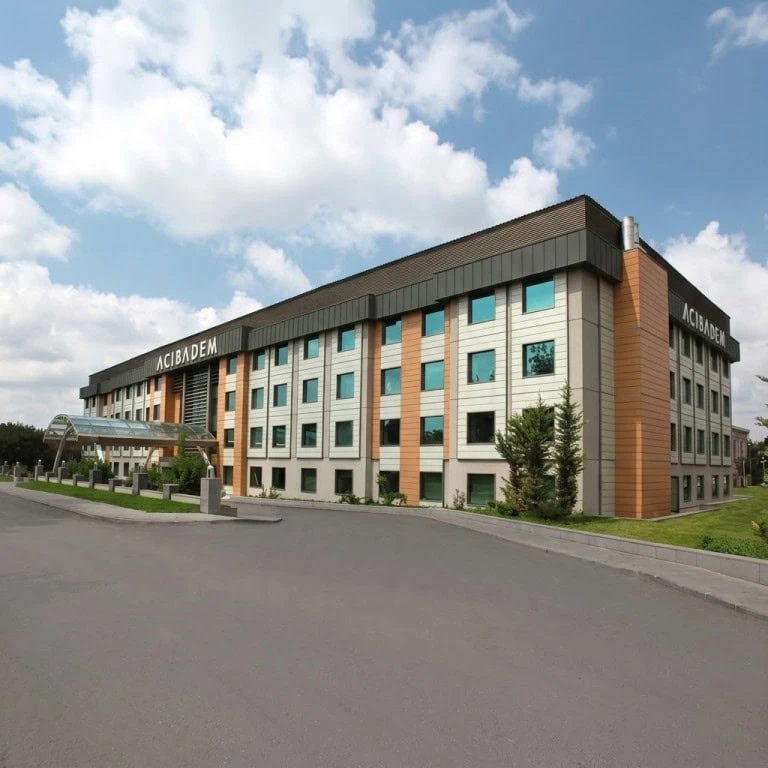
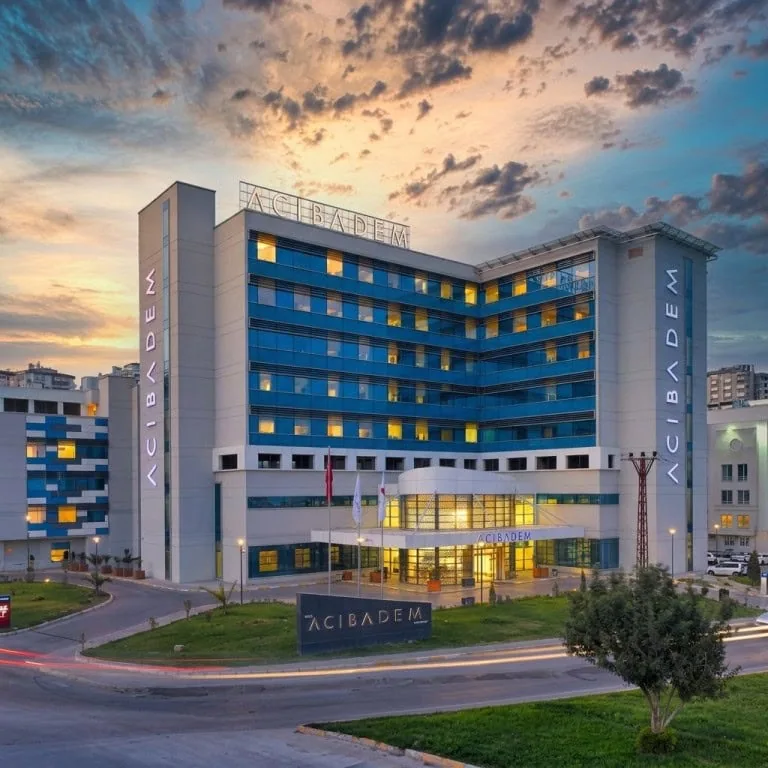
Board certification in plastic surgery, verified by name. BBL-specific volume and the surgeon's own safety protocol, described to you in their words: placement layer, guidance method, volume policy. Results on bodies like yours at six months and later, photographed from angles that show hip and buttock together. And the setting, non-negotiable: a licensed hospital with a certified anaesthesia department and intensive care on the same campus, because combined liposuction-plus-transfer is hours of surgery with real fluid shifts.
The consultation itself is a test: a surgeon who measures your donor fat honestly, tempers volume expectations, and explains their embolism-prevention practice unprompted is operating in the post-consensus world. One who quotes a dramatic size from two photographs is not.
The journey and the recovery that makes BBL different
Records first: photographs and history to the operating surgeon, itemised plan and quote in writing. On site: examination, tests, then surgery of several hours under general anaesthesia with at least one monitored hospital night. Most international patients plan ten to fourteen days in Türkiye for drain-free wound care, garment fitting and the pre-flight review.
Then the famous constraint: no direct sitting or back-sleeping for weeks, because pressure kills newly transferred fat. Practically that means side-sleeping, a BBL pillow for essential sitting, and a lifestyle plan for the first month, worth arranging before surgery, not after. Compression garments run for weeks; the settled result is judged around six months, with photographic follow-up at intervals. The return flight itself needs planning around the sitting restriction: a detail that tells you immediately whether a programme has done this properly before.
Frequently asked questions
Is a BBL safe in Turkey?
A BBL is as safe as its technique and setting, in any country: subcutaneous-only placement, ideally ultrasound-guided, conservative volumes, a licensed hospital with intensive care, and a board-certified surgeon. Providers meeting that standard exist in Turkey at a fraction of Western prices; the checklist on this page identifies them.
How much does a BBL cost in Turkey?
Typically a fraction of UK or US quotes: the range shown is an indicative market band. Your figure follows a surgeon's review of donor fat and goals, itemised in writing. Treat dramatic discounts in this specific operation as a safety question, not a bargain.
What makes the BBL riskier than other cosmetic surgery?
Fat entering deep gluteal veins can travel to the lungs: the mechanism behind the operation's historical fatality rate. Modern subcutaneous-only technique with guidance addresses exactly this, which is why placement and guidance are the first questions to ask any provider.
How long do I need to stay in Turkey?
Commonly ten to fourteen days: surgery with monitored hospital care, wound and garment management, and the pre-flight review, plus a return journey planned around the no-sitting rule. The clearance to fly is your surgeon's call.
How long until I can sit normally?
Direct sitting is restricted for weeks, commonly around six, with a BBL pillow for essentials in between. The restriction protects graft survival; a programme that hands you a written sitting-and-sleeping protocol is protecting your result.
How much of the transferred fat survives?
A meaningful fraction resorbs in the first months; what remains at around six months is essentially your result. Experienced surgeons plan volumes with that biology in mind, and no honest one guarantees a percentage or a size.
Can I have a BBL if I am slim?
Only if you have enough donor fat to harvest, very lean patients often do not, and an honest examination says so. Composite alternatives exist and deserve a surgeon-level conversation; a provider who finds every enquirer a perfect candidate is answering a different question than yours.
What should a BBL package include?
Hospital surgery with monitored stay, anaesthesia, garments, medications, transfers, a written recovery protocol including the sitting rule, and structured follow-up with a named contact, itemised in writing, with the complication pathway stated. Anything vague at quote stage stays vague later.