Aromatherapy: An Evidence-Based Guide for Patients

Aromatherapy may help with relaxation, mood, sleep, and some mild symptoms, but results vary from person to person. Essential oils are highly concentrated and can cause skin irritation, breathing symptoms, or allergic reactions if used incorrectly.
Key Takeaways
- Aromatherapy may help with relaxation, mood, sleep, and some mild symptoms, but results vary from person to person.
- Essential oils are highly concentrated and can cause skin irritation, breathing symptoms, or allergic reactions if used incorrectly.
- Aromatherapy should be used as a complementary approach, not as a substitute for prescribed treatment or medical evaluation.
- Some oils are not safe during pregnancy, for infants, for people with asthma, or when used around pets.
- Safe use includes dilution, avoiding ingestion unless specifically supervised by a qualified clinician, and stopping use if symptoms occur.
Aromatherapy is the use of concentrated plant oils, called essential oils, to support well-being, most often through smell or skin application. Evidence suggests it may help some people relax or cope with mild symptoms such as stress, nausea, or poor sleep, but it is not a cure for disease and should be used carefully.
What aromatherapy is and what it can realistically do
Aromatherapy is the use of essential oils extracted from plants to support comfort and well-being. These oils may be inhaled, added to a diffuser, or diluted and applied to the skin in products such as massage oils. In patient care, aromatherapy is generally considered a complementary practice, meaning it may be used alongside standard medical treatment rather than in place of it.
The effects of aromatherapy are thought to come mainly from scent and the body’s sensory response. Smell is closely connected to areas of the brain involved in emotion, memory, and stress responses. Because of this, certain scents may help some people feel calmer, more settled, or more comfortable in specific situations, such as before sleep or during recovery from illness.
Research on aromatherapy shows mixed but meaningful results for selected symptoms. Some studies suggest benefit for stress, anxiety, sleep quality, and nausea, while evidence for treating medical conditions directly is limited. A helpful way to think about aromatherapy is as a supportive tool that may improve comfort for some people, especially when chosen carefully and used safely.
How aromatherapy is used
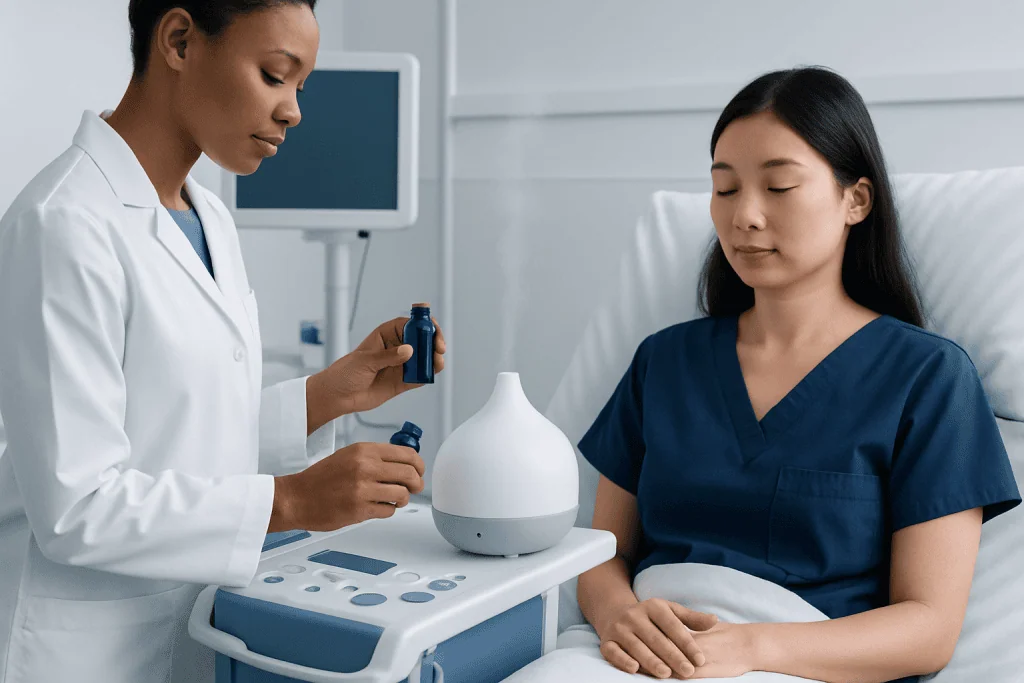
There are several ways aromatherapy may be used. The most common is inhalation, either by smelling a tissue or cotton pad with a few drops of essential oil, or by using a room diffuser. Inhalation is often preferred because it avoids direct skin contact and is easier to control.
Another common method is topical use, usually through a carrier oil such as almond, coconut, or jojoba oil. Essential oils should not be applied directly to the skin unless a healthcare professional gives specific advice, because undiluted oils can irritate the skin or trigger a reaction. Massage with diluted oils may combine the effects of touch, rest, and scent, which can all influence how a person feels.
People may use aromatherapy for different goals, including:
- Relaxation during stress or emotional tension
- Support for sleep routines
- Relief of mild nausea or feeling unsettled
- Creating a calming environment during recovery or self-care
- Enhancing comfort during therapies such as massage or breathing exercises
Essential oils should not be swallowed unless this is specifically directed and supervised by a qualified medical professional. “Natural” does not always mean safe. Many essential oils are potent chemical mixtures, and improper use can cause harm.
Potential benefits: what the evidence suggests
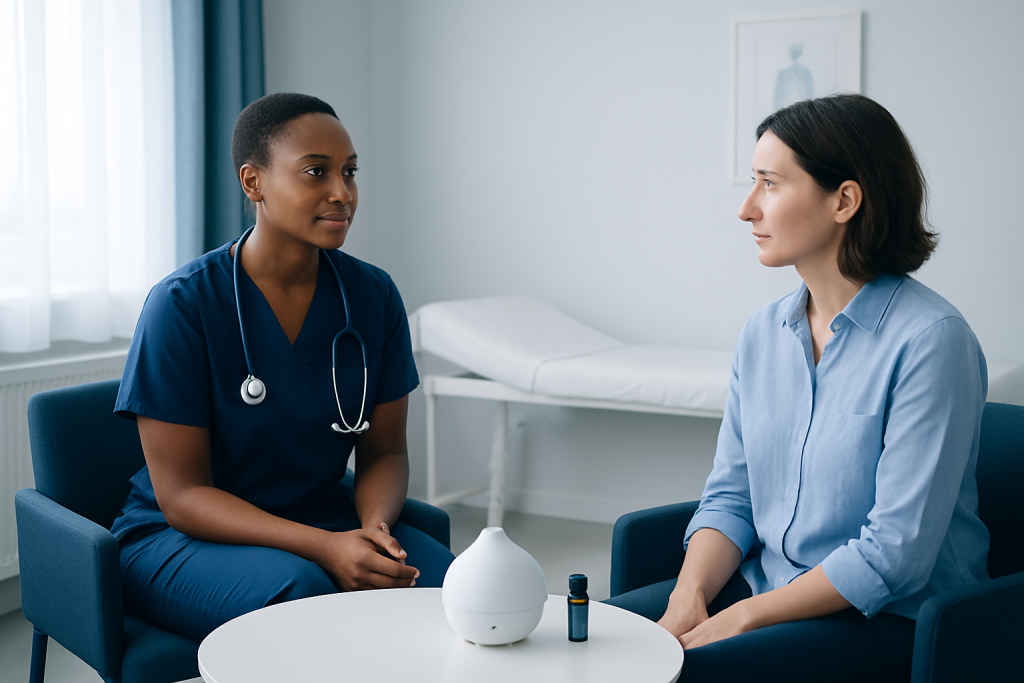
The strongest support for aromatherapy is generally for symptom relief rather than disease treatment. For example, some people report reduced stress or anxiety with lavender or similar calming scents. In hospitals and clinics, aromatherapy is sometimes used as part of a broader comfort plan for patients dealing with temporary stress, sleep difficulty, or treatment-related nausea.
There is also some evidence that aromatherapy may help with nausea in certain settings, such as after surgery or during treatment-related discomfort. However, these effects are usually modest and should be seen as supportive rather than primary treatment. If nausea is ongoing, severe, or associated with dehydration, pain, or weight loss, medical evaluation is important.
Sleep is another area where aromatherapy may be useful for some individuals. A regular bedtime routine, a cool dark room, and good sleep habits are still the foundation of better sleep, but scent may be one part of a calming routine. For persistent or severe sleep problems, a clinician may assess for issues such as stress disorders, medication effects, or sleep apnea.
Some people also explore aromatherapy as part of a broader approach to stress-related headaches, muscle tension, or emotional strain. In these situations, benefit often comes from combining several supportive strategies rather than relying on scent alone. Depending on symptoms, a doctor may suggest lifestyle measures, counseling, or other treatments such as physical therapy and rehabilitation when muscle tension and posture contribute to discomfort.
Risks, side effects, and who should be cautious
Although aromatherapy is widely used, it is not risk-free. Essential oils can cause skin irritation, headaches, eye irritation, nausea, or breathing symptoms in sensitive individuals. Strong fragrances may worsen symptoms in people with asthma, chronic lung conditions, or scent-triggered migraines.
Topical use can lead to redness, burning, itching, or allergic contact dermatitis, especially if an oil is used undiluted. Citrus oils may also increase the skin’s sensitivity to sunlight. Oils should be kept away from the eyes, mouth, and broken skin, and hands should be washed after handling them.
Special caution is needed for children, pregnant or breastfeeding women, older adults, and people with epilepsy, asthma, allergies, or complex medical conditions. Not all oils are appropriate in these groups, and safety information can vary. Pets may also be affected by airborne or spilled oils, so home use should be considered carefully.
Ingestion is an especially important safety concern. Swallowing essential oils can cause poisoning, liver stress, or other serious complications. Anyone with symptoms after exposure should stop using the product and seek urgent medical advice. If symptoms involve trouble breathing, severe vomiting, fainting, or confusion, emergency care is needed.
How to use aromatherapy more safely
Safer aromatherapy starts with choosing a reputable product and using the smallest effective amount. It is helpful to begin with one oil at a time so that any reaction can be recognized more easily. Rooms should be well ventilated, and diffusers should be used for limited periods rather than continuously.
For skin use, essential oils should be diluted in a carrier oil before application. A patch test on a small area of skin can help identify irritation before broader use. If redness, stinging, or itching develops, the oil should be washed off and not used again unless a clinician advises otherwise.
General safety steps include:
- Do not ingest essential oils without medical supervision
- Keep oils out of reach of children
- Avoid contact with eyes and mucous membranes
- Do not apply undiluted oils directly to the skin
- Stop use if wheezing, rash, dizziness, or headache occurs
- Ask a doctor or pharmacist if there are concerns about pregnancy, asthma, allergies, or chronic illness
If aromatherapy is being considered during treatment for cancer, neurological conditions, severe pain, or mental health concerns, it is sensible to discuss it with the treating team first. This helps ensure that symptom changes are not overlooked and that supportive care fits safely within the overall treatment plan.
Aromatherapy as part of a broader care plan
Aromatherapy is most useful when it is integrated into a wider approach to health. For stress, that might include sleep hygiene, exercise, mindfulness, counseling, or psychotherapy when emotional symptoms are persistent. For pain or tension, it may be paired with stretching, posture support, hydration, or medical assessment when needed.
It is also important to understand what aromatherapy cannot do. It does not treat infections, replace asthma inhalers, lower blood pressure in a reliable way, or cure anxiety disorders, depression, or chronic insomnia on its own. If symptoms are ongoing or disruptive, medical evaluation can help identify the cause and guide effective treatment.
For example, breathlessness, persistent cough, and wheezing should not be attributed only to fragrance sensitivity or stress. These symptoms may need assessment for conditions such as asthma or other respiratory problems. Likewise, ongoing nausea, unexplained fatigue, or repeated headaches deserve proper evaluation rather than long-term self-treatment with essential oils alone.
In some settings, aromatherapy may also be used alongside structured supportive therapies, including relaxation training, massage, or pain management strategies. A clinician can help decide whether it is a reasonable addition based on a person’s health history, current medications, and treatment goals.
When to seek medical care
Medical advice should be sought if symptoms are severe, keep returning, or interfere with daily life. Aromatherapy may offer comfort, but it should not delay diagnosis of an underlying problem. A doctor can help determine whether a symptom is likely to be stress-related or whether it needs further testing or treatment.
Prompt medical care is important for chest pain, shortness of breath, severe allergic reactions, fainting, seizures, confusion, or signs of poisoning after essential oil exposure. Care is also advisable if a rash is widespread, the eyes have been exposed, or a child has come into contact with or swallowed an oil.
A person should also speak with a healthcare professional before using aromatherapy if they are pregnant, breastfeeding, managing asthma or epilepsy, receiving cancer treatment, or caring for a young child. Near the end of a care journey, patients who need coordinated evaluation can benefit from centers where multiple specialties work together. Acibadem International’s multidisciplinary specialists and JCI-accredited hospitals diagnose and treat related symptoms and underlying conditions for international patients.
Frequently asked questions
Does aromatherapy really work?
Aromatherapy may help some people feel more relaxed or less bothered by mild symptoms such as stress, nausea, or sleep difficulty. Its effects are usually supportive rather than curative, and the evidence is stronger for comfort than for treating disease.
Is aromatherapy safe for everyone?
No. Some people can develop skin irritation, headaches, or breathing symptoms, and certain groups need extra caution, including children, pregnant women, and people with asthma or epilepsy. It is best to ask a healthcare professional if there are any medical concerns.
Can essential oils be applied directly to the skin?
Essential oils usually should not be applied directly to the skin because they are highly concentrated. They are generally diluted in a carrier oil first, and a patch test may help check for sensitivity.
Can essential oils be taken by mouth?
Essential oils should not be swallowed unless a qualified clinician has specifically advised and supervised this. Ingestion can be dangerous and may cause poisoning or other serious health problems.
Which symptoms are most commonly supported by aromatherapy?
People commonly use aromatherapy for relaxation, mild stress, sleep support, and temporary nausea. Some also use it as part of self-care for tension, but it should not replace medical treatment for persistent symptoms.
When should someone stop using aromatherapy?
Use should stop if there is rash, burning, wheezing, dizziness, headache, nausea, or any symptom that seems to worsen after exposure. Medical advice is especially important if breathing difficulty, severe reactions, or accidental ingestion occurs.
References
- National Center for Complementary and Integrative Health
- World Health Organization
- Mayo Clinic
- American Academy of Dermatology
- Cochrane
This article is for general information only and is not a substitute for professional medical advice. Please consult a qualified doctor about your individual situation.
Persistent digestive symptoms? Get evaluated in Turkey
JCI-accredited · board-certified surgeons · reply within 24h