At Home Testosterone Test: An Evidence-Based Guide for Patients

An at home testosterone test may help screen testosterone levels, but it is not a complete diagnosis. Morning testing and careful sample collection are important because testosterone changes during the day.
Key Takeaways
- An at home testosterone test may help screen testosterone levels, but it is not a complete diagnosis.
- Morning testing and careful sample collection are important because testosterone changes during the day.
- A single low result should usually be confirmed with repeat laboratory testing and clinical evaluation.
- Symptoms such as fatigue, low libido, mood changes, or reduced muscle mass are not specific to testosterone alone.
- Medical review is especially important if symptoms are significant, persistent, or linked with fertility, sexual function, or pituitary concerns.
An at home testosterone test can be a convenient first step for checking hormone levels, but it does not diagnose a condition on its own. Accurate use, correct timing, and follow-up with a qualified doctor are important because testosterone levels vary and symptoms can have many causes.
Overview: What an At Home Testosterone Test Can and Cannot Do
An at home testosterone test is designed to measure testosterone from a sample collected outside a clinic, usually saliva or a small blood sample from a finger prick. For many people, it offers a convenient way to begin exploring symptoms such as low sex drive, fatigue, reduced exercise performance, or changes in mood. The main value of home testing is screening, not diagnosis.
Testosterone is a hormone that affects sexual development, libido, muscle and bone health, red blood cell production, and overall well-being. Levels can vary with age, sleep, stress, illness, body weight, medications, and time of day. Because of this normal variation, one result rarely tells the full story.
Home tests can be useful when they are ordered from a reliable provider and used exactly as instructed. However, results must be interpreted in context. A normal reading does not always explain symptoms, and a low reading does not automatically mean a person has hormone deficiency. In many cases, a doctor will recommend repeat morning testing and a broader review of health history before making decisions.
Who Might Consider Home Testing
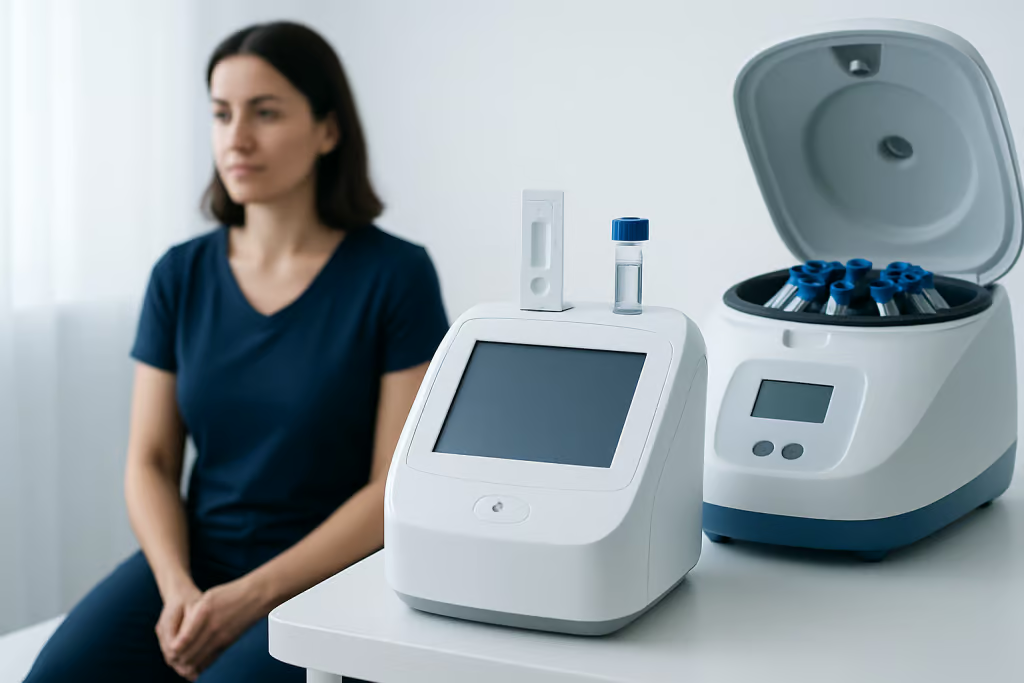
People usually consider an at home testosterone test when they have symptoms that may be related to hormone imbalance. These can include lower libido, erectile difficulties, low energy, decreased muscle mass, poor recovery from exercise, reduced body hair, trouble concentrating, or low mood. Some patients also seek testing because of infertility concerns or because they have risk factors for hormonal problems.
There are also situations in which home testing may be less helpful as a first step. People with known pituitary disease, testicular disease, complex medication use, or multiple hormonal symptoms often benefit more from direct medical evaluation. This is because testosterone does not act in isolation, and related hormones may need testing at the same time.
A home test may be reasonable for adults who want an initial screen and do not have urgent symptoms. It is particularly important to remember that symptoms commonly linked to low testosterone can overlap with thyroid disease, depression, sleep apnea, obesity, diabetes, chronic illness, and some medications. For some patients, a doctor may also evaluate related conditions such as prostate cancer or reproductive concerns depending on age, symptoms, and examination findings.
How At Home Testosterone Tests Work

Most at home testosterone tests use either saliva or capillary blood from a finger prick. Blood-based kits are generally more comparable to standard laboratory hormone testing because testosterone is commonly measured in blood. Saliva tests may be marketed as simple alternatives, but interpretation can be less straightforward, especially when comparing results with standard medical thresholds.
Each kit has its own instructions, but the process usually includes registering the kit, collecting the sample at home, packaging it properly, and mailing it to a laboratory. The report may show total testosterone, and in some cases it may include other measurements such as free testosterone, sex hormone-binding globulin, or additional wellness markers. Patients should check whether the laboratory is appropriately accredited and whether a clinician reviews the result.
Timing matters. Testosterone is usually highest in the morning, especially in younger men, so many clinicians prefer testing early in the day. It is also best to avoid testing during acute illness, major sleep disruption, or unusual stress if possible, because these can temporarily affect results.
- Blood-based home tests are usually more clinically useful than saliva-only testing.
- Morning collection is often preferred for the most meaningful result.
- Following sample instructions closely helps reduce collection errors.
- Abnormal findings often need confirmation with a standard laboratory blood test.
How to Interpret the Results Safely
The most important point about interpretation is that a number alone is not a diagnosis. Laboratories may use different reference ranges, and a result should be read in relation to age, sex, symptoms, medical history, and the type of sample used. What is considered low or borderline in one setting may not mean the same thing in another.
Doctors usually look for both symptoms and consistently low testosterone on properly timed tests before diagnosing testosterone deficiency. If a home test suggests a low level, the next step is often repeat morning blood testing through a standard laboratory. A clinician may also order luteinizing hormone, follicle-stimulating hormone, prolactin, thyroid tests, iron studies, or other tests to identify the cause.
Results can also be affected by obesity, poor sleep, heavy alcohol use, opioid medicines, corticosteroids, intense endurance training, or untreated chronic disease. In some people, the issue may involve total testosterone, while in others it may be more helpful to assess free testosterone and binding proteins. This is one reason why self-interpreting online reports can be misleading without clinical guidance.
Common Reasons Testosterone May Be Low
Low testosterone can result from problems in the testes, where testosterone is produced, or from issues involving the pituitary gland and hypothalamus, which regulate hormone signaling. These patterns are often described as primary and secondary hypogonadism. Identifying the pattern matters because the causes, long-term outlook, and treatment options may differ.
Common contributing factors include aging, obesity, type 2 diabetes, chronic inflammatory illness, significant stress, overtraining, poor sleep, obstructive sleep apnea, and certain medicines. Past testicular injury, chemotherapy, genetic conditions, pituitary tumors, and high prolactin levels may also reduce testosterone. Some patients may have related concerns that overlap with erectile dysfunction, reduced fertility, or changes in body composition.
Because symptoms overlap, clinicians do not rely on testosterone results alone. They may evaluate general metabolic health, sleep quality, sexual function, mood, and reproductive goals. If fertility is a concern, a broader reproductive assessment may be needed, sometimes alongside fertility evaluation and treatment when clinically appropriate.
What Happens After an Abnormal Home Test
If an at home testosterone test comes back low or borderline, the next step is usually not immediate treatment. Instead, a doctor typically reviews symptoms, current medicines, alcohol and substance use, exercise habits, sleep patterns, weight changes, and reproductive plans. A repeat morning serum testosterone test is often recommended to confirm whether the finding is consistent.
Further assessment may include physical examination and tests that help locate the cause. Depending on the situation, doctors may check blood count, blood sugar, liver function, thyroid function, prolactin, and pituitary hormones. If symptoms point to a structural problem, targeted imaging or specialist referral can be considered. For complex endocrine concerns, a hospital-based workup may include MRI or other investigations if pituitary disease is suspected.
Treatment depends on the underlying reason, not only on the number. Some people improve when sleep apnea is treated, weight is addressed, medication side effects are managed, or chronic illness is stabilized. Others may be candidates for hormone therapy after proper evaluation, especially if they have repeated low levels and clear symptoms. Men who may have prostate-related symptoms or age-related urinary issues can sometimes need parallel evaluation, occasionally including prostate-related treatment if another diagnosis is found.
Treatment, Self-Care, and Limits of Testosterone Therapy
When true testosterone deficiency is confirmed, treatment is individualized. Testosterone replacement may help selected patients with symptoms and consistently low levels, but it is not suitable for everyone. Doctors consider age, fertility goals, cardiovascular history, blood count, prostate health, sleep apnea, and the reason the level is low before recommending therapy.
It is also important to know that testosterone therapy can reduce sperm production, so it may not be the right option for people trying to conceive. In those cases, doctors may explore other strategies depending on the cause of the hormone imbalance. This is one reason why self-starting supplements or hormones without supervision is not advised.
Supportive measures can also improve hormone health and overall well-being. These include regular sleep, weight management, resistance exercise, management of diabetes or metabolic disease, limiting excess alcohol, and review of medicines that may affect hormones. Near the end of the care pathway, some patients choose specialist assessment at centers such as Acibadem International, where multidisciplinary teams in JCI-accredited hospitals evaluate hormonal and reproductive concerns for international patients.
When to Seek Medical Care
Medical advice is recommended if symptoms are persistent, worsening, or affecting daily life, sexual health, mood, strength, or fertility. A home test can be a useful starting point, but it should not replace professional assessment when symptoms are significant.
Prompt medical review is especially important for people with headaches, vision changes, breast enlargement, marked loss of body hair, testicular pain or shrinkage, infertility, or symptoms of severe depression. Care is also important if there is a history of pituitary disease, cancer treatment, major head trauma, or long-term opioid or steroid use.
Anyone using testosterone obtained without medical supervision should speak to a qualified clinician. Ongoing monitoring is important because testosterone treatment can affect blood count, fertility, and other aspects of health. A doctor can explain whether the result is clinically meaningful and what the safest next step should be.
Frequently asked questions
Are at home testosterone tests accurate?
They can be useful for screening, especially if they use blood samples and are processed by a reliable laboratory. However, accuracy depends on proper collection, timing, and the type of test used. Abnormal results usually need confirmation with a standard laboratory blood test.
What time of day should a testosterone test be done?
Testosterone is often highest in the morning, so early-day testing is usually preferred. This matters most in younger and middle-aged men, but timing still helps improve consistency. Following the kit instructions closely is important.
Can one low home test diagnose low testosterone?
No. Doctors usually diagnose testosterone deficiency only when symptoms are present and low levels are confirmed on repeat testing. One isolated result may reflect temporary factors such as poor sleep, stress, or illness.
What symptoms may suggest low testosterone?
Possible symptoms include lower libido, erectile difficulties, fatigue, low mood, reduced muscle mass, and decreased exercise recovery. These symptoms are not specific and can also occur with thyroid disease, depression, sleep problems, or chronic illness. That is why medical interpretation is important.
Is saliva testing as good as blood testing for testosterone?
Blood testing is generally more clinically useful because standard testosterone diagnosis is based on blood measurements. Saliva testing may be convenient, but the results can be harder to compare with routine medical thresholds. A doctor may recommend follow-up blood testing if there is any concern.
Should someone start testosterone treatment based on a home test result?
No, treatment should not begin based only on a home test report. Testosterone therapy requires medical review because the causes of low testosterone vary and the treatment is not appropriate for everyone. Monitoring is also needed to assess benefits, risks, and fertility effects.
References
- Endocrine Society
- American Urological Association
- National Institute of Diabetes and Digestive and Kidney Diseases
- MedlinePlus
- Mayo Clinic
This article is for general information only and is not a substitute for professional medical advice. Please consult a qualified doctor about your individual situation.
Explore treatments in Turkey — costs, top hospitals & a free quote
JCI-accredited · board-certified surgeons · reply within 24h