Gss Disease: Diagnosis, Outlook, and Modern Treatment Approaches

GSS disease is an inherited prion disease caused by changes in the PRNP gene. Early symptoms often involve balance problems, unsteady walking, and coordination difficulties.
Key Takeaways
- GSS disease is an inherited prion disease caused by changes in the PRNP gene.
- Early symptoms often involve balance problems, unsteady walking, and coordination difficulties.
- There is no cure yet, but modern care can help manage symptoms and support quality of life.
- Genetic counseling is important for affected families because the condition can run in families.
- Specialist assessment helps distinguish GSS disease from other neurodegenerative or movement disorders.
GSS disease is a very rare inherited prion disorder that gradually affects balance, movement, speech, and thinking. Diagnosis usually combines a neurological evaluation, family history, brain imaging, and genetic testing, while treatment focuses on symptom relief, safety, and supportive care.
Overview of GSS disease
GSS disease, short for Gerstmann-Sträussler-Scheinker syndrome, is a rare inherited disorder in the prion disease group. It affects the brain and nervous system over time, most often causing gradually worsening balance problems, coordination difficulties, speech changes, and later cognitive decline. Although it is serious, many people first experience subtle symptoms that can resemble other neurological conditions, which is why specialist assessment is important.
Unlike more common brain disorders, GSS disease is linked to changes in the PRNP gene. These gene changes lead to abnormal prion protein folding, which damages nerve cells. The condition is usually passed down in an autosomal dominant pattern, meaning a person who carries the gene change may pass it to their children.
GSS disease is not the same as sporadic Creutzfeldt-Jakob disease, which often progresses more rapidly. In many cases, GSS develops more slowly, sometimes over several years. This slower course can make diagnosis challenging, especially early on, because symptoms may overlap with Parkinson’s disease, hereditary ataxias, or other neurodegenerative disorders.
Symptoms and how the condition may progress
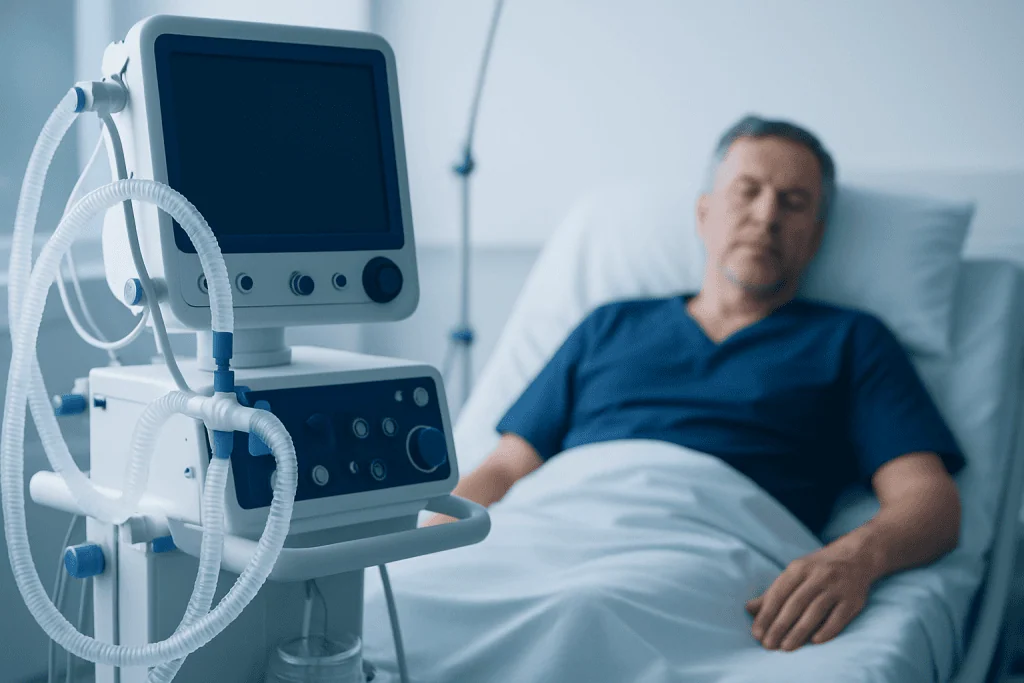
The symptoms of GSS disease vary from person to person and can differ even within the same family. In many patients, the first signs are related to coordination rather than memory. Common early symptoms include unsteady walking, poor balance, clumsiness, leg stiffness, tremor, and slurred speech. Some people also notice changes in mood, sleep, or concentration.
As the disease progresses, neurological symptoms may become more noticeable. These can include worsening ataxia, muscle stiffness, difficulty swallowing, involuntary movements, weakness, and problems with speech. Cognitive symptoms such as memory loss, slower thinking, reduced judgment, or behavioral changes may appear later, although the pattern is not identical in every case.
Families often ask how quickly GSS disease progresses. There is no single timeline. Some people decline gradually over years, while others worsen more quickly. Because the course is variable, regular follow-up with neurology, rehabilitation, and supportive care teams can help adjust treatment as needs change.
- Early signs often include gait imbalance and coordination problems.
- Speech and swallowing difficulties may develop over time.
- Cognitive changes can occur, but they are not always the first symptom.
- Progression differs between individuals and families.
Causes, inheritance, and risk factors
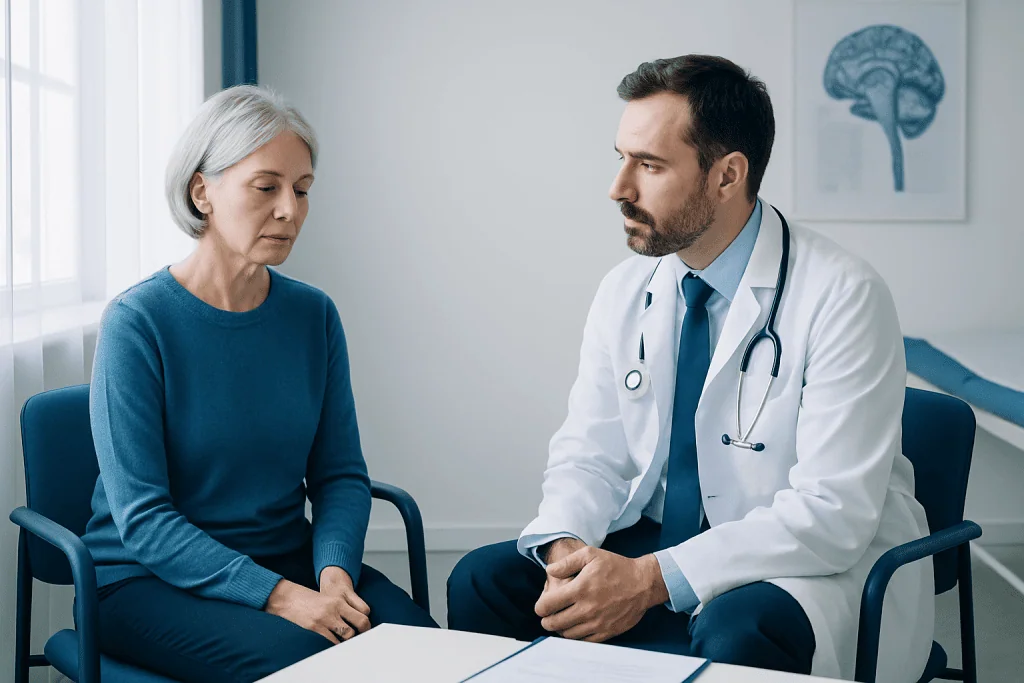
The main cause of GSS disease is a pathogenic variant in the PRNP gene, which provides instructions for making prion protein. In this condition, the protein folds abnormally and accumulates in the brain, leading to progressive nerve cell injury. This is why GSS is classified as an inherited prion disease.
The most important risk factor is family history. GSS disease usually follows an autosomal dominant inheritance pattern, so a person with an affected parent may have a higher chance of inheriting the altered gene. However, not everyone in a family will have exactly the same symptoms, age at onset, or speed of progression.
It is also important to understand what does not cause GSS disease. It is not caused by lifestyle, diet, stress, or a common infection. People do not develop it from ordinary social contact. Because the condition is genetic and rare, families may benefit from consultation with specialists in genetic diseases evaluation and counseling to better understand testing, inheritance, and family planning.
How GSS disease is diagnosed
Diagnosing GSS disease usually starts with a careful neurological assessment. A doctor will ask about symptoms, when they began, how they have changed, and whether similar problems have affected other family members. The examination often focuses on walking, coordination, reflexes, speech, eye movements, strength, and cognition.
There is no single routine test that confirms every case at the first visit. Doctors may use brain MRI, blood tests, and sometimes spinal fluid studies to help rule out other causes of ataxia or dementia. Neuropsychological testing may also be used to evaluate memory, attention, language, and executive function. If seizures or unusual episodes are present, an EEG may be considered.
Genetic testing for PRNP plays a central role when GSS disease is suspected, especially if there is a family history or a clinical pattern suggestive of inherited prion disease. Imaging can be helpful in excluding alternative conditions and assessing the nervous system, and some patients may undergo MRI evaluation as part of the work-up. In select cases, additional testing helps distinguish GSS from other disorders such as hereditary ataxia, atypical parkinsonism, or Alzheimer’s disease.
Because GSS is so rare, diagnosis is often made in specialized neurology centers with experience in neurodegenerative disease. A multidisciplinary approach can improve accuracy and help patients and families understand what the results mean in practical terms.
Modern treatment approaches and supportive care
At present, there is no cure that stops or reverses GSS disease. Modern treatment therefore focuses on managing symptoms, maintaining function, and supporting quality of life. Care is usually individualized because different people are affected in different ways and at different stages.
Symptom-based treatment may include medicines to help with stiffness, tremor, mood symptoms, sleep problems, or other complications when appropriate. Rehabilitation is often a major part of care. Physical therapy can help with balance, strength, mobility, and fall prevention, while speech and language therapy may support communication and swallowing. Occupational therapy can help patients adapt daily activities and improve safety at home.
For patients with significant mobility or coordination problems, structured physical therapy and rehabilitation may help preserve independence for as long as possible. If swallowing becomes difficult, doctors may recommend dietary changes and assessment by a swallowing specialist. Nutritional support and careful monitoring for aspiration risk are also important.
Emotional and practical support matter as much as medical treatment. Counseling, social work support, and advance care planning can help patients and families prepare for changing needs over time. Near the end of the care pathway, some families may also discuss palliative care services, which focus on comfort, symptom control, and dignity.
Living with GSS disease: self-care and family planning
Although self-care cannot prevent the genetic cause of GSS disease, it can make daily life safer and more manageable. Fall prevention is especially important. Simple measures such as removing loose rugs, improving home lighting, using handrails, and wearing stable footwear may reduce the risk of injury. Assistive devices may also become useful as walking changes.
Good nutrition, hydration, sleep, and routine follow-up support overall well-being. Patients may benefit from a regular schedule, manageable physical activity suited to their ability, and communication strategies if speech becomes difficult. Families often find it helpful to keep a symptom diary to track changes in balance, swallowing, memory, mood, or mobility before clinic visits.
Because GSS disease is inherited, family planning and genetic counseling are central concerns for many people. Relatives may want to discuss whether predictive testing is appropriate and what the emotional, medical, and ethical implications may be. These decisions are personal and should be guided by a qualified genetics and neurology team.
For international patients seeking coordinated neurological evaluation, Acibadem International’s multidisciplinary specialists in JCI-accredited hospitals diagnose and treat rare neurodegenerative conditions with individualized supportive care planning.
When to seek medical care
Medical attention is important when a person develops unexplained balance problems, repeated falls, slurred speech, worsening coordination, or new cognitive changes. These symptoms do not always mean GSS disease, but they should be assessed by a doctor, especially if there is a known family history of an inherited neurological disorder.
Urgent evaluation is needed if symptoms suddenly worsen, swallowing becomes difficult, breathing problems appear, or there are signs of injury after a fall. New confusion, marked weakness, or an abrupt change in consciousness also deserves prompt medical review because another treatable condition may be present.
In general, earlier specialist assessment can help clarify the diagnosis, rule out other causes, and start supportive care sooner. Even when there is no cure, timely rehabilitation, symptom management, and family guidance can make an important difference in day-to-day quality of life.
Frequently asked questions
What is GSS disease?
GSS disease is a rare inherited prion disorder that gradually affects the brain and nervous system. It commonly causes balance and coordination problems first, and later may affect speech, swallowing, movement, and thinking.
Is GSS disease hereditary?
Yes. GSS disease is usually inherited through a change in the PRNP gene. It often follows an autosomal dominant pattern, so a family history can be an important clue, although symptoms may vary between relatives.
How is GSS disease diagnosed?
Diagnosis is based on a combination of neurological examination, symptom history, family history, brain imaging, and genetic testing. Doctors may also use other tests to rule out conditions that can look similar, such as hereditary ataxias or other neurodegenerative disorders.
Is there a cure for GSS disease?
There is currently no cure that can stop the disease process. Treatment focuses on relieving symptoms, improving safety, supporting mobility and swallowing, and helping patients maintain quality of life for as long as possible.
How long can someone live with GSS disease?
The outlook varies widely from person to person. Some people live with gradual progression over several years, while others decline more quickly, so regular follow-up is important to adjust care to the individual’s needs.
Can GSS disease be prevented?
The genetic cause itself cannot be prevented through lifestyle changes. However, genetic counseling can help families understand inheritance, testing options, and reproductive decisions, while early supportive care may help reduce complications.
References
- National Institute of Neurological Disorders and Stroke
- National Organization for Rare Disorders
- Genetics Home Reference / MedlinePlus Genetics
- World Health Organization
- Mayo Clinic
This article is for general information only and is not a substitute for professional medical advice. Please consult a qualified doctor about your individual situation.
Explore treatments in Turkey — costs, top hospitals & a free quote
JCI-accredited · board-certified surgeons · reply within 24h

More from the Health Library

Related Specialists
Assoc. Prof. Dr. Bahadır Topuz
Urology
Dr. Mehrdad Rezaeımıyandoab
Radiology
Assoc. Prof. Dr. Ceren Yıldız Eren
Gynecology & Obstetrics
Prof. Dr. Mehmet Cihat Ünlü
Gynecology & Obstetrics