Discomfort in Buttocks: A Complete Medical Overview

Discomfort in buttocks may result from muscle strain, nerve irritation, joint problems, skin conditions, or pressure from prolonged sitting. The pattern of symptoms matters: pain with sitting, pain radiating down the leg, numbness, swelling, or skin changes can point to different causes.
Key Takeaways
- Discomfort in buttocks may result from muscle strain, nerve irritation, joint problems, skin conditions, or pressure from prolonged sitting.
- The pattern of symptoms matters: pain with sitting, pain radiating down the leg, numbness, swelling, or skin changes can point to different causes.
- Diagnosis often starts with a history and physical exam, with imaging or nerve tests used when symptoms persist or warning signs are present.
- Treatment depends on the cause and may include activity changes, physical therapy, medicines, injections, or, less commonly, surgery.
- Urgent medical care is needed for severe weakness, loss of bowel or bladder control, fever with pain, or sudden swelling after injury.
Discomfort in buttocks is a common symptom rather than a diagnosis. It can come from muscles, joints, nerves, skin, or nearby structures, and most cases improve once the underlying cause is identified and treated appropriately.
Overview: What discomfort in buttocks can mean
Discomfort in buttocks usually refers to pain, aching, pressure, burning, soreness, or tenderness felt in one or both buttocks. In many people, the symptom comes from a simple and treatable cause such as muscle strain, prolonged sitting, or irritation of a nearby nerve. In others, it may reflect a problem in the lower back, hip, sacroiliac joint, skin, or blood vessels.
The buttock area contains large muscles, tendons, ligaments, nerves, and fatty tissue. It also lies close to the lower spine and pelvis. Because several structures can cause similar symptoms, the exact location, timing, and type of discomfort often provide important clues. For example, pain that shoots down the back of the leg may suggest sciatica, while deep aching near the hip may point to a joint or tendon problem.
Most cases are not dangerous, but buttock discomfort should not be ignored if it is severe, lasts more than a few weeks, keeps returning, or comes with numbness, weakness, fever, swelling, or changes in bowel or bladder function. A proper evaluation helps rule out less common but more serious causes and guides the safest treatment plan.
Common symptoms and patterns
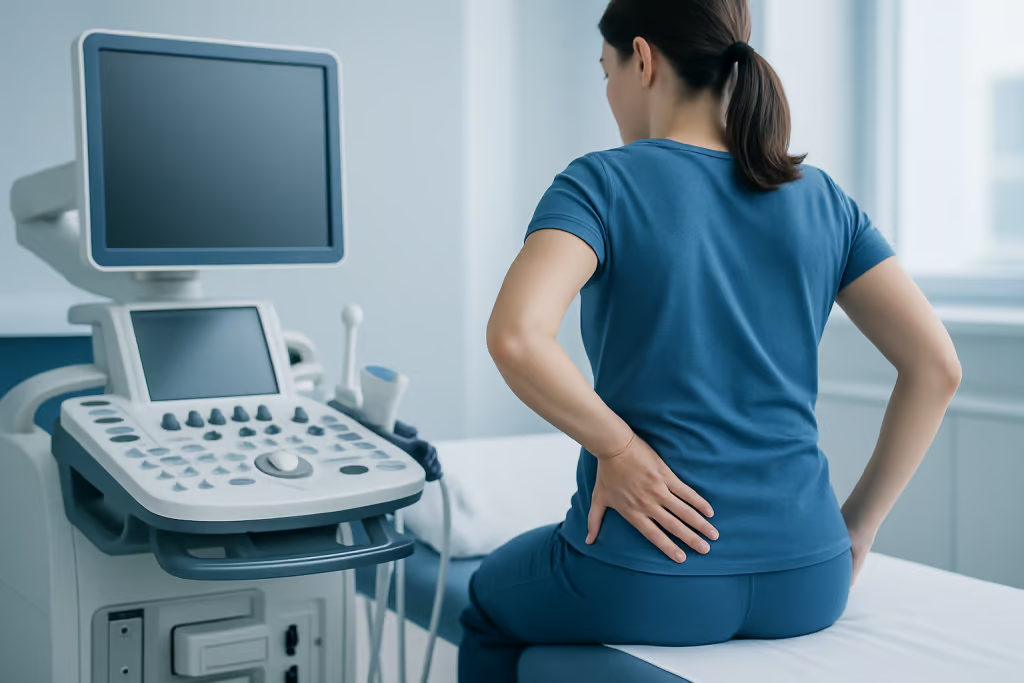
Discomfort in buttocks can feel different from person to person. Some describe a dull ache after sitting for a long time, while others notice sharp pain when standing up, climbing stairs, exercising, or turning in bed. Burning, tingling, cramping, and a bruised sensation are also common descriptions.
The symptom pattern often helps narrow the cause. Nerve-related pain may travel from the lower back into the buttock and down the leg. Muscle-related pain is often worse with movement, exercise, or direct pressure on the area. Joint-related pain can be felt deep in the buttock and may worsen when walking, standing on one leg, or changing positions.
A clinician may ask about associated symptoms such as:
- Low back pain
- Pain radiating into the thigh or calf
- Numbness or pins-and-needles
- Weakness in the leg or foot
- Pain when sitting, especially on hard surfaces
- Swelling, redness, or warmth
- Skin rash, boils, or drainage
- Fever, weight loss, or night pain
Noticing when the discomfort starts, what worsens it, and what relieves it can be very helpful before a medical visit. Even small details, such as whether the pain began after exercise, travel, a fall, or a new sitting routine, can guide diagnosis.
Causes and risk factors

One of the most common reasons for discomfort in buttocks is strain or overuse of the gluteal muscles. This may happen after exercise, lifting, sudden twisting, running hills, or a long period of inactivity followed by intense activity. Tenderness with movement and soreness after exertion often support this explanation. Tendon irritation around the hip, including gluteal tendinopathy, may also cause pain that is felt in the outer or back part of the buttock.
Nerve irritation is another frequent cause. The sciatic nerve runs through the buttock and down the leg, so pressure from a herniated disc, spinal narrowing, or tight surrounding muscles can create burning pain, tingling, or numbness. Some people have pain related to the piriformis muscle, which can irritate the sciatic nerve in the buttock region. Symptoms linked to the lower spine may overlap with lumbar disc herniation.
Problems in nearby joints can also refer pain to the buttock. Sacroiliac joint irritation, <a href="https://acibademinternational.com/diseases/hip-osteoarthritis/”>hip osteoarthritis, bursitis, or inflammation around the pelvis may all be felt there. People may notice stiffness in the morning, pain with walking, or discomfort when getting up from a chair. Less commonly, tailbone pain, pelvic floor disorders, or problems after injections can contribute.
Skin and soft tissue conditions should also be considered. Pressure sores, boils, abscesses, bruising, or inflamed cysts may cause localized pain, especially if there is redness, swelling, drainage, or fever. Other risk factors that increase the chance of buttock discomfort include prolonged sitting, repetitive sports, obesity, poor posture, previous back or hip problems, pregnancy, trauma, and aging-related wear in the spine or joints.
How doctors diagnose the cause
Diagnosis begins with a detailed medical history and physical examination. A doctor usually asks where the discomfort is felt, how long it has been present, whether it radiates, and what movements or positions affect it. Questions about recent injuries, exercise changes, work posture, fever, skin symptoms, and bowel or bladder changes help identify important clues.
During the examination, the clinician may check posture, walking, hip motion, lower back movement, muscle tenderness, reflexes, strength, and sensation in the legs. Pressing on specific areas can help distinguish between muscle strain, joint pain, and soft tissue problems. Simple bedside tests may reproduce sciatica-like pain or show whether the hip or sacroiliac joint is involved.
Many people do not need immediate scans. However, imaging or other tests may be useful when symptoms are severe, persistent, unexplained, or associated with red flags. These may include X-rays, ultrasound, CT, or MRI to evaluate the spine, hip, or soft tissues. If nerve involvement is suspected, additional neurological assessment or specialized tests may be recommended.
The goal of diagnosis is not only to name the problem, but also to rule out urgent conditions such as fracture, infection, deep soft-tissue abscess, major nerve compression, or vascular problems. This careful approach helps avoid unnecessary treatment and ensures that serious causes are not missed.
Treatment options for relief and recovery
Treatment for discomfort in buttocks depends on the cause. For minor muscle strain or pressure-related soreness, doctors often recommend a short period of activity modification, avoiding positions that trigger pain, and gradually returning to normal movement. Gentle stretching and strengthening may be advised once acute pain begins to settle. Long periods of bed rest are usually not helpful and can sometimes prolong recovery.
Medicines may be used to manage pain and inflammation, depending on the person’s age, medical history, and diagnosis. In some cases, heat or cold therapy can provide short-term relief. When the problem is linked to posture, gait, or muscle imbalance, physical therapy and rehabilitation can be a central part of care, helping improve flexibility, core support, and movement patterns.
If symptoms come from the spine, advanced care may be needed. For example, persistent nerve pain from a disc problem may be evaluated in relation to herniated disc surgery if non-surgical treatments are not effective and there is significant weakness or ongoing disability. Injections around the spine, hip, or sacroiliac joint may also be considered in selected cases to reduce inflammation or clarify the source of pain.
Skin infections, cysts, or abscesses require a different approach and may need drainage, wound care, or antibiotics under medical supervision. Surgery is uncommon for most causes of buttock discomfort, but it may be appropriate when there is a structural issue that does not improve with conservative care. Near the end of the care pathway, some patients benefit from evaluation by multidisciplinary teams; Acibadem International’s specialists in JCI-accredited hospitals diagnose and treat related spine, nerve, orthopedic, and soft tissue conditions for international patients.
Self-care, prevention, and daily habits
Many episodes of discomfort in buttocks can be eased or prevented with simple daily habits. Changing position regularly is especially important for people who sit for long periods at work, during travel, or at home. Standing up, walking briefly, and adjusting posture every 30 to 60 minutes can reduce pressure on muscles and nerves. A supportive chair or cushion may also help in some cases.
Regular physical activity supports the muscles of the back, hips, and pelvis. Gentle strengthening of the core and gluteal muscles, along with stretching of the hips and hamstrings, can improve movement and lower the risk of strain. Warm-up before exercise and increasing intensity gradually are practical ways to avoid overuse injuries. If discomfort is already present, a clinician or therapist can suggest exercises that are appropriate for the likely cause.
Weight management, good lifting technique, and attention to footwear can also reduce stress on the lower back and hips. People with recurrent symptoms should review their workstation, car seat position, sleep surface, and exercise habits. If one-sided pain persists, self-treatment should not be continued indefinitely without assessment, because problems involving the spine or hip may need specific medical guidance.
When to seek medical care
Medical care is advisable if discomfort in buttocks lasts more than a few weeks, keeps returning, limits walking or sitting, or does not improve with rest and simple home measures. An appointment is also sensible when the pain began after a fall, sports injury, or heavy lifting, especially if daily function is affected.
More urgent evaluation is needed if the pain is severe or comes with leg weakness, numbness, loss of bowel or bladder control, fever, unexplained weight loss, or pain that wakes a person from sleep regularly. Redness, warmth, swelling, or drainage from the skin may suggest an infection or abscess and should be assessed promptly. Sudden major bruising or swelling after trauma should also be checked.
Emergency care may be necessary if there is rapidly worsening weakness, inability to walk, signs of a serious infection, or symptoms of major nerve compression. Early assessment can make treatment easier and may help prevent complications. A qualified doctor can determine whether the symptom is most likely muscular, neurological, orthopedic, dermatologic, or related to another underlying condition.
Frequently asked questions
Is discomfort in buttocks usually serious?
Most cases are not serious and are linked to muscle strain, prolonged sitting, or temporary nerve irritation. However, persistent, severe, or unusual symptoms should be evaluated, especially if they include weakness, numbness, fever, or bowel or bladder changes.
Can sciatica cause pain in the buttocks?
Yes. Sciatica commonly causes pain that starts in the lower back or buttock and may travel down the back of the leg. The discomfort may feel sharp, burning, or tingling, and it can worsen with sitting, coughing, or certain movements.
Why does my buttock hurt more when I sit?
Pain that worsens with sitting can happen when pressure irritates muscles, soft tissues, or nearby nerves. It may also be seen with sciatica, piriformis-related pain, skin problems, or tailbone and sacroiliac issues.
What is the difference between muscle pain and nerve pain in the buttocks?
Muscle pain is often sore, tender, or aching and may be linked to exercise, overuse, or direct pressure. Nerve pain is more likely to feel burning, shooting, electric, tingling, or numb, and it may spread down the leg.
How is discomfort in buttocks treated at home?
For mild symptoms, short-term rest from aggravating activities, gentle movement, posture changes, and heat or cold may help. Home care is most appropriate when symptoms are clearly minor and improving; ongoing or worsening pain should be assessed by a clinician.
When should someone see a doctor for buttock discomfort?
A doctor should be consulted if the discomfort lasts more than a few weeks, comes back often, or interferes with walking, sleep, or sitting. Prompt care is important if there is weakness, numbness, fever, drainage, major swelling, or loss of bowel or bladder control.
References
- National Institute of Neurological Disorders and Stroke
- American Academy of Orthopaedic Surgeons
- National Health Service
- Mayo Clinic
- MedlinePlus
This article is for general information only and is not a substitute for professional medical advice. Please consult a qualified doctor about your individual situation.
Joint and spine care in Turkey — expert assessment & treatment
JCI-accredited · board-certified surgeons · reply within 24h