

B Cell Lymphoma: Diagnosis, Outlook, and Modern Treatment Approaches

B cell lymphoma is not one disease but a group of related blood cancers with different behaviors and treatment needs. Common signs include swollen lymph nodes, fatigue, fever, night sweats, and unexplained weight loss, but some people have few symptoms at first.
Key Takeaways
- B cell lymphoma is not one disease but a group of related blood cancers with different behaviors and treatment needs.
- Common signs include swollen lymph nodes, fatigue, fever, night sweats, and unexplained weight loss, but some people have few symptoms at first.
- Diagnosis usually involves a biopsy, blood tests, imaging, and sometimes bone marrow testing to identify the exact subtype and stage.
- Treatment may include watchful waiting, chemotherapy, immunotherapy, targeted therapy, radiation therapy, or stem cell transplant depending on the case.
- Early specialist evaluation helps match treatment to the lymphoma subtype, symptoms, and overall health.
B cell lymphoma is a type of non-Hodgkin lymphoma that starts in B lymphocytes, the white blood cells that help fight infection. Outlook and treatment vary by subtype and stage, but many people can be treated effectively with modern therapies guided by accurate diagnosis.
Overview: what b cell lymphoma means
B cell lymphoma is a cancer that begins in B lymphocytes, a type of white blood cell that normally helps the immune system make antibodies and fight infections. It most often belongs to the broader group called non-Hodgkin lymphoma. The term describes many related diseases rather than a single condition, so the exact subtype matters greatly when planning treatment and estimating outlook.
Some B cell lymphomas grow slowly and may be monitored for a time before treatment is needed. Others are more aggressive and require prompt therapy. This difference is important because the same diagnosis family can include both indolent forms, such as follicular lymphoma, and fast-growing forms, such as diffuse large B-cell lymphoma.
B cell lymphoma can start in lymph nodes, but it may also begin in the spleen, bone marrow, digestive tract, skin, or other organs. Symptoms depend on where it develops and how quickly it grows. A careful diagnostic workup is needed to confirm whether a person has lymphoma, identify the specific B cell type, and determine how far it has spread.
Types, behavior, and outlook
The most common types of B cell lymphoma include diffuse large B-cell lymphoma, follicular lymphoma, mantle cell lymphoma, marginal zone lymphoma, Burkitt lymphoma, and primary mediastinal B-cell lymphoma. These names reflect differences in the cells involved, how the disease appears under the microscope, and how it behaves clinically.
Outlook depends on several factors, including the subtype, stage, age, general health, symptoms, and response to treatment. In general, many slow-growing lymphomas can often be managed for years, while some aggressive lymphomas may still be highly treatable and potentially curable when diagnosed and treated appropriately.
Because the course of disease varies so much, prognosis should not be based on symptoms alone or on information about another person’s cancer. Doctors combine pathology results, imaging findings, laboratory tests, and individual health factors to explain likely outcomes in a more accurate and personalized way.
Symptoms and possible warning signs

The most common sign of b cell lymphoma is a painless swollen lymph node, often in the neck, armpit, or groin. Some people notice fullness in the abdomen, chest discomfort, cough, or pressure symptoms if enlarged lymph nodes are deeper in the body. Others first develop symptoms related to the organ involved, such as bowel changes, skin lesions, or bone marrow-related fatigue.
Doctors also ask about so-called “B symptoms,” which can suggest more active disease. These include unexplained fever, drenching night sweats, and unintentional weight loss. Fatigue is also common, although it is not specific and may have many causes.
Possible symptoms can include:
- Swollen lymph nodes
- Persistent tiredness or weakness
- Fever without a clear infection
- Night sweats
- Unexplained weight loss
- Shortness of breath or cough
- Abdominal pain, fullness, or bloating
- Frequent infections or easy bruising if bone marrow is affected
These symptoms do not always mean cancer. Infections and other non-cancerous conditions can cause similar problems. Still, persistent or unexplained symptoms should be assessed by a qualified doctor, especially if they last for several weeks or continue to worsen.
Causes and risk factors
In most people, there is no single clear cause of b cell lymphoma. It develops when genetic changes occur in B lymphocytes, allowing them to grow and survive in an abnormal way. These changes are usually acquired over time and are not something a person could have prevented.
Several factors may increase risk, although having a risk factor does not mean someone will definitely develop lymphoma. Risk may be higher with increasing age, certain immune system disorders, medicines that suppress the immune system after organ transplant, some chronic infections, and previous exposure to certain cancer treatments. Family history can sometimes play a role, but most people with B cell lymphoma do not have a close relative with the disease.
It is also important to understand that lifestyle factors alone do not explain most cases. People should avoid self-blame. The main priority is obtaining an accurate diagnosis and discussing which features of the disease are relevant for treatment decisions.
How b cell lymphoma is diagnosed
Diagnosis begins with a medical history and physical examination, but a biopsy is usually essential. Removing part or all of an enlarged lymph node, or sampling the affected tissue, allows pathologists to examine the cells in detail. This helps confirm whether the condition is lymphoma and identifies the exact B cell subtype.
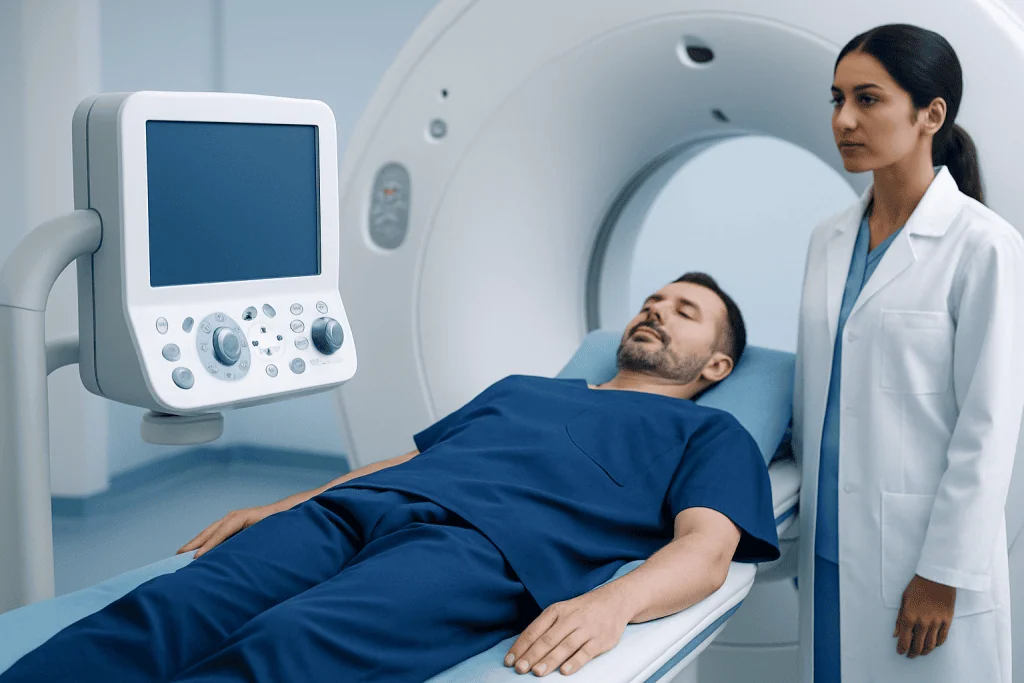
Additional tests often include blood tests, flow cytometry, immunohistochemistry, and molecular or genetic studies on the biopsy sample. Imaging, such as CT or PET/CT, is commonly used to find where lymphoma is located and to help determine its stage. In some cases, doctors may also recommend a bone marrow biopsy.
The results guide both diagnosis and treatment planning. Since B cell lymphomas differ significantly, second review by experienced hematopathologists can be valuable in complex cases. If imaging is needed as part of staging or follow-up, specialists may use advanced PET/CT imaging to assess the extent and activity of disease.
Staging describes how widely the lymphoma has spread, but stage alone does not define prognosis. A person with advanced-stage indolent lymphoma may still have a long course, while a limited-stage aggressive lymphoma may need intensive treatment but can respond very well. This is why subtype and biology are just as important as stage.
Modern treatment approaches
Treatment depends on the exact subtype, stage, symptoms, age, overall health, and treatment goals. Not every person needs treatment immediately. For selected slow-growing lymphomas with few symptoms, doctors may recommend active surveillance, also called watchful waiting, with regular follow-up rather than immediate therapy.
When treatment is needed, options may include chemotherapy, immunotherapy, targeted therapy, radiation therapy, or combinations of these. Many B cell lymphomas are treated with antibody-based medicines that recognize proteins on lymphoma cells. Depending on the case, care may involve medical oncology for systemic therapy and radiation oncology for localized treatment or symptom relief.
For relapsed or high-risk disease, some patients may be evaluated for more intensive approaches such as stem cell transplantation or newer cell-based therapies when appropriate. Treatment plans are increasingly personalized, using pathology and molecular features to choose the most suitable strategy. Supportive care, including infection prevention, symptom management, nutrition support, and monitoring for side effects, is also an important part of treatment.
People with B cell lymphoma often benefit from multidisciplinary care involving hematology, oncology, pathology, radiology, and supportive care teams. Near the end of the treatment journey or during second-opinion evaluation, some international patients choose centers such as Acibadem International, where multidisciplinary specialists in JCI-accredited hospitals diagnose and treat complex lymphoma cases.
Living with b cell lymphoma: self-care and follow-up
Living with b cell lymphoma often involves regular appointments, blood tests, and imaging, especially during the first years after diagnosis or treatment. Follow-up helps doctors monitor response, detect relapse if it occurs, and manage long-term effects of therapy. Even when a person feels well, routine follow-up remains important.
Healthy daily habits can support recovery and overall well-being, although they do not replace medical treatment. Helpful steps may include maintaining balanced nutrition, staying physically active within personal limits, keeping vaccinations up to date after medical advice, and reporting new symptoms early. Emotional support is also valuable, as uncertainty around scans and treatment decisions can be stressful.
Patients should talk with their care team before taking supplements or herbal products, as some can interact with cancer treatment. It is also sensible to discuss fertility preservation, work, travel, infection precautions, and long-term survivorship needs when these issues are relevant.
When to seek medical care
Medical evaluation is appropriate if swollen lymph nodes persist for more than a few weeks, keep enlarging, or appear along with fever, drenching night sweats, unexplained weight loss, or ongoing fatigue. People should also seek care for new shortness of breath, chest discomfort, severe abdominal swelling, unusual bleeding, or frequent infections.
Anyone already diagnosed with b cell lymphoma should contact their doctor promptly if symptoms suddenly worsen, treatment side effects become difficult to manage, or signs of infection develop, especially during active therapy. Urgent assessment may be needed for high fever, significant breathing difficulty, confusion, or severe pain.
A specialist review can help clarify uncertain biopsy results or guide decisions about first treatment, relapse, or supportive care. In many cases, early assessment leads to more precise treatment planning and greater reassurance about what to expect next.
Frequently asked questions
Is b cell lymphoma curable?
Some types of b cell lymphoma can be cured, especially certain aggressive forms that respond well to treatment. Other types may behave more like long-term chronic conditions that can be controlled for years. The exact outlook depends on the subtype, stage, and response to therapy.
What is the first test for b cell lymphoma?
A doctor may begin with a physical exam, blood tests, and imaging, but diagnosis usually requires a biopsy. Examining tissue under the microscope is the most important step because it confirms lymphoma and identifies the exact subtype. This information is essential before treatment starts.
Can b cell lymphoma grow without causing symptoms?
Yes. Some slow-growing B cell lymphomas are found incidentally during imaging or blood work done for another reason. Others cause only mild swelling of a lymph node at first, which is why persistent changes should still be checked by a doctor.
What is the difference between indolent and aggressive b cell lymphoma?
Indolent lymphomas usually grow slowly and may not need immediate treatment if symptoms are minimal. Aggressive lymphomas grow more quickly and often require prompt therapy, but they can still respond very well to modern treatment. The names describe behavior, not whether treatment can help.
Does every patient need chemotherapy?
No. Some patients are monitored with active surveillance, while others may receive immunotherapy, targeted therapy, radiation therapy, or combination treatment. The plan depends on the lymphoma subtype, symptoms, stage, and overall health.
Can b cell lymphoma come back after treatment?
Yes, some B cell lymphomas can relapse after a period of remission. If this happens, doctors reassess the subtype, previous treatment, and overall health to choose the next best option. Many people still have effective treatment choices after relapse.
References
- National Cancer Institute
- American Cancer Society
- National Comprehensive Cancer Network
- Leukemia & Lymphoma Society
- World Health Organization
This article is for general information only and is not a substitute for professional medical advice. Please consult a qualified doctor about your individual situation.
Lymphoma in Turkey — costs, top hospitals & a free quote
JCI-accredited · board-certified surgeons · reply within 24h

More from the Health Library



Related Specialists

Prof. Dr. Nesliar Eser Kutsal
Gastroenterology
Dr. Ufuk Bülent Dilek
Anesthesiology
Prof. Dr. Güler Berkiten
Otorhinolaryngology
Dr. Sinan Aksu
Orthopedic Surgery & Traumatology