Blood Clot Tingling Sensation in Head Scalp: A Complete Medical Overview

Scalp tingling alone usually does not mean a blood clot in the head. A blood clot affecting the brain more often causes sudden neurological symptoms such as weakness, speech trouble, severe headache, vision changes, or confusion.
Key Takeaways
- Scalp tingling alone usually does not mean a blood clot in the head.
- A blood clot affecting the brain more often causes sudden neurological symptoms such as weakness, speech trouble, severe headache, vision changes, or confusion.
- Common non-emergency causes include migraine, nerve irritation, anxiety, neck tension, and scalp or skin inflammation.
- New, severe, one-sided, or persistent symptoms need medical evaluation, especially when paired with stroke-like signs.
- Diagnosis depends on the full symptom pattern and may involve neurological examination and brain imaging.
Blood clot tingling sensation in head scalp is not a typical symptom pattern by itself. Scalp tingling is more often linked to nerve irritation, headache disorders, skin conditions, muscle tension, or stress, but sudden neurological symptoms can signal a medical emergency and should be assessed promptly.
Overview: Can a Blood Clot Cause Tingling in the Scalp?
The phrase blood clot tingling sensation in head scalp describes a symptom that can understandably feel worrying. In most cases, tingling on the scalp by itself is not the classic way a blood clot in the brain presents. More often, scalp tingling comes from irritation of small sensory nerves, muscle tension in the neck and scalp, migraine, skin inflammation, or stress-related body sensations.
That said, a blood clot that affects blood flow in the brain can sometimes lead to unusual sensations, including numbness or tingling, especially if other parts of the face or body are involved. The key difference is that clot-related problems usually come with additional warning signs such as sudden weakness, trouble speaking, severe headache, confusion, balance problems, or vision changes. These symptoms need urgent assessment because they may point to stroke or another serious neurological condition.
This article explains how doctors think about scalp tingling, what features make a blood clot less or more likely, and when prompt medical care is important. The goal is not to self-diagnose, but to help patients understand which patterns are usually benign and which should not be ignored.
What Scalp Tingling Feels Like and Why It Happens
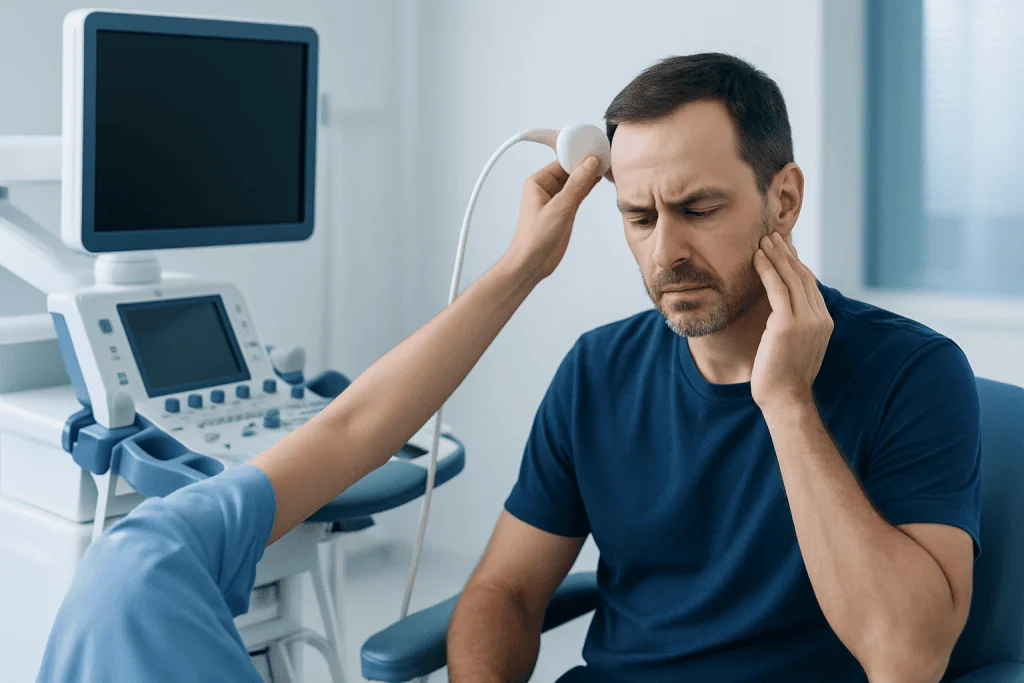
Scalp tingling may feel like pins and needles, crawling, burning, mild numbness, electric zaps, or a tight band across the head. Some people notice it in one small patch, while others feel it over a larger area of the scalp. It may come and go, last a few seconds, or persist for hours or days.
The scalp contains many small sensory nerves and blood vessels. Sensations from this area can be affected by neck muscle tension, posture, inflammation of the skin, pressure on nerves, and changes in pain pathways seen in headache conditions. Even routine factors such as wearing tight hairstyles, prolonged screen time with a forward head posture, poor sleep, or emotional stress can contribute.
Doctors usually look at the whole symptom pattern rather than the tingling alone. Important clues include whether the sensation is one-sided, whether there is pain or rash, whether it follows a headache, whether there are stroke-like symptoms, and whether the person has vascular risk factors such as smoking, high blood pressure, diabetes, or an abnormal tendency to clot.
Common Causes That Are More Likely Than a Blood Clot

Many non-emergency conditions can cause tingling in the scalp. Migraine is a common example. Some people have sensory aura before or during a migraine, which can include tingling, numbness, visual symptoms, or scalp sensitivity. Tension-type headaches and neck muscle strain can also create pressure and altered sensations around the scalp.
Nerve-related causes are also common. Irritation of the occipital nerves at the back of the head may cause sharp pain, tenderness, or tingling that radiates upward. This is often discussed as occipital neuralgia. Peripheral nerve irritation can occur after muscle tension, injury, poor posture, or prolonged pressure on the neck and upper spine.
Skin and scalp conditions may trigger tingling too. Dry skin, seborrheic dermatitis, psoriasis, allergic reactions to hair products, and healing shingles can all produce uncomfortable scalp sensations. Anxiety and hyperventilation may intensify body awareness and lead to tingling in the scalp, face, or limbs, especially during periods of stress.
- Migraine or headache disorders
- Neck tension and posture-related nerve irritation
- Occipital neuralgia or other sensory nerve irritation
- Scalp inflammation, dermatitis, or product sensitivity
- Anxiety, panic, or stress-related bodily sensations
When a Blood Clot May Be Considered
A blood clot affecting the brain is usually considered when scalp tingling happens alongside sudden neurological symptoms. These can include facial droop, weakness or numbness on one side of the body, trouble speaking, trouble understanding speech, sudden confusion, loss of coordination, severe unexplained headache, or sudden vision changes. In these settings, the concern is not the scalp sensation alone, but the possibility of disrupted blood flow in the brain.
Different types of clots can affect the brain. The most common clot-related emergency is an ischemic stroke, where an artery supplying the brain becomes blocked. Less commonly, a clot may form in the brain’s venous drainage system, called cerebral venous sinus thrombosis. This can cause headache, neurological symptoms, seizures, or visual changes. Tingling may occur, but it is rarely the only symptom.
Risk factors that may increase concern include older age, prior stroke or clotting events, atrial fibrillation, smoking, uncontrolled high blood pressure, diabetes, high cholesterol, recent major surgery, prolonged immobility, pregnancy or postpartum status, estrogen-containing medications, cancer, and known clotting disorders. Doctors assess these together with the exact timing and pattern of symptoms.
How Doctors Evaluate Scalp Tingling
Evaluation starts with a careful history and neurological examination. A doctor will ask when the tingling began, whether it is constant or intermittent, whether it is linked to headache or neck pain, and whether there are any weakness, speech, balance, or vision changes. Questions about skin symptoms, stress, medications, and vascular risk factors also help narrow the cause.
If there are any signs suggesting a stroke or another brain emergency, immediate brain imaging is often needed. Depending on the situation, this may include a CT scan, MRI, or blood vessel imaging. If symptoms seem more related to nerve compression, migraine, or scalp disease, imaging may not always be necessary. Evaluation may instead focus on the neck, posture, skin, and headache history.
Additional tests are selected based on the suspected cause. These can include blood tests, cardiovascular assessment, or referral to a neurologist or dermatologist. In some patients with persistent one-sided symptoms, doctors may consider advanced evaluation through services such as neurology care or brain MRI when clinically appropriate.
Treatment Depends on the Underlying Cause
There is no single treatment for scalp tingling because management depends on what is causing it. If a blood clot or stroke is suspected, treatment is urgent and time-sensitive. Hospital-based care may involve imaging, close monitoring, and therapies aimed at restoring or protecting brain blood flow. Follow-up focuses on rehabilitation and prevention of future vascular events.
When the cause is migraine, treatment may include lifestyle measures, headache-specific medicines, and identifying triggers such as poor sleep, dehydration, or certain foods. If nerve irritation or neck tension is contributing, doctors may recommend posture correction, stretching, physical therapy, heat, or pain-relieving approaches. Some patients benefit from targeted evaluation in physical therapy and rehabilitation.
Skin-related causes are treated by addressing inflammation or irritation on the scalp, often with medicated shampoos, topical treatments, or avoiding triggering products. For stress-related tingling, reassurance, hydration, breathing control, sleep improvement, and support for anxiety can be very helpful. Near the end of the care pathway, patients who need further assessment may be seen in multidisciplinary centers; Acibadem International’s specialists in JCI-accredited hospitals diagnose and treat neurological, vascular, and scalp-related conditions for international patients.
Prevention and Self-care for Mild or Recurrent Symptoms
If scalp tingling is mild, recurrent, and not accompanied by neurological warning signs, simple self-care steps may help reduce episodes. Good hydration, regular meals, consistent sleep, and limiting prolonged screen-related neck strain can make a difference. Gentle stretching of the neck and shoulders may help when muscle tension seems to trigger symptoms.
Scalp care also matters. Using fragrance-free or non-irritating hair products, avoiding very tight hairstyles, and treating dandruff or dermatitis can reduce local inflammation. If headaches are involved, keeping a symptom diary may help identify patterns involving stress, menstruation, caffeine, missed meals, or sleep changes.
People with vascular risk factors can lower the chance of clot-related conditions by managing blood pressure, diabetes, cholesterol, and smoking with the help of a doctor. Regular check-ups, exercise suited to the person’s health, and taking prescribed medicines correctly are important preventive steps. Patients at risk of cerebrovascular disease may also need formal assessment through check-up services tailored to their medical history.
When to Seek Medical Care
Urgent medical care is needed if scalp tingling appears suddenly and is accompanied by weakness, facial drooping, numbness of an arm or leg, difficulty speaking, severe unexplained headache, confusion, fainting, seizure, loss of balance, or sudden visual loss. These features raise concern for a neurological emergency, including stroke, and should not be watched at home.
Non-urgent medical evaluation is appropriate if the tingling keeps returning, lasts more than a few days, is limited to one area repeatedly, becomes painful, or is associated with a new headache pattern, neck pain, or scalp rash. It is also wise to arrange an appointment if symptoms interfere with daily life or if the person has significant clotting or cardiovascular risk factors.
Even when the cause is ultimately harmless, persistent scalp tingling deserves a professional assessment if the pattern is new or unusual for that person. Early evaluation can clarify whether the problem is neurological, vascular, muscular, dermatological, or stress-related, and can guide safe treatment.
Frequently asked questions
Is scalp tingling a sign of a blood clot?
Usually, no. Scalp tingling by itself is more often related to nerves, headaches, muscle tension, skin irritation, or anxiety. A blood clot affecting the brain is more concerning when tingling comes with sudden weakness, speech trouble, severe headache, vision changes, or confusion.
What does a dangerous head-related blood clot usually feel like?
There is no single sensation, but symptoms are usually more than a mild scalp feeling. People may develop sudden numbness or weakness on one side, trouble speaking, severe headache, balance problems, seizures, or altered awareness. These symptoms need immediate emergency care.
Can anxiety cause tingling in the scalp?
Yes. Anxiety can increase body awareness and may trigger tingling, tightness, or pins-and-needles sensations, especially during rapid breathing or panic. Even so, new or unusual symptoms should be discussed with a doctor to rule out other causes.
Can neck problems cause a tingling sensation in the scalp?
Yes. Tight neck muscles, poor posture, and irritation of the occipital nerves can cause tingling, pain, or sensitivity in the scalp. Symptoms often worsen after long periods of looking down, working at a computer, or sleeping in an awkward position.
Should a person get imaging for scalp tingling?
Not always. Imaging is more likely when there are sudden neurological symptoms, a new severe headache, one-sided deficits, seizures, or other signs of a brain or vascular problem. If the symptoms fit a benign pattern, a doctor may start with an exam and history first.
How long should scalp tingling last before seeing a doctor?
A brief episode that clearly relates to posture, stress, or a known migraine may not be urgent. However, medical review is sensible if the tingling lasts more than a few days, keeps coming back, becomes painful, spreads, or is associated with other new symptoms.
References
- Centers for Disease Control and Prevention
- National Institute of Neurological Disorders and Stroke
- American Stroke Association
- National Health Service
- Mayo Clinic
This article is for general information only and is not a substitute for professional medical advice. Please consult a qualified doctor about your individual situation.
Hair transplant in Turkey — costs, graft counts & a free assessment
JCI-accredited · board-certified surgeons · reply within 24h
Check your numbers in seconds
BMI, calories, due date, blood pressure and 30+ more clinical calculators — free, instant, doctor-reviewed ranges.

More from the Health Library



Related Specialists

Prof. Dr. Murat Bozkurt
Orthopedic Surgery & Traumatology
Dyt. Duygu Gençel
Nutrition & Diet
Fzt. Yusuf Mücahit Turan
Physical Medicine and Rehabilitation
Fzt. Nergis Demiröz
Physical Medicine and Rehabilitation