Bomba De Infusion Como Usarla: Procedure, Recovery and Results
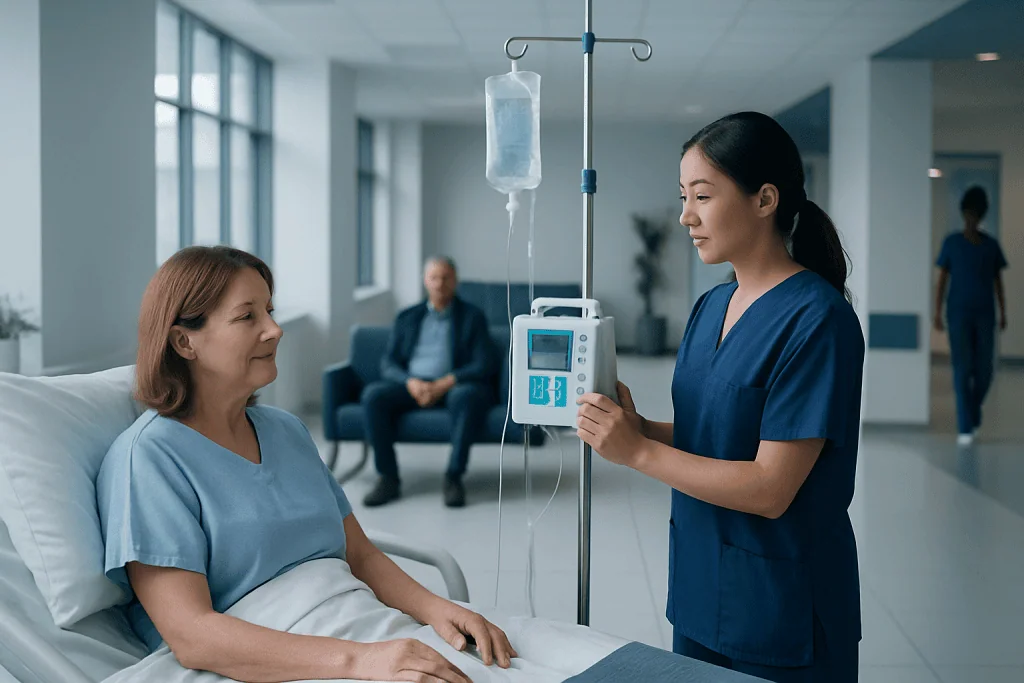
An infusion pump gives prescribed treatment at a controlled rate and should only be programmed by trained healthcare professionals or according to clear instructions. The type of pump, medication and access device determine how long treatment lasts and what care is needed at home.
Key Takeaways
- An infusion pump gives prescribed treatment at a controlled rate and should only be programmed by trained healthcare professionals or according to clear instructions.
- The type of pump, medication and access device determine how long treatment lasts and what care is needed at home.
- Patients should know how to check the pump, protect the tubing and respond to alarms without changing settings independently.
- Redness, swelling, leaking, severe pain, fever, breathing difficulty or a persistent pump alarm require timely medical advice.
- Most people can continue selected daily activities during ambulatory infusion treatment with individualized guidance from their care team.
A bomba de infusión, or infusion pump, is a device that delivers medication, fluids or nutrition at a programmed rate through a vein, under the skin, or another route. Safe use depends on following the prescribed settings, keeping the line and insertion site clean, and contacting the care team promptly if the pump alarms or symptoms develop.
Overview: How to Use an Infusion Pump
Bomba de infusion como usarla means understanding how an infusion pump is prepared, connected and monitored to deliver prescribed treatment safely. The pump is usually set up by a nurse, pharmacist or doctor; the patient or caregiver is taught how to carry it, check it and respond if it alarms.
An infusion pump is a small electronic or disposable device that delivers medicines, intravenous fluids or nutritional support over a planned period. Depending on the treatment, it may connect to a cannula in a vein, a central venous catheter, an implanted port, a feeding tube or a small tube placed under the skin.
Infusion therapy may be used in hospital, an outpatient clinic or at home. The specific instructions always come from the treating team because the correct settings, medication handling and line care vary considerably between treatments.
How an Infusion Pump Works
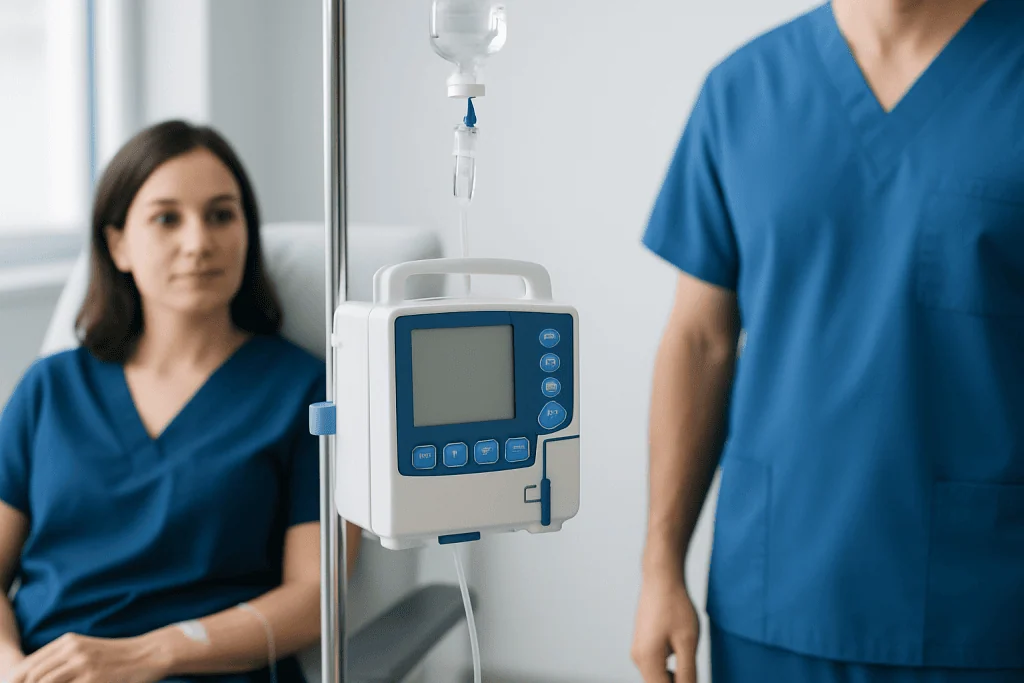
An infusion pump moves a prescribed amount of fluid from a medication container through tubing and into the body. Electronic pumps use programmed settings to control the rate and may have alarms for problems such as a blockage, empty container, low battery, open door or air detected in the tubing. Elastomeric pumps are disposable, balloon-like devices that deliver medication at a fixed rate without batteries.
Some pumps are used continuously, while others deliver treatment at scheduled times or in doses activated by the patient within safety limits set by the clinician. Pumps can support treatments such as antibiotics, pain medicines, chemotherapy, insulin, parenteral nutrition and medicines used for certain neurological or gastrointestinal conditions.
The pump is one part of a complete treatment system. The medication, tubing, access device, dressings and pump settings must all work together. For this reason, a patient should not borrow another person’s pump, use unlabelled medication, reconnect disconnected tubing without instruction or alter programmed settings.
Who May Need Infusion Pump Treatment

Infusion pumps may be recommended when a medicine needs to be given slowly, continuously, at a very precise rate or outside a hospital setting. They can allow some people to receive a course of treatment while continuing selected aspects of home life, work or school, provided they are medically stable and have appropriate support.
Before home infusion begins, the clinical team considers the person’s diagnosis, treatment plan, vein or catheter access, ability to understand instructions, home environment and access to follow-up care. A family member or caregiver may also be trained when the patient cannot manage the equipment independently.
Suitability is not based only on age or mobility. It also depends on whether the person can recognize problems, keep appointments, protect the pump from water or damage, and contact the care team when needed. The team may recommend clinic- or hospital-based treatment when closer observation is necessary.
Step-by-Step: Using a Bomba de Infusión Safely
At the start of treatment, a healthcare professional confirms the prescription, medication label, pump type, route of administration and programmed settings. They prepare the access site using sterile technique when required, connect the tubing, start the pump and explain the plan for changing medication containers, batteries or dressings.
At home, the patient generally follows a simple routine: wash hands before touching the pump or tubing; check that the medication label matches the care plan; ensure clamps are in the instructed position; inspect tubing for kinks, pulling or leaks; and confirm that the pump appears to be running as expected. The pump should be carried in its approved pouch or case and protected from extreme heat, direct sunlight, water and impact.
If an alarm occurs, the patient should read the display or follow the written instructions supplied by the clinical team. They should check only the basic issues they have been taught to check, such as a kinked tube, an empty battery or a closed clamp. They should not silence repeated alarms, force fluid through the line, remove a central line or change the infusion rate unless specifically instructed.
- Keep emergency and home-infusion contact numbers readily available.
- Carry supplies recommended by the care team when away from home.
- Record symptoms, alarms and any interruptions in treatment if asked to do so.
- Attend scheduled reviews, dressing changes and blood tests.
Recovery Timeline, Daily Life and Expected Results
There is usually no recovery period from the pump itself, although recovery depends on the illness being treated and the type of line placed. A peripheral cannula may cause mild temporary tenderness. A newly inserted central line or implanted port may need several days of site care while discomfort settles, according to the clinician’s instructions.
Many ambulatory pumps are designed to be worn during normal low-impact activities. Patients may be advised to avoid swimming, bathing with the device, contact sports, heavy lifting or movements that could pull on the catheter. Showering guidance varies by device and dressing, so the care team’s specific advice should be followed.
The expected result is reliable delivery of the prescribed treatment, not an immediate change in symptoms in every case. Some medicines work quickly, while others need days or weeks to have their intended effect. The treating team monitors symptoms, laboratory results, pump records and the insertion site to judge whether treatment is working safely.
Benefits, Risks and Practical Safety Considerations
Infusion pumps can provide accurate medication delivery and may reduce the need for repeated injections or prolonged hospital stays for selected patients. Portable systems can also support treatment schedules that are not practical with occasional clinic injections. The benefit depends on the underlying condition, the medicine used and correct pump operation.
Potential complications include infiltration or extravasation, where fluid enters surrounding tissue rather than the intended vessel; catheter blockage; leaking; skin irritation; bleeding; and infection. Certain medicines can cause medicine-specific side effects, which the prescribing team should explain before treatment begins.
Signs that may suggest a line or site problem include increasing pain, burning, swelling, redness, warmth, drainage, damp dressings, a visible leak or an unexpected stop in infusion. A central venous catheter also carries rare but important risks such as bloodstream infection or blood clots. Prompt assessment helps the team manage concerns before they become more serious.
When to Seek Medical Care
Patients should contact their infusion team promptly for a pump alarm that does not resolve using the instructions provided, a damaged pump, a disconnected line, a leaking medication container, a new rash, worsening nausea, pain at the access site or concern that the medication has not been delivered correctly.
Urgent medical care is needed for trouble breathing, chest pain, fainting, sudden confusion, swelling of the face or throat, severe allergic symptoms, uncontrolled bleeding, a high fever with chills, or severe swelling and pain around a catheter site. These symptoms may have causes unrelated to the pump, but they need prompt assessment.
Acibadem International’s multidisciplinary specialists and JCI-accredited hospitals can assess infusion-related needs and coordinate treatment for international patients. Patients should keep their prescribing team informed about any symptoms or device concerns rather than trying to repair or reprogram equipment alone.
What Does Bomba Mean?
In Spanish, bomba most commonly means “pump,” “bomb,” or “a device that pushes or moves a substance,” depending on context. In medical language, bomba de infusión means an infusion pump: a device used to deliver medication or fluid in a controlled way.
The word can have other meanings in everyday Spanish and in cultural settings. Therefore, its meaning should be interpreted from the full phrase. In a healthcare conversation, a clinician saying bomba may be referring to a medical pump, but patients should ask for clarification if the context is unclear.
What Is a Spanish Bomba?
A “Spanish bomba” does not usually describe one medical device. It can refer broadly to the Spanish word bomba, which has several meanings, including pump, bomb or a type of cultural expression in some Spanish-speaking communities.
In Puerto Rican culture, bomba is an important music and dance tradition with African roots. In a medical setting, however, “bomba” is generally shorthand for a pump, such as a bomba de infusión, and does not refer to the music or dance form.
Is Bomba African or Puerto Rican?
Bomba is a Puerto Rican musical and dance tradition that developed through the cultural heritage of Africans brought to Puerto Rico during the colonial period, alongside influences from the island’s wider history. It is therefore accurately described as Puerto Rican cultural expression with strong African roots.
This cultural meaning is distinct from the medical use of the Spanish word bomba. In healthcare, an infusion pump is a device for delivering treatment, and the term does not indicate a cultural or ethnic origin.
What Is the English of Bomba?
The English translation of bomba depends on context. In the phrase bomba de infusión, the correct English term is “infusion pump.” In other contexts, bomba may translate as “pump” or “bomb.”
Using the full term is especially helpful in medical discussions. Saying “infusion pump” makes clear that the device delivers medication, fluids or nutrition at a controlled rate and avoids confusion with other meanings of the word.
Frequently asked questions
Can a patient change infusion pump settings at home?
A patient should only change settings if the prescribing team has specifically taught them to do so and provided written instructions. Many pumps are programmed or locked to prevent unintended changes. Changing a rate or dose without authorization can cause under-treatment or medication-related harm.
What should a patient do if an infusion pump alarm sounds?
The patient should consult the pump display and the troubleshooting instructions supplied by the care team. They may check simple issues they have been trained to assess, such as a kink in the tubing or a low battery. If the alarm persists, the pump leaks or treatment stops unexpectedly, they should contact the infusion service promptly.
Can someone shower while wearing an infusion pump?
This depends on the pump, catheter, dressing and treatment plan. Many pumps and dressings must be kept dry, and swimming is often restricted while a line is in place. The care team can explain whether a protective cover or another approach is appropriate.
How long does an infusion pump stay connected?
The duration varies from a short infusion lasting hours to continuous therapy lasting days or longer. It depends on the medication, diagnosis, route of administration and treatment schedule. The clinician will explain when the medication reservoir, tubing, dressing or pump needs to be changed.
What are signs of an infected infusion site?
Possible signs include increasing redness, warmth, swelling, pain, drainage, fever or chills. These symptoms do not always mean infection, but they should be reported promptly, particularly when a central line or implanted port is involved. The care team may need to examine the site and decide whether testing or treatment is required.
Can an infusion pump be taken outside the home?
Many ambulatory infusion pumps are designed for portable use. Patients should carry the pump securely, avoid exposing it to water, heat or damage, and bring any supplies recommended by their team. Travel plans should be discussed in advance so medication storage, security screening and emergency contact arrangements can be considered.
References
- World Health Organization
- Centers for Disease Control and Prevention
- U.S. Food and Drug Administration
- Infusion Nurses Society
- National Health Service
This article is for general information only and is not a substitute for professional medical advice. Please consult a qualified doctor about your individual situation.
Explore treatments in Turkey — costs, top hospitals & a free quote
JCI-accredited · board-certified surgeons · reply within 24h
Add us as a Preferred Source to see more of our trusted health content across Google Search, AI Overviews and Discover.

More from the Health Library



Related Specialists

Dr. Tülay Tekin
Acibadem Life Clinical Service
Prof. Dr. Engin Oral
Gynecology & Obstetrics
Dr. Merve Albayrak Barı
Gynecology & Obstetrics
Dr. Zeynep Sağırkaya
Occupational Medicine