Bpp Ultrasound: Preparation, Procedure and Results

A BPP ultrasound evaluates fetal breathing movements, body movements, muscle tone and amniotic fluid volume. A non-stress test may be performed with the ultrasound to assess the fetal heart rate response to movement.
Key Takeaways
- A BPP ultrasound evaluates fetal breathing movements, body movements, muscle tone and amniotic fluid volume.
- A non-stress test may be performed with the ultrasound to assess the fetal heart rate response to movement.
- A score of 8 to 10 is generally reassuring when amniotic fluid is normal, while lower scores need clinical interpretation.
- Most people can eat and drink normally before a BPP unless their maternity team gives different instructions.
- An abnormal or incomplete BPP result does not automatically mean there is a serious problem, but it may require repeat testing or timely obstetric assessment.
A BPP ultrasound, also called a biophysical profile, is a prenatal assessment used to check signs of fetal well-being, usually later in pregnancy or when closer monitoring is needed. It is painless, does not use radiation, and helps the maternity team decide whether routine follow-up or prompt additional assessment is appropriate.
BPP Ultrasound Overview
A bpp ultrasound is a biophysical profile (BPP), a prenatal test that combines ultrasound observations with, in many cases, a non-stress test (NST). It is designed to look for short-term signs that a fetus is receiving enough oxygen and is coping well in the uterus. The assessment is commonly used in the third trimester, although the timing depends on the reason for monitoring.
During the ultrasound portion, a sonographer or doctor observes fetal breathing-like movements, larger body movements, muscle tone and the amount of amniotic fluid. When an NST is included, external monitors record the fetal heart rate and look for expected changes in rate when the fetus moves. The results are considered together with gestational age, maternal health, symptoms and any previous test findings.
A BPP is not a diagnostic test for birth defects or every possible pregnancy concern. Instead, it provides a practical snapshot of fetal well-being at that time. It can guide decisions about follow-up, additional monitoring, or in some circumstances, whether delivery may be safer than continuing the pregnancy.
Why a Biophysical Profile May Be Recommended
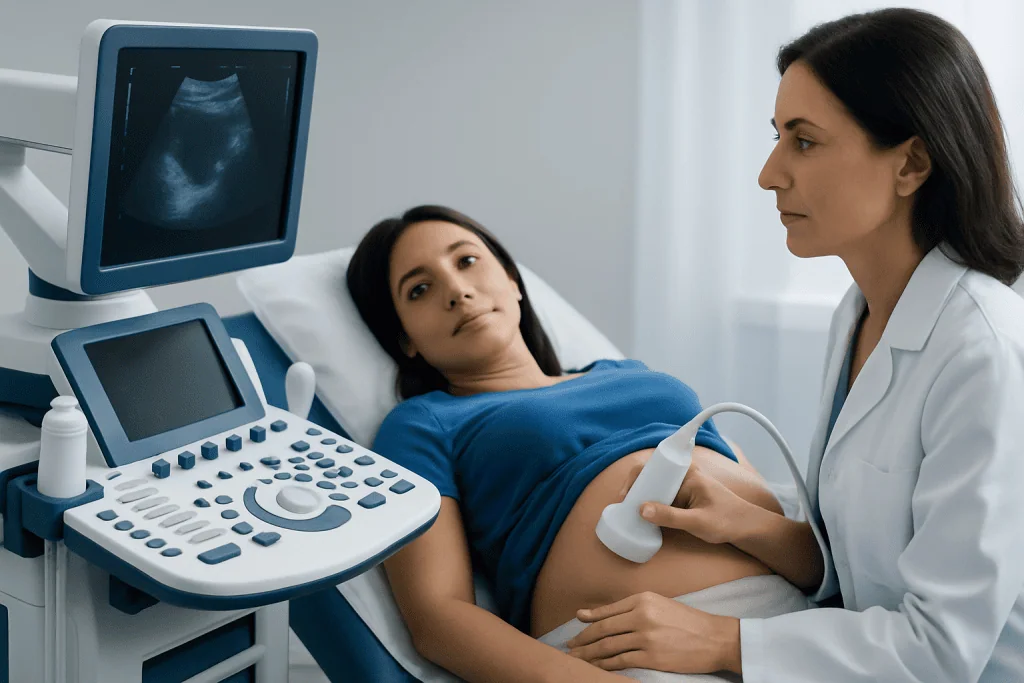
A maternity clinician may recommend a BPP when a pregnancy needs closer surveillance. It may be used after reduced fetal movement is reported, when an NST is non-reactive or difficult to interpret, or when there are concerns about amniotic fluid levels or fetal growth. Some pregnancies with medical or obstetric risk factors are also monitored regularly with BPP testing.
Examples include high blood pressure disorders of pregnancy, diabetes, kidney disease, autoimmune conditions, a pregnancy continuing beyond the estimated due date, fetal growth restriction, or a history that indicates increased monitoring may be helpful. The test may also be used when there is concern about placental function, because the placenta supplies the fetus with oxygen and nutrients.
Recommendations are individual. A BPP result is most useful when interpreted by the clinician caring for the pregnancy, who can compare it with symptoms, fetal growth scans, Doppler studies when indicated, and the pregnancy’s overall clinical picture.
How BPP Ultrasound Works

The ultrasound component of a BPP uses sound waves to create live images of the fetus, placenta and amniotic fluid. It does not involve ionising radiation. The examiner watches for specific activities that reflect the function of the fetal nervous system and may be influenced by oxygen availability.
Each of four ultrasound observations usually receives either 2 points or 0 points: fetal breathing movements, gross body movements, fetal tone and amniotic fluid volume. Fetal tone includes movements such as opening and closing a hand or bending and extending a limb. The fifth possible component, worth 2 points, is the NST.
A modified BPP may be used in some settings. This commonly combines an NST with an assessment of amniotic fluid rather than documenting all ultrasound observations. The approach chosen depends on local practice and the clinical reason for testing.
Preparing for a BPP Ultrasound
Preparation is usually simple. People can generally eat and drink normally before a BPP ultrasound unless their obstetrician, midwife or imaging department provides specific instructions. There is no reliable need to consume sugary foods or drinks to make the fetus move; fetal sleep cycles are normal and are taken into account during testing.
It can be helpful to wear comfortable two-piece clothing, as the abdomen will need to be accessible. Bringing previous pregnancy records or ultrasound reports may be useful if the appointment is at a new facility. The test may take longer if the fetus is asleep or is positioned in a way that makes observation more difficult.
Unlike some early-pregnancy pelvic scans, a full bladder is not typically required for a later-pregnancy BPP performed through the abdomen. Patients should follow the instructions on their appointment notice, as individual circumstances and local imaging protocols can differ.
BPP Ultrasound Procedure: Step by Step
At the appointment, the patient usually lies comfortably on an examination bed, often with a slight tilt to one side to avoid prolonged pressure on major blood vessels. Gel is applied to the abdomen, and the sonographer moves a handheld transducer over the skin to view the fetus and surrounding structures.
The examiner records observations of breathing movements, body movements and muscle tone, then measures or estimates the amniotic fluid using an established ultrasound method. The ultrasound observation period commonly lasts up to about 30 minutes, though this can vary. If the fetus is quiet or asleep, the examiner may allow more time or ask the patient to change position.
If an NST is part of the assessment, two belts may be placed around the abdomen. One monitors the fetal heart rate and the other may record uterine activity. The patient may be asked to press a button when fetal movement is felt. There are no needles, injections or anaesthesia involved in a routine BPP.
Once the assessment is complete, results are sent to or discussed with the maternity clinician. If the test was ordered because of a current symptom, such as reduced fetal movement, the care team may review the result on the same day and recommend next steps promptly.
What Is a Normal BPP Result?
A full BPP is commonly scored out of 10. A score of 8 or 10 is generally considered reassuring when the amniotic fluid volume is normal. A score of 6 is often considered equivocal and may lead to repeat testing, particularly if the pregnancy is preterm and there are no other urgent concerns.
A score of 4 or less may indicate a greater concern about fetal well-being and requires prompt assessment by the obstetric team. However, scores are not interpreted in isolation. Gestational age, amniotic fluid findings, fetal growth, maternal conditions, symptoms and the NST tracing can all influence the recommended plan.
Low amniotic fluid can be important even when other BPP components are reassuring, because it may suggest reduced placental function or another issue needing evaluation. The clinician will explain what the result means in the context of the individual pregnancy and whether monitoring, repeat imaging or delivery should be considered.
Can I Eat Before a BPP Ultrasound?
In most cases, yes. A person can eat before a BPP ultrasound and should continue normal meals and hydration unless their maternity team has given different directions. Fasting is not routinely needed because the examination assesses fetal activity, amniotic fluid and, sometimes, the fetal heart rate pattern.
Some people worry that eating may change the result. While fetal activity naturally varies throughout the day, there is no standard recommendation to eat a particular food or drink before the test. If the fetus is asleep during the examination, the team may simply extend the observation period or repeat part of the assessment.
Anyone who also has another procedure scheduled on the same day should confirm whether separate preparation instructions apply. For example, a planned blood test, surgery or other imaging examination may have different requirements.
Do I Need to Poop Before an Abdominal Ultrasound?
No, a bowel movement is not required before a routine abdominal BPP ultrasound. Stool or intestinal gas can occasionally affect some abdominal imaging, but BPP scans are focused on the uterus and fetus, and standard bowel preparation is not part of the test.
Patients should not take laxatives or make major changes to their diet solely to prepare for a BPP unless a clinician specifically advises this. Normal toileting before the appointment is fine and may improve comfort, but it does not determine whether the examination can be completed.
If constipation, severe abdominal pain, vomiting or another new symptom is present, it is important to mention it to the maternity team. These symptoms may need their own medical assessment rather than being treated as a preparation issue.
What Happens If You Fail a BPP Ultrasound?
The term “fail” can sound worrying, but a low or incomplete BPP does not by itself confirm that the fetus is in danger. A fetus may be asleep during testing, and a temporary lack of observed movement can affect the score. The maternity team will consider whether the test should be repeated, whether additional fetal monitoring is needed, and whether there are other signs of concern.
If the result is significantly abnormal, if amniotic fluid is low, or if there are concerning symptoms or heart rate findings, the patient may be sent for prompt obstetric evaluation. This can include a longer NST, repeat ultrasound, Doppler blood-flow studies, maternal assessment and discussion of the safest timing and method of delivery.
The response depends greatly on how far along the pregnancy is. When early delivery could carry risks of prematurity, specialists weigh these against the potential risk of continuing the pregnancy. When the pregnancy is near term, delivery may sometimes be recommended if testing suggests the fetus may not be thriving in the uterus.
Benefits, Risks and Recovery
The main benefit of a BPP ultrasound is that it provides non-invasive information to help guide pregnancy care. It can be especially useful when there is a reason to check fetal well-being more closely. Reassuring results may support continued monitoring, while concerning results can help the clinical team act without unnecessary delay.
A standard BPP is considered safe in pregnancy when medically indicated and performed by trained professionals. Ultrasound and external fetal monitoring do not use radiation. Mild discomfort can occur from lying still, pressure from the transducer, or the monitoring belts, but there is typically no physical recovery period.
After the appointment, patients can return to normal activities unless their care team advises otherwise. A BPP is a time-limited assessment, so it does not replace paying attention to fetal movement patterns or seeking care for new symptoms. Acibadem International’s multidisciplinary obstetric and maternal-fetal medicine specialists at JCI-accredited hospitals support international patients who need pregnancy assessment and coordinated care.
When to Seek Medical Care
Pregnant people should contact their maternity unit, obstetrician or midwife promptly if they notice reduced or absent fetal movement compared with their baby’s usual pattern. They should not wait for a scheduled BPP appointment if they are concerned about a meaningful change in movement.
Urgent medical assessment is also appropriate for vaginal bleeding, leaking fluid, regular painful contractions before term, severe or persistent abdominal pain, severe headache, visual changes, sudden marked swelling, chest pain, shortness of breath, fainting, or symptoms of severe illness. Local emergency services should be used when symptoms are severe or immediate help is needed.
A BPP result should always be reviewed with a qualified clinician. The care team can explain whether the result is reassuring, whether repeat monitoring is appropriate, and what follow-up is safest for the pregnancy.
Frequently asked questions
How long does a BPP ultrasound take?
The ultrasound portion commonly takes up to about 30 minutes, although the total visit can be longer if a non-stress test is included. More time may be needed when the fetus is sleeping, quiet or difficult to view because of position.
Is a BPP ultrasound painful?
A BPP ultrasound is usually painless. Some people may feel mild pressure from the ultrasound transducer or temporary discomfort from lying in one position, but the test does not involve needles or radiation.
At what stage of pregnancy is a BPP done?
A BPP is most often performed in the third trimester, when fetal movements and breathing-like motions can be assessed reliably. The exact timing and frequency depend on the reason for monitoring and the individual pregnancy.
Can a baby be asleep during a BPP ultrasound?
Yes. Fetuses have normal sleep-wake cycles, and sleep can temporarily reduce observed movement or breathing activity. The examiner may observe for longer, use another method of monitoring, or arrange repeat testing if needed.
Does a BPP ultrasound show birth defects?
A BPP is not primarily designed to diagnose structural birth defects. It evaluates current markers of fetal well-being, while anatomy scans and targeted fetal ultrasound examinations are used for more detailed structural assessment.
What should I do if I am worried about reduced fetal movement?
Contact the maternity team promptly for individual advice, even if a recent test was reassuring. A noticeable reduction or change from the fetus’s usual movement pattern should be assessed rather than monitored at home for a prolonged period.
References
- American College of Obstetricians and Gynecologists
- Society for Maternal-Fetal Medicine
- Mayo Clinic
- Merck Manual Consumer Version
This article is for general information only and is not a substitute for professional medical advice. Please consult a qualified doctor about your individual situation.
Ultrasound in Turkey — costs, top hospitals & a free quote
JCI-accredited · board-certified surgeons · reply within 24h
Check your numbers in seconds
BMI, calories, due date, blood pressure and 30+ more clinical calculators — free, instant, doctor-reviewed ranges.

Check-up & Preventive Medicine
Comprehensive health screenings designed for early detection and prevention.
3 specialists in this unit