Bras after Mastectomy Without Reconstruction: Procedure, Recovery and Results
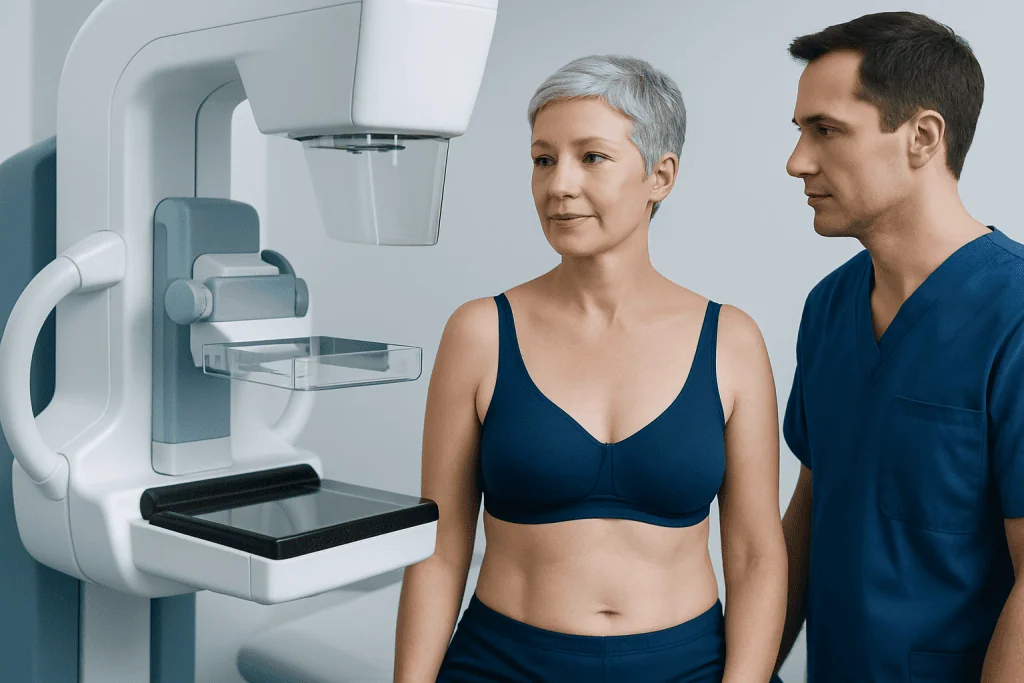
A person can choose mastectomy without reconstruction, including a flat closure, for breast cancer treatment or risk reduction. Immediately after surgery, the surgical team may recommend a specific compression garment, soft bra, or no bra for a period of time.
Key Takeaways
- A person can choose mastectomy without reconstruction, including a flat closure, for breast cancer treatment or risk reduction.
- Immediately after surgery, the surgical team may recommend a specific compression garment, soft bra, or no bra for a period of time.
- Front-fastening, wire-free bras with soft seams are commonly more comfortable while incisions heal.
- Recovery often takes several weeks, while numbness, tightness and emotional adjustment may continue for months.
- A breast prosthesis is optional and is usually fitted after swelling has reduced and wounds have healed.
- Urgent medical advice is needed for fever, worsening redness, drainage, sudden swelling, chest pain or shortness of breath.
Bras after mastectomy without reconstruction are optional, but many people find that a soft, front-closing post-surgical bra or a mastectomy bra improves comfort during healing and can hold a breast prosthesis later. The best choice depends on the type of mastectomy, incision location, swelling, drainage tubes and personal preference.
Overview: bras after mastectomy without reconstruction
Bras after mastectomy without reconstruction can support comfort, confidence and day-to-day movement, but there is no single correct garment or timeline. In the first days after surgery, the surgeon’s instructions take priority: some people are advised to wear a surgical bra or compression wrap, while others may need to avoid pressure over the incision for a short time. Once healing allows, a soft mastectomy bra can be worn with or without a breast prosthesis.
Mastectomy without reconstruction means breast tissue is removed without creating a new breast shape using implants or the person’s own tissue. Some people choose a smooth, flat chest contour, often called aesthetic flat closure. Others may prefer an external prosthesis for certain clothing or activities. Both approaches are valid, and decisions can be revisited over time.
The choice of bra should be guided by surgical healing, comfort, skin sensitivity and personal goals rather than appearance alone. A breast surgeon, oncology nurse, physiotherapist, occupational therapist or accredited mastectomy fitter can help identify suitable options after the follow-up assessment.
How mastectomy without reconstruction works and who may choose it
A mastectomy removes breast tissue to treat breast cancer or lower cancer risk in selected people with a high inherited risk. Depending on the diagnosis and surgical plan, it may involve one breast, both breasts, the nipple and areola, or nearby lymph nodes. The surgeon aims to remove the necessary tissue while achieving safe wound closure and an acceptable chest-wall contour.
It is possible to have a mastectomy without reconstruction for breast cancer. This option may be appropriate when reconstruction is not wanted, when a person wishes to avoid additional operations or recovery time, or when health factors make reconstruction less suitable. It can also be chosen when cancer treatment plans, such as radiation therapy, influence the timing or type of reconstruction that may be considered.
Before surgery, the patient meets with the breast surgical team to discuss cancer treatment goals, incision placement, lymph node procedures, expected scarring and aftercare. A plastic surgeon may be involved if the person wishes to discuss contouring or flat closure techniques, but reconstructive surgery is not required. Care planning may also involve medical oncology, radiation oncology and rehabilitation specialists.
Step by step: what happens during the procedure
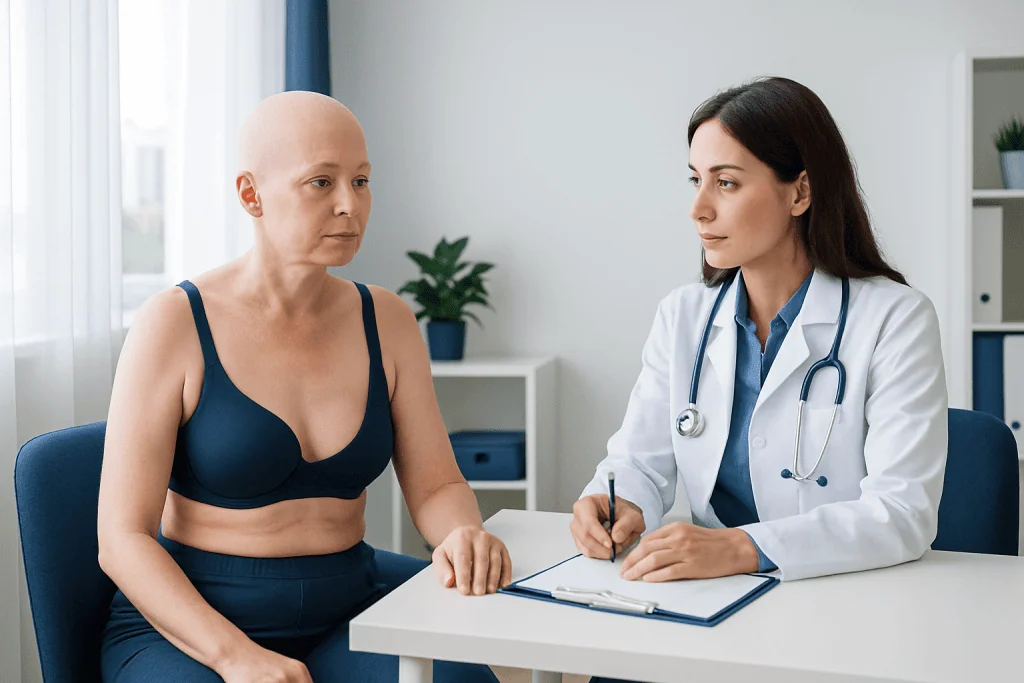
On the day of surgery, the patient receives anesthesia so they are asleep and do not feel pain during the procedure. The surgeon makes an incision based on the mastectomy type and removes breast tissue. If needed, sentinel lymph node biopsy or removal of additional lymph nodes may be performed through the same or a separate incision.
Without reconstruction, the surgeon closes the skin and underlying tissues over the chest wall. In a flat closure, attention may be given to reducing excess skin and tissue at the ends of the incision, although the final contour can change as swelling settles. Small drainage tubes may be placed temporarily to collect fluid and lower the chance of fluid buildup.
A dressing, surgical bra or compression garment may be applied. The operation may be performed as a day procedure or involve an overnight stay, depending on the extent of surgery, lymph node treatment, other medical needs and local practice. The care team provides individualized instructions for wound care, movement, pain control and follow-up.
What does a mastectomy look like without reconstruction?
After a mastectomy without reconstruction, the chest generally appears flatter on the operated side or sides, with a horizontal, angled or curved scar that varies according to the surgical technique and anatomy. Early swelling, bruising, dressings and drains can make the area look different from the eventual result. The scar typically changes over many months as it matures.
Some people have a very smooth flat contour, while others may notice natural differences in skin, soft tissue or the area near the underarm. These differences do not necessarily indicate a problem. If excess skin, persistent folds or discomfort are present after healing, the surgeon can discuss whether observation, scar care, physiotherapy or a later contour revision may be helpful.
The physical result is only one part of recovery. It is common to have numbness over the chest, altered sensations, tightness, or changes in body image. Support from breast care nurses, counsellors, peer-support groups and rehabilitation professionals can help people adjust at their own pace.
Choosing a bra or prosthesis after surgery
During early healing, a front-closing, wire-free post-surgical bra is often easier to put on and remove because arm movement may be limited. Soft, breathable fabric, wide straps, minimal seams over the incision and an adjustable underband can reduce rubbing. Underwire bras, tight elastic bands and garments that press directly on fresh incisions are usually avoided until the surgeon confirms they are safe.
After wounds have healed and swelling has reduced, a person may choose a pocketed mastectomy bra, a regular soft bra, a camisole with pockets, or no bra. Pocketed styles can hold a lightweight temporary form or a silicone breast prosthesis securely. A properly fitted prosthesis can help clothing sit evenly and may improve comfort for some people, but it is entirely optional.
A fitting is best arranged after the surgical team says the chest has healed sufficiently. Weight changes, scar sensitivity, radiation therapy and lymphedema can affect fit, so reassessment may be useful. People who have had lymph node surgery should ask their team about safe shoulder movement, skin care and individual risk-reduction advice for lymphedema.
- Choose front closures or stretchy designs while shoulder movement is limited.
- Look for soft fabrics and a band that stays in place without digging in.
- Try garments with any prosthesis in place, while sitting, standing and moving.
- Stop wearing any item that causes pain, rubbing, numbness or skin marks.
How long does it take to recover from a mastectomy without reconstruction?
Initial recovery after mastectomy without reconstruction commonly takes several weeks, but the exact timeline depends on whether one or both breasts were removed, whether lymph nodes were treated, whether drains are used and the person’s overall health. Many people can gradually return to light daily activities within one to two weeks, while lifting, strenuous exercise and repetitive arm activity are restricted for longer.
Drain tubes, if used, are often removed when the output has decreased to a level set by the surgical team. Follow-up appointments allow the team to check the incision, discuss pathology results and advise when it is appropriate to shower normally, drive, resume work and wear different bras. The person should not base activity progression only on how they feel; the surgeon’s guidance remains important.
Fatigue, chest tightness, numbness and reduced shoulder flexibility may improve gradually over weeks to months. Gentle prescribed range-of-motion exercises can support recovery, while a physiotherapist can help with persistent stiffness, cording, posture changes or arm swelling. Emotional recovery has no fixed timetable and can benefit from ongoing support.
What are some must-haves for recovery after mastectomy?
Useful recovery items are those that make rest, wound care and safe movement easier. The hospital team provides the essential medical supplies, including instructions for dressings and drain care when applicable. Before buying additional products, patients should check their discharge plan because recommendations differ between surgical techniques and hospitals.
Commonly helpful items include loose front-opening tops, button-up shirts or zip-front hoodies, soft pillows for positioning, a small cushion for the seatbelt, easy-to-reach water and medications, and a notebook or phone app for drain output and symptoms. A post-surgical bra or camisole may be useful if recommended by the surgeon, but a person should avoid adding compression garments independently.
Practical support is also important. Arranging help with meals, household tasks, transport and lifting can allow the body to heal. It is sensible to prepare a clear contact plan for the surgical team, including who to call outside regular hours if wound or drain concerns arise.
Benefits, risks and when to seek medical care
Choosing mastectomy without reconstruction may shorten the initial operation and avoid the risks associated with implants or tissue-flap reconstruction. It may also allow a person to focus on cancer treatment and recovery without additional reconstructive procedures. However, mastectomy itself remains major surgery, and it does not eliminate all risk of breast cancer recurrence when surgery is performed for cancer.
Possible surgical complications include bleeding, infection, fluid collection under the skin, delayed wound healing, scar discomfort, changes in sensation, shoulder stiffness and lymphedema, particularly after lymph node treatment. The team explains individual risks before surgery and provides a plan for monitoring and rehabilitation.
Medical care should be sought promptly for fever, increasing redness or warmth around the incision, worsening pain, pus-like drainage, a rapidly enlarging swelling, wound opening, persistent vomiting, or drainage tube problems. Emergency care is needed for chest pain, shortness of breath, fainting or symptoms of a possible blood clot, such as sudden leg swelling or pain. Acibadem International’s multidisciplinary specialists and JCI-accredited hospitals can assess and treat breast cancer and support post-mastectomy recovery for international patients.
Frequently asked questions
When can someone wear a regular bra after mastectomy without reconstruction?
The timing varies by incision healing, swelling, drain removal and the surgeon’s instructions. Many people start with a soft, front-closing surgical bra or camisole if advised, then move to a regular soft bra once the incision is healed and no longer tender. Underwire styles should generally wait until the surgical team confirms they will not irritate the scar or chest wall.
Does everyone need a breast prosthesis after a mastectomy?
No. A breast prosthesis is a personal choice, not a medical requirement. Some people use one every day, some only for selected clothing or events, and others prefer to remain flat without any external form.
Can a person sleep without a bra after mastectomy?
This depends on the stage of recovery and the surgeon’s instructions. Some patients are advised to wear a surgical bra or compression garment day and night for a limited period, while others may not need one. After healing, sleeping without a bra is generally a matter of comfort unless the care team advises otherwise.
What is an aesthetic flat closure?
Aesthetic flat closure is a surgical approach intended to create a smooth, flat chest contour after mastectomy without breast reconstruction. The exact result depends on anatomy, prior surgery, skin quality and healing. It is helpful to discuss the desired contour clearly with the surgeon before the operation.
Will there be numbness after mastectomy without reconstruction?
Numbness or altered sensation in the chest is common because small skin nerves are affected during surgery. Some sensation may return gradually, but the degree and timing are unpredictable, and some numbness can be permanent. New severe pain, burning sensations or worsening symptoms should be discussed with the care team.
Can reconstruction be considered later after a mastectomy?
Yes, some people consider delayed reconstruction after completing initial cancer treatment and recovery. Whether it is suitable depends on health, prior treatments such as radiation, available tissue and personal preferences. A breast surgeon and plastic surgeon can explain the options if the person wishes to revisit the decision.
References
- American Cancer Society
- National Cancer Institute
- Breast Cancer Now
- American Society of Breast Surgeons
- World Health Organization
This article is for general information only and is not a substitute for professional medical advice. Please consult a qualified doctor about your individual situation.
Explore treatments in Turkey — costs, top hospitals & a free quote
JCI-accredited · board-certified surgeons · reply within 24h
Add us as a Preferred Source to see more of our trusted health content across Google Search, AI Overviews and Discover.