Breast Lump: Benign Causes, Cancer Warning Signs, and Evaluation

Many breast lumps are caused by benign conditions such as cysts, fibroadenomas, hormonal changes, infection, or fat necrosis. Warning signs that need prompt evaluation include a hard fixed lump, skin dimpling, nipple retraction, bloody nipple discharge, or a lump in the armpit.
Key Takeaways
- Many breast lumps are caused by benign conditions such as cysts, fibroadenomas, hormonal changes, infection, or fat necrosis.
- Warning signs that need prompt evaluation include a hard fixed lump, skin dimpling, nipple retraction, bloody nipple discharge, or a lump in the armpit.
- Doctors evaluate breast lumps with a clinical breast exam and imaging such as ultrasound, mammography, or both, depending on age and symptoms.
- A biopsy is the only way to confirm whether a suspicious breast finding is benign or cancerous.
- Regular breast awareness and age-appropriate screening help detect changes early.
A breast lump is a common concern and most breast lumps are benign, especially in younger women. Any new, persistent, or changing lump should be assessed by a qualified doctor so the cause can be identified and treated appropriately.
Overview
A breast lump is an area of swelling, thickening, firmness, or a distinct mass felt in the breast or underarm. It may be painful or painless, soft or firm, movable or fixed. Breast tissue naturally changes across the menstrual cycle, during pregnancy and breastfeeding, and after menopause, so not every lump has the same meaning.
Most breast lumps are not cancer. Benign causes include fluid-filled cysts, fibroadenomas, inflammation, infection, and normal hormonal nodularity. However, because some breast cancers first appear as a lump or thickening, a new breast lump should not be ignored or self-diagnosed.
Evaluation is usually straightforward. A doctor will ask about symptoms and medical history, examine both breasts and lymph node areas, and may recommend imaging such as breast ultrasound or mammography. If imaging shows a suspicious feature, a needle biopsy may be performed to obtain a small tissue sample for diagnosis.
What a Breast Lump May Feel Like
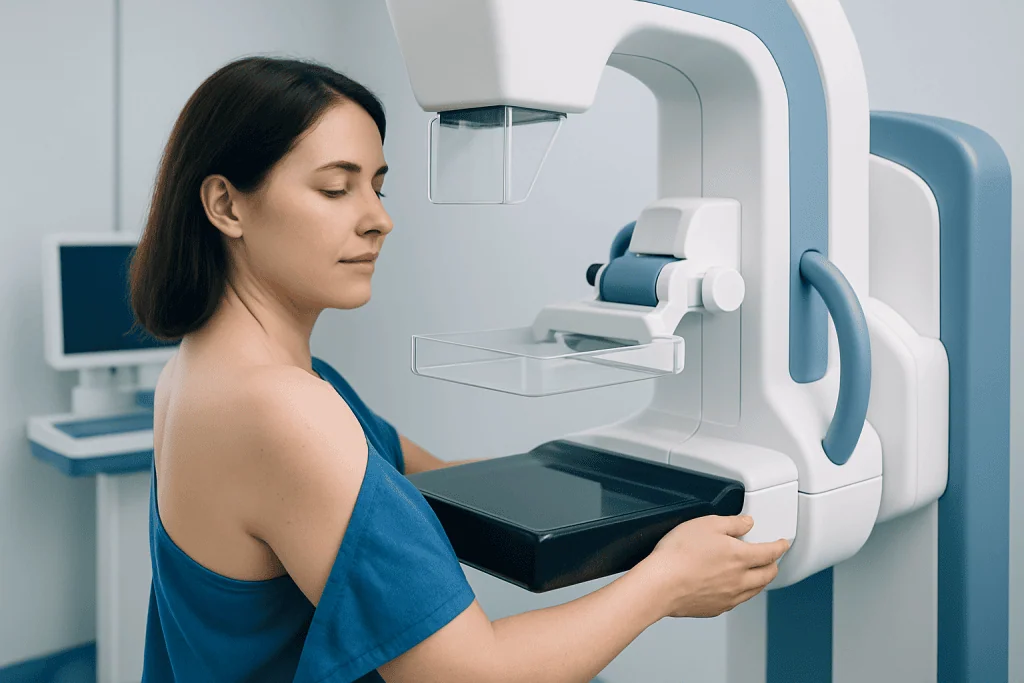
Breast lumps can feel very different depending on their cause. A cyst may feel smooth, round, and slightly tender, particularly before a menstrual period. A fibroadenoma, which is a common benign solid lump, often feels rubbery, well-defined, and mobile under the skin. Areas related to hormonal breast changes may feel lumpy or rope-like rather than like one clear mass.
Some breast cancers may feel hard, irregular, or fixed to surrounding tissue, but feel alone cannot reliably determine whether a lump is benign or malignant. Pain is also not a dependable guide. Many painful lumps are benign, but some cancers can be tender; many painless lumps are harmless, but some require urgent evaluation.
It is helpful for a person to notice whether the lump changes with the menstrual cycle, whether it is new or growing, and whether there are associated changes in the skin or nipple. These observations can support the medical assessment, but they do not replace an examination and appropriate imaging.
Benign Causes of Breast Lumps

Benign breast lumps are very common. They may occur at any age, though the most likely causes vary depending on life stage. In adolescents and younger adults, fibroadenomas and hormonal nodularity are frequent. In adults of reproductive age, cysts and fibrocystic breast changes are common. During breastfeeding, blocked milk ducts, mastitis, or abscesses can cause painful lumps.
Common benign causes include:
- Breast cysts: Fluid-filled sacs that may feel round, smooth, and tender.
- Fibroadenomas: Noncancerous solid tumors that are usually well-defined and movable.
- Fibrocystic changes: Hormone-related lumpiness, swelling, or breast discomfort, often worse before menstruation.
- Mastitis or abscess: Infection or inflammation, more common during breastfeeding, often with redness, warmth, pain, or fever.
- Fat necrosis: A firm lump that can develop after breast injury, surgery, radiation, or trauma.
- Intraductal papilloma: A small benign growth in a milk duct that may cause nipple discharge.
Even when a benign cause is likely, medical evaluation is important when the lump is new, persistent, enlarging, or associated with other changes. Some benign conditions need monitoring, while others may require treatment, drainage, antibiotics, or biopsy to confirm the diagnosis.
Breast Cancer Warning Signs
Breast cancer can appear in several ways, and not all cases begin with a noticeable lump. Warning signs are reasons to arrange prompt medical assessment, not reasons to assume cancer is present. Early evaluation helps doctors identify the cause and choose the right next step.
Changes that should be checked include:
- A new lump or thickening in the breast or underarm that does not go away
- A lump that feels hard, irregular, or fixed in place
- Change in breast size, shape, or contour
- Skin dimpling, puckering, redness, scaling, or an orange-peel texture
- New nipple inversion or pulling to one side
- Bloody, clear, or spontaneous nipple discharge, especially from one breast
- Persistent breast pain in one specific area
- Swelling or a lump in the armpit or around the collarbone
These signs can also be caused by noncancerous conditions such as infection, eczema, cysts, or duct problems. A doctor can determine whether imaging, laboratory tests, or biopsy is needed. People with a personal history of breast cancer, a strong family history, or known genetic risk should seek individualized advice about any new breast change.
How Doctors Evaluate a Breast Lump
Evaluation usually begins with a medical history and clinical breast examination. The doctor may ask when the lump was first noticed, whether it changes with the menstrual cycle, whether there is pain or nipple discharge, and whether there has been pregnancy, breastfeeding, breast injury, surgery, or hormone therapy. Family history and previous breast imaging results are also important.
Imaging is selected according to age, breast density, pregnancy or breastfeeding status, and the examination findings. Breast ultrasound is commonly used for younger women and is very helpful for distinguishing a fluid-filled cyst from a solid lump. Mammography is often used for women over 40 and may be recommended earlier depending on symptoms or risk factors. In some cases, both ultrasound and mammography are needed.
If imaging suggests that a lump is clearly benign, the doctor may recommend reassurance, treatment for symptoms, or follow-up imaging. If the finding is uncertain or suspicious, a biopsy is recommended. Core needle biopsy is commonly used and is performed with local anesthesia, often guided by ultrasound, mammography, or MRI. Pathology results provide the most reliable diagnosis.
Treatment Options
Treatment depends on the cause of the lump. Many benign breast cysts need no treatment if they are small and not painful. If a cyst is large or uncomfortable, a doctor may drain it with a fine needle. Fibroadenomas may be monitored if they are small and stable, but removal or biopsy may be recommended if they grow, cause symptoms, or have uncertain features.
Infections such as mastitis are treated according to the individual situation and may include supportive care, continued milk drainage when breastfeeding, and prescribed antibiotics when needed. An abscess may require drainage. Fat necrosis often improves without treatment, but it may need imaging or biopsy because it can sometimes look similar to other breast conditions.
If breast cancer is diagnosed, treatment is highly individualized. Options may include surgery, radiation therapy, chemotherapy, hormone therapy, targeted therapy, or a combination of treatments. The plan depends on the cancer type, stage, receptor status, overall health, and personal preferences. A multidisciplinary team helps explain the diagnosis and guide shared decision-making.
Prevention, Self-care, and Breast Awareness
Not all breast lumps can be prevented, but breast awareness can help people recognize changes early. Breast awareness means knowing what is normal for one’s own breasts, including usual texture, shape, and cyclical changes. A person may notice changes while showering, dressing, applying lotion, or looking in the mirror.
Healthy lifestyle choices may support overall breast health and general well-being. These include maintaining a healthy weight, being physically active, limiting alcohol, avoiding tobacco, and discussing the risks and benefits of hormone therapy with a doctor. During breastfeeding, prompt attention to blocked ducts or mastitis symptoms may help prevent complications.
Screening mammography is different from evaluating a lump. Screening is performed in people without symptoms to detect early changes, while diagnostic imaging investigates a specific concern. The right screening schedule depends on age, breast density, personal risk, family history, and national or local guidelines. A healthcare professional can help choose an appropriate plan.
When to See a Doctor
A person should arrange a medical appointment for any new breast lump, a lump that persists after the next menstrual period, or a lump that is increasing in size. Prompt assessment is also recommended for nipple changes, spontaneous or bloody discharge, skin dimpling, redness that does not improve, swelling in the armpit, or persistent one-sided breast pain.
Urgent care may be needed if a breast lump is accompanied by fever, significant redness, warmth, severe pain, or feeling unwell, as these can suggest infection or abscess. People who are pregnant or breastfeeding should still have new lumps assessed; many are benign, but evaluation can be adapted safely for these situations.
International patients seeking assessment can consult qualified breast specialists and diagnostic teams. Acibadem International’s multidisciplinary specialists and JCI-accredited hospitals diagnose and treat breast conditions, including benign breast disease and breast cancer, with individualized evaluation and care planning. Any treatment decision should be made after discussion with a licensed doctor who understands the patient’s full medical history.
Frequently asked questions
Are most breast lumps cancer?
No. Most breast lumps are benign, especially in younger women. However, it is not possible to know the cause with certainty by touch alone, so a new or persistent lump should be evaluated by a doctor.
Can a painful breast lump be cancer?
Painful breast lumps are often caused by benign conditions such as cysts, hormonal changes, or infection. Still, pain does not completely rule out cancer. A doctor should assess any persistent, new, or unusual lump.
What is the best test for a breast lump?
The best test depends on age, breast density, pregnancy status, and the features of the lump. Ultrasound is often used to tell whether a lump is solid or fluid-filled, while mammography can show calcifications and other breast tissue changes. Sometimes both tests and a biopsy are needed.
When is a biopsy needed?
A biopsy is recommended when imaging or examination shows suspicious or uncertain features. It removes a small tissue sample so a pathologist can confirm whether the lump is benign or cancerous. Many biopsies show benign results.
Do breast cysts need to be removed?
Many breast cysts do not need removal or treatment. If a cyst is large, painful, or uncertain on imaging, a doctor may drain it or recommend further evaluation. Follow-up depends on the cyst's appearance and symptoms.
Should men be concerned about a breast lump?
Yes. Men can develop benign breast swelling, cysts, infection, or, rarely, breast cancer. Any new lump, nipple discharge, nipple inversion, or skin change in a man's breast should be assessed by a healthcare professional.
References
- World Health Organization
- American Cancer Society
- National Cancer Institute
- American College of Radiology
- Mayo Clinic
This article is for general information only and is not a substitute for professional medical advice. Please consult a qualified doctor about your individual situation.
Oncology care in Turkey — second opinion and treatment plan
JCI-accredited · board-certified surgeons · reply within 24h