Broken Ankle Surgery: Procedure, Recovery and Results

Surgery is usually recommended for unstable, displaced, open, or multiple-bone ankle fractures. The procedure commonly uses plates, screws, rods, or other fixation devices to hold bones in the correct position while they heal.
Key Takeaways
- Surgery is usually recommended for unstable, displaced, open, or multiple-bone ankle fractures.
- The procedure commonly uses plates, screws, rods, or other fixation devices to hold bones in the correct position while they heal.
- Early recovery focuses on swelling control, wound care, pain management, and avoiding weight-bearing as directed.
- Walking often resumes gradually after healing is seen on follow-up imaging, but return to full comfort and function may take months.
- Urgent assessment is needed for worsening pain, numbness, circulation changes, fever, wound drainage, or new calf swelling.
Broken ankle surgery is used to restore stable alignment when an ankle fracture is displaced, unstable, involves the joint, or cannot be kept in position with a cast alone. Most people need a period of non-weight-bearing followed by gradual rehabilitation, and full recovery can take several months depending on the injury and overall health.
Broken Ankle Surgery: What It Is and Why It May Be Needed
Broken ankle surgery, also called ankle fracture fixation or open reduction and internal fixation (ORIF), is an operation that realigns broken ankle bones and holds them steady while they heal. It is typically considered when the ankle joint is unstable, the bones are out of position, or the fracture pattern is unlikely to heal well in a cast or boot alone. The aim is to restore the shape and stability of the ankle as accurately as possible, helping support walking and reduce the chance of long-term joint problems.
The ankle is formed mainly by the tibia (shinbone), fibula (outer lower-leg bone), and talus (a foot bone). A fracture may affect one or more of the bony prominences around the ankle, called malleoli, and may also damage the ligaments that help keep the joint aligned. A clinician will assess the fracture, the condition of the skin and soft tissues, circulation and nerve function, and a person’s activity needs before recommending treatment.
Not every broken ankle requires surgery. Stable fractures that remain well aligned can often be treated with immobilization and monitored closely. However, fractures involving joint displacement, widening between the tibia and fibula, dislocation, or breaks in more than one area frequently need surgical stabilization. Information about related ankle injuries is available in ankle fracture care.
Who May Be a Candidate for Surgery
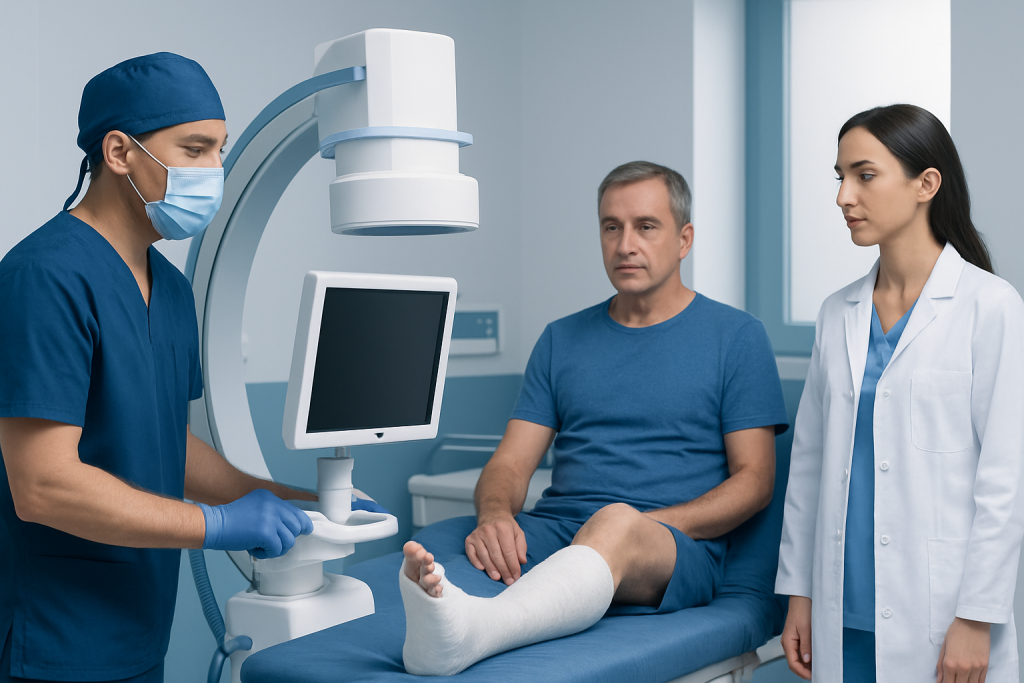
Orthopedic surgeons usually recommend surgery when an ankle fracture is displaced, unstable, open (where bone or deep tissue communicates with a wound), or associated with a dislocation. Surgery may also be considered if a fracture moves out of alignment during cast treatment, if the joint surface is uneven, or if ligament injury causes the ankle to shift abnormally.
Before surgery, the team reviews X-rays and may request a CT scan to better understand complex fractures. They also consider swelling, skin condition, diabetes, circulation, smoking status, medications, bone health, and previous injuries. Significant swelling can increase wound-healing risks, so surgery is sometimes delayed for several days while the leg is elevated and swelling settles. Temporary stabilization may be used if immediate definitive surgery is not appropriate.
Shared decision-making is important. The surgeon explains the likely benefits of restoring alignment, alternatives such as casting when suitable, and the possible complications of both surgical and non-surgical care. People should tell their care team about blood-thinning medicines, allergies, pregnancy, chronic health conditions, and any history of blood clots or anesthesia problems.
How Broken Ankle Surgery Works: Step by Step

Broken ankle surgery is commonly performed under general anesthesia, sometimes with an additional nerve block to help control pain after the operation. The procedure is usually planned after imaging has identified the fracture pattern. Antibiotics are commonly given around the time of surgery to reduce the risk of infection.
The surgeon makes carefully placed incisions over the injured part of the ankle. Fracture fragments are moved back into their proper anatomical position, a process called reduction. Plates and screws are frequently used to secure the fibula or tibia; in some fractures, screws, rods, wires, or a device between the tibia and fibula may be needed to stabilize the ligament connection known as the syndesmosis.
During the operation, imaging is used to confirm that the joint is aligned and the fixation is secure. The surgeon then closes the tissues and applies a splint, cast, or protective boot. The operation length varies with fracture complexity and whether there are associated injuries. Ankle fracture surgery may be part of a broader orthopedic plan that includes imaging, pain management, and supervised rehabilitation.
In selected severe injuries, especially those with substantial swelling or soft-tissue damage, treatment may occur in stages. An external frame may temporarily hold the ankle aligned until it is safer to carry out internal fixation. This approach helps protect the skin and soft tissues while maintaining the best possible position of the bones.
Benefits, Risks and Expected Results
The main benefit of broken ankle surgery is improved alignment and stability of the ankle joint. Accurate restoration of the joint can support bone healing, allow rehabilitation to progress safely, and may lower the likelihood of the ankle healing in a poorly aligned position. Even with well-performed treatment, however, a significant fracture can lead to lasting stiffness, swelling, weakness, or a future risk of post-traumatic arthritis.
All operations have potential risks. For ankle fracture surgery, these include infection, bleeding, delayed wound healing, numbness near the incision, blood clots, damage to nearby nerves or blood vessels, problems with bone healing, and loss of alignment. Hardware can occasionally become prominent or irritating, and some people later discuss hardware removal if it causes symptoms after the fracture has healed.
Factors such as diabetes, poor circulation, smoking, severe swelling, open injury, and high-energy trauma can increase complication risks. Following the postoperative plan, including keeping appointments and avoiding weight-bearing until cleared, is an important part of protecting the result. The orthopedic team can explain the risks most relevant to the individual fracture and health circumstances.
Broken Ankle Surgery Recovery Timeline and Rehabilitation
A broken ankle surgery recovery timeline differs from person to person. In the first one to two weeks, care generally focuses on elevation, swelling control, protecting the splint or boot, and keeping the surgical wound clean and dry as instructed. A follow-up visit is commonly arranged to assess the incision, remove sutures or staples when appropriate, and review the next phase of immobilization.
For many fractures, weight-bearing is restricted for several weeks, often until follow-up X-rays show satisfactory healing. The exact restriction may be strict non-weight-bearing, touch-down weight-bearing, or a gradual increase in load; it depends on the fracture, fixation, bone quality, and surgeon’s instructions. Crutches, a walker, knee scooter, or wheelchair can help a person move safely during this period.
After protection is reduced, rehabilitation usually begins or intensifies. Physical therapy may include ankle range-of-motion exercises, gradual strengthening, balance training, gait retraining, and work on flexibility. Returning to low-impact daily activities may occur before the ankle feels fully normal. Swelling after activity can persist for months, particularly later in the day.
Bone healing often takes around six to 12 weeks, but broken ankle recovery time after surgery is usually longer than bone healing alone. Many people continue improving for six months or more, and recovery can take up to a year after complex injuries. Progress is better judged by clinical reviews and imaging than by comparing recovery with another person’s experience. Physical therapy and rehabilitation can help restore movement, confidence, and safe function as healing allows.
How Long Does It Take to Walk Again After Broken Ankle Surgery?
Walking again after broken ankle surgery usually happens in stages rather than all at once. Many patients use crutches, a walker, or another mobility aid and do not put weight on the operated ankle for several weeks. Once the surgeon confirms that the fracture is healing adequately, weight-bearing may start gradually in a boot or supportive shoe.
Some people begin partial weight-bearing at about six weeks, while others need longer protection, especially after complex fractures, ligament injury, poor bone quality, or complications. Walking without an aid may take additional weeks because ankle strength, motion, balance, and confidence need to return. The surgeon’s instructions should take priority over general timelines.
It is common to limp initially or feel stiffness when walking resumes. Gradual rehabilitation, properly fitted footwear, and not advancing activity too quickly can help. Sudden increases in pain, swelling, or instability should be discussed with the treating team rather than pushed through.
What Are the Worst Days After Ankle Surgery?
For many people, the first two to three days after ankle surgery are the most uncomfortable because the initial effects of anesthesia or a nerve block wear off and swelling may increase. Pain can also feel more noticeable if the foot remains below heart level for long periods. Keeping the leg elevated as instructed, using prescribed or recommended pain relief safely, and protecting the splint can make this early phase more manageable.
Broken ankle surgery recovery pain varies widely with the injury and procedure. It is expected that there will be soreness, tightness, bruising, and swelling, but pain should generally become more manageable over time. The care team may recommend a combination of measures, such as medication, elevation, ice only if approved and used safely around the dressing, and rest.
Severe pain that is not improving with the prescribed plan, especially if combined with numbness, pale or blue toes, increasing tightness, fever, or drainage from the wound, needs prompt medical advice. These symptoms do not always mean a serious problem, but they should be assessed without delay.
Is Ankle Surgery One of the Most Painful?
Ankle surgery can be painful during the early recovery period, particularly because the ankle is a small joint with limited room for swelling and is needed for standing and walking. However, pain experiences differ considerably. The type of fracture, amount of soft-tissue injury, timing of surgery, individual pain sensitivity, and the pain-control plan all influence what a person feels.
It is not useful to rank operations by pain because experiences vary and pain can usually be managed with an individualized plan. A nerve block may provide temporary relief after surgery, while medication and non-medication strategies support comfort as healing progresses. Patients should take medicines only as directed and ask their clinician before combining prescription medicines with over-the-counter products.
Open communication with the care team is important. Pain that interferes with sleep, hydration, mobility, or basic daily needs may mean the plan needs adjustment. Good pain control supports rest and safe participation in rehabilitation, but it should always be balanced with medication safety.
How Long Is Bed Rest After Ankle Surgery?
Complete bed rest is usually not required for a long period after ankle surgery. Most people are encouraged to rest with the ankle elevated during the first days, but to move safely around the home using approved mobility aids and to perform gentle movements recommended by their care team. This helps maintain general circulation and reduces the effects of prolonged inactivity.
The key restriction is typically avoiding weight-bearing on the operated foot, not remaining in bed continuously. People should follow instructions about safe transfers, stair use, showering, and exercises. They may be advised to move their toes and, if permitted, perform gentle knee and hip movements while keeping the ankle protected.
Extended immobility can increase the risk of deconditioning and blood clots. For this reason, the team may recommend early safe mobility and, for some patients, preventive measures for blood clots. Individual restrictions can differ, so patients should ask their surgeon what activity level is appropriate for their specific operation.
Broken Ankle Surgery Recovery Tips and When to Seek Medical Care
Useful broken ankle surgery recovery tips include keeping follow-up appointments, elevating the leg as recommended, avoiding smoking and nicotine products, eating a balanced diet with adequate protein, and using mobility aids correctly. It is important not to get a splint, cast, or wound dressing wet unless the care team says it is safe. Driving should not resume until the clinician confirms it is safe and the person can reliably control the vehicle without impairing medicines.
Medical care should be sought urgently for increasing severe pain, toes that become cold, pale, blue, or numb, a tight cast or splint, uncontrolled bleeding, chest pain, sudden shortness of breath, or fainting. Promptly contact the surgical team for fever, worsening redness, unusual wound drainage or odor, new calf pain or swelling, or pain that suddenly worsens after previously improving.
Recovery can require support from orthopedic surgeons, anesthesiology and pain teams, physical therapists, nurses, and imaging specialists. Acibadem International’s multidisciplinary specialists and JCI-accredited hospitals diagnose and treat ankle fractures for international patients, with care plans tailored to the injury and recovery needs.
Frequently asked questions
Will plates and screws stay in after broken ankle surgery?
In many cases, plates and screws remain in place permanently after the bone heals. They are designed to support the fracture during healing and often do not cause symptoms. Removal may be discussed later if hardware causes persistent irritation, pain, infection, or another specific problem.
Can a broken ankle heal without surgery?
Yes, some stable and well-aligned ankle fractures can heal with a cast, boot, and close follow-up. Surgery is more likely when the joint is unstable, bones are displaced, several areas are broken, or a ligament injury allows the ankle to shift. Imaging and clinical examination determine which approach is safest.
When can someone shower after ankle surgery?
Showering guidance depends on the incision, dressing, splint, or cast. The wound and any non-waterproof dressing generally need to stay dry until the surgical team confirms otherwise. A waterproof cover and a stable shower setup may help, but patients should follow their own postoperative instructions.
How long does swelling last after broken ankle surgery?
Swelling is common for weeks and may continue intermittently for several months, especially after standing or walking. It generally improves gradually with healing, elevation, movement as permitted, and rehabilitation. Persistent worsening swelling or swelling with calf pain, breathing symptoms, or skin changes should be assessed promptly.
When can a person return to work after ankle surgery?
Return-to-work timing depends on the job, the injured side, mobility requirements, pain control, and whether driving is needed. Desk-based work may be possible earlier with appropriate adjustments, while jobs requiring prolonged standing, climbing, lifting, or physical labor usually require a longer recovery. The surgeon or rehabilitation team can provide individualized guidance.
Will the ankle be normal after surgery?
Many people regain useful walking ability and return to everyday activities after ankle fracture surgery. Some may have ongoing stiffness, reduced range of motion, swelling, sensitivity around the scar, or discomfort with high-impact activity. Outcomes depend on the severity of the original injury, joint damage, healing, and rehabilitation.
References
- American Academy of Orthopaedic Surgeons
- National Institute for Health and Care Excellence
- National Health Service
- OrthoInfo – American Academy of Orthopaedic Surgeons
- Mayo Clinic
This article is for general information only and is not a substitute for professional medical advice. Please consult a qualified doctor about your individual situation.
Joint and spine care in Turkey — expert assessment & treatment
JCI-accredited · board-certified surgeons · reply within 24h
Add us as a Preferred Source to see more of our trusted health content across Google Search, AI Overviews and Discover.