Can You Smoke Before a Colonoscopy: Preparation, Procedure and Results
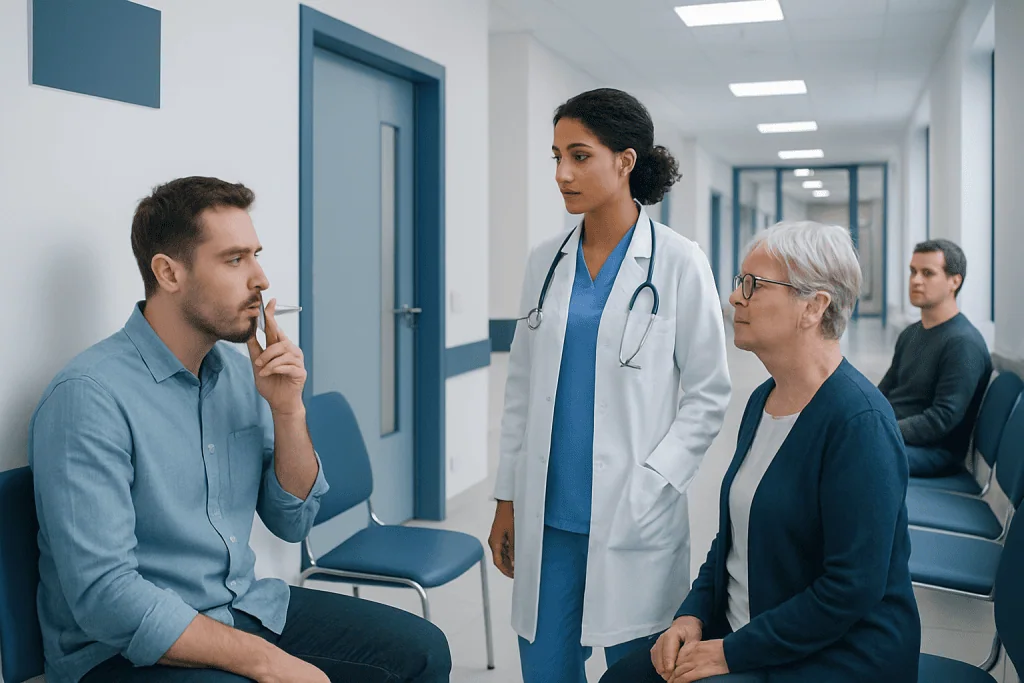
Avoid smoking, vaping and nicotine products during colonoscopy preparation unless the care team gives different instructions. Tell the endoscopy team about smoking, vaping, nicotine replacement, cannabis, alcohol and all medicines before the procedure.
Key Takeaways
- Avoid smoking, vaping and nicotine products during colonoscopy preparation unless the care team gives different instructions.
- Tell the endoscopy team about smoking, vaping, nicotine replacement, cannabis, alcohol and all medicines before the procedure.
- A clear bowel is essential because stool or cloudy liquid can hide polyps and other abnormalities.
- Most people spend several hours having frequent bowel movements after starting the bowel preparation, but it is not always an entire night.
- After sedation, patients need a responsible adult to take them home and should avoid driving, alcohol and important decisions for 24 hours.
Smoking or vaping before a colonoscopy is generally discouraged, particularly on the day of the procedure. Tobacco and nicotine products can affect breathing, heart rate, sedation safety and the quality of preparation, so patients should follow the instructions from their endoscopy team.
Can you smoke before a colonoscopy?
In most cases, patients should not smoke or vape before a colonoscopy, especially on the day of the examination. Smoking tobacco, using e-cigarettes or vaping products, and using cannabis can irritate the airways and may affect breathing, blood pressure, heart rate and the medicines used for sedation.
Instructions can differ between hospitals and according to the type of sedation planned. Patients should contact their endoscopy unit if they smoke regularly, use nicotine replacement products, or use cannabis in any form. They should be honest about use, as this helps the anesthesia and gastroenterology teams plan the safest care; it does not mean the procedure will automatically be cancelled.
Colonoscopies examine the lining of the large bowel using a flexible camera. They are used to investigate symptoms such as rectal bleeding or persistent bowel changes and to screen for colorectal cancer. During the examination, a clinician can often remove polyps or take tissue samples for laboratory assessment.
How colonoscopy preparation and the procedure work
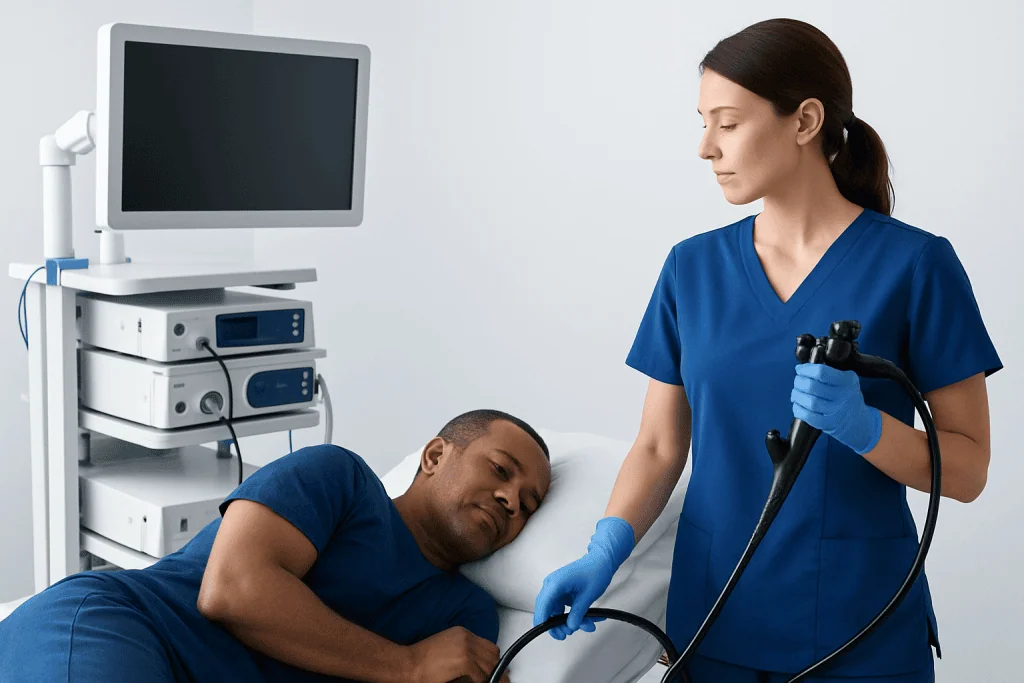
Successful colonoscopy depends on bowel cleansing. In the days before the test, patients may be asked to adjust fibre intake and temporarily stop selected medicines or supplements. The exact plan depends on medical history, kidney function, diabetes treatment, blood-thinning medicines and the reason for the examination.
Usually, patients follow a clear-liquid diet for the period specified by their clinical team and drink a prescribed bowel-cleansing solution. Many centres use split-dose preparation: one part is taken the evening before and the rest is taken several hours before the procedure. This approach often gives a cleaner bowel than taking all of the preparation at once.
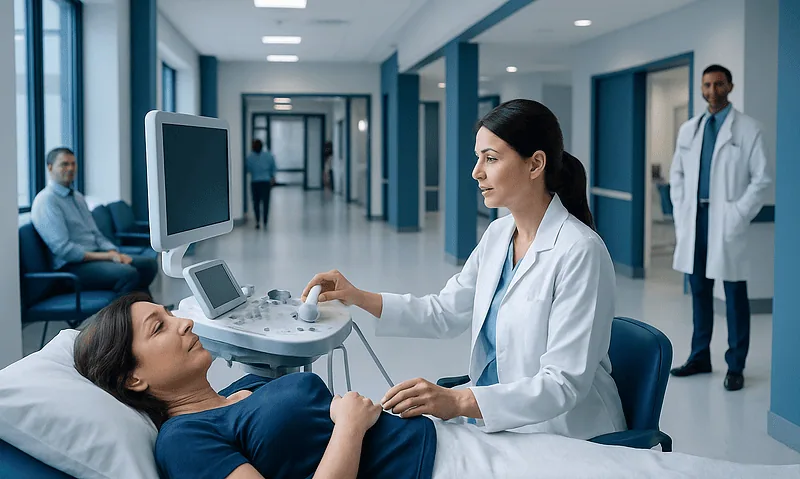
At the appointment, staff review medical history, allergies and medicines, place an intravenous line if sedation is planned, and monitor vital signs. The colonoscope is passed gently through the rectum and colon while air or carbon dioxide is used to expand the bowel for viewing. A typical examination may take less than an hour, although timing varies if polyps are removed or samples are needed.
Adults may be candidates for colonoscopy because of age-based screening recommendations, a family history of colorectal cancer or polyps, inflammatory bowel disease surveillance, a positive stool test, anemia, unexplained bleeding or ongoing changes in bowel habits. A clinician determines whether colonoscopy is appropriate and when it should be performed.
What not to do during colonoscopy prep?
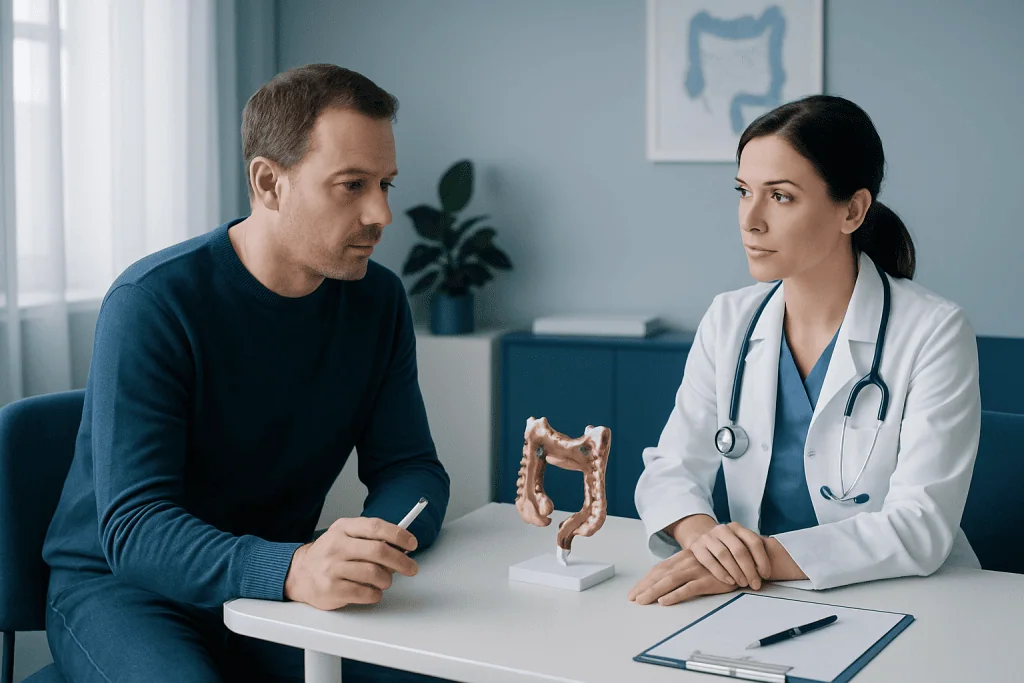
Patients should not eat solid food once their instructions say to begin a clear-liquid diet. They should also avoid drinks that are red, purple or blue, since these colors can resemble blood or stain the bowel lining. Milk, cream, smoothies, juices with pulp and alcohol are usually not permitted during the clear-liquid phase.
Do not stop or continue prescription medicines without guidance. Blood thinners, diabetes medicines, iron supplements, certain weight-management medicines and medicines that affect kidney function may require individualized instructions. People should ask early, ideally when the procedure is booked, rather than waiting until the day before.
Smoking, vaping and recreational drug use should be avoided because they can complicate sedation and recovery. Patients should not chew gum, suck sweets or drink liquids after the fasting cutoff given by their endoscopy unit. Even seemingly small departures from the preparation plan can affect safety or result in an incomplete examination.
- Do not substitute a different laxative or bowel preparation unless instructed.
- Do not assume over-the-counter supplements are harmless; report all vitamins and herbal products.
- Do not arrange to drive home if sedation is planned.
Will I be on the toilet all night with colonoscopy prep?
Frequent, urgent bowel movements are expected after the bowel preparation begins. For many people, this starts within a few hours, although the timing differs based on the preparation type, diet, individual bowel habits and whether a split-dose regimen is used. Staying close to a toilet is important.
Some people do need to use the toilet repeatedly during the evening or night, but this does not happen in the same way for everyone. The goal is for bowel output to become watery and yellow or clear, without solid pieces. Patients should continue the preparation exactly as instructed even if they feel they have already emptied their bowel.
Keeping hydrated with approved clear liquids can help replace fluid lost through diarrhea. Soft toilet tissue, fragrance-free wipes and a protective barrier cream may reduce skin irritation. Patients should call the endoscopy team if they cannot keep the solution down, have severe or worsening abdominal pain, feel faint, or have concerns about whether the preparation is working.
Can you brush your teeth with toothpaste before a colonoscopy?
Brushing the teeth with a small amount of toothpaste is usually allowed on the morning of a colonoscopy, but patients should avoid swallowing toothpaste or water. The fasting instructions provided by the endoscopy unit take priority, particularly when sedation or anesthesia is planned.
After brushing, patients should spit out the toothpaste thoroughly. They should not rinse and swallow water, chew gum, use mints, or consume any food or drink after the stated cutoff time unless their care team has specifically permitted it. These restrictions help reduce the risk of stomach contents entering the lungs during sedation.
People with dry mouth, dentures, diabetes, reflux disease or special medication needs may need tailored advice. A brief call to the unit can clarify what is allowed if any instruction is unclear.
What can mess up a colonoscopy?
The most common reason for a limited or repeated colonoscopy is inadequate bowel cleansing. Remaining stool, seeds, fibrous food particles or dark liquid can block the camera view and allow small polyps or inflamed areas to be missed. Not finishing the prescribed preparation, taking it at the wrong time, or eating restricted foods can all reduce the quality of the examination.
Some medicines can also interfere with preparation or procedure safety. For example, iron may darken stool, certain diabetes medicines can increase the risk of low blood sugar during fasting, and blood thinners may affect whether a polyp can be removed safely. This is why medication review is an essential part of preparation.
Smoking or vaping shortly before sedation may increase airway irritation and breathing-related risks. Failure to disclose tobacco, nicotine, alcohol, cannabis or other substance use can make it harder for clinicians to select and monitor sedation appropriately. If a preparation is poor, the clinician may recommend repeating the test sooner than usual.
Colonoscopy is generally safe and can prevent colorectal cancer by finding and removing some precancerous polyps. Uncommon risks include bleeding after polyp removal, a tear in the bowel wall, a reaction to sedation and temporary bloating or cramping. The care team discusses relevant risks and benefits before consent.
Recovery, results and when to seek medical care
After a sedated colonoscopy, patients rest in a recovery area while the sedative effects wear off. Mild bloating, gas and brief cramps can occur as air leaves the bowel. Most people can return to eating according to their discharge instructions and resume usual activities the following day, although recovery recommendations may differ after extensive polyp removal.
Because judgment and coordination can remain impaired, patients should have a responsible adult accompany them home after sedation. They should not drive, operate machinery, drink alcohol, sign important documents or make major decisions for 24 hours. The clinician may share initial findings before discharge, while biopsy results usually take longer and are communicated separately.
Patients should seek urgent medical care for severe or increasing abdominal pain, a hard or markedly swollen abdomen, fever, persistent vomiting, fainting, trouble breathing, or heavy rectal bleeding. A small amount of blood can occur after some polyp removals, but bleeding that is substantial, persistent or accompanied by dizziness needs prompt assessment.
Acibadem International’s multidisciplinary specialists and JCI-accredited hospitals diagnose and treat digestive conditions for international patients. Patients considering a colonoscopy should discuss their symptoms, risk factors, medication list and preparation concerns with a qualified gastroenterology team.
Frequently asked questions
Can I smoke the night before a colonoscopy?
It is best to avoid smoking and vaping the night before and on the day of a colonoscopy. Tobacco and vaping products can irritate the airways and may influence sedation safety. Patients should follow their endoscopy unit's specific instructions and disclose all nicotine or cannabis use.
Can nicotine gum or a nicotine patch be used before a colonoscopy?
Nicotine replacement should not be assumed to be automatically permitted or prohibited. A nicotine patch may be handled differently from nicotine gum, which can conflict with fasting instructions because it is chewed and swallowed saliva may contain nicotine. Patients should ask the endoscopy team before using any nicotine replacement product.
Can I vape before a colonoscopy?
Vaping is generally treated similarly to smoking before a sedated procedure. It can irritate the lungs and airways and may affect breathing during sedation. Patients should avoid vaping as instructed and tell the clinical team if they have vaped recently.
What should bowel movements look like before colonoscopy?
By the end of preparation, bowel output should generally be watery, light yellow and mostly clear, without solid stool particles. The exact appearance can vary somewhat. If output remains brown, thick or contains solid material close to the procedure, the patient should contact the endoscopy unit for advice.
Can I take my usual medicines before a colonoscopy?
Some medicines can be continued with a small sip of water, while others may need to be paused or adjusted. This is particularly important for blood thinners, diabetes medicines, iron, some injectable weight-management medicines and certain supplements. Patients should receive individualized guidance from the prescribing clinician or endoscopy team.
How long does it take to feel normal after a colonoscopy?
Bloating and mild cramping often improve within hours after the examination. Sedation effects can last through the rest of the day, so patients should rest and avoid driving or alcohol for 24 hours. Recovery may take longer if a large polyp was removed or if the clinician gives special discharge instructions.
References
- American Society for Gastrointestinal Endoscopy
- American College of Gastroenterology
- National Institute of Diabetes and Digestive and Kidney Diseases
- National Health Service
- Centers for Disease Control and Prevention
This article is for general information only and is not a substitute for professional medical advice. Please consult a qualified doctor about your individual situation.
Persistent digestive symptoms? Get evaluated in Turkey
JCI-accredited · board-certified surgeons · reply within 24h
Add us as a Preferred Source to see more of our trusted health content across Google Search, AI Overviews and Discover.
Check your numbers in seconds
BMI, calories, due date, blood pressure and 30+ more clinical calculators — free, instant, doctor-reviewed ranges.