

Can You Lose Weight While Pregnant? Here Is What the Evidence Says

Mild weight loss in the first trimester can happen and is often linked to morning sickness. Intentional dieting for weight loss during pregnancy is usually not advised because nutrition needs increase.
Key Takeaways
- Mild weight loss in the first trimester can happen and is often linked to morning sickness.
- Intentional dieting for weight loss during pregnancy is usually not advised because nutrition needs increase.
- A doctor may review symptoms, check hydration and growth, and look for causes such as severe nausea, thyroid disease, diabetes, or digestive problems.
- Warning signs include ongoing vomiting, dehydration, abdominal pain, bleeding, fever, reduced fetal movement later in pregnancy, or weight loss after the first trimester.
- The safest goal in pregnancy is usually healthy nourishment and appropriate weight gain based on individual medical advice.
Can you lose weight while pregnant? Sometimes, yes—especially in early pregnancy from nausea, vomiting, or appetite changes—and this is often harmless if the pregnant person and baby are otherwise doing well. Intentional weight loss is usually not recommended during pregnancy, so persistent, significant, or late-pregnancy weight loss should be discussed with a doctor.
Overview: what the evidence says
In many pregnancies, a small amount of weight loss early on is not unusual. Nausea, vomiting, food aversions, and changes in appetite can make eating harder in the first trimester, and some people lose a little weight before later gaining it back. If symptoms are mild, hydration is good, and prenatal care is otherwise reassuring, this may not signal a serious problem.
However, intentional weight loss during pregnancy is usually not recommended. Pregnancy increases the need for energy, protein, vitamins, minerals, and fluids. For that reason, most clinicians focus less on “losing weight” and more on balanced nutrition, symptom control, and steady monitoring of the pregnant person’s health and the baby’s growth.
The key question is not simply whether weight is going down, but why. Brief early changes can be harmless, while ongoing or more pronounced weight loss may point to severe morning sickness, an underlying medical condition, emotional stress, or inadequate nutrition. A doctor can help distinguish normal early-pregnancy changes from situations that need treatment.
When weight loss may be normal in pregnancy
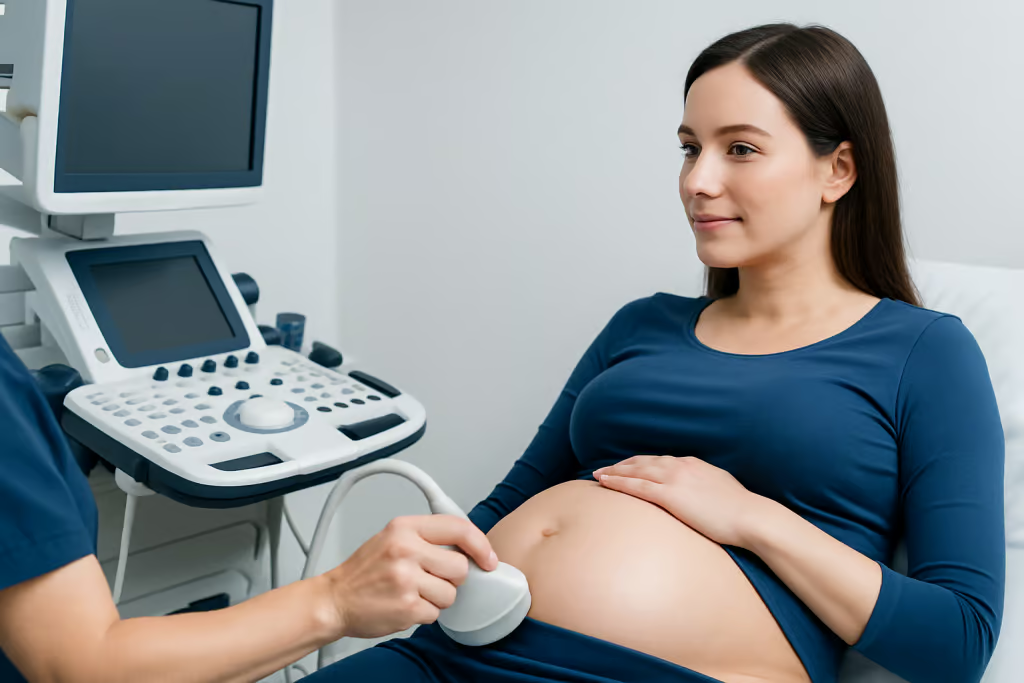
The most common time to notice weight loss is early pregnancy. During the first trimester, hormonal changes can trigger nausea and vomiting, a reduced appetite, sensitivity to smells, and new dislikes for foods that were previously well tolerated. Some people also eat smaller portions because bloating, reflux, or fatigue makes regular meals less appealing.
For many, this early weight loss is temporary. Once nausea improves, appetite often returns and weight gain follows later in the second and third trimesters. This pattern can still be consistent with a healthy pregnancy, especially when prenatal visits show normal blood pressure, hydration, and expected fetal development.
Body size before pregnancy also matters. People who begin pregnancy in a higher weight category may receive individualized guidance about healthy weight gain targets, but this is different from trying to lose weight. Even in that setting, the aim is usually nutrient-dense eating and physical activity as advised by a clinician, not restrictive dieting.
Red flags that should be medically reviewed
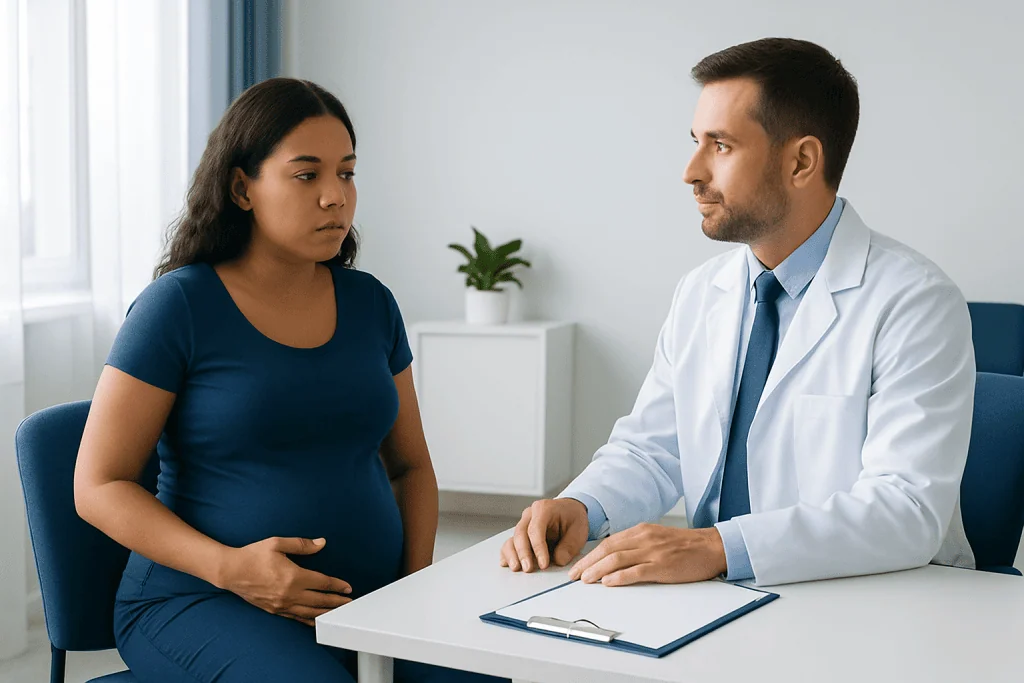
Although mild early weight loss can be harmless, some patterns deserve prompt attention. Weight loss that continues beyond the first trimester, is rapid, or is accompanied by signs of dehydration or illness should be assessed. This is especially important if eating and drinking have become difficult or if there is concern that the baby is not growing as expected.
Warning signs include persistent vomiting, inability to keep fluids down, dizziness, fainting, very dark urine, reduced urination, fever, severe abdominal pain, vaginal bleeding, or diarrhea lasting more than a day or two. In later pregnancy, reduced fetal movement should also be reported urgently. Severe nausea and vomiting may sometimes reflect hyperemesis gravidarum, which can require medical treatment.
Weight loss can also occasionally be linked to medical conditions unrelated to pregnancy itself. Examples include thyroid disease, poorly controlled diabetes, gastrointestinal disorders, infections, depression, and significant stress. A clinical review helps identify whether the weight change is a temporary pregnancy symptom or a sign of something else.
Common causes of weight loss during pregnancy
Morning sickness is the leading explanation for early pregnancy weight loss. Nausea may be worst in the morning, but it can happen at any time of day. Some people mainly have food aversions and reduced intake, while others experience repeated vomiting. Reflux, constipation, and bloating may also reduce appetite and contribute to eating less.
Less common causes include severe or prolonged vomiting, digestive illnesses, infections, and endocrine conditions such as overactive thyroid disease. Emotional factors matter too. Anxiety, low mood, and major life stress can affect appetite, sleep, and eating patterns during pregnancy. Doctors consider both physical and mental health when evaluating unexplained weight loss.
Sometimes the issue is not true tissue loss, but shifts in fluid balance. A person may weigh less than expected because they are dehydrated from vomiting or have temporarily reduced food intake. This is one reason clinicians look beyond the number on the scale and ask about symptoms, fluid intake, urine output, and how the pregnancy is progressing overall.
How doctors evaluate weight loss in pregnancy
If weight loss is reported, the first step is usually a careful history. A doctor or midwife may ask when the weight change began, how much weight has been lost, whether nausea or vomiting is present, what foods and fluids are tolerated, and whether there are symptoms such as fever, abdominal pain, diarrhea, palpitations, or mood changes. They also review weight before pregnancy, medications, and any chronic conditions.
The physical exam may include blood pressure, pulse, signs of dehydration, abdominal assessment, and checks for overall well-being. Depending on the stage of pregnancy, clinicians monitor fetal growth and heart activity. In some cases, ultrasound is used to confirm dating, assess growth, or evaluate concerns about the pregnancy.
Tests are guided by symptoms rather than done routinely for everyone. A clinician may consider urine testing for dehydration or ketones, blood tests for electrolyte imbalance, thyroid function, blood sugar, anemia, or infection, and other studies if digestive or hormonal causes are suspected. The main goal is to find out whether this is a typical early-pregnancy pattern or a problem that needs treatment.
Treatment and practical next steps
Treatment depends on the cause. If nausea and vomiting are the main issue, management often starts with small, frequent meals, sipping fluids throughout the day, and choosing bland or easy-to-tolerate foods. Some people do better with dry foods on waking, cold meals with less odor, or eating modest amounts every two to three hours rather than large meals.
Doctors may recommend safe anti-nausea strategies or prescribe medication when symptoms are stronger or persistent. If dehydration is present, fluids and electrolyte support may be needed; more severe cases can require hospital-based care. When weight loss is related to an endocrine, digestive, or mental health condition, treatment focuses on that underlying issue. In select cases, doctors may evaluate associated concerns such as gestational diabetes or refer for perinatology care when pregnancy monitoring needs to be more specialized.
Nutritional support can be very helpful, especially when appetite is poor. A clinician or dietitian can suggest practical ways to increase protein and calories without making meals overwhelming. The aim is not to force eating, but to support adequate nourishment, comfort, and safe pregnancy progress.
Why intentional weight loss is usually not advised
Even if someone begins pregnancy overweight or with obesity, intentional weight loss through restrictive dieting is generally discouraged unless a specialist gives individualized advice. Pregnancy is not an ideal time for aggressive calorie reduction, fasting plans, detoxes, or weight-loss medications. The developing baby depends on a steady supply of nutrients, and the pregnant person needs enough fuel for normal body changes and placental growth.
That said, healthy lifestyle changes are often encouraged. Choosing nutrient-dense foods, limiting ultra-processed snacks, staying active within pregnancy-safe limits, and attending regular prenatal visits can support appropriate weight gain and metabolic health. In this setting, success is measured by overall health and pregnancy outcomes rather than by the scale alone.
If concerns about weight are causing stress, it is worth raising them openly at prenatal visits. Many people worry about “gaining too much” or wonder whether they should try to lose weight instead. A personalized plan is safer than self-directed dieting, especially during pregnancy.
When to seek medical care
Medical advice should be sought if weight loss is ongoing, happens after the first trimester, or is paired with symptoms that suggest dehydration or illness. Contact a healthcare professional promptly if there is persistent vomiting, inability to keep food or fluids down, fainting, severe weakness, fever, abdominal pain, vaginal bleeding, or signs of reduced urination.
Urgent review is also important later in pregnancy if fetal movements seem reduced or if there is a sudden change in overall well-being. Regular prenatal checks help track whether weight change is affecting maternal health or fetal growth, and they allow problems to be treated early. If a higher level of assessment is needed, clinicians may use fetal monitoring and other obstetric evaluations.
For international patients who need coordinated pregnancy assessment, Acibadem International’s multidisciplinary specialists and JCI-accredited hospitals diagnose and manage pregnancy-related symptoms, including significant nausea, dehydration, and unexplained weight loss. A qualified obstetric clinician can provide individualized guidance based on the stage of pregnancy and the person’s overall health.
Frequently asked questions
Can you lose weight while pregnant and still have a healthy pregnancy?
Yes, especially in early pregnancy, a small amount of weight loss can occur because of nausea, vomiting, or reduced appetite. Many people then regain weight later as symptoms improve. The important issue is whether the pregnancy is otherwise progressing normally and whether hydration and nutrition are adequate.
Is it safe to try to lose weight while pregnant?
In most cases, intentional weight loss is not advised during pregnancy. Restrictive diets may reduce important nutrients needed by both the pregnant person and the developing baby. It is safer to focus on balanced eating, appropriate activity, and prenatal guidance tailored to individual health needs.
How much weight loss in the first trimester is considered normal?
There is no single number that applies to everyone because pre-pregnancy weight, symptoms, and pregnancy progress differ from person to person. Mild early weight loss is often linked to morning sickness and may not be concerning if the person can stay hydrated and prenatal checks are reassuring. Ongoing or more noticeable loss should be discussed with a clinician.
What causes unintentional weight loss during pregnancy?
Common causes include morning sickness, vomiting, food aversions, reflux, and appetite changes. Less commonly, weight loss may be related to dehydration, thyroid disease, infection, digestive conditions, diabetes, or emotional stress. A medical review helps identify the cause and whether treatment is needed.
When should weight loss during pregnancy be checked by a doctor?
A doctor should be contacted if weight loss continues beyond the first trimester, is rapid, or happens together with vomiting, dizziness, dark urine, severe weakness, fever, abdominal pain, or bleeding. Reduced fetal movement later in pregnancy also needs urgent assessment. These symptoms do not always mean something serious, but they should not be ignored.
What will a doctor do to assess weight loss in pregnancy?
The doctor will usually ask about symptoms, eating and drinking, how long the weight loss has been happening, and any other medical conditions. They may check for dehydration, review the baby’s growth, and order tests if needed, such as urine tests, blood work, or an ultrasound. Treatment then depends on the underlying cause.
References
- American College of Obstetricians and Gynecologists
- Centers for Disease Control and Prevention
- National Institute of Diabetes and Digestive and Kidney Diseases
- National Health Service
- World Health Organization
This article is for general information only and is not a substitute for professional medical advice. Please consult a qualified doctor about your individual situation.
Medical weight-loss options in Turkey — costs & eligibility
JCI-accredited · board-certified surgeons · reply within 24h
Check your numbers in seconds
BMI, calories, due date, blood pressure and 30+ more clinical calculators — free, instant, doctor-reviewed ranges.

More from the Health Library



Related Specialists

Dr. İlkar Aydın
Radiology
Dr. Ahmad Nejat Ghaffarı
Infectious Diseases and Clinical Microbiology
Assoc. Prof. Dr. Aylin Önder Dirican
Gynecology & Obstetrics
Dr. Fikret Çolak
Radiology