Cardiothoracic Surgeon — Explained by Medical Evidence, Not Myths

A cardiothoracic surgeon treats conditions affecting the heart, lungs, chest, and major vessels using surgical and procedural care. Not every patient referred to a cardiothoracic surgeon needs an operation; some need evaluation, monitoring, or a different treatment plan.
Key Takeaways
- A cardiothoracic surgeon treats conditions affecting the heart, lungs, chest, and major vessels using surgical and procedural care.
- Not every patient referred to a cardiothoracic surgeon needs an operation; some need evaluation, monitoring, or a different treatment plan.
- These specialists work closely with cardiologists, pulmonologists, anesthesiologists, intensivists, and rehabilitation teams.
- Common reasons for referral include coronary artery disease, valve disease, lung nodules or cancer, chest trauma, and certain aortic problems.
- Seeking timely medical assessment is important for chest pain, shortness of breath, fainting, coughing blood, or sudden severe symptoms.
A cardiothoracic surgeon is a doctor trained to diagnose and surgically treat diseases of the heart, lungs, chest, and nearby major blood vessels. In practice, this specialist is involved not only in operations, but also in deciding whether surgery is needed, coordinating tests, and guiding recovery with a wider care team.
Overview: what a cardiothoracic surgeon actually does
A cardiothoracic surgeon is a physician who specializes in operations involving the heart, lungs, esophagus, chest wall, and major blood vessels in the chest. The name can sound narrow, but the role is broad: this specialist evaluates imaging and test results, helps confirm a diagnosis, decides whether surgery is appropriate, explains benefits and risks, performs operations, and oversees early recovery.
Medical evidence does not support the common myth that a referral to a cardiothoracic surgeon automatically means a major operation is inevitable. In many cases, the consultation is part of careful decision-making. Some patients are better treated with medicines, minimally invasive procedures, catheter-based therapies, radiation or chemotherapy, or watchful follow-up rather than surgery.
The field includes two closely related areas. Cardiac surgery focuses on the heart and great vessels, while thoracic surgery focuses more on the lungs, pleura, esophagus, mediastinum, and chest wall. Depending on the health system and the surgeon’s training, one specialist may practice across both areas, or there may be separate cardiac and thoracic surgeons.
Conditions a cardiothoracic surgeon may treat
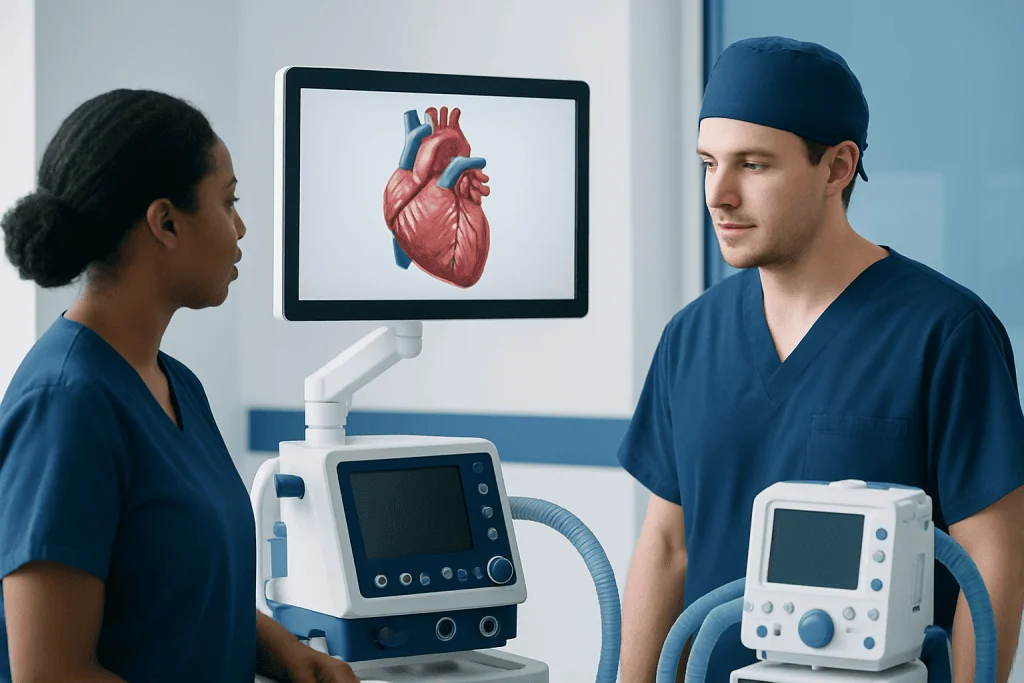
Cardiothoracic surgeons care for a wide range of conditions. On the cardiac side, this may include blocked coronary arteries, heart valve disorders, certain congenital heart conditions in adults, infections affecting heart structures, and diseases of the aorta. For example, someone with severe valve narrowing or leakage may be assessed for heart valve surgery, while a patient with major coronary blockages may be evaluated for coronary artery bypass surgery.
On the thoracic side, a surgeon may assess lung nodules, early or advanced lung cancer, chest masses, collapsed lung, excessive sweating due to sympathetic nerve overactivity, chest trauma, or swallowing problems related to esophageal disease. In selected cases, surgery may involve removing a lung nodule, draining fluid, repairing chest injuries, or performing lung cancer surgery.
Some conditions overlap with emergency care. A tear or ballooning of the main artery in the chest, such as an aortic aneurysm, may require urgent assessment because delaying treatment can be dangerous. Likewise, severe infections, major bleeding, or complications after a heart attack may bring a cardiothoracic surgeon into the care team quickly.
- Coronary artery disease and complications of heart attack
- Heart valve disease
- Thoracic aortic disease
- Lung nodules, lung cancer, and other chest tumors
- Esophageal and chest wall disorders
- Trauma involving the chest, lungs, or heart structures
Training, expertise, and the team around the surgeon

A cardiothoracic surgeon completes medical school, extensive surgical training, and advanced specialty training in heart and chest surgery. This pathway is long because the work requires deep knowledge of anatomy, critical care, imaging, operative techniques, and postoperative management. In many countries, surgeons also develop focused expertise in areas such as adult cardiac surgery, minimally invasive thoracic surgery, aortic surgery, or robotic-assisted procedures.
Good outcomes depend on more than one individual. Cardiothoracic care is typically delivered by a multidisciplinary team that may include cardiologists, pulmonologists, radiologists, oncologists, anesthesiologists, perfusionists, intensive care specialists, nurses, physiotherapists, and rehabilitation professionals. This team approach helps ensure that diagnosis, timing, treatment choice, and recovery planning are all considered together.
Another common myth is that the surgeon only appears on the day of the operation. In reality, the specialist often meets the patient before surgery to review goals and alternatives, then remains involved after surgery to monitor wound healing, pain control, breathing, heart rhythm, physical activity, and possible complications. This continuity is an important part of safe care.
How a patient is evaluated before surgery is considered
Before recommending treatment, a cardiothoracic surgeon reviews symptoms, medical history, examination findings, and test results. The goal is to understand the exact diagnosis, how severe it is, whether it is changing over time, and whether surgery would likely improve symptoms, function, or long-term outlook compared with non-surgical care. Age alone is not the deciding factor; overall health, frailty, lung function, kidney function, and the patient’s own priorities also matter.
Common tests may include blood tests, electrocardiography, echocardiography, stress testing, coronary angiography, CT scanning, MRI, pulmonary function tests, bronchoscopy, or biopsy. Not every patient needs every test. The choice depends on whether the problem is mainly cardiac, thoracic, vascular, or cancer-related.
Risk assessment is a normal part of this process. The surgeon explains likely benefits, possible complications, expected recovery time, and whether less invasive options are available. In some situations, surgery is recommended because it offers the best chance of controlling disease; in others, the safest choice may be careful observation or another specialty treatment. Clear informed consent is central to evidence-based care.
Common procedures and modern treatment options
Cardiothoracic surgery includes both traditional open operations and less invasive techniques. In cardiac care, operations may include coronary bypass, valve repair or replacement, surgery for the aorta, and treatment of some complications affecting the heart’s structure. Some patients may also be discussed in hybrid heart teams where surgeons and cardiologists compare catheter-based and surgical approaches.
In thoracic care, procedures may include removal of lung nodules or part of the lung, surgery for chest masses, repair of the esophagus, treatment for pneumothorax, or drainage of fluid around the lungs. Depending on the condition, surgeons may use video-assisted or robotic techniques through smaller incisions rather than a single large opening. These methods are not suitable for every patient, but in selected cases they may reduce pain and support earlier recovery.
After surgery, patients usually receive close monitoring, early mobilization, breathing exercises, pain management, and guidance on activity, wound care, and follow-up appointments. For cardiac recovery, structured support such as cardiac rehabilitation may help some patients regain endurance, confidence, and safer habits after treatment.
Recovery, rehabilitation, and self-care after treatment
Recovery varies with the type of operation, the patient’s overall health, and whether the surgery was planned or urgent. Some people go home within days after a minimally invasive thoracic procedure, while others need a longer stay after complex heart or aortic surgery. Fatigue is common at first, and improvement is usually gradual rather than immediate.
Self-care after cardiothoracic treatment often includes taking medicines exactly as prescribed, walking or exercising at the level advised by the care team, doing breathing exercises, avoiding tobacco, eating a balanced diet, and attending follow-up visits. Wound care instructions should be followed carefully, and any new fever, increasing redness, worsening pain, or drainage should be reported to a clinician.
Emotional recovery also matters. It is normal for patients and families to feel anxious before or after major surgery. Practical preparation, clear communication, and rehabilitation support can make the process easier. When needed, patients may benefit from help with smoking cessation, nutrition, sleep, and gradual return to work or travel.
When to seek medical care
A patient should seek prompt medical care for persistent chest pain, unexplained shortness of breath, fainting, coughing up blood, new palpitations with dizziness, or difficulty swallowing that is getting worse. These symptoms do not always mean surgery is needed, but they do need proper assessment because they can be linked to heart, lung, vascular, or esophageal disease.
Emergency care is especially important for sudden severe chest or upper back pain, signs of stroke, severe breathing difficulty, bluish lips, or collapse. These can be warning signs of a heart attack, major aortic problem, pulmonary emergency, or another life-threatening condition. It is safest not to wait and see if such symptoms pass on their own.
For non-emergency concerns, referral to a cardiothoracic surgeon is appropriate when a cardiologist, pulmonologist, oncologist, or primary care doctor identifies a condition that may benefit from expert surgical review. Near the end of the care pathway, patients may also choose to discuss options at a center with multidisciplinary specialists; Acibadem International’s JCI-accredited hospitals provide diagnosis and treatment for international patients who need cardiothoracic evaluation and surgery.
Frequently asked questions
Is a cardiothoracic surgeon the same as a cardiologist?
No. A cardiologist mainly diagnoses and treats heart disease with medicines, imaging, and catheter-based procedures, while a cardiothoracic surgeon performs operations on the heart, lungs, chest, and major vessels. They often work together to decide the best treatment plan.
Does seeing a cardiothoracic surgeon mean surgery is certain?
No. A consultation often means a condition needs specialist review, not that an operation is already planned. The surgeon will assess whether surgery, another procedure, medical treatment, or monitoring is the best next step.
What is the difference between cardiac surgery and thoracic surgery?
Cardiac surgery focuses on the heart and major vessels such as the aorta. Thoracic surgery focuses more on the lungs, esophagus, mediastinum, pleura, and chest wall. In some hospitals, one specialty covers both areas; in others, they are separate subspecialties.
What tests might be needed before a cardiothoracic surgery decision?
Tests may include blood work, ECG, echocardiography, CT or MRI scans, coronary angiography, pulmonary function tests, bronchoscopy, or biopsy. The exact tests depend on the suspected condition and the patient’s overall health. The purpose is to confirm the diagnosis and assess whether surgery is likely to help.
Are minimally invasive procedures always better than open surgery?
Not always. Minimally invasive approaches can reduce incision size and may shorten recovery for some patients, but they are not suitable for every condition. The best option depends on the disease, anatomy, urgency, and the surgeon’s assessment.
How long does recovery usually take after cardiothoracic surgery?
Recovery time varies widely depending on the type of surgery and the person’s general health. Some patients recover within weeks after less invasive procedures, while others need a longer period after major heart or aortic surgery. A doctor can give a more realistic timeline based on the planned treatment.
References
- American Heart Association
- Society of Thoracic Surgeons
- European Society of Cardiology
- National Heart, Lung, and Blood Institute
- National Cancer Institute
This article is for general information only and is not a substitute for professional medical advice. Please consult a qualified doctor about your individual situation.
Explore treatments in Turkey — costs, top hospitals & a free quote
JCI-accredited · board-certified surgeons · reply within 24h