5 Weeks Symptoms: Common Causes, Related Conditions, and When to See a Doctor

At around five weeks, symptoms may be related to early pregnancy, but they are not specific on their own. Common symptoms include a missed period, breast tenderness, fatigue, nausea, bloating, and mild cramping.
Key Takeaways
- At around five weeks, symptoms may be related to early pregnancy, but they are not specific on their own.
- Common symptoms include a missed period, breast tenderness, fatigue, nausea, bloating, and mild cramping.
- Home pregnancy testing and a medical evaluation can help clarify the cause of symptoms.
- Heavy bleeding, severe pain, fainting, or one-sided pelvic pain need prompt medical attention.
- A doctor may use history, examination, blood tests, urine tests, or ultrasound depending on the symptoms.
5 weeks symptoms can mean different things depending on the person and the situation. They often include signs linked to early pregnancy, but similar symptoms can also happen with hormonal shifts, stress, digestive problems, or other common conditions.
Overview: what “5 weeks symptoms” usually means
5 weeks symptoms most often refer to changes someone notices about five weeks after the start of the last menstrual period, which is also how pregnancy timing is commonly counted. At this stage, some people have early pregnancy symptoms such as a missed period, fatigue, breast tenderness, nausea, bloating, or light cramping, while others have very mild symptoms or none at all.
These symptoms are not unique to pregnancy. Hormonal changes before or after a menstrual period, stress, sleep changes, viral illness, digestive upset, thyroid problems, and other gynecologic or medical conditions can cause a similar pattern. For that reason, symptoms alone cannot confirm the cause.
A practical first step is to look at timing. If a period is late and pregnancy is possible, a home pregnancy test may be helpful. If symptoms are unexpected, severe, or persistent, a doctor can assess for pregnancy and other explanations, including conditions such as ectopic pregnancy or ovarian cysts when symptoms suggest them.
Common symptoms at 5 weeks
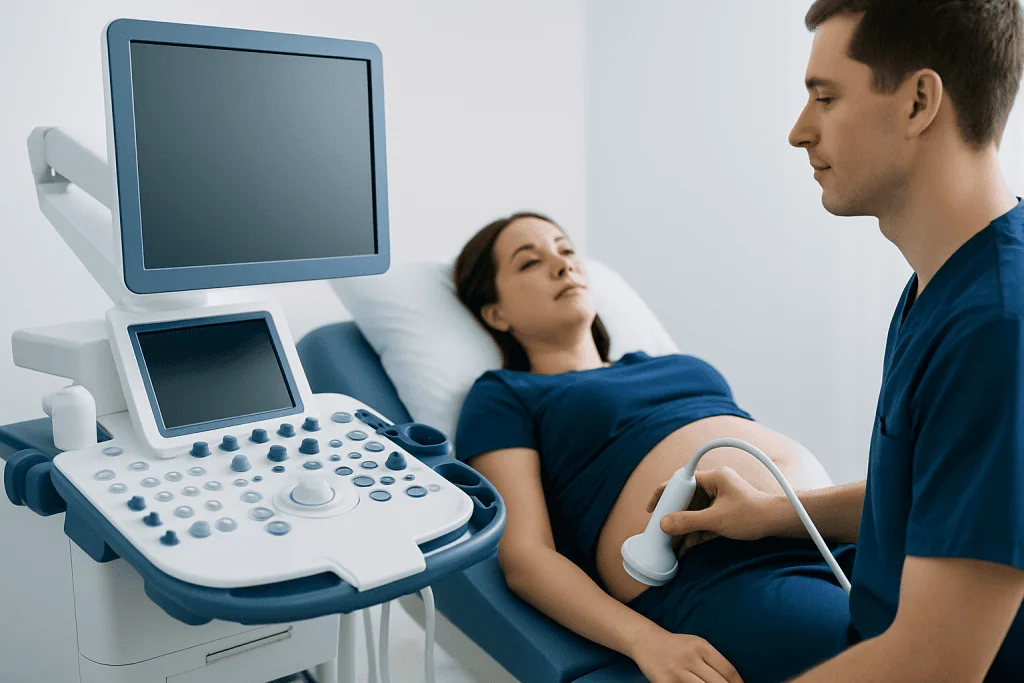
The most commonly reported 5 weeks symptoms include a missed period, tiredness, breast fullness or tenderness, nausea, increased urination, bloating, mild pelvic cramping, and mood changes. Some people also notice food aversions, heightened sense of smell, constipation, or light spotting. In early pregnancy, these changes are often linked to rising hormone levels.
Not everyone will notice the same symptoms, and symptom intensity does not reliably show whether a pregnancy is healthy or how far along it is. Some people feel very little at five weeks and still have a normal pregnancy. Others may have symptoms that are strong one day and milder the next.
When symptoms are not caused by pregnancy, they may still overlap closely. For example, premenstrual changes can cause breast tenderness, bloating, and cramping, while a stomach virus may cause nausea and fatigue. Because of this overlap, symptom patterns are helpful clues, but they are only one part of the picture.
- Missed or unusually light period
- Fatigue or low energy
- Nausea with or without vomiting
- Breast tenderness or swelling
- Mild lower abdominal cramping
- Bloating, constipation, or heartburn
- Frequent urination
- Light spotting
Possible causes besides pregnancy

Although many people search for 5 weeks symptoms because they wonder about pregnancy, other causes are common. Menstrual cycle variation can happen with stress, travel, changes in exercise, changes in body weight, and shifts in sleep. Hormonal conditions such as thyroid disorders or polycystic ovary syndrome can also affect the timing of periods and cause bloating, fatigue, or breast discomfort.
Digestive causes can sometimes look similar as well. Bloating, nausea, constipation, and abdominal discomfort may come from reflux, gastritis, food intolerance, or a mild infection. Urinary symptoms such as frequent urination or discomfort may be due to a urinary tract problem rather than pregnancy.
Gynecologic causes should also be considered when pelvic symptoms stand out. Ovarian cysts, pelvic infection, endometriosis, or rarely an abnormal early pregnancy can cause pain or bleeding. If evaluation is needed, a doctor may combine laboratory tests with imaging such as ultrasound to better understand what is happening.
How doctors evaluate 5 weeks symptoms
Evaluation starts with a simple but focused history. A doctor may ask about the date of the last menstrual period, whether cycles are regular, whether pregnancy is possible, the pattern of bleeding or spotting, pain location, nausea, fever, urinary symptoms, sexual health history, and any past gynecologic or endocrine conditions. This helps narrow the likely causes quickly and safely.
Testing often begins with a urine or blood pregnancy test if pregnancy is possible. Blood tests may be used when the answer is unclear, when symptoms are concerning, or when hormone levels need to be followed over time. Depending on the situation, a clinician may also check blood counts, thyroid function, or urine tests for infection.
If pain, bleeding, or uncertainty about the pregnancy location is present, imaging may be recommended. Early pregnancy can sometimes be assessed with obstetric ultrasound, while pelvic imaging may also help evaluate non-pregnancy causes such as cysts. In some cases, symptoms are ultimately linked to menstrual irregularities rather than pregnancy or another illness.
If symptoms are related to early pregnancy
At five weeks of pregnancy, symptoms are usually caused by normal hormonal changes. Rising human chorionic gonadotropin and other hormones can affect the digestive system, breasts, energy level, and sense of smell. Mild cramping can occur as the uterus begins to change, and light spotting may happen around the time a period would have been expected.
Typical early pregnancy symptoms can be uncomfortable, but they are often manageable with small, practical measures. Eating small frequent meals, staying hydrated, getting enough rest, and choosing bland foods when nauseated may help. Gentle activity and attention to bowel habits can also reduce bloating or constipation.
It is still important not to assume every symptom is normal pregnancy discomfort. Severe one-sided pain, heavy bleeding, shoulder pain, fainting, or symptoms of dehydration need urgent medical review because they can signal problems that need prompt care. If pregnancy is confirmed, early prenatal follow-up helps guide the next steps and establish healthy pregnancy care.
Self-care and next steps at home
When symptoms are mild, home care can be reasonable while arranging appropriate follow-up. If pregnancy is possible and a period is late, taking a home pregnancy test according to the instructions is often a useful first step. If the test is negative but the period still does not come, repeating the test after a short interval or speaking with a clinician may be appropriate.
Tracking symptoms can also help. Useful details include the start date of the last period, whether bleeding is light spotting or heavier flow, the location of pain, temperature, digestive symptoms, and any triggers such as certain foods or stress. This information often makes a medical visit more efficient and informative.
General self-care includes rest, regular fluids, balanced meals, and avoiding smoking and alcohol if pregnancy could be possible. New medicines, supplements, or herbal products should be discussed with a qualified clinician, especially if pregnancy has not yet been ruled in or out.
When to seek medical care
Medical care is recommended if 5 weeks symptoms are confusing, persistent, or affecting daily life, especially when a period is late or abnormal. A clinician can help determine whether the cause is early pregnancy, a cycle change, a digestive problem, a urinary issue, or another condition. Timely evaluation is also helpful when symptoms recur over multiple cycles.
Urgent care is important for warning signs such as heavy vaginal bleeding, severe abdominal or pelvic pain, pain on one side, fainting, dizziness, shoulder pain, fever, or repeated vomiting that makes it hard to keep fluids down. These symptoms do not always mean a serious problem, but they should not be ignored.
For international patients who need assessment or follow-up, Acibadem International’s multidisciplinary specialists at JCI-accredited hospitals evaluate symptoms, perform diagnostic testing, and provide treatment when needed. The right plan depends on the person’s symptoms, medical history, and test results.
Frequently asked questions
Are 5 weeks symptoms always a sign of pregnancy?
No. While 5 weeks symptoms often lead people to think about early pregnancy, similar symptoms can happen with menstrual cycle changes, stress, digestive upset, thyroid problems, or gynecologic conditions. A pregnancy test and medical assessment can help clarify the cause.
What are the most common 5 weeks pregnant symptoms?
Common symptoms at five weeks of pregnancy include a missed period, fatigue, nausea, breast tenderness, bloating, frequent urination, and mild cramping. Some people also notice light spotting, mood changes, or food aversions. Others may have very few symptoms at this stage.
Is cramping normal at 5 weeks?
Mild cramping can be normal in early pregnancy and can also happen around an expected period. It is usually brief and not severe. Strong pain, one-sided pain, or cramping with heavy bleeding should be checked by a doctor promptly.
Can you have 5 weeks symptoms with a negative pregnancy test?
Yes. A negative test can happen if testing was done too early, if instructions were not followed closely, or if symptoms are due to another cause. If the period does not start or symptoms continue, repeating the test after a short time or seeing a clinician is reasonable.
Is spotting at 5 weeks normal?
Light spotting can occur in early pregnancy and may also happen with cycle changes. However, heavier bleeding, bleeding with pain, or bleeding that continues should be evaluated. A doctor can decide whether testing or ultrasound is needed.
When should someone seek urgent help for 5 weeks symptoms?
Urgent medical care is needed for severe abdominal or pelvic pain, heavy bleeding, fainting, dizziness, shoulder pain, fever, or vomiting that prevents drinking fluids. These symptoms may have several causes, but they should be assessed without delay. It is especially important to seek help quickly if pregnancy is possible.
References
- American College of Obstetricians and Gynecologists
- National Health Service
- MedlinePlus
- Mayo Clinic
- Cleveland Clinic
This article is for general information only and is not a substitute for professional medical advice. Please consult a qualified doctor about your individual situation.
Persistent digestive symptoms? Get evaluated in Turkey
JCI-accredited · board-certified surgeons · reply within 24h