Chemotherapy for Leukemia: How It Works, Results and What to Expect

Chemotherapy may be the main treatment for acute leukemia and is sometimes combined with targeted therapy, immunotherapy, radiation therapy or stem cell transplantation. Treatment is usually delivered in phases, with blood tests and bone marrow assessments used to measure response.
Key Takeaways
- Chemotherapy may be the main treatment for acute leukemia and is sometimes combined with targeted therapy, immunotherapy, radiation therapy or stem cell transplantation.
- Treatment is usually delivered in phases, with blood tests and bone marrow assessments used to measure response.
- Side effects are common but vary widely; supportive care can help manage infection risk, nausea, fatigue, bleeding and other concerns.
- Remission and long-term outlook depend on the leukemia subtype, response to treatment, age, general health and leukemia cell genetics.
- Chemotherapy itself is not usually painful, although intravenous access, injections and some side effects can cause discomfort.
Chemotherapy for leukemia uses powerful anti-cancer medicines to reduce or eliminate abnormal blood-forming cells. The medicines, schedule and expected results depend greatly on whether leukemia is acute or chronic, its genetic features, and the person’s overall health.
Overview: How chemotherapy for leukemia works
Chemotherapy for leukemia is treatment with medicines that kill leukemia cells, stop them from dividing, or reduce their ability to survive. Because leukemia cells are present in the blood and bone marrow and may circulate throughout the body, chemotherapy is usually given as systemic treatment. It can be delivered into a vein, taken by mouth, injected under the skin, or, in selected situations, given into the fluid around the brain and spinal cord.
For many acute leukemias, chemotherapy is started promptly after diagnosis and is given in defined phases. The first goal is usually remission, meaning leukemia cells can no longer be detected by standard tests and blood counts recover. Further treatment aims to remove very small amounts of remaining disease and lower the chance of relapse.
For chronic leukemias, chemotherapy may have a more limited role than targeted medicines or other drug treatments. The care team considers the exact leukemia type, laboratory and genetic findings, symptoms, prior treatment and the individual’s health when creating a plan. Chemotherapy may also be part of treatment for related blood cancers such as lymphoma.
Who may be a candidate for leukemia chemotherapy?
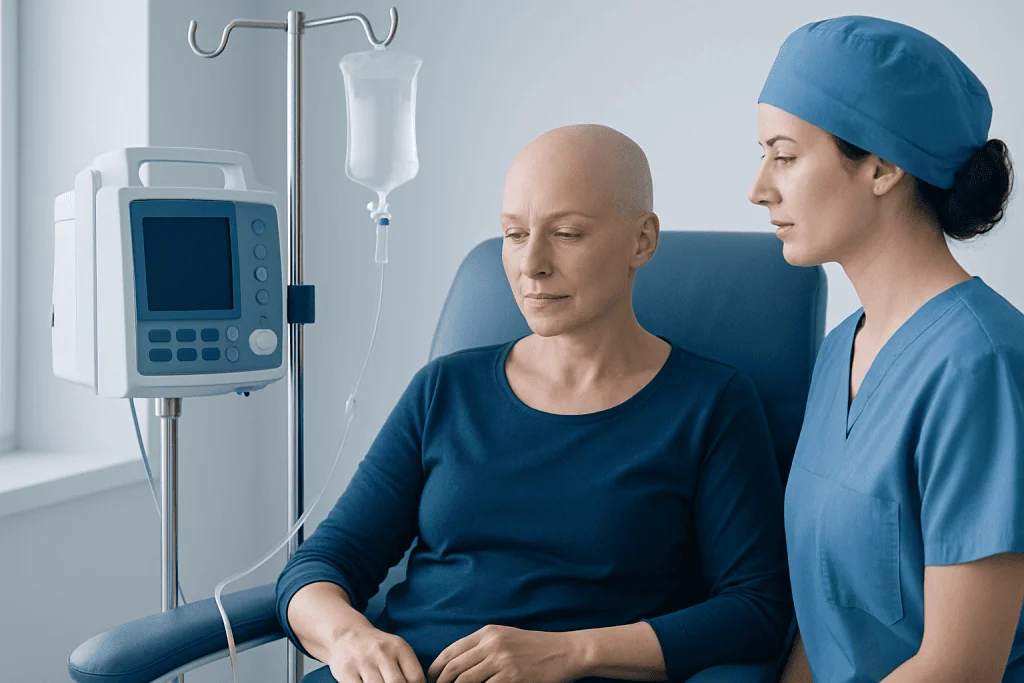
Whether chemotherapy is recommended depends first on the leukemia diagnosis. Acute lymphoblastic leukemia (ALL) and acute myeloid leukemia (AML) commonly require intensive chemotherapy, often alongside targeted drugs when suitable. In contrast, people with chronic lymphocytic leukemia (CLL) or chronic myeloid leukemia (CML) may initially receive targeted therapies, observation, or other approaches rather than conventional chemotherapy.
Before treatment, hematology and oncology specialists assess blood counts, kidney and liver function, heart health, infection risk, fertility goals and everyday functioning. Bone marrow testing, chromosome analysis and molecular testing provide important information about leukemia biology and can guide the choice and intensity of treatment.
Some people are not well enough for intensive chemotherapy because of age, frailty, other medical conditions or organ dysfunction. This does not mean treatment is unavailable. Lower-intensity drug combinations, targeted therapies, supportive transfusions and symptom-focused care can be appropriate options. A treatment plan should reflect both medical evidence and the person’s priorities.
What happens during chemotherapy for leukemia?
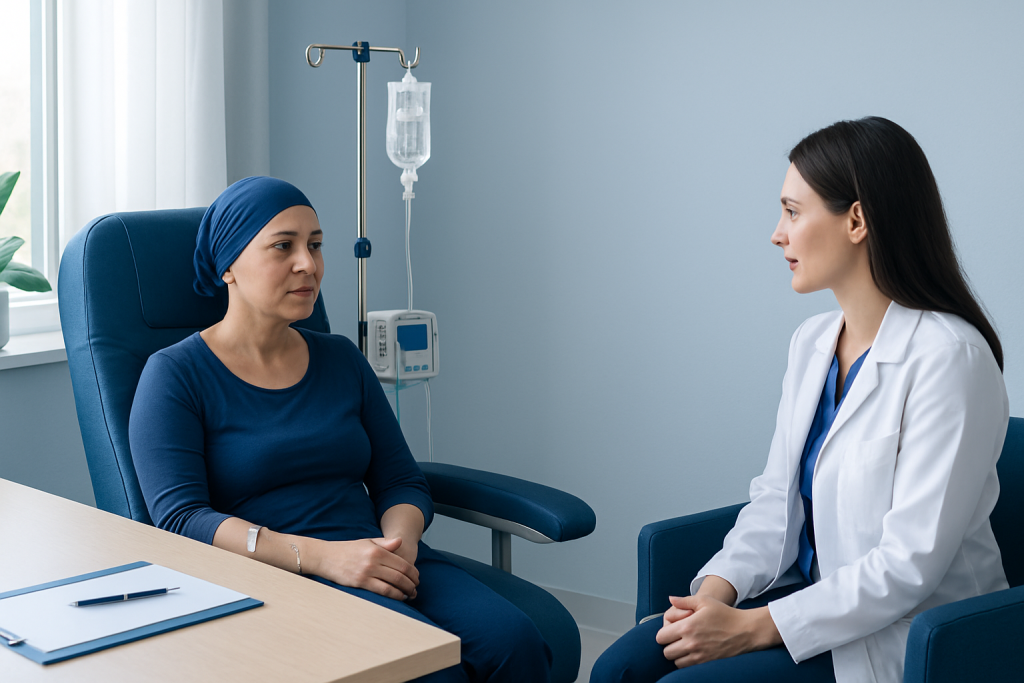
The treatment process usually begins with a detailed review of test results and a discussion of goals, benefits, possible harms and alternatives. Many people have a central venous catheter placed to allow repeated blood sampling, intravenous treatment and transfusions more comfortably. The team may also recommend vaccines, infection screening, fertility preservation discussions and a dental review before intensive treatment begins.
For acute leukemia, the first phase is often called induction therapy. It may involve a hospital stay because chemotherapy can temporarily lower blood counts substantially and requires close monitoring. Blood and platelet transfusions, antibiotics or antiviral medicines, anti-nausea treatment, intravenous fluids and medicines to prevent complications from rapid leukemia cell breakdown may be used.
After induction, blood tests and a bone marrow examination help determine whether remission has been achieved. Further phases may include consolidation, intensification or maintenance treatment, depending on the type of leukemia. Some regimens include treatment directed at the central nervous system, because leukemia cells can sometimes enter this area.
If high-risk disease persists or returns, doctors may discuss additional chemotherapy, targeted or immune-based treatment, clinical trials, or bone marrow transplantation. The sequence is individualized, and the team monitors response throughout treatment rather than relying on one test alone.
Recovery timeline, monitoring and daily life
Recovery during leukemia chemotherapy is usually measured in weeks and months rather than days. After intensive treatment, blood counts may fall before they recover. White blood cells, red blood cells and platelets can take several weeks to return toward safer levels, and recovery may be slower after repeated treatment cycles or in people with other health conditions.
During periods of low blood counts, regular blood tests and medical reviews are essential. The care team watches for infection, bleeding, anemia, dehydration, nutritional difficulties and treatment-related effects on organs. A bone marrow examination may be repeated at planned points to assess remission and, when available, minimal residual disease.
Fatigue can continue after a treatment cycle even when blood counts begin to improve. Returning to work, travel, exercise and social activities should be discussed with the treating team because timing depends on immune recovery and individual circumstances. Rest, adequate fluids, protein-containing meals when tolerated, gentle movement and emotional support can help many people during recovery.
Leukemia care often involves hematologists, medical oncologists, pathologists, infectious disease specialists, transplant specialists, nurses, dietitians and psychosocial support professionals. Acibadem International’s multidisciplinary specialists and JCI-accredited hospitals provide diagnosis and treatment planning for international patients with leukemia.
Benefits, risks and side effects of chemotherapy
The main potential benefit of chemotherapy for leukemia is control of the disease. In acute leukemias, it can induce remission and may provide the foundation for long-term disease control or cure in some people. It may also reduce symptoms caused by leukemia, such as fatigue related to anemia, frequent infections, bruising or bone discomfort.
Because chemotherapy affects rapidly dividing normal cells as well as leukemia cells, side effects are possible. Common effects include fatigue, nausea, vomiting, mouth sores, appetite changes, hair loss, diarrhea or constipation, and changes in taste. Blood count suppression can lead to anemia, bleeding or bruising, and a higher risk of serious infection.
Some medicines can affect the heart, nerves, kidneys, liver, lungs or fertility. The risk depends on the drug combination, cumulative exposure, age and existing medical conditions. Doctors use baseline tests, ongoing monitoring and dose adjustments when needed to reduce risk. Supportive treatment, including medical oncology care, is an important part of safe chemotherapy.
People should tell the care team about any new symptoms, prescribed medicines, supplements or herbal products. Certain products can interfere with chemotherapy or increase bleeding and infection risks, so they should not be started without professional advice.
How long can you live with leukemia with chemotherapy?
Life expectancy with leukemia and chemotherapy varies too widely for a single number to be meaningful. Some acute leukemias can enter long-lasting remission after treatment, while others need several treatments or may relapse. Chronic leukemias may often be managed for many years, particularly when modern targeted therapies are effective.
The outlook is influenced by the leukemia subtype, genetic and molecular features, stage of response to treatment, age, overall health and access to appropriate supportive care. Doctors may use prognosis tools and response testing to explain the likely outlook for an individual, but these estimates cannot predict exactly what will happen for one person.
It can be helpful to ask the treating hematologist about the aim of therapy: remission, long-term control, preparation for transplant, or relief of symptoms. This conversation can support informed decisions and ensure that treatment aligns with the person’s goals.
How long does it take for chemo to work on leukemia?
In acute leukemia, chemotherapy can begin reducing leukemia cells within days, but doctors usually assess the first major response over several weeks. Blood counts alone do not confirm whether treatment has worked, because they may initially worsen as both leukemia cells and healthy bone marrow cells are affected. A planned bone marrow examination is often needed to evaluate remission.
For AML and ALL, the first response assessment commonly occurs after induction treatment and early marrow recovery, although the exact timing differs by protocol. Some people need additional treatment to achieve remission. Sensitive tests for minimal residual disease may identify small amounts of leukemia that standard microscopy cannot see.
In chronic leukemia, response may be slower and is often monitored through blood tests and molecular testing over months. The care team will explain what response markers apply to the specific diagnosis and when results are expected.
How successful is chemotherapy for leukemia?
Chemotherapy can be very effective for some forms of leukemia, especially acute leukemias, but success is not the same for every diagnosis. Success may mean complete remission, no detectable minimal residual disease, long-term disease control, successful preparation for a transplant, or improvement in symptoms and quality of life.
Acute leukemia outcomes have improved through better risk classification, supportive care, targeted medicines and transplant strategies. However, some leukemia cells are resistant to initial treatment, and relapse can occur even after remission. This is why follow-up testing and additional treatment phases are often necessary.
The most useful question is how likely a recommended regimen is to meet the goals for a particular leukemia subtype and risk group. A hematology team can explain the expected response, the role of other treatments such as stem cell transplantation, and what options exist if the first treatment does not work as hoped.
How painful is chemotherapy for leukemia?
Chemotherapy medicines are not generally described as painful while they are being given. An intravenous line may cause a brief pinch when it is inserted, and some people feel temporary discomfort at the infusion site. A central line can reduce the need for repeated needle sticks during longer treatment courses.
Some side effects can be uncomfortable, including mouth sores, abdominal symptoms, nerve pain or muscle aches. Certain medicines may irritate a vein or surrounding tissue if they leak outside the vein, which is why infusion sites are monitored carefully. Any burning, swelling, redness or pain during an infusion should be reported immediately.
Effective symptom control is part of leukemia treatment. Anti-nausea medicines, pain relief, mouth care, nutritional support and adjustments to the treatment plan can often improve comfort. People should not feel they need to tolerate significant pain without telling their care team.
When to seek medical care
Anyone receiving chemotherapy for leukemia should contact their treatment team promptly for a fever, chills, new cough, shortness of breath, painful urination, severe sore throat, persistent vomiting, diarrhea, inability to drink fluids, unusual bleeding, black stools, severe headache, confusion or a new rash. During chemotherapy, infection can become serious quickly when white blood cell counts are low.
Emergency assessment is needed for trouble breathing, chest pain, fainting, uncontrolled bleeding, sudden weakness, severe confusion or swelling and pain around a central line. People should follow the urgent-contact instructions provided by their own cancer center, including guidance about what temperature is considered a fever.
Regular appointments remain important even when a person feels well. They allow the team to monitor blood counts, identify complications early and support safe continuation or adjustment of treatment.
Frequently asked questions
Is chemotherapy always needed for leukemia?
No. Chemotherapy is commonly central to treatment for acute leukemias, but some chronic leukemias are initially managed with targeted medicines, immunotherapy, or active monitoring. The right approach depends on the specific leukemia type, its biological features and the person’s health.
Can chemotherapy cure leukemia?
Chemotherapy can contribute to cure in some people, particularly with certain acute leukemias. In other situations, it may control leukemia for a period of time or be combined with other treatments to improve the chance of lasting remission. The treating hematologist can explain the treatment goal for the individual diagnosis.
Will chemotherapy make all of my hair fall out?
Hair loss depends on the chemotherapy medicines and doses used. Some leukemia regimens cause substantial hair thinning or loss, while others may not. Hair usually begins to regrow after treatment ends, although its texture or color may initially be different.
Can a person receive chemotherapy for leukemia at home?
Some oral medicines and lower-intensity treatments can be taken partly at home with close monitoring. Intensive chemotherapy for acute leukemia often requires frequent hospital visits or inpatient care because blood counts can drop and complications may need rapid treatment. The setting is chosen based on safety and the specific regimen.
What should someone avoid during chemotherapy for leukemia?
People should avoid starting vitamins, herbal remedies or over-the-counter medicines without checking with the treatment team. They may also need to avoid exposure to people with contagious illnesses and follow food-safety advice during periods of low immunity. Individual restrictions vary, so the oncology team’s guidance should take priority.
Can chemotherapy for leukemia affect fertility?
Some chemotherapy drugs can affect fertility temporarily or permanently. Fertility preservation options may be available before treatment begins, depending on the urgency of treatment and the person’s circumstances. Discussing this promptly with the hematology team and a fertility specialist is important.
References
- National Cancer Institute
- American Cancer Society
- Leukemia & Lymphoma Society
- National Comprehensive Cancer Network
- World Health Organization
This article is for general information only and is not a substitute for professional medical advice. Please consult a qualified doctor about your individual situation.
Chemotherapy in Turkey — costs, top hospitals & a free quote
JCI-accredited · board-certified surgeons · reply within 24h