Chief Cells: An Evidence-Based Guide for Patients

Chief cells are most commonly discussed in the stomach and the parathyroid glands. In the stomach, chief cells make pepsinogen, which helps digest protein after it is activated to pepsin.
Key Takeaways
- Chief cells are most commonly discussed in the stomach and the parathyroid glands.
- In the stomach, chief cells make pepsinogen, which helps digest protein after it is activated to pepsin.
- In the parathyroid glands, chief cells produce parathyroid hormone, which helps regulate calcium and phosphorus levels.
- Symptoms usually come from the condition affecting the organ, not from the chief cells alone.
- Diagnosis depends on the organ involved and may include blood tests, imaging, endoscopy, or tissue examination.
- Treatment focuses on the underlying disorder, such as gastritis, ulcers, parathyroid disease, or tumors.
Chief cells are specialized cells found mainly in the stomach and parathyroid glands. They support digestion or hormone regulation, and while they do not usually cause symptoms by themselves, disorders affecting these cells can contribute to digestive or calcium-balance problems.
Overview: what chief cells are
Chief cells are specialized cells with important roles in normal body function. In everyday medical use, the term usually refers to two main types: chief cells in the stomach and chief cells in the parathyroid glands. Although they share a name, they work in different organs and have different jobs.
Stomach chief cells are found in the gastric glands, especially in the body and fundus of the stomach. Their main role is to produce pepsinogen, an inactive enzyme that later becomes pepsin and helps break down proteins during digestion. They also produce gastric lipase, which contributes to fat digestion.
Parathyroid chief cells are the main hormone-producing cells of the parathyroid glands, four small glands usually located behind the thyroid. These chief cells release parathyroid hormone, also called PTH, which helps control calcium and phosphorus levels in the blood and bones.
For patients, the key point is that chief cells themselves are a normal part of healthy anatomy. Medical concern usually arises when a disease affects the stomach or parathyroid glands, changing how these cells function or how many of them are present.
Where chief cells are found and what they do
In the stomach, chief cells work alongside other gastric cells. Parietal cells produce stomach acid, and that acid helps activate pepsinogen from chief cells into pepsin. This coordination is essential for normal digestion, especially after meals that contain protein. If the stomach lining is inflamed or damaged, this process may be affected.
In the parathyroid glands, chief cells monitor the body’s calcium balance through hormone release. When blood calcium falls, they increase secretion of parathyroid hormone. PTH then acts on bone, kidneys, and indirectly on the intestines through vitamin D regulation to raise calcium levels back toward normal.
Because chief cells are tied closely to organ function, they are often mentioned in biopsy reports, pathology results, or discussions about gland disorders. This can sound technical, but it usually means the doctor is describing the type of normal or abnormal cells seen in a sample.
A simple way to remember the difference is this: stomach chief cells help digest food, while parathyroid chief cells help regulate minerals. Knowing which organ is being discussed makes the term much easier to understand.
Symptoms linked to chief cell disorders

Chief cells do not usually produce a unique set of symptoms on their own. Instead, symptoms reflect the disease affecting the stomach or parathyroid glands. In stomach conditions, a person may notice upper abdominal pain, bloating, nausea, early fullness, indigestion, or poor appetite. If ulcers or significant inflammation are present, there may be vomiting, black stools, or unexplained weight loss.
When parathyroid chief cells are overactive, symptoms are related to high calcium levels or parathyroid hormone imbalance. Some people feel tired, weak, constipated, thirsty, or mentally foggy. Others may develop kidney stones, bone discomfort, or fractures over time. However, some parathyroid disorders cause few symptoms and are discovered on routine blood tests.
In rare situations, chief cells may be involved in tumors or precancerous changes. For example, a pathology report may describe changes in stomach glands or a parathyroid adenoma made largely of chief cells. This wording helps doctors classify the disorder, but it does not automatically mean cancer.
If symptoms are persistent, worsening, or accompanied by red flags such as bleeding, dehydration, severe pain, or confusion, medical evaluation is important. The underlying cause matters more than the cell name alone.
Causes and related conditions
Several common stomach conditions can affect chief cells indirectly by injuring or inflaming the stomach lining. These include chronic gastritis, infection with Helicobacter pylori, autoimmune gastritis, and peptic ulcer disease. Long-term changes in the stomach lining may alter the number and function of gastric glands that contain chief cells. In some cases, doctors may evaluate related problems with gastritis or peptic ulcer disease depending on the findings.
Parathyroid chief cells may become overactive in primary hyperparathyroidism, often due to a benign adenoma, hyperplasia, or less commonly another gland disorder. Secondary hyperparathyroidism can happen when low calcium or vitamin D problems stimulate the glands over time. In these settings, the chief cells are responding to or driving abnormal hormone signals.
Pathology terms involving chief cells can also appear in rare tumors or unusual microscopic findings. In the stomach, doctors may discuss gland changes in the context of chronic inflammation, polyps, or very uncommon cancers. In the parathyroid glands, a pathologist may note a chief-cell predominant adenoma or hyperplasia after surgery.
Risk factors depend on the organ involved. For stomach-related issues, they may include H. pylori infection, certain medications such as long-term nonsteroidal anti-inflammatory drugs, smoking, alcohol use, or autoimmune disease. For parathyroid conditions, risk factors can include age, prior neck radiation, some inherited syndromes, and longstanding kidney disease or vitamin D imbalance.
How doctors diagnose problems involving chief cells
Diagnosis starts with the symptoms, medical history, and physical examination. Because chief cells are microscopic, they are not diagnosed by symptoms alone. Instead, doctors identify the disease process affecting the stomach or parathyroid glands and then use laboratory tests, imaging, endoscopy, or tissue analysis to clarify what is happening.
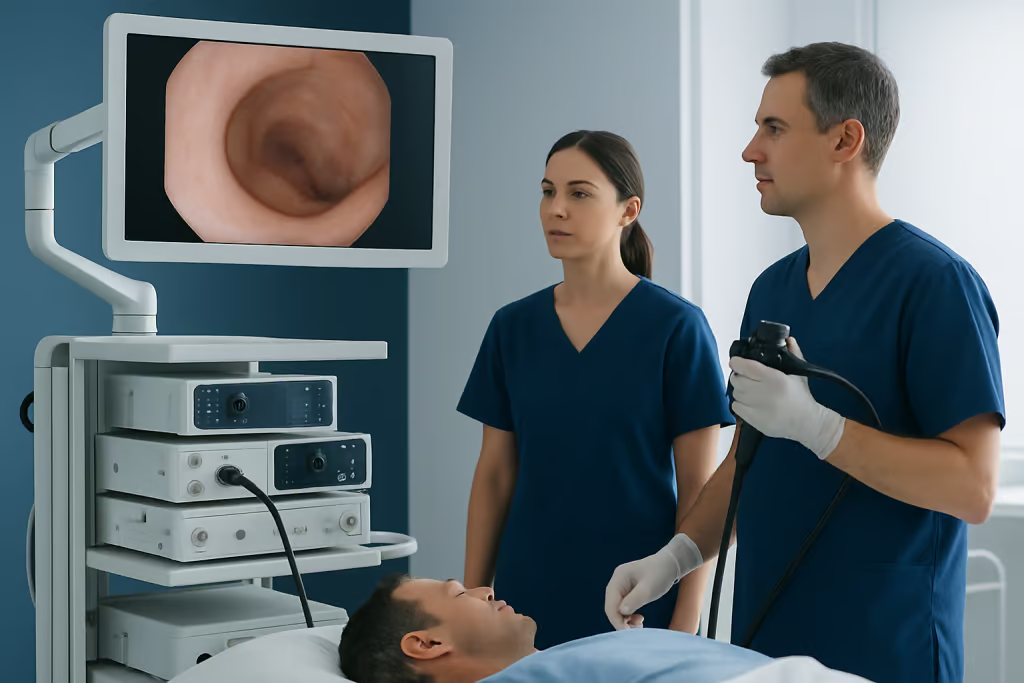
For stomach concerns, tests may include blood work, stool testing, H. pylori testing, and upper endoscopy. During endoscopy, a doctor can look at the stomach lining and take biopsies. These tissue samples help pathologists evaluate inflammation, ulcers, gland changes, and the types of cells present. If symptoms suggest a structural problem, doctors may use endoscopy as both a diagnostic and sometimes therapeutic tool.
For parathyroid-related concerns, blood tests are central. Doctors often measure calcium, phosphorus, parathyroid hormone, vitamin D, and kidney function. If hyperparathyroidism is suspected, neck ultrasound or nuclear imaging may help locate an overactive gland. Bone density testing or kidney imaging may also be used to assess complications.
A pathology report may mention chief cells after a biopsy or surgery. This is most often a descriptive finding that helps specialists confirm the exact diagnosis. Patients should review these results with their doctor, who can explain whether the cells appear normal, reactive, overgrown, or part of a benign or malignant process.
Treatment options and what care depends on
Treatment is guided by the underlying condition, not by the presence of chief cells alone. For stomach disorders, care may include treating H. pylori infection, reducing acid exposure, adjusting medications that irritate the stomach, and supporting healing of inflammation or ulcers. If there is significant bleeding, severe ulcer disease, or a suspicious lesion, a specialist may recommend targeted procedures or closer follow-up.
When a stomach biopsy shows major gland changes or a growth, treatment may range from monitoring to endoscopic removal or surgery, depending on the diagnosis. For complex digestive conditions, physicians may coordinate care through gastroenterology and pathology teams. In selected cases, approaches related to gastroenterology care may help organize evaluation and follow-up.
For parathyroid disorders, treatment depends on hormone levels, symptoms, bone health, kidney function, and imaging results. Some people are monitored with periodic testing, especially if disease is mild and stable. Others need treatment for high calcium levels, vitamin D imbalance, or surgery to remove an overactive parathyroid gland. Patients being assessed for gland overactivity may also be evaluated for hyperparathyroidism.
If a tumor is found, treatment is individualized based on whether it is benign or malignant, where it is located, and whether it has spread. This may involve surgery, pathology review, and specialist follow-up. At the end of the diagnostic process, patients benefit most from asking what the underlying diagnosis is, how serious it is, and what monitoring or treatment is recommended next.
Prevention, self-care, and understanding test results
There is no specific lifestyle step that targets chief cells directly, but general organ health can lower the risk of related problems. For stomach health, it helps to avoid unnecessary use of medicines that irritate the stomach, limit smoking and excess alcohol, and seek treatment for ongoing indigestion or suspected H. pylori infection. A balanced diet and regular medical follow-up are also useful if a person has chronic gastritis or autoimmune disease.
For calcium and parathyroid health, maintaining adequate vitamin D, staying hydrated, and having kidney and metabolic problems treated can be helpful. People with a personal or family history of endocrine disorders may need periodic medical review. Routine blood tests sometimes detect calcium abnormalities before symptoms become obvious.
Patients often worry when they see technical wording in a pathology report. Terms such as chief cells, hyperplasia, metaplasia, or adenoma describe how tissues look under the microscope. These words are important, but they need to be interpreted in context. A doctor can explain whether a finding is normal, benign, requires treatment, or simply needs observation.
Near the end of care planning, some patients may seek multidisciplinary evaluation, especially when findings are unclear or involve more than one specialty. Acibadem International’s multidisciplinary specialists in JCI-accredited hospitals diagnose and treat digestive and endocrine conditions for international patients, including cases that may require advanced imaging, endoscopy, or surgery such as parathyroid surgery.
When to seek medical care
Medical advice is appropriate if a person has ongoing upper abdominal pain, frequent indigestion, nausea, vomiting, unexplained weight loss, loss of appetite, black stools, or vomiting blood. These symptoms do not necessarily mean a serious disease, but they should be assessed promptly because they can signal stomach bleeding, ulcer disease, or another digestive problem.
It is also important to seek care for symptoms that may suggest calcium imbalance, such as unusual fatigue, increased thirst, constipation, muscle weakness, kidney stones, bone pain, or confusion. People with known parathyroid disease should attend follow-up visits and blood tests as advised.
Urgent medical care is needed for severe abdominal pain, fainting, heavy bleeding, dehydration, sudden confusion, or signs of a severe rise in calcium. Early evaluation often makes treatment simpler and helps prevent complications.
When discussing test results, patients may find it helpful to ask which organ is affected, what the chief-cell finding means in plain language, whether additional tests are needed, and what the next step should be. Clear communication can reduce worry and support informed decisions.
Frequently asked questions
What are chief cells in simple terms?
Chief cells are specialized cells that help an organ do its job. Most often, the term refers to cells in the stomach that support digestion and cells in the parathyroid glands that help regulate calcium through hormone release.
What do chief cells do in the stomach?
Stomach chief cells produce pepsinogen, which is later activated into pepsin to help digest proteins. They also make gastric lipase, an enzyme that contributes to fat digestion.
What do chief cells do in the parathyroid glands?
Parathyroid chief cells make parathyroid hormone, or PTH. This hormone helps keep calcium and phosphorus levels in balance by acting on the bones, kidneys, and vitamin D pathways.
Do chief cells cause symptoms by themselves?
Usually no. Symptoms generally come from the condition affecting the stomach or parathyroid glands, such as gastritis, ulcers, or hyperparathyroidism, rather than from the chief cells alone.
Are chief cells cancerous?
No, chief cells are normal cells. However, doctors may mention them in biopsy or pathology reports when describing benign growths, gland changes, or, more rarely, tumors involving the organ where those cells are found.
How are chief-cell problems diagnosed?
Doctors diagnose the underlying organ disorder rather than a chief-cell problem in isolation. Depending on the situation, this may involve blood tests, endoscopy, imaging, and examination of a biopsy or surgical specimen under the microscope.
Can chief-cell disorders be treated?
Yes, treatment is usually possible because care targets the underlying disease. This may include medicines, treatment of infection, monitoring, endoscopic care, or surgery, depending on whether the stomach or parathyroid glands are involved.
References
- National Institute of Diabetes and Digestive and Kidney Diseases
- National Cancer Institute
- Merck Manual Consumer Version
- Mayo Clinic
- American Thyroid Association
This article is for general information only and is not a substitute for professional medical advice. Please consult a qualified doctor about your individual situation.
Persistent digestive symptoms? Get evaluated in Turkey
JCI-accredited · board-certified surgeons · reply within 24h