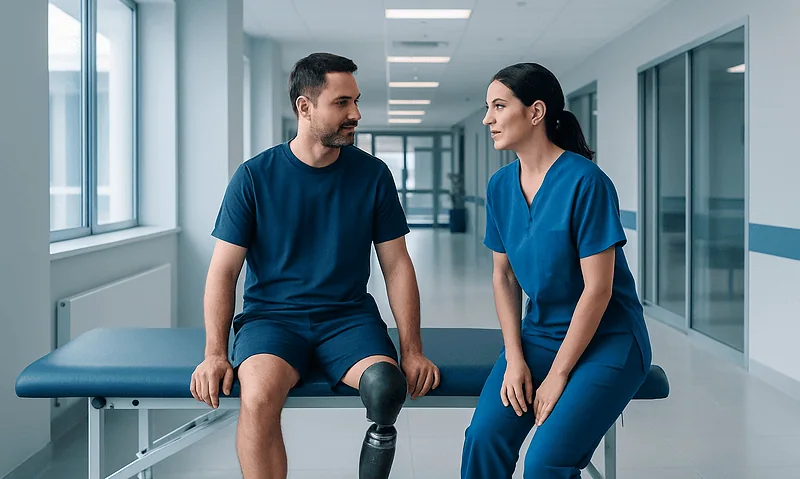
Child Sports Injury Specialist: An Evidence-Based Patient Guide
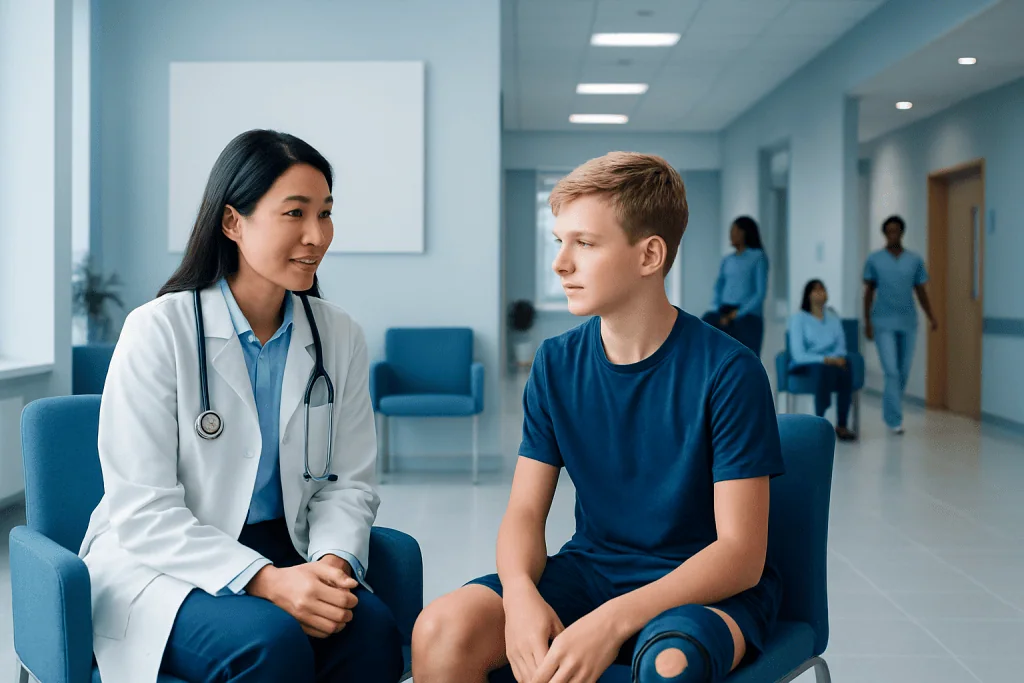
Children are not simply smaller adults: growth plates and developing movement patterns influence injury assessment and treatment. A specialist may be helpful for significant pain, repeated injuries, suspected fractures, joint instability or difficulty returning to sport.
Key Takeaways
- Children are not simply smaller adults: growth plates and developing movement patterns influence injury assessment and treatment.
- A specialist may be helpful for significant pain, repeated injuries, suspected fractures, joint instability or difficulty returning to sport.
- Most childhood sports injuries improve with timely assessment, activity modification and rehabilitation rather than surgery.
- A gradual, criteria-based return to sport helps restore strength, confidence and movement control.
- Urgent assessment is important after head injury symptoms, deformity, inability to bear weight, severe swelling or loss of circulation.
A child sports injury specialist is a clinician with expertise in injuries affecting growing bones, joints, muscles and tendons. They help identify the cause of pain, provide age-appropriate treatment and create a safe, individualized plan for return to sport.
What Does a Child Sports Injury Specialist Do?
A child sports injury specialist is a healthcare professional who evaluates and treats exercise- and sport-related problems in children and adolescents. This may be a pediatric orthopedic surgeon, sports medicine physician, pediatrician with sports medicine expertise, physiotherapist, or a coordinated team of these professionals. Their focus is not only on relieving pain, but also on protecting normal growth and helping a young person return to activity safely.
Children’s bodies change rapidly. Bones may grow faster than muscles and tendons can adapt, and areas called growth plates are more vulnerable to injury than mature bone. A child sports injury specialist considers the child’s age, stage of development, sport, training load, previous injuries and goals when recommending care.
In many cases, the specialist can distinguish a temporary overuse problem from an injury that needs imaging, protection, rehabilitation or referral to another service. They also help families understand when rest is useful, how much activity is appropriate, and what signs suggest that returning to play too soon could delay recovery.
Common Sports Injuries in Children and Teenagers
Sports can support physical health, social development and confidence, and most young athletes participate safely. Still, injuries can happen through a single event, such as a fall or collision, or develop gradually when repeated activity exceeds the body’s ability to recover. Common acute injuries include bruises, sprains, muscle strains, fractures, dislocations and cuts.
Overuse injuries often cause pain that begins during or after training and may become more persistent over time. Examples include tendon irritation, stress injuries to bone, shin pain and pain around the knee or heel. Conditions affecting the growth areas can occur during growth spurts, including Osgood-Schlatter disease, which may cause pain and swelling below the kneecap in active adolescents.
Some injuries need special attention because they can affect joint stability or growth. These include ligament tears, cartilage injuries, fractures near a growth plate and repeated shoulder or kneecap dislocations. Head injuries and possible concussion also require careful assessment and a structured return to learning and sport.
- Sudden injuries usually follow a clear fall, twist, collision or awkward landing.
- Overuse injuries may start gradually and worsen with increased training, competition or inadequate rest.
- Repeated pain in the same area is not something a child should simply “play through.”
Why a Specialist Assessment Can Be Important
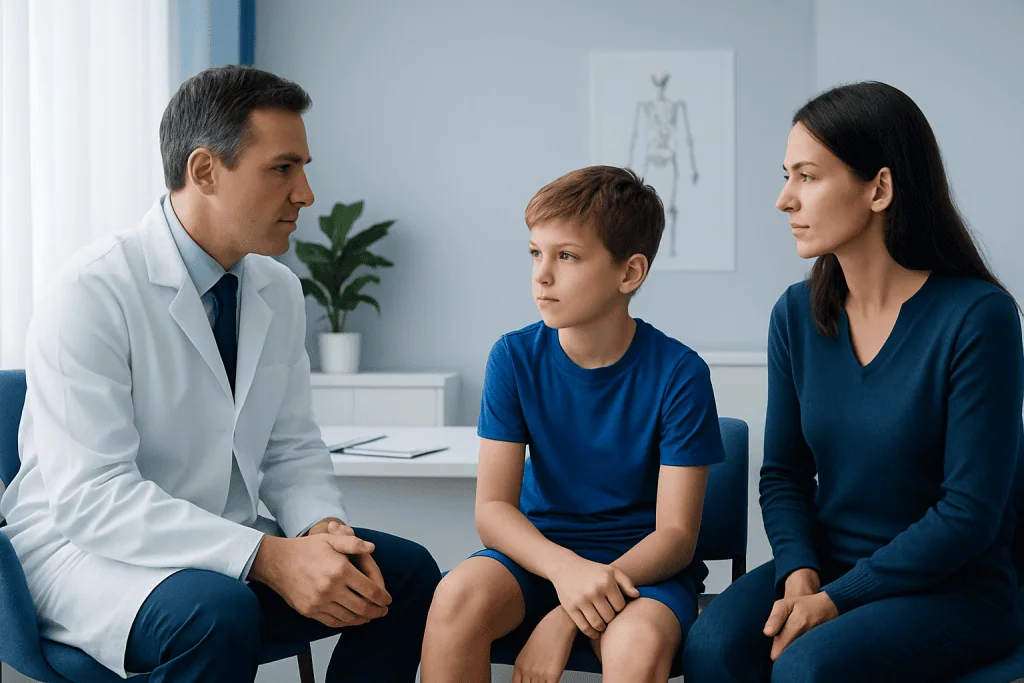
A child sports injury specialist is particularly useful when pain does not settle with a short period of reduced activity, when an injury keeps returning, or when the child cannot participate at their usual level. The assessment aims to identify the affected structure, rule out injuries that need prompt treatment and understand factors that may have contributed, such as a recent rise in training load, poor recovery, footwear issues or altered movement patterns.
The clinician will usually ask how the injury occurred, where the pain is felt, whether there was swelling or a popping sensation, and how symptoms affect walking, school and sport. They will examine joint movement, tenderness, strength, balance, alignment and sport-specific movements where appropriate. A parent or guardian can help by noting the timing of symptoms, previous injuries and recent changes in activity.
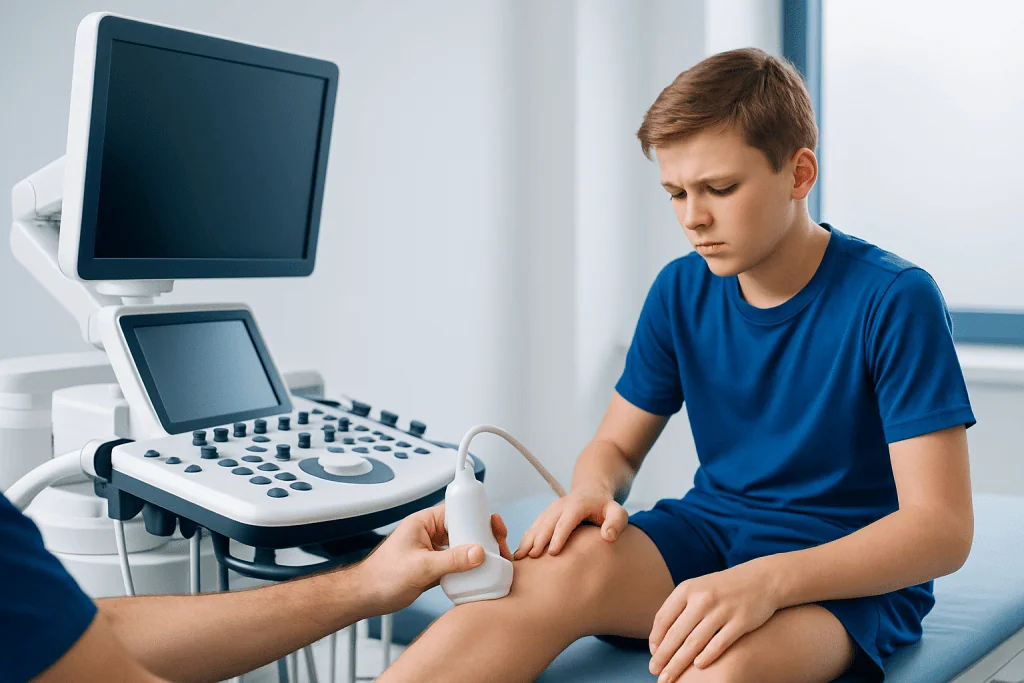
Imaging is not needed for every injury. X-rays may be used to assess a suspected fracture or growth-plate injury. Ultrasound, magnetic resonance imaging (MRI) or other tests may be considered if the physical examination suggests a tendon, cartilage, ligament or bone stress injury. Test results are interpreted alongside the child’s symptoms and examination, rather than in isolation.
Treatment Planning: How It Works and Who May Need It
Treatment is tailored to the diagnosis, severity of symptoms and the child’s developmental stage. Many young athletes benefit from relative rest, meaning they temporarily avoid activities that trigger pain while staying active in safe alternatives. The goal is usually to maintain general fitness without aggravating the injured area, rather than stopping all movement for longer than necessary.
Rehabilitation commonly includes guided exercises to restore comfortable movement, strength, balance, coordination and sport-specific skills. Physical therapy can be an important part of care, particularly after sprains, strains, fractures, knee pain and recurrent injuries. A therapist can also advise on gradual loading, warm-up routines and strategies to reduce reinjury risk.
Some children may need a brace, splint, boot, crutches or a cast to protect an injured body part while it heals. Surgery is less common and is generally considered when there is a displaced fracture, unstable joint injury, significant ligament or cartilage damage, or symptoms that do not improve with appropriate non-surgical care. When surgery is being discussed, a pediatric orthopedic assessment helps families understand the reason for the procedure and available alternatives.
Candidates for specialist care include children with suspected fracture or dislocation, persistent pain, repeated ankle or shoulder instability, a limp, loss of motion, injury near a growth plate, or difficulty progressing through rehabilitation. A specialist may also support young athletes with complex needs involving orthopedics, rehabilitation, nutrition, mental wellbeing or concussion care.
If a Procedure Is Needed: Steps, Benefits, Risks and Recovery
Most sports injuries in children do not require an operation. If a procedure is recommended, the care team explains the diagnosis, expected benefits, alternatives, anesthesia plan and recovery needs before treatment. The exact procedure depends on the injury and can range from setting and stabilizing a fracture to repairing or reconstructing damaged structures within a joint.
Before surgery, the child may have imaging, blood tests when needed and an anesthesia review. During the procedure, the surgical team treats the injured area using the least invasive approach that can safely address the problem. Afterward, pain relief, wound care instructions, protection with a sling, brace or cast when required, and rehabilitation planning are provided. Parents or guardians should follow the team’s instructions and ask about school arrangements, bathing, travel and activity restrictions.
Potential benefits include improved alignment, joint stability, healing conditions or function when non-surgical treatment is unlikely to be enough. Risks vary by procedure but may include infection, bleeding, reactions to anesthesia, stiffness, blood clots, nerve or blood vessel injury, delayed healing, ongoing pain or a need for further treatment. In growing children, protecting the growth plate is an important consideration in surgical planning.
Recovery does not follow one fixed schedule. Simple soft-tissue injuries may improve over days to weeks, while fractures, ligament injuries and surgery can require months of staged rehabilitation. Return to sport should be based on healing, absence of pain and swelling, restored movement and strength, and the ability to complete sport-specific tasks safely—not only on the number of weeks since injury.
Supporting a Safe Return to Sport and Preventing Reinjury
A safe return to sport is usually gradual. The child progresses from everyday activities to light conditioning, practice drills, non-contact training and full participation as appropriate for the sport and injury. The plan should be adjusted if pain, swelling, limping or loss of confidence returns. For some injuries, comparison with the uninjured side and functional testing can help guide progression.
Parents, coaches and young athletes can help lower injury risk by allowing regular recovery days, increasing training volume gradually and encouraging a variety of activities across the year. Adequate sleep, regular meals and hydration also support recovery. Properly fitted equipment, suitable footwear and coaching in safe movement techniques are practical parts of prevention.
It is important to listen to pain. Continuing an activity through worsening pain can turn a manageable problem into a longer-lasting injury. A clinician can advise whether the child can modify participation, cross-train, or should pause sport until symptoms have improved. For injuries involving the knee, ankle or other joints, orthopedic rehabilitation may help rebuild strength and movement control before full sport participation.
When to Seek Medical Care
Medical assessment should be arranged promptly if a child has significant pain, cannot bear weight, has a persistent limp, major swelling, limited joint movement, numbness, weakness or an injury that does not improve after a few days of avoiding the painful activity. A child sports injury specialist can also assess recurring pain, repeated sprains, or difficulty returning to sport after an earlier injury.
Urgent care is appropriate for a visible deformity, an open wound over a possible fracture, uncontrolled bleeding, severe pain, a cold or pale limb, or suspected dislocation. Emergency assessment is also important after a blow to the head if there is loss of consciousness, repeated vomiting, worsening headache, confusion, seizure, unusual behavior, severe drowsiness, weakness or neck pain.
Families should not attempt to push a joint back into place or encourage a child to continue playing after a potentially serious injury. Until assessed, protect the area, stop the activity and follow local urgent-care guidance. Acibadem International’s multidisciplinary specialists and JCI-accredited hospitals can assess and treat pediatric sports injuries for international patients when coordinated orthopedic and rehabilitation care is needed.
Frequently asked questions
When should a child see a sports injury specialist?
A child should see a specialist for severe pain, inability to bear weight, suspected fracture or dislocation, repeated injuries, persistent swelling, or pain that does not improve with reduced activity. Specialist input can also be helpful when a young athlete is struggling to return to sport safely after an injury.
Can children have the same sports injuries as adults?
Children can have sprains, strains, fractures and ligament injuries, but their growing bones and growth plates make some injuries different from those seen in adults. Assessment should account for age, skeletal maturity and the risk of affecting normal growth.
Does every child sports injury need an MRI?
No. Many injuries can be diagnosed through a medical history and physical examination, sometimes with an X-ray. MRI is usually reserved for situations where it may clarify a suspected injury to bone, cartilage, ligaments, muscles or tendons and change the treatment plan.
How long does it take a child to return to sport after an injury?
Recovery depends on the injury, its severity, the child’s age, treatment and response to rehabilitation. Return should be based on recovery milestones such as pain-free movement, adequate strength, balance and safe sport-specific function rather than a fixed timeline alone.
Should a child rest completely after a sports injury?
Complete rest is occasionally needed for a short time, but many injuries respond better to relative rest and safe alternatives that do not worsen symptoms. A clinician can recommend which activities are appropriate while healing takes place.
Can a child play with mild knee or heel pain?
Mild pain should not automatically be ignored, especially if it is recurring, worsening or changing how the child runs, jumps or walks. Reducing the provoking activity and arranging an assessment can help determine whether the pain is related to overuse, growth, technique or another condition.
References
- American Academy of Pediatrics
- American Academy of Orthopaedic Surgeons
- Centers for Disease Control and Prevention
- National Institute of Arthritis and Musculoskeletal and Skin Diseases
- International Olympic Committee
This article is for general information only and is not a substitute for professional medical advice. Please consult a qualified doctor about your individual situation.
Joint and spine care in Turkey — expert assessment & treatment
JCI-accredited · board-certified surgeons · reply within 24h
Add us as a Preferred Source to see more of our trusted health content across Google Search, AI Overviews and Discover.