Children’s Diarrhea Treatment: How It Works, Results and What to Expect

Oral rehydration solution is the main treatment for most children with acute diarrhea. Plain water, juice, soft drinks and sports drinks do not reliably replace the salts lost during diarrhea.
Key Takeaways
- Oral rehydration solution is the main treatment for most children with acute diarrhea.
- Plain water, juice, soft drinks and sports drinks do not reliably replace the salts lost during diarrhea.
- Most children can continue breastfeeding, formula feeding and regular age-appropriate meals.
- Anti-diarrheal medicines should not be given to children unless a clinician specifically recommends them.
- Signs of dehydration, blood in stool, persistent vomiting or severe illness need timely medical assessment.
Children's diarrhea treatment usually focuses on preventing dehydration with oral rehydration solution, continuing age-appropriate food and treating an identified cause when needed. Most short-lived episodes improve at home, but young children and those with warning signs should be assessed promptly by a clinician.
Overview: how children's diarrhea treatment works
Children’s diarrhea treatment is designed first to replace lost fluid and electrolytes, maintain nutrition and identify the relatively small number of children who need testing or targeted medical treatment. Acute diarrhea is commonly caused by a viral infection and often settles on its own within several days. The most important concern is dehydration, especially in babies and young children because they can lose fluid quickly.
For many children, treatment can be provided at home with frequent small amounts of oral rehydration solution (ORS), continued breastfeeding or usual formula, and regular suitable foods as tolerated. A clinician may recommend additional care when symptoms suggest dehydration, a bacterial or parasitic infection, a food-related problem, an underlying bowel condition or another cause.
Diarrhea describes stools that are looser or more frequent than usual for that child. A baby who is breastfed may normally have soft, frequent stools, so a parent’s observation of a clear change in pattern, feeding, alertness and urine output is often more useful than stool frequency alone.
Who may need treatment and clinical assessment
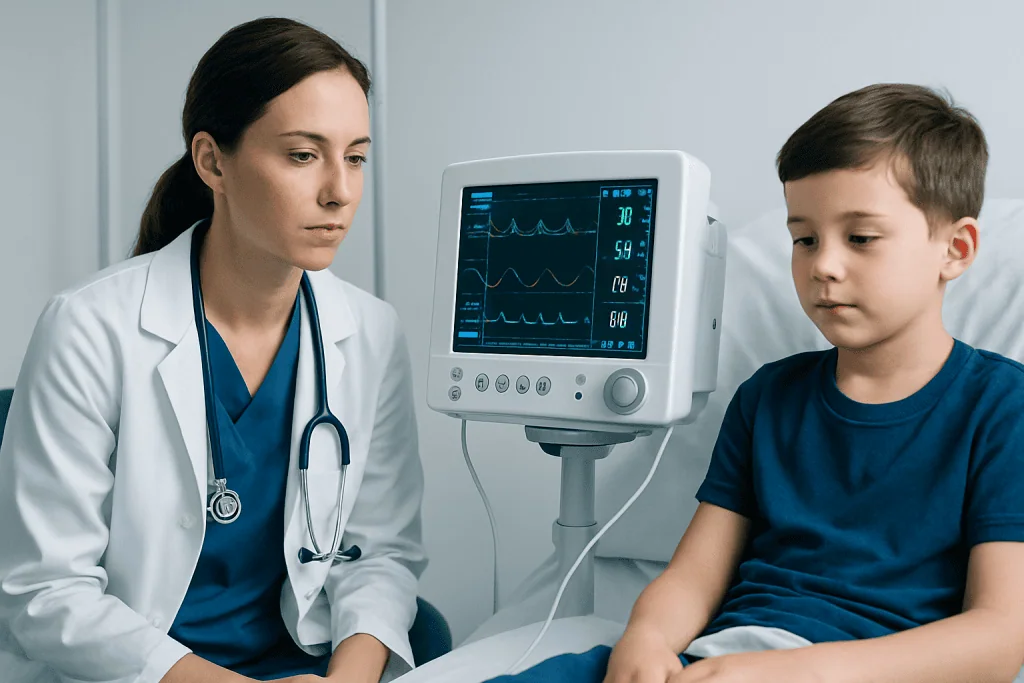
Any child with diarrhea benefits from careful fluid intake and observation. Infants, children under 5 years, children with chronic medical conditions, and children who cannot keep fluids down have a lower margin for fluid loss and may need earlier clinical advice. Recent travel, exposure to untreated water, contact with someone who has gastroenteritis, daycare outbreaks and recent antibiotic use can also help a clinician assess likely causes.
Most uncomplicated viral diarrhea does not require antibiotics. Antibiotics are only useful for selected proven or strongly suspected bacterial infections and may be harmful when unnecessary. Persistent diarrhea, usually lasting 14 days or longer, deserves medical review because it can be associated with infection, temporary lactose intolerance, malabsorption, inflammatory conditions or other health concerns.
Children who have significant dehydration may need supervised rehydration in a clinic or hospital. This can involve oral rehydration given in measured amounts, a feeding tube in some situations, or intravenous fluids when oral intake is not safe or sufficient.
Step-by-step: what treatment usually involves
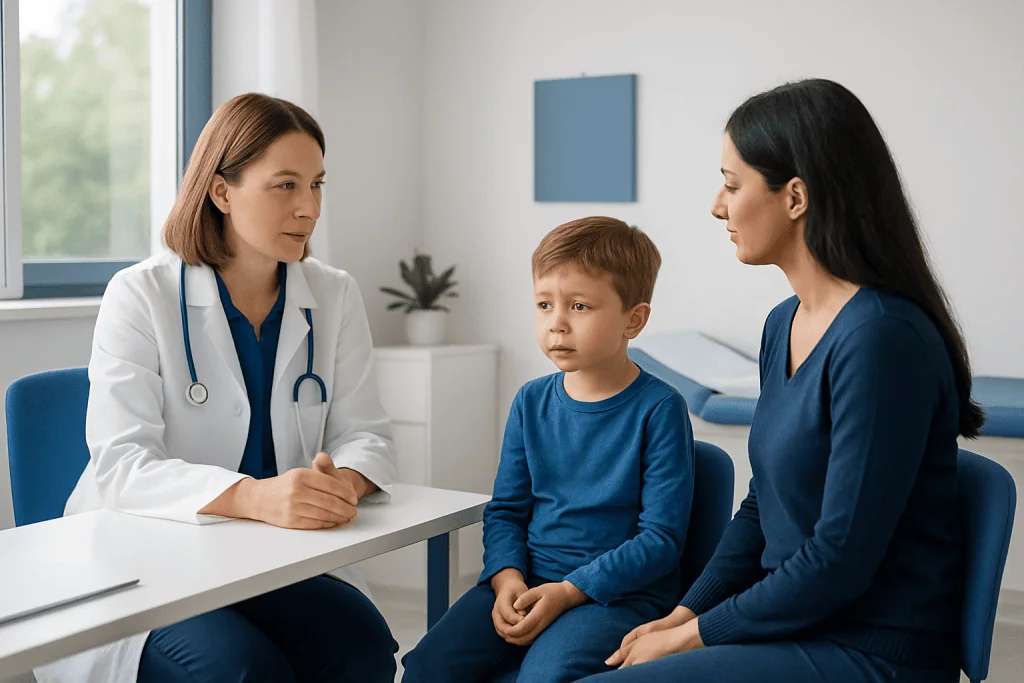
The first step is an assessment of hydration. A healthcare professional asks about the number and appearance of stools and vomits, fluid intake, urination, fever, medicines, travel and sick contacts. They examine the child’s alertness, mouth moisture, tears, breathing, pulse, skin circulation and weight when relevant.
For mild diarrhea without dehydration, parents are usually advised to offer an age-appropriate ORS frequently in small sips or spoonfuls. If vomiting occurs, a small amount offered every few minutes may be better tolerated than a large drink. Breastfeeding should continue on demand, and formula should usually be continued as normally prepared unless a clinician advises otherwise.
Once the child is drinking, ordinary nourishing foods can be reintroduced or continued. Suitable choices vary by age and culture, but can include starchy foods, yogurt if tolerated, fruit, vegetables and lean proteins. Very sugary drinks may worsen diarrhea by drawing water into the bowel. A clinician may request stool testing or blood tests when symptoms are severe, prolonged, bloody, associated with travel, or unusual for a routine viral illness.
In hospital, the team monitors fluid balance, urine output, vital signs and the child’s response to treatment. Care is adjusted to the cause and severity. This approach supports safe recovery rather than simply trying to stop every bowel movement.
What stops diarrhea fast for kids?
There is no universally safe medicine that instantly stops diarrhea in children. The safest and most effective immediate measure is oral rehydration solution, because it replaces fluids and salts while the body recovers. Continuing usual feeding where possible also helps protect nutrition and supports healing.
Over-the-counter anti-diarrheal medicines, including medicines that slow bowel movement, are generally not recommended for young children unless a qualified clinician has specifically prescribed or advised them. Some can cause serious side effects or mask an illness that needs assessment. Antibiotics do not treat viral gastroenteritis and should only be used when medically indicated.
Parents should avoid using juice, fizzy drinks, energy drinks, sports drinks or undiluted sweet beverages as substitutes for ORS. These drinks may contain an unsuitable balance of sugar and salts. A pharmacist or pediatric clinician can advise on an appropriate commercial ORS and how to use it safely.
Benefits, limitations and possible risks
The main benefit of prompt rehydration is prevention or correction of dehydration, which helps children remain alert, continue feeding and recover safely. Most children with uncomplicated acute diarrhea improve without invasive tests, prescription medicines or hospital admission. Hygiene measures, including careful handwashing, can also reduce spread within the household.
Diarrhea itself is often part of the body’s response to infection, so treatment is not always intended to stop stools immediately. The aim is to keep the child hydrated and comfortable while looking for signs that a more specific cause needs treatment. Zinc supplementation is recommended in some public-health settings for children with acute diarrhea, but whether it is appropriate depends on the child’s age, nutrition and local clinical guidance.
Possible risks arise mainly when dehydration is missed or when unsuitable treatments are used. Mixing ORS incorrectly, offering only plain water in a child with substantial fluid losses, or using anti-diarrheal medicines without advice can be unsafe. Families should follow product instructions and seek help if the child’s condition worsens.
How to know when diarrhea is getting better
Diarrhea is usually getting better when stools gradually become less frequent and less watery, vomiting eases, and the child is willing to drink and eat more normally. Other reassuring signs include more regular urination, a moist mouth, tears when crying, improving energy and a return toward usual behavior.
Recovery is not always linear. A child may have a few loose stools even after appetite and energy have improved, and bowel habits can take a little longer to return fully to normal. The key is that hydration and overall wellbeing are improving rather than declining.
Parents can keep a simple record of drinks taken, vomiting episodes, stool frequency and wet diapers or urination. This information is useful if a clinician needs to assess the child. A return of high fever, worsening pain, blood in the stool or reduced urine output is not a typical sign of uncomplicated improvement and should prompt medical advice.
What color is rotavirus diarrhea?
Rotavirus diarrhea is typically watery and may be yellow, green, tan or light brown. Color alone cannot diagnose rotavirus because stool color can change with diet, the speed at which stool moves through the bowel and other common infections. Rotavirus often causes vomiting and fever before or alongside watery diarrhea.
Green stool can occur when bile passes through the intestines quickly and is often not dangerous by itself in a child who is drinking, urinating and behaving reasonably normally. However, red or black stools may indicate blood, while white, gray or clay-colored stools can sometimes point to a liver or bile-flow problem. These colors should be discussed with a healthcare professional promptly.
Vaccination against rotavirus, given during infancy according to local immunization schedules, can reduce the risk of severe rotavirus illness. Even vaccinated children may develop diarrhea from other viral or bacterial causes, so hydration advice remains important.
How long does diarrhea usually last in kids?
Acute viral diarrhea in children commonly improves within a few days and often resolves within about a week. Some children, particularly after gastroenteritis, may have looser stools for up to two weeks while their intestinal lining and normal digestion recover. The duration varies with the cause, the child’s age and whether vomiting, fever or dietary intolerance is also present.
Diarrhea lasting 14 days or longer is considered persistent and should be evaluated by a clinician. Review is also appropriate sooner if symptoms are severe, recur frequently, affect growth or are accompanied by blood, ongoing fever, significant pain or signs of dehydration.
Children should return to daycare or school according to local public-health rules and when they are well enough to participate. Handwashing with soap and water after toileting or diaper changes, before preparing food and before eating remains one of the most effective ways to limit infection spread.
When to seek medical care
Parents or caregivers should seek urgent medical care if a child shows signs of dehydration, such as very little or no urine, no tears when crying, a very dry mouth, sunken eyes, unusual sleepiness, marked irritability, weakness or difficulty waking. Urgent assessment is also needed for trouble breathing, severe or worsening abdominal pain, a swollen abdomen, repeated vomiting that prevents drinking, or a child who appears very unwell.
A clinician should be contacted promptly for blood or black stool, white or gray stool, high or persistent fever, diarrhea in a young infant, or diarrhea that does not begin to improve after several days. Caregivers should trust their judgment: a child who is noticeably less responsive or unlike themselves deserves assessment even if individual symptoms seem mild.
Acibadem International’s multidisciplinary pediatric specialists and JCI-accredited hospitals can assess dehydration and investigate ongoing or severe digestive symptoms for international patients. Medical care is individualized after evaluating the child’s age, hydration, symptoms and medical history.
Frequently asked questions
Can a child eat while they have diarrhea?
Yes. Most children should continue breastfeeding, usual formula feeding and age-appropriate meals as tolerated. Continuing nutrition can support recovery, while very sugary drinks and heavily sweetened foods are best avoided.
Should parents give water only for diarrhea?
Plain water may be offered as part of normal drinking, but it does not adequately replace the salts lost through significant diarrhea. Oral rehydration solution has a balanced amount of water, sugar and electrolytes and is generally the preferred option for rehydration.
Can probiotics treat diarrhea in children?
Some probiotic products may modestly shorten certain episodes of acute infectious diarrhea, but effects depend on the specific strain and the child’s health. They are not a substitute for rehydration, and parents should ask a clinician before using them, especially for children with weakened immunity or serious illness.
When is diarrhea dangerous for a baby?
Diarrhea can become dangerous quickly in babies because they may dehydrate faster than older children. Reduced wet diapers, poor feeding, repeated vomiting, unusual sleepiness, fever in a young infant, or a sunken soft spot are reasons to seek urgent medical advice.
Does teething cause diarrhea?
Teething may coincide with mild changes in stool pattern, but it is not considered a cause of significant or persistent diarrhea. A baby with frequent watery stools, vomiting, fever or signs of dehydration should be assessed for infection or another cause.
Can children take anti-diarrheal medicine?
Children should not receive anti-diarrheal medicines unless a clinician specifically recommends them. These medicines can have side effects and are not appropriate for many common childhood diarrheal illnesses.
References
- World Health Organization
- Centers for Disease Control and Prevention
- American Academy of Pediatrics
- European Society for Paediatric Gastroenterology Hepatology and Nutrition
- National Health Service
This article is for general information only and is not a substitute for professional medical advice. Please consult a qualified doctor about your individual situation.
Persistent digestive symptoms? Get evaluated in Turkey
JCI-accredited · board-certified surgeons · reply within 24h
Add us as a Preferred Source to see more of our trusted health content across Google Search, AI Overviews and Discover.