Colon Cleanse — Explained by Medical Evidence, Not Myths

A routine colon cleanse is not medically necessary for most healthy adults. The body already removes waste through normal bowel function, supported by the liver and kidneys.
Key Takeaways
- A routine colon cleanse is not medically necessary for most healthy adults.
- The body already removes waste through normal bowel function, supported by the liver and kidneys.
- Colon cleansing products and procedures may cause dehydration, diarrhea, electrolyte imbalance, or bowel injury.
- Constipation, bloating, or a feeling of “sluggish digestion” should be evaluated based on cause rather than treated with repeated cleanses.
- Fiber-rich foods, fluids, exercise, and medical guidance are safer ways to support regular bowel habits.
- Bowel preparation is appropriate before certain tests or procedures, but only under professional instructions.
Colon cleanse is widely promoted for “detox,” bloating, and weight loss, but medical evidence does not support routine cleansing for healthy people. In most cases, the colon cleanses itself naturally, and safer, evidence-based ways to support digestive health include fiber, hydration, activity, and proper medical evaluation for symptoms.
Colon Cleanse: What Medical Evidence Says
A colon cleanse is usually not needed for people with a healthy digestive system. The colon is designed to move stool out of the body on its own, and there is no good medical evidence that routine cleansing removes “toxins,” improves general health, or leads to lasting weight loss.
The idea of cleansing the colon is often linked to detox claims, digestive “reset” programs, and fast fixes for bloating or constipation. However, these claims are often broader than the science supports. Temporary changes after a cleanse, such as less bloating or lower body weight, are often related to fluid loss, reduced food intake, or diarrhea rather than improved colon function.
That does not mean bowel cleansing is never used in medicine. Doctors may prescribe bowel preparation before a colonoscopy, some surgeries, or selected imaging tests. In those settings, cleansing is targeted, time-limited, and done with clear instructions. This is very different from self-directed detox regimens or repeated over-the-counter cleansing products.
How the Colon Normally Works
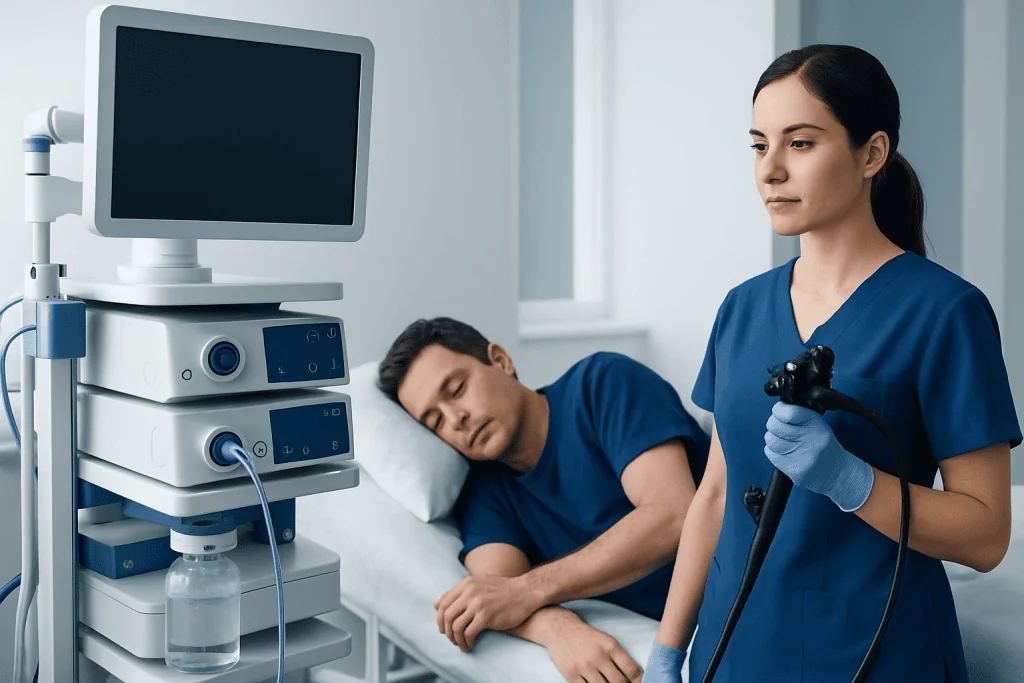
The colon, also called the large intestine, absorbs water and electrolytes from digested food and helps form stool. It also houses a large and complex community of bacteria, viruses, and other microbes known as the gut microbiome. These microbes play a role in digestion, immune function, and overall gut health.
Normal bowel habits vary. Some people have a bowel movement three times a day, while others may go every other day and still be within a healthy range. Regularity matters less than a person’s usual pattern, stool consistency, and whether there is straining, pain, bleeding, or an abrupt change.
The body has several built-in systems for handling waste and byproducts. The intestines eliminate stool, the kidneys filter blood and produce urine, and the liver helps process many substances. Because of these natural systems, the common idea that waste stays “stuck” in the colon in healthy individuals is not supported by standard medical understanding.
Common Claims About Colon Cleansing and What They Mean
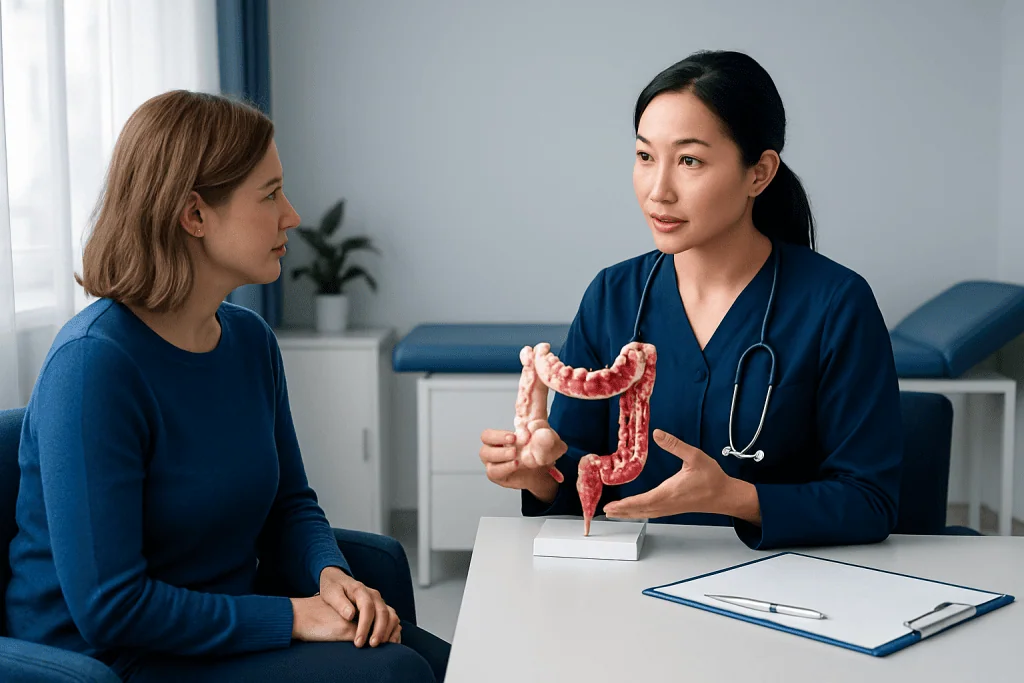
People often consider a colon cleanse for constipation, bloating, fatigue, skin concerns, or a general desire to feel “lighter.” It is understandable to look for a simple solution, especially when symptoms are uncomfortable. Still, symptoms such as these can have many causes, and a cleanse may not address the real issue.
For example, bloating may be related to diet, swallowed air, food intolerance, constipation, stress, or conditions such as irritable bowel syndrome. Constipation may be linked to low fiber intake, dehydration, reduced physical activity, medications, or an underlying digestive condition. In these situations, accurate diagnosis is more useful than repeated cleansing.
Weight loss claims can also be misleading. A colon cleanse may briefly reduce body weight because it empties stool and fluid from the intestines. This effect is temporary and does not represent fat loss. Likewise, feeling “cleaner” after a cleanse is a personal sensation, not proof that toxins were removed.
- Some products claim to remove toxins, but routine toxin buildup in the colon is not a recognized medical condition in healthy people.
- Some regimens claim to improve immunity or skin, but direct evidence is limited and inconsistent.
- Some cleansing methods may disrupt normal bowel habits if used repeatedly.
Possible Risks and Side Effects of a Colon Cleanse
Although many colon cleanse products are marketed as natural or gentle, they are not risk-free. Laxatives, herbal preparations, enemas, and colonic irrigation can cause diarrhea, cramping, nausea, dizziness, dehydration, and changes in electrolyte balance. These effects may be more serious in older adults, children, and people with kidney, heart, or digestive disorders.
Some herbal ingredients can interact with medications or worsen underlying health problems. Repeated use of stimulant laxatives may lead to dependence for bowel movements in some people. Excessive cleansing can also irritate the bowel and may disturb the normal gut microbiome.
Colonic irrigation, sometimes called colon hydrotherapy, carries additional concerns if not performed under appropriate standards. Rare but serious complications have included rectal injury, infection, severe electrolyte disturbances, and bowel perforation. Risk may be higher in people with inflammatory bowel disease, diverticular disease, recent bowel surgery, severe hemorrhoids, or other structural bowel problems.
Anyone with digestive symptoms such as bleeding, weight loss, severe abdominal pain, or persistent constipation should avoid self-treatment with repeated cleanses and seek medical advice instead. In some cases, symptoms may be related to conditions that need proper evaluation, including Crohn’s disease or other bowel disorders.
When Bowel Cleansing Is Medically Appropriate
There are situations where bowel cleansing is part of standard medical care. The most common example is preparing for a colonoscopy, where the bowel must be emptied so the doctor can clearly examine the lining of the colon. This preparation is specific, short-term, and based on medical guidance rather than wellness marketing.
A doctor may also recommend bowel preparation before certain operations or imaging studies. The product, timing, diet instructions, and amount of fluid are usually tailored to the patient’s age, health conditions, and the procedure planned. Following these instructions carefully is important for both safety and accuracy.
If a person has ongoing constipation or a suspected bowel problem, treatment depends on the cause. Evaluation may include a physical examination, blood tests, stool tests, or endoscopic assessment such as colonoscopy. Some patients may also need specialist review in gastroenterology to determine the safest and most effective approach.
Safer, Evidence-Based Ways to Support Colon Health
For most people, the best way to support the colon is not through cleansing but through daily habits that promote normal bowel function. A balanced eating pattern with adequate fiber can help stool stay soft and easier to pass. Good sources include vegetables, fruits, legumes, whole grains, nuts, and seeds, adjusted to individual tolerance.
Fluids are also important, especially when increasing fiber intake. Physical activity supports bowel motility, and a regular routine for meals and bathroom habits can help the body maintain a consistent rhythm. It is often useful to respond to the urge to have a bowel movement rather than delaying it repeatedly.
If constipation develops, treatment should match the cause. A doctor may suggest dietary changes, medication review, or a short-term laxative plan rather than an intensive cleanse. For some people, management of conditions such as ulcerative colitis or pelvic floor problems is the key to symptom relief, not bowel detox methods.
- Aim for gradual, sustainable fiber intake rather than sudden large increases.
- Drink enough fluids based on climate, activity, and medical advice.
- Stay physically active within personal ability.
- Discuss persistent symptoms, new bowel changes, or regular laxative use with a clinician.
When to Seek Medical Care
Medical review is important if bowel symptoms are severe, persistent, or changing. Warning signs include blood in the stool, black stools, ongoing abdominal pain, unexplained weight loss, vomiting, fever, anemia, new constipation in an older adult, or diarrhea that does not improve. These symptoms do not always mean a serious condition, but they should not be explained away as “toxins.”
People with chronic illnesses should be especially cautious with colon cleanse products. Those with kidney disease, heart disease, inflammatory bowel disease, diabetes, or a history of bowel surgery may face higher risks from dehydration or electrolyte imbalance. Pregnant or breastfeeding individuals should also consult a qualified clinician before using any cleansing product.
It is also sensible to seek advice before using enemas, herbal cleanses, or colon hydrotherapy if a person takes regular medications or has a history of digestive disease. Near the end of the care pathway, if specialist assessment is needed, Acibadem International’s multidisciplinary teams and JCI-accredited hospitals diagnose and treat digestive conditions for international patients, including evaluation through endoscopy when clinically appropriate.
Frequently asked questions
Is a colon cleanse necessary for detox?
For most healthy people, no. The body already removes waste through normal bowel movements, and the liver and kidneys help process many substances naturally. There is no strong medical evidence that routine colon cleansing improves detoxification.
Can a colon cleanse help with constipation?
It may empty the bowels temporarily, but it does not always treat the cause of constipation. Constipation can result from diet, medications, low fluid intake, low activity, or an underlying medical condition. A doctor can help determine safer and more effective treatment.
Are herbal colon cleanse products safe because they are natural?
Not necessarily. Natural products can still cause side effects, interact with medicines, or lead to dehydration and electrolyte imbalance. It is safest to discuss any cleansing product with a healthcare professional, especially if symptoms are ongoing.
Does a colon cleanse cause weight loss?
Any weight change is usually temporary and mostly related to fluid loss and emptying stool from the intestines. It does not represent a reliable way to reduce body fat. Lasting weight management is better supported by nutrition, activity, sleep, and medical guidance when needed.
What is the difference between a medical bowel prep and a wellness cleanse?
A medical bowel prep is used for a specific purpose, such as before a colonoscopy, and follows a doctor’s instructions. A wellness cleanse is often promoted broadly for detox or energy without the same medical rationale. The safety, timing, and goals are very different.
Who should avoid colon cleansing?
People with kidney disease, heart disease, inflammatory bowel disease, prior bowel surgery, severe hemorrhoids, or unexplained digestive symptoms should be particularly careful. Pregnant or breastfeeding individuals and anyone taking regular medication should also seek medical advice first.
References
- National Institute of Diabetes and Digestive and Kidney Diseases
- American Gastroenterological Association
- U.S. Food and Drug Administration
- National Center for Complementary and Integrative Health
- Mayo Clinic
This article is for general information only and is not a substitute for professional medical advice. Please consult a qualified doctor about your individual situation.
Medical weight-loss options in Turkey — costs & eligibility
JCI-accredited · board-certified surgeons · reply within 24h

More from the Health Library



Related Specialists

Dr. Hakan Erkman
Pediatrics
Dr. Levent Karaman
Inpatient Clinic Physicians Clinical Service
Dt. Nuri Deveci
Dentistry
Dr. Macit Dokur
Inpatient Clinic Physicians Clinical Service