Colonoscopy: Bowel Preparation, Procedure, and Results

Colonoscopy can detect inflammation, bleeding, polyps, and signs of colorectal cancer, and some polyps can be removed during the same procedure. Bowel preparation is essential because a clean colon helps the doctor see the lining clearly and reduces the chance of needing a repeat test.
Key Takeaways
- Colonoscopy can detect inflammation, bleeding, polyps, and signs of colorectal cancer, and some polyps can be removed during the same procedure.
- Bowel preparation is essential because a clean colon helps the doctor see the lining clearly and reduces the chance of needing a repeat test.
- Most colonoscopies are performed with sedation or anesthesia, so patients usually need someone to accompany them home afterward.
- Minor bloating or gas can occur after the procedure, but severe pain, fever, heavy bleeding, or persistent vomiting should be reported promptly.
- Results may be available immediately if the exam is normal, while biopsy or polyp results usually take several days.
A colonoscopy is a common procedure that allows a doctor to examine the inside of the colon and rectum, often for screening, diagnosis, or treatment. Good bowel preparation and clear communication with the healthcare team help make the test safer, more comfortable, and more accurate.
Overview
A colonoscopy is an endoscopic examination of the large intestine, which includes the colon and rectum. During the procedure, a doctor uses a long, flexible tube called a colonoscope. The instrument has a light and a camera at its tip, allowing the doctor to view the lining of the bowel on a monitor in real time.
Colonoscopy is used for several reasons. It may be recommended as a screening test for colorectal cancer, to investigate symptoms such as rectal bleeding or unexplained changes in bowel habits, or to monitor known conditions such as inflammatory bowel disease. It can also be therapeutic, because small growths called polyps can often be removed during the same examination.
Many people feel anxious before a colonoscopy, especially if it is their first one. In most cases, the procedure is brief, and sedation is used to help the patient remain relaxed and comfortable. The most important part for the patient is usually the bowel preparation, because a clean bowel allows the doctor to perform a careful and accurate examination.
Why a Colonoscopy May Be Recommended
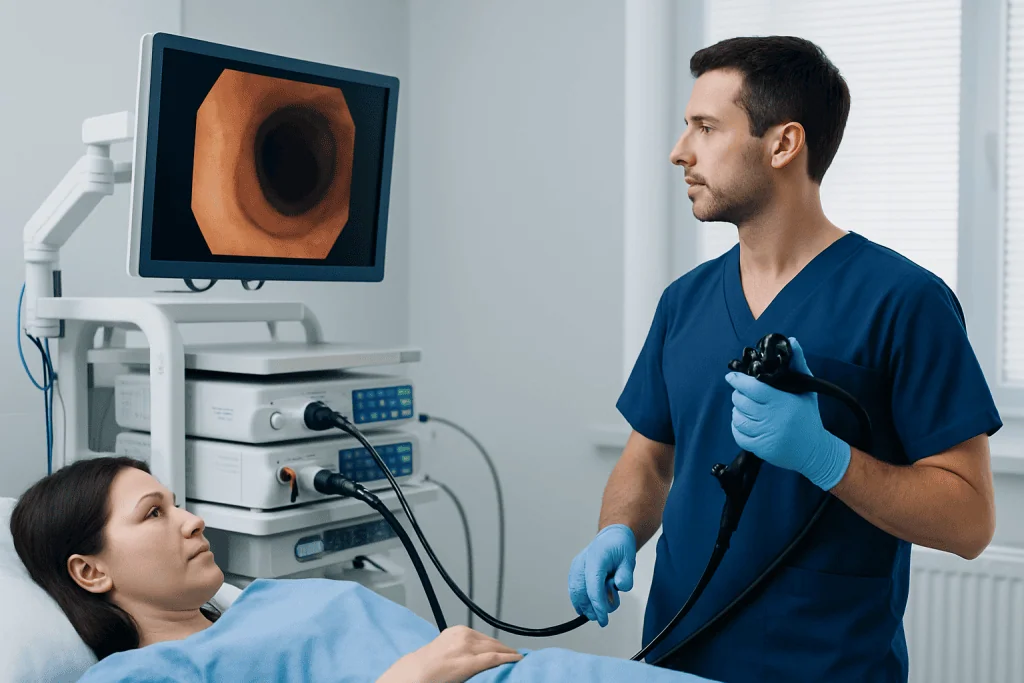
A colonoscopy may be advised for screening, diagnosis, follow-up, or treatment. Screening is especially important because colorectal polyps can be found and removed before they develop into cancer. The recommended age and interval for screening depend on personal risk, family history, previous findings, and national or local guidelines.
Diagnostic colonoscopy may be recommended when symptoms suggest a problem in the colon or rectum. These may include blood in the stool, iron deficiency anemia, persistent diarrhea, ongoing constipation, abdominal pain, unexplained weight loss, or a significant change in bowel habits. The procedure helps doctors look directly at the bowel lining and, if needed, take small tissue samples for laboratory analysis.
Colonoscopy may also be used to follow people with previous polyps, colorectal cancer, or chronic inflammatory conditions such as ulcerative colitis or Crohn’s disease affecting the colon. Follow-up timing is individualized. It depends on findings such as the number, size, and type of polyps, the quality of bowel preparation, and the patient’s overall health and risk factors.
Bowel Preparation: How to Get Ready
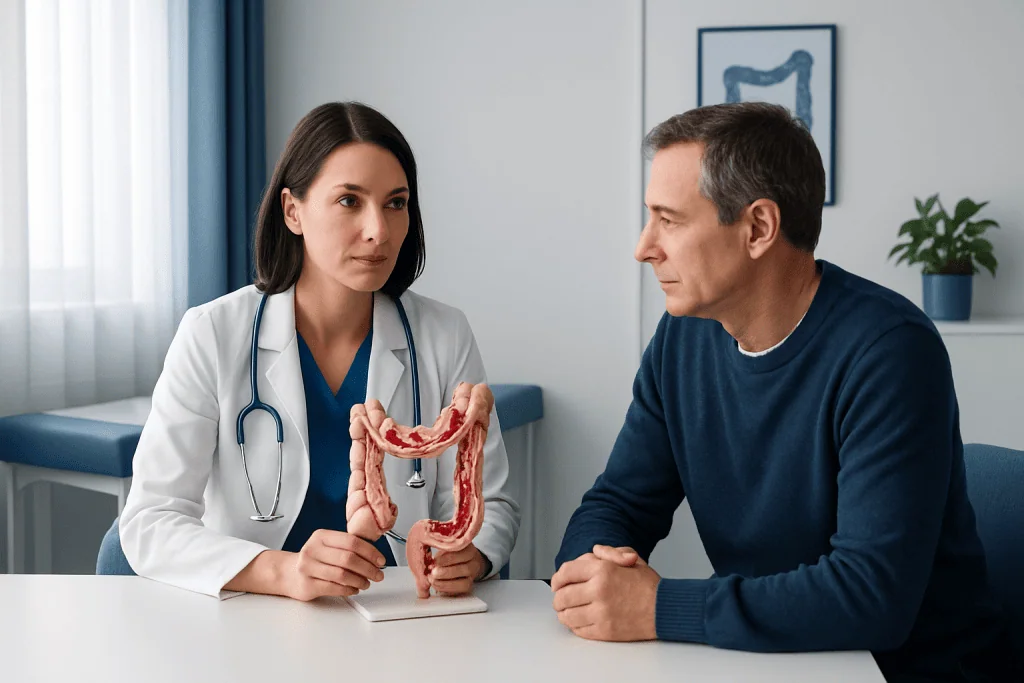
Bowel preparation is the process of emptying the colon before the test. It usually includes dietary changes and a prescribed laxative solution or tablets. A clear view of the colon lining is essential; if stool remains in the bowel, small polyps or irritated areas may be missed, and the test may need to be repeated.
Instructions vary by clinic and by the type of preparation prescribed, so patients should follow their own doctor’s written plan carefully. Common instructions may include eating a low-fiber diet for one or more days, switching to clear liquids the day before the procedure, and avoiding red or purple liquids that may look like blood during the examination. Clear liquids may include water, clear broth, apple juice, tea or coffee without milk, and certain sports drinks, depending on the doctor’s instructions.
Patients should tell their healthcare team about all medicines and supplements they take, especially blood thinners, diabetes medicines, iron tablets, anti-inflammatory medicines, and medicines for heart or kidney conditions. The doctor may adjust timing or give specific safety instructions. Patients should not stop prescribed medicines on their own unless their doctor tells them to do so.
Practical preparation can make the process easier. It may help to stay near a bathroom after taking the bowel preparation, drink permitted fluids to prevent dehydration, use skin-protective ointment if the anal area becomes irritated, and wear comfortable clothing. If vomiting, dizziness, inability to complete the preparation, or uncertainty about instructions occurs, the clinic should be contacted for advice.
What Happens During the Procedure
On the day of the colonoscopy, the patient checks in and is asked about medications, allergies, medical conditions, and when they last ate or drank. Vital signs are measured, and an intravenous line may be placed for sedation or anesthesia. The healthcare team explains the procedure and obtains consent before it begins.
Most patients receive sedation, which helps reduce discomfort and anxiety. The type of sedation varies; some people are drowsy but able to respond, while others receive deeper anesthesia under appropriate monitoring. Because sedation can affect coordination and judgment for the rest of the day, patients are usually instructed not to drive, drink alcohol, sign important documents, or operate machinery afterward.
During the procedure, the patient lies on their side while the doctor gently inserts the colonoscope through the rectum and advances it through the colon. Air or carbon dioxide is introduced to expand the bowel and improve visibility. The doctor carefully inspects the lining, may wash or suction fluid, may take biopsies, and may remove polyps if appropriate.
The examination itself often takes a relatively short time, but the total visit is longer because of check-in, sedation, recovery, and discharge instructions. After the procedure, the patient is monitored until they are alert and stable. It is normal to feel bloated or pass gas as the air leaves the bowel.
Understanding Colonoscopy Results
Some results can be discussed soon after the procedure, especially if the colonoscopy is normal or if visible findings are straightforward. A normal colonoscopy means the doctor did not see polyps, cancer, inflammation, bleeding, or other abnormalities in the examined areas. The doctor will recommend when the next screening or follow-up should occur based on the patient’s risk profile and the quality of the examination.
If polyps are found, many can be removed during the colonoscopy and sent to a laboratory. Polyps are common, and not all are dangerous. The laboratory report helps determine the type of polyp and whether further follow-up is needed. The interval before the next colonoscopy depends on details such as polyp type, size, number, and whether removal was complete.
Biopsies may be taken even when the lining looks normal, particularly when investigating chronic diarrhea, suspected inflammation, or other conditions. Biopsy results usually take several days, depending on the laboratory process. The healthcare team should explain how the patient will receive results and who to contact if results are not received within the expected time.
Possible findings include hemorrhoids, diverticulosis, inflammation, ulcers, polyps, narrowing, sources of bleeding, or rarely a suspicious mass. If an abnormal finding is detected, the doctor will discuss the next steps. These may include medication, imaging, repeat colonoscopy, specialist referral, or surgery, depending on the diagnosis and the patient’s overall condition.
Benefits, Limitations, and Possible Risks
Colonoscopy is valued because it allows direct visualization of the colon and can combine diagnosis with treatment. Removing certain polyps during colonoscopy can reduce the future risk of colorectal cancer. Biopsies can help diagnose inflammatory, microscopic, infectious, or other bowel conditions that may not be visible on imaging tests.
Like all medical procedures, colonoscopy has limitations. Its accuracy depends partly on bowel preparation quality, the anatomy of the colon, and whether the entire colon can be examined. Very small or flat lesions can occasionally be missed. If the bowel is not clean enough or the exam is incomplete, the doctor may recommend repeating the test or using another evaluation method.
Most people recover without problems. Temporary bloating, gas, mild cramping, or a small amount of blood after biopsy or polyp removal can occur. More serious complications are uncommon but may include bleeding, especially after larger polyp removal, a tear in the bowel wall, reaction to sedation, or infection. The healthcare team balances these risks against the benefit of accurate diagnosis and prevention.
Patients can help reduce risk by providing a complete medical history, following preparation instructions, and arranging safe transportation after sedation. It is also important to ask questions before the procedure, including why the test is recommended, what alternatives exist, and what follow-up may be needed.
Aftercare, Self-Care, and When to See a Doctor
After a colonoscopy, patients are usually observed in a recovery area until the sedative effects begin to wear off. A responsible adult should take the patient home if sedation or anesthesia was used. Resting for the remainder of the day is commonly advised, and normal activities can often resume the next day unless the doctor gives different instructions.
Eating and drinking after the procedure depend on the doctor’s advice and on whether any treatment, such as polyp removal, was performed. Many patients can return gradually to their usual diet. Drinking fluids can help replace fluid lost during bowel preparation. If gas or bloating occurs, walking gently may help the bowel release trapped air.
The doctor should be contacted promptly if the patient develops severe or worsening abdominal pain, persistent vomiting, fever, dizziness or fainting, black stools, or heavy or repeated rectal bleeding. A small amount of blood may occur after biopsy or polyp removal, but bleeding that fills the toilet bowl, continues, or is associated with weakness should be assessed without delay.
Patients should also seek guidance if they do not receive pathology results as expected or if they are unsure about follow-up timing. For international patients, Acibadem International’s multidisciplinary specialists and JCI-accredited hospitals can provide diagnosis, colonoscopy, pathology review, and coordinated follow-up planning for digestive health concerns.
Frequently asked questions
Is a colonoscopy painful?
Most people do not feel significant pain during colonoscopy because sedation or anesthesia is commonly used. Some pressure, bloating, or cramping may occur afterward as air leaves the bowel. If a patient has concerns about comfort, they should discuss sedation options with the healthcare team before the procedure.
How important is bowel preparation?
Bowel preparation is one of the most important parts of colonoscopy. If the colon is not clean, the doctor may not be able to see the lining clearly, and small polyps or other findings could be missed. In some cases, poor preparation means the procedure must be repeated.
Can polyps be removed during colonoscopy?
Yes, many polyps can be removed during the same procedure using instruments passed through the colonoscope. Removed polyps are usually sent to a laboratory to determine their type. The pathology result helps the doctor recommend the next follow-up interval.
How long does it take to get colonoscopy results?
The doctor may explain visible findings shortly after the procedure, once the patient is awake enough to understand. If biopsies or polyps were taken, laboratory results usually take several days. Patients should ask how and when results will be shared.
Can a patient drive after a colonoscopy?
If sedation or anesthesia was used, the patient should not drive afterward and should arrange for someone to take them home. Sedatives can affect reaction time, memory, and judgment for the rest of the day. The healthcare team will provide specific discharge instructions.
What should a patient tell the doctor before colonoscopy?
Patients should tell the doctor about all medicines, supplements, allergies, previous reactions to anesthesia, pregnancy possibility, and medical conditions such as heart, lung, kidney, liver, or bleeding disorders. It is especially important to mention blood thinners and diabetes medicines. The doctor can then provide individualized preparation and medication instructions.
References
- World Health Organization
- American Society for Gastrointestinal Endoscopy
- American College of Gastroenterology
- European Society of Gastrointestinal Endoscopy
- National Institute for Health and Care Excellence
This article is for general information only and is not a substitute for professional medical advice. Please consult a qualified doctor about your individual situation.
Persistent digestive symptoms? Get evaluated in Turkey
JCI-accredited · board-certified surgeons · reply within 24h

More from the Health Library



Related Specialists

Prof. Dr. Mehmet Veli Karaaltın
Aesthetic Plastic & Reconstructive Surgery
Dr. Özden Çamurdan
Radiology
Prof. Dr. Özgür Fırat
General Surgery
Assoc. Prof. Dr. Tansel Türkoğlu
Cardiovascular Surgery