

Constipation While on Your Period Explained: Causes, Management, and When to See a Doctor

Hormone shifts during the menstrual cycle can slow the digestive tract and contribute to constipation. Period-related constipation may come with bloating, cramping, and a feeling of incomplete bowel movements.
Key Takeaways
- Hormone shifts during the menstrual cycle can slow the digestive tract and contribute to constipation.
- Period-related constipation may come with bloating, cramping, and a feeling of incomplete bowel movements.
- Hydration, fiber, regular movement, and reviewing pain medicines can often ease symptoms.
- Constipation that is severe, ongoing, or associated with red-flag symptoms needs medical evaluation.
- Conditions such as IBS, endometriosis, or thyroid problems can make constipation around periods worse.
Constipation while on your period is usually linked to normal hormone changes that can slow bowel movements around menstruation. In many cases it improves with self-care, but severe pain, bleeding, or persistent bowel changes should be assessed by a doctor.
Overview: Why constipation can happen during a period
Constipation while on your period is a common experience. For many people, bowel habits change across the menstrual cycle because hormones affect how quickly the intestines move, how much water the body retains, and how sensitive the gut feels. This can mean harder stools, less frequent bowel movements, straining, or a sense that the bowels have not fully emptied.
Although some people notice looser stools during menstruation, others experience the opposite. Both patterns can be related to normal cyclic changes in prostaglandins, progesterone, estrogen, daily habits, stress, and pain relief medicines used for menstrual cramps. The timing and severity vary from person to person.
In most cases, period constipation is temporary and settles as hormone levels shift again. However, if constipation becomes a regular monthly problem, significantly interferes with daily life, or comes with symptoms such as severe pelvic pain, rectal bleeding, vomiting, or weight loss, a medical review is important to look for underlying causes.
How the menstrual cycle affects the gut
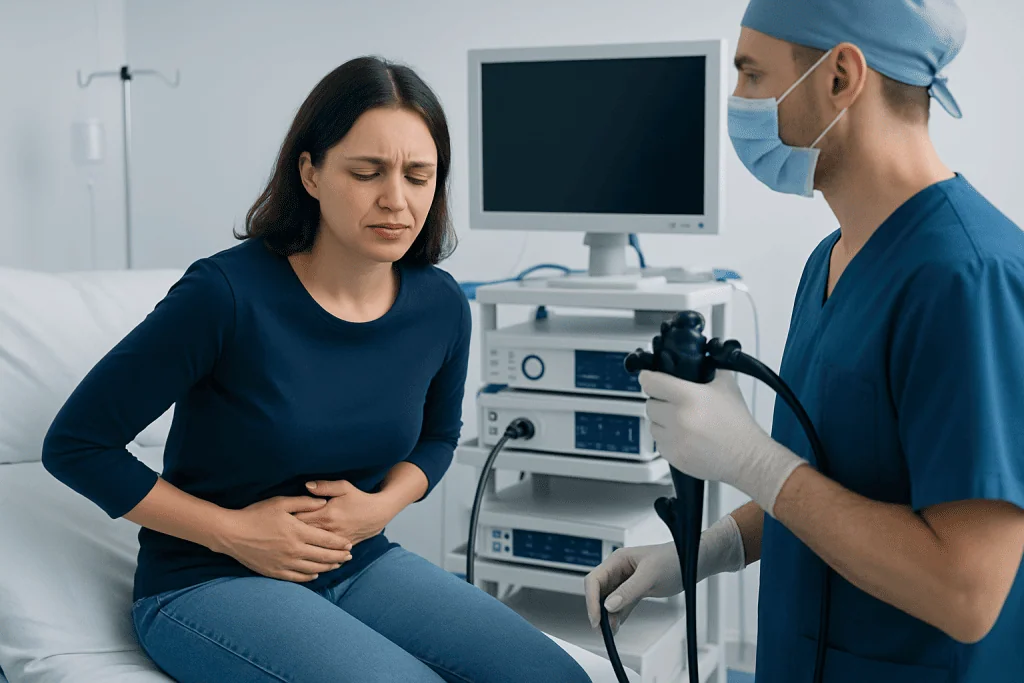
The digestive tract and reproductive hormones are closely connected. In the days before a period, progesterone is relatively higher and can slow intestinal movement in some people. When the bowel moves more slowly, more water is absorbed from stool, making it firmer and more difficult to pass.
Once menstruation begins, prostaglandins rise. These hormone-like substances help the uterus contract, but they can also influence the intestines. In some people this causes diarrhea, while in others the overall combination of pelvic discomfort, reduced activity, lower fluid intake, and medication use can still lead to constipation.
The result is that bowel changes around a period are not the same for everyone. A person may have constipation one cycle and not the next, or constipation on the first days of bleeding followed by more normal bowel movements later. Tracking symptoms across two or three cycles can help show whether there is a clear pattern.
- Fewer than usual bowel movements
- Hard, dry, or lumpy stools
- Straining during bowel movements
- Abdominal bloating or pressure
- A feeling of incomplete emptying
Symptoms that may occur with period constipation
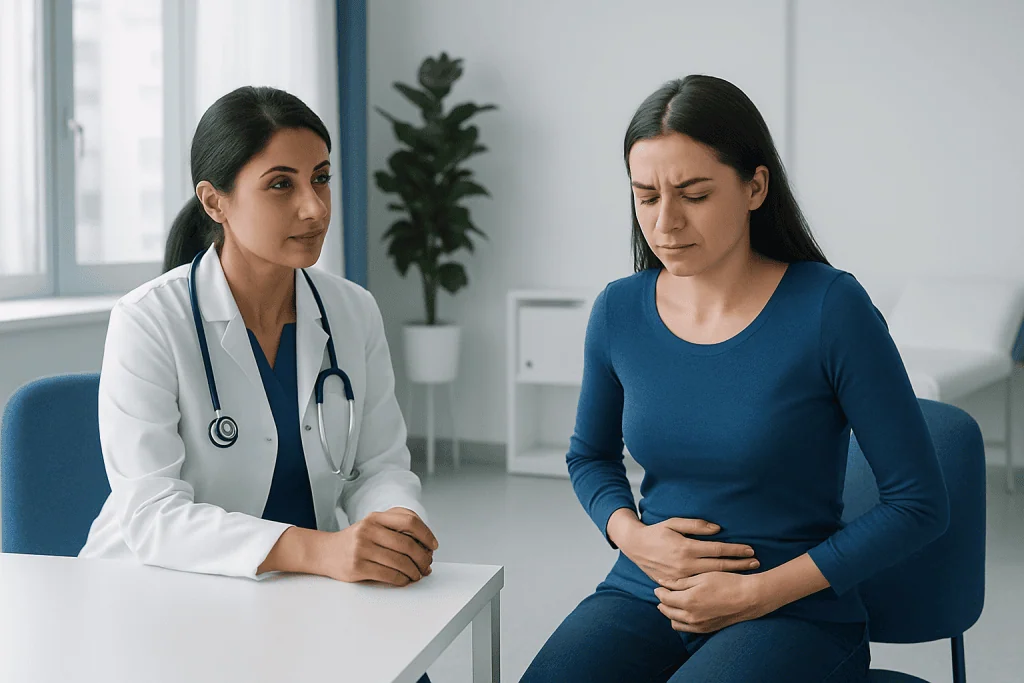
Constipation during menstruation often does not happen alone. Many people also notice bloating, lower abdominal heaviness, cramping, increased gas, and discomfort in the pelvis or lower back. These symptoms can overlap with common menstrual symptoms, which sometimes makes it hard to tell what is causing what.
Typical constipation means having bowel movements less often than usual, passing hard stool, or needing to strain. Some people also feel nauseated, lose their appetite, or avoid using the toilet because cramps make bowel movements uncomfortable. If hemorrhoids are present, straining can worsen pain or cause minor bleeding.
It can be helpful to notice the overall pattern rather than one symptom in isolation. If constipation reliably appears just before or during a period and improves afterward, hormone-related bowel slowing is more likely. If symptoms are present all month, progressively worsening, or associated with severe pain during sex, bowel movements, or menstruation, a doctor may consider conditions such as endometriosis or other pelvic disorders.
Causes and risk factors
The most common cause of constipation while on your period is a combination of normal hormonal changes and practical factors that affect bowel function. During menstruation, people may drink less water, exercise less, eat differently, travel, sleep poorly, or use medicines for cramps. All of these can contribute to slower, harder bowel movements.
Some pain relievers may also play a role. While many over-the-counter medicines used for period pain do not directly cause constipation, certain stronger prescription pain medicines can. Iron supplements, some antidepressants, antacids containing aluminum or calcium, and a range of other medications may also contribute. If constipation started after a new medicine, it is worth mentioning to a clinician.
Underlying health conditions can make menstrual constipation more noticeable. These include irritable bowel syndrome, especially constipation-predominant forms, pelvic floor dysfunction, thyroid disorders, dehydration, low-fiber diets, and chronic stress. In some cases, gynecologic conditions such as endometriosis or large pelvic masses may affect bowel habits and should not be overlooked.
Doctors also consider whether bowel symptoms are part of a broader digestive problem. Ongoing constipation, alternating constipation and diarrhea, and abdominal pain may overlap with irritable bowel syndrome or other gastrointestinal conditions. Persistent or unexplained symptoms deserve a proper assessment rather than being assumed to be caused only by periods.
What can help: practical management options
Self-care is often enough to ease mild, temporary period constipation. Drinking enough fluids through the day helps prevent stools from becoming too dry. Eating regular meals that include fiber from fruit, vegetables, legumes, oats, and whole grains can also support more predictable bowel movements. A sudden large increase in fiber may cause extra bloating, so gradual changes are usually better tolerated.
Gentle movement can make a meaningful difference. Walking, stretching, yoga, or other light activity may stimulate the bowels and can also help with menstrual discomfort. Some people find it easier to have a bowel movement after breakfast or a warm drink, when the body’s natural reflexes are more active.
If symptoms are more troublesome, a doctor or pharmacist may suggest short-term constipation treatment. Depending on the situation, this may include a stool softener or an osmotic laxative, but the right option depends on age, other health conditions, medicines, and how long symptoms have been present. People with recurrent or difficult symptoms may benefit from specialist evaluation in gastroenterology care to rule out other digestive causes.
- Drink water regularly, especially if bleeding is heavy or activity is reduced
- Choose fiber-rich foods most days of the cycle, not only when symptoms begin
- Stay physically active when possible
- Do not ignore the urge to have a bowel movement
- Review medicines and supplements with a clinician if constipation is frequent
How doctors evaluate period-related constipation
Diagnosis usually begins with a careful history. A doctor will ask when constipation occurs in relation to the menstrual cycle, what the stools are like, how long symptoms last, and whether there is pain, bleeding, bloating, nausea, weight loss, or a family history of bowel disease. A symptom diary covering periods, bowel movements, diet, and medicines can be very helpful.
Physical examination may include an abdominal exam and, when appropriate, a pelvic assessment. Testing is not always needed for mild cyclical symptoms, but it may be recommended if constipation is persistent, worsening, or associated with warning signs. Blood tests may check for anemia, thyroid problems, inflammation, or other contributing factors.
If a gynecologic cause is suspected, a clinician may consider pelvic imaging or referral to a specialist. If digestive causes are more likely, further evaluation may include stool assessment, imaging, or endoscopic studies in selected cases. In patients with complex symptoms, coordinated input from women’s health and digestive specialists can help identify whether the main problem is hormonal, gastrointestinal, pelvic, or a combination of factors.
When to seek medical care
Medical advice is recommended if constipation during a period is severe, keeps returning, or does not improve with basic self-care. A doctor should also assess symptoms that start suddenly without a clear reason or represent a significant change from a person’s usual pattern.
Prompt evaluation is especially important if constipation comes with rectal bleeding, black stools, fever, repeated vomiting, persistent abdominal swelling, fainting, unexplained weight loss, or severe pain. These features are not typical of simple period-related constipation and may point to another condition.
People should also seek care if bowel symptoms are linked with very painful periods, pain during sex, pain with bowel movements, infertility concerns, or chronic pelvic pain. In these situations, gynecologic evaluation may be needed, and some patients may be referred for gynecology assessment and care. Near the end of the care pathway, patients who travel for treatment may also choose centers such as Acibadem International, where multidisciplinary specialists in JCI-accredited hospitals diagnose and treat digestive and women’s health conditions for international patients.
Frequently asked questions
Is constipation while on your period normal?
Yes, constipation while on your period can be a normal response to hormonal changes across the menstrual cycle. It is often temporary and improves once the period ends, especially with hydration, fiber, and gentle activity.
Why do some people get constipation on their period while others get diarrhea?
Menstrual hormones and prostaglandins affect people differently. In some, the bowel slows and stools become harder; in others, intestinal activity increases and causes looser stools.
How long does period constipation usually last?
For many people, it lasts a few days before or during menstruation and then settles. If constipation continues beyond the period, happens throughout the month, or worsens over time, medical advice is a good idea.
What foods can help with constipation during a period?
Foods with fiber, such as fruit, vegetables, beans, lentils, oats, and whole grains, can help support bowel movements. It also helps to drink enough water, since fiber works best when the body is well hydrated.
Can period pain medicines cause constipation?
Some medicines can contribute to constipation, especially certain prescription pain medicines and some supplements such as iron. If symptoms started after beginning a medicine, a doctor or pharmacist can review safer alternatives or supportive steps.
When should period constipation be checked by a doctor?
It should be checked if it is severe, frequent, or accompanied by red-flag symptoms such as bleeding, vomiting, weight loss, fever, or significant abdominal swelling. Medical review is also important if there is severe pelvic pain or suspected conditions such as endometriosis or IBS.
References
- American College of Obstetricians and Gynecologists
- National Institute of Diabetes and Digestive and Kidney Diseases
- National Health Service
- Mayo Clinic
- International Foundation for Gastrointestinal Disorders
This article is for general information only and is not a substitute for professional medical advice. Please consult a qualified doctor about your individual situation.
Persistent digestive symptoms? Get evaluated in Turkey
JCI-accredited · board-certified surgeons · reply within 24h

More from the Health Library



Related Specialists

Assoc. Prof. Dr. Ali Titiz
Otorhinolaryngology
Assoc. Prof. Dr. Işil Yıldız
Gastrointestinal Oncology Unit Clinical Service
Dyt. Yağmur Kaya
Nutrition & Diet
Dr. Erkan Aliosman
Emergency Service