Continuous Passive Motion Machine: What Patients Need to Know
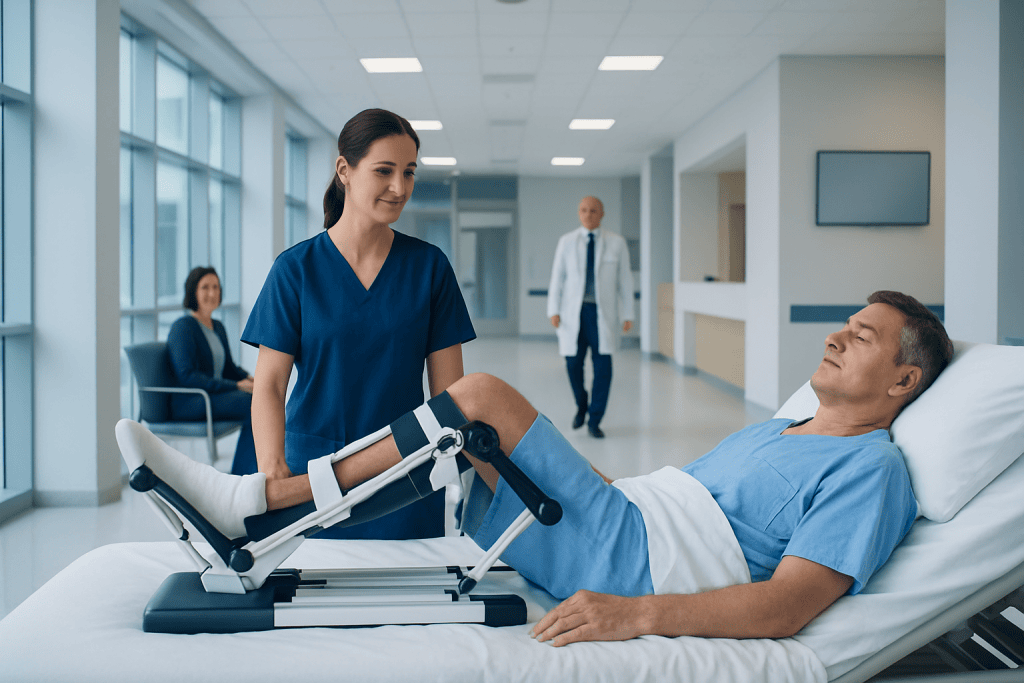
A continuous passive motion machine moves a joint gently through a set range of motion. It is usually used after selected surgeries or injuries, especially involving the knee.
Key Takeaways
- A continuous passive motion machine moves a joint gently through a set range of motion.
- It is usually used after selected surgeries or injuries, especially involving the knee.
- The machine is one part of recovery and does not replace physical therapy, walking, or strengthening exercises.
- Not every patient needs CPM therapy; the decision depends on the procedure, goals, and surgeon preference.
- Proper setup, comfort monitoring, and follow-up with the care team help make treatment safer and more effective.
A continuous passive motion machine is a motorized device that moves a joint slowly and repeatedly without the patient actively using their muscles. It is most often used after certain orthopedic surgeries or injuries to support early range of motion as part of a broader rehabilitation plan.
What a Continuous Passive Motion Machine Does
A continuous passive motion machine is a motorized rehabilitation device that gently bends and straightens a joint without the patient having to do the movement themselves. In simple terms, the machine provides controlled, repeated motion while the surrounding muscles stay relatively relaxed. It is most commonly used for the knee, but similar devices may be adapted for other joints in selected cases.
Patients often encounter a continuous passive motion machine after orthopedic surgery, especially when the early goal is to maintain or improve joint mobility. The device is adjusted to a prescribed starting angle and range, then increased gradually as comfort and healing allow. The aim is not to build strength directly, but to support motion during the early recovery period.
A CPM machine is not a stand-alone treatment. It is usually combined with pain control, swelling management, walking or weight-bearing instructions, and supervised rehabilitation. For many people, understanding this point is important: the machine may help with motion, but long-term recovery still depends on a broader plan designed by the surgical and rehabilitation team.
When It May Be Used in Recovery
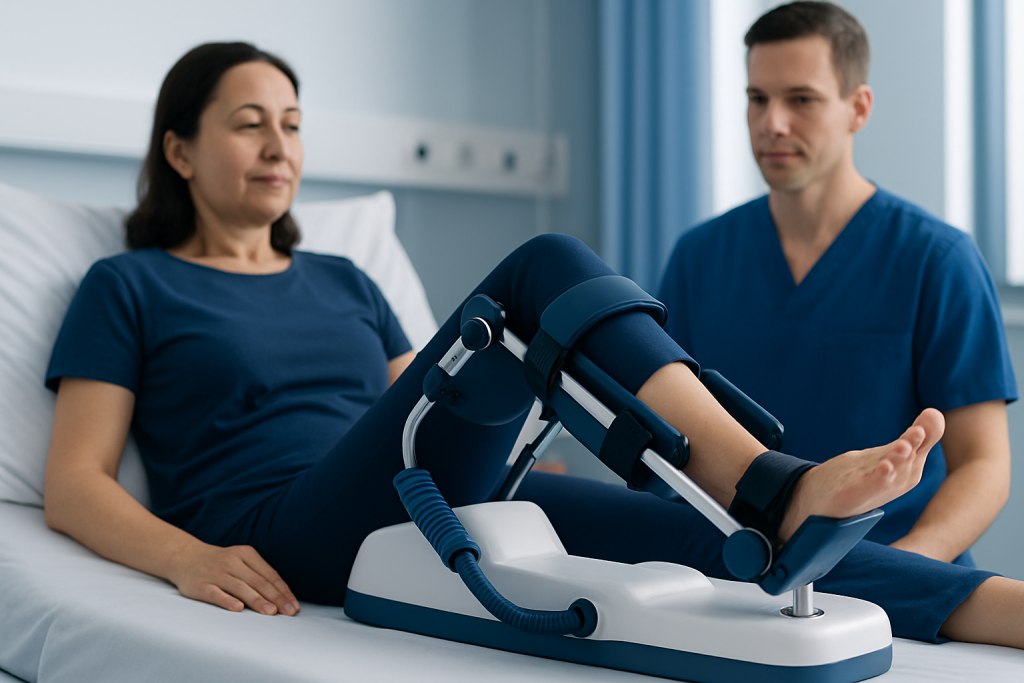
The most familiar use of a continuous passive motion machine is after knee surgery. Depending on the procedure and the surgeon’s protocol, it may be recommended after knee replacement, cartilage procedures, ligament surgery, fracture-related operations, or surgery for stiffness. It may also be considered after procedures related to knee arthritis when restoring motion is an early priority.
Not every patient who has surgery will need one. Research has shown that the benefits can vary depending on the condition, the type of operation, and the rest of the rehabilitation program. Some surgeons use CPM routinely in selected cases, while others reserve it for people at higher risk of stiffness or for patients who cannot actively move the joint well in the first phase of recovery.
Use is generally individualized. Factors that may influence the decision include the amount of swelling, pain levels, wound status, pre-existing limitation in movement, scar tissue risk, and overall functional goals. In many recovery plans, CPM is most helpful when used thoughtfully rather than automatically.
Potential Benefits and Limits
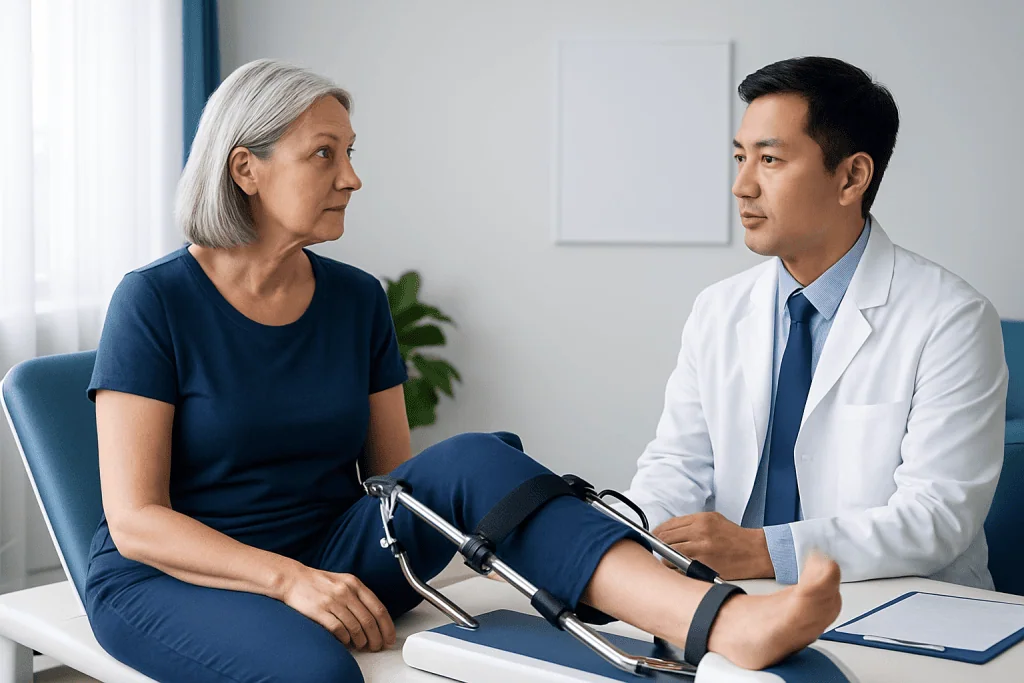
The main reason a continuous passive motion machine is prescribed is to encourage early joint motion in a controlled way. Gentle repeated movement may help reduce stiffness, support circulation in the limb, and make it easier for some patients to regain bending and straightening. For people who are anxious about moving the joint after surgery, the machine can also provide a structured and predictable way to begin motion.
At the same time, expectations should stay realistic. A CPM machine does not replace active rehabilitation, and it does not guarantee a faster or better outcome on its own. Strength, balance, walking ability, and return to normal activities depend heavily on physical therapy, muscle activation, and following the overall recovery program.
There are also practical limits. Some patients find the device bulky, tiring, or uncomfortable if the position is not adjusted well. Others may not need it because they can begin active movement early under the guidance of their clinician. This is why care teams weigh its possible advantages against comfort, convenience, and the specific goals of treatment.
- Supports early range of motion
- May help reduce postoperative stiffness in selected patients
- Can be useful when active motion is temporarily limited
- Does not replace exercise, gait training, or strengthening
What Using a CPM Machine Feels Like
During treatment, the patient usually lies or reclines while the limb is positioned in the device. The joint is secured comfortably, and the machine moves it slowly through a programmed arc. The motion should feel gentle and controlled, not sudden or forceful. The first sessions often start with a small range, which can be increased step by step depending on pain, swelling, and the surgeon’s instructions.
It is normal to notice a pulling sensation, mild discomfort, or fatigue around the joint, especially in the first days after surgery. However, sharp pain, increasing swelling, numbness, skin pressure, or a feeling that the movement is too aggressive should be reported promptly. Proper alignment is important because poor positioning can increase discomfort and reduce the value of treatment.
Patients are often advised to use the machine for set periods during the day rather than continuously without breaks, although schedules vary. A clinician or therapist usually explains how to place the leg or arm correctly, how to check the skin, and when to stop and ask for review. For procedures such as knee replacement or knee arthroscopy, the exact protocol depends on the operation and the surgeon’s goals.
Who May Not Be a Good Candidate
A continuous passive motion machine is not suitable for everyone. It may be avoided or delayed if there is an unstable fracture, a problem with the surgical repair, significant wound concerns, uncontrolled pain, active infection, or medical issues that make positioning unsafe. In some cases, the surgeon may prefer active therapy first or may feel the device offers little added benefit.
Patients with severe swelling, skin fragility, nerve symptoms, or limited tolerance for the machine may need an alternative approach. Individual anatomy, body positioning needs, and the type of brace or dressing used after surgery can also affect whether CPM is practical. The safest approach is a personalized one rather than assuming the same tool fits every recovery.
Because several orthopedic conditions can cause stiffness and reduced mobility, the recovery plan may involve other evaluations and treatments as well. For example, if limited movement is related to structural joint disease, clinicians may also discuss conditions such as osteoarthritis and the role of rehabilitation after medical or surgical treatment.
How It Fits Into a Rehabilitation Plan
The best way to think about a continuous passive motion machine is as one tool within a larger rehabilitation program. Recovery after surgery usually includes wound care, pain management, swelling control, safe walking or transfers, and exercises to restore muscle strength and joint control. Even when CPM is prescribed, active participation in rehabilitation remains essential.
Physical therapists commonly focus on several goals alongside passive motion: helping the patient activate muscles, regain confidence using the joint, improve balance, and return to everyday tasks. Depending on the condition, the team may recommend gait training, stretching, and progressive strengthening. After procedures such as physical therapy and rehabilitation, the timeline is tailored to tissue healing and the surgeon’s instructions.
Follow-up appointments help determine whether the range of motion is improving as expected and whether the machine should be continued, adjusted, or stopped. If progress is slower than expected, the care team may review pain control, swelling, exercise technique, or mechanical issues with the device. In selected cases involving more advanced joint damage, broader orthopedic management such as orthopedic care may be part of the plan.
Self-care Tips and When to Seek Medical Care
Patients using a continuous passive motion machine can support recovery by following instructions carefully, keeping the limb properly aligned, and using the machine only as prescribed. It also helps to protect the skin, wear comfortable clothing, and take breaks as advised. Ice, elevation, and gentle activity may be recommended to control swelling, but these measures should match the surgical team’s guidance.
It is also useful to keep track of comfort, swelling, and changes in movement from day to day. Patients should not increase the machine’s settings on their own unless they have been told exactly how to do so. If the device feels awkward or seems to move the joint in the wrong position, the setup should be reviewed by a clinician or therapist.
Medical advice should be sought promptly if there is severe or worsening pain, rapidly increasing swelling, fever, redness or drainage from the wound, numbness, calf pain, shortness of breath, or an inability to move the limb as instructed. Patients should also contact their care team if the machine causes skin injury or if motion suddenly becomes much more limited. Near the end of recovery planning, some international patients may choose centers such as Acibadem International, where multidisciplinary specialists in JCI-accredited hospitals evaluate and treat orthopedic recovery needs.
Frequently asked questions
What is a continuous passive motion machine used for?
A continuous passive motion machine is used to move a joint gently and repeatedly after certain surgeries or injuries. Its main purpose is to support early range of motion, especially when stiffness is a concern.
Is a CPM machine the same as physical therapy?
No. A CPM machine provides passive movement, while physical therapy includes active exercises, strengthening, balance work, walking practice, and functional training. Most patients need a broader rehabilitation plan in addition to the machine.
Do all patients need a CPM machine after knee surgery?
No, not all patients need one. Whether it is recommended depends on the type of surgery, the patient's starting mobility, risk of stiffness, comfort, and the surgeon's treatment approach.
Should using a CPM machine hurt?
Mild stretching or some discomfort can happen, especially early in recovery, but the motion should not feel sharply painful or forceful. If pain is severe or gets worse during use, the patient should stop and contact the care team.
Can a continuous passive motion machine speed up recovery?
It may help certain patients regain motion earlier, but it does not guarantee a faster recovery by itself. Overall progress depends on the surgery, healing, pain control, and consistent participation in rehabilitation.
How long is a CPM machine usually used?
The duration varies by procedure and the surgeon's instructions. Some patients use it only for a short early recovery period, while others may continue a bit longer if improving range of motion is a specific goal.
References
- American Academy of Orthopaedic Surgeons
- National Institute for Health and Care Excellence
- MedlinePlus
- National Institutes of Health
- American Physical Therapy Association
This article is for general information only and is not a substitute for professional medical advice. Please consult a qualified doctor about your individual situation.
Joint and spine care in Turkey — expert assessment & treatment
JCI-accredited · board-certified surgeons · reply within 24h
Add us as a Preferred Source to see more of our trusted health content across Google Search, AI Overviews and Discover.