

Cranky: A Complete Medical Overview

Cranky feelings usually mean irritability rather than a disease on their own. Common triggers include poor sleep, stress, hunger, pain, medications, hormones, and infections.
Key Takeaways
- Cranky feelings usually mean irritability rather than a disease on their own.
- Common triggers include poor sleep, stress, hunger, pain, medications, hormones, and infections.
- Ongoing or severe irritability may be linked to depression, anxiety, thyroid problems, blood sugar changes, or other health conditions.
- Tracking symptoms, sleep, diet, stress, and medications can help identify patterns.
- Medical care is important if irritability comes with major mood changes, confusion, chest pain, thoughts of self-harm, or lasting functional problems.
Cranky usually refers to feeling irritable, short-tempered, or more easily upset than usual. It is often temporary and related to sleep, stress, hunger, pain, hormones, or illness, but persistent irritability can sometimes signal an underlying medical or mental health condition.
Overview: What “Cranky” Means in Health Terms
Cranky is a common everyday word, not a medical diagnosis. In healthcare, it usually describes irritability—a state in which a person feels more easily annoyed, impatient, tense, or emotionally reactive than usual. Many people feel cranky from time to time, especially during periods of stress, poor sleep, illness, or discomfort.
In many cases, cranky feelings are short-lived and improve once the trigger is addressed. Someone may become irritable when hungry, tired, overstimulated, in pain, or recovering from an infection. Children and older adults can also show irritability when they are unwell, even if they do not clearly describe what feels wrong.
Sometimes, however, persistent irritability may be a clue to an underlying health issue. Mood changes can be linked to medical conditions, hormonal shifts, medication side effects, mental health disorders, or substance use. The most helpful approach is to view crankiness as a symptom that deserves context rather than a personality flaw.
Common Symptoms That Can Accompany Crankiness
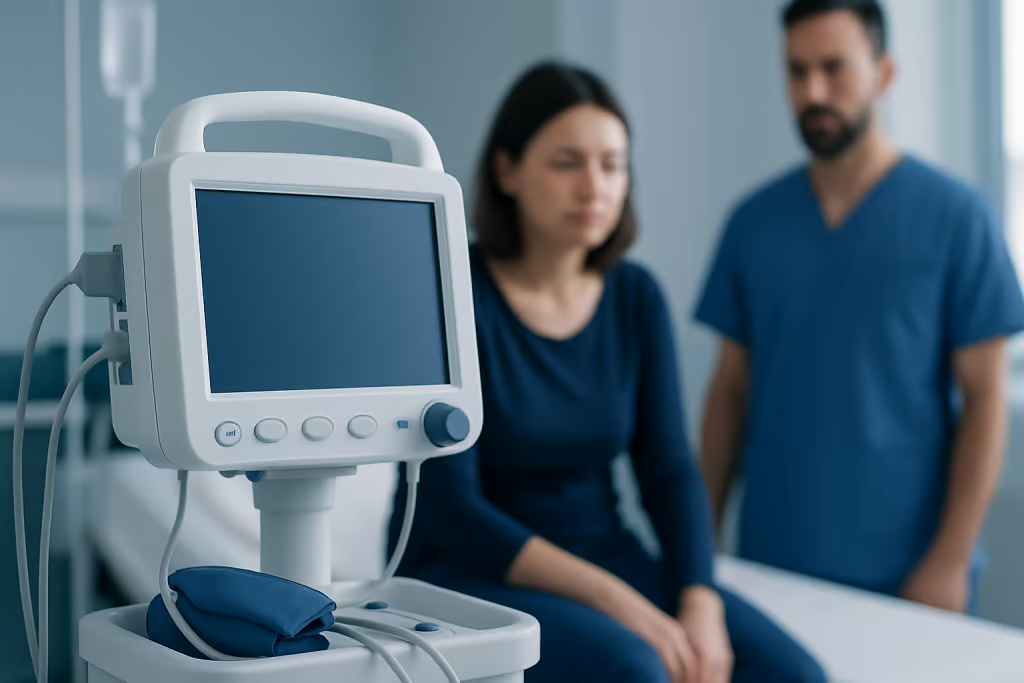
Irritability can look different from one person to another. Some people become snappy, restless, or impatient. Others feel emotionally sensitive, easily frustrated, or unable to tolerate everyday stress. A person may recognize the change in mood themselves, or family members may notice it first.
Crankiness often appears together with physical or emotional symptoms that offer clues to the cause. These can include fatigue, headaches, sleep problems, low energy, anxiety, sadness, poor concentration, body aches, or digestive discomfort. In children, it may show up as crying, refusal to eat, clinginess, or behavior changes.
Symptoms that may accompany irritability include:
- Trouble sleeping or waking unrefreshed
- Feeling overwhelmed, tense, or anxious
- Low mood or loss of interest in usual activities
- Headache, fever, or other signs of illness
- Pain anywhere in the body
- Hunger, nausea, or changes in appetite
- Difficulty focusing or making decisions
- Hormonal symptoms such as hot flashes or menstrual changes
The timing also matters. If irritability appears mainly at the end of a long day, after missed meals, or during times of stress, a lifestyle trigger may be likely. If it becomes frequent, intense, or out of character, a medical review may be useful.
Why Someone May Feel Cranky

There are many possible reasons for irritability, and often more than one factor is involved. Everyday triggers are very common. Poor sleep, emotional stress, overwork, hunger, dehydration, and sensory overload can all lower a person’s ability to cope with normal frustrations. Parents of young children, shift workers, caregivers, and people under long-term stress may be especially affected.
Physical discomfort is another major cause. Pain from headaches, dental problems, injuries, arthritis, digestive upset, or menstrual cramps can quickly affect mood. Viral infections, fever, allergies, and recovery after illness may also lead to feeling unusually cranky. In older adults, infections or medication changes may sometimes cause irritability before more obvious symptoms appear.
Mental health conditions may also play a role. Irritability can be part of depression, especially when depression presents more as frustration and low patience than sadness. It may also occur with chronic stress, burnout, or anxiety symptoms. In some people, a major sleep problem such as sleep apnea contributes to both daytime fatigue and mood changes.
Other possible causes include blood sugar fluctuations, thyroid disorders, anemia, hormonal changes related to the menstrual cycle, pregnancy, postpartum recovery, perimenopause, or menopause, as well as alcohol, caffeine, nicotine, recreational drugs, or medication side effects. Because irritability is nonspecific, the surrounding symptoms and the person’s overall health picture are important.
Risk Factors and Patterns to Notice
Certain patterns can make crankiness more likely. Chronic sleep deprivation is one of the strongest. When sleep quality is poor, emotional regulation becomes harder, and small stressors may feel much bigger. This is true for adults, teenagers, and children alike. People with irregular work hours or frequent travel may notice this effect more strongly.
Life stage also matters. Young children may become irritable when they are teething, unwell, hungry, or overtired. Teenagers can experience mood swings related to sleep, stress, social pressures, or hormonal changes. Adults may notice irritability around demanding jobs, caregiving, chronic pain, or relationship strain. Hormonal transitions such as the premenstrual phase, postpartum period, and menopause can also be linked to short temper and emotional sensitivity.
It can help to look for patterns such as:
- Does it happen after poor sleep or skipped meals?
- Is it linked to pain, headaches, or illness?
- Did it begin after starting a new medicine or supplement?
- Does it appear with anxiety, panic, or low mood?
- Is there alcohol, caffeine, nicotine, or drug use involved?
- Does it happen at a certain time of the month or during hormonal changes?
Keeping a simple symptom diary for one to two weeks may reveal useful trends. Recording sleep, meals, stress, menstrual timing, medications, and associated symptoms can make it easier for a clinician to identify likely causes.
How Doctors Evaluate Persistent Irritability
There is no single test for being cranky. Diagnosis focuses on finding the cause of irritability, especially if it is new, severe, long-lasting, or affecting work, school, or relationships. A doctor usually starts with a medical history and asks when the mood change began, how often it occurs, what makes it better or worse, and whether there are physical symptoms such as pain, fever, fatigue, weight change, or sleep problems.
The clinician may also review mental health symptoms, life stress, recent illness, medications, alcohol or substance use, and family history. A physical exam can help identify signs of infection, thyroid disease, anemia, dehydration, chronic pain, or neurologic concerns. Depending on the situation, laboratory tests may be used to check blood counts, blood sugar, thyroid function, vitamin deficiencies, or other possible contributors.
If sleep quality seems central to the problem, a doctor may evaluate for insomnia or sleep-disordered breathing. In some cases, further testing such as a sleep study may be appropriate. If emotional symptoms are prominent, the person may benefit from a structured mental health assessment. The goal is not simply to label the mood, but to understand why it is happening.
Treatment and Self-Care Options
Treatment depends on the cause. If irritability is related to sleep loss, stress, hunger, pain, or temporary illness, practical daily measures may help significantly. These include consistent sleep routines, regular meals, hydration, movement, and reducing caffeine or alcohol if these seem to worsen symptoms. Even brief periods of rest or quiet time can help reset emotional tolerance when a person feels overstimulated.
When an underlying condition is identified, treating that condition often improves mood. For example, better pain control, management of thyroid disease, treatment of infection, adjustment of medications, or support for blood sugar stability may reduce irritability. If mood symptoms are linked to depression or anxiety, care may involve counseling, stress-management strategies, and in some cases medication under professional guidance. Psychological support such as psychotherapy can be useful when irritability is connected to stress, coping patterns, or mental health concerns.
Helpful self-care steps may include:
- Keeping a consistent sleep and wake schedule
- Eating regularly and avoiding long gaps without food
- Drinking enough water during the day
- Taking breaks from screens and overstimulating environments
- Using relaxation practices such as breathing exercises or mindfulness
- Exercising regularly, if medically appropriate
- Seeking support for chronic stress or low mood
If sleep problems appear to be a major driver, treatment may involve targeted strategies beyond general sleep hygiene, and some people may be referred for sleep disorder treatment. Near the end of the care journey, some international patients choose centers such as Acibadem International, where multidisciplinary specialists in JCI-accredited hospitals evaluate mood-related symptoms in the context of general medical and sleep health.
When to Seek Medical Care
A person should consider medical advice if crankiness is frequent, lasts more than a couple of weeks, is clearly out of character, or starts interfering with work, school, relationships, or daily routines. A doctor can help determine whether the mood change is mainly related to lifestyle strain or whether a medical or psychological condition should be addressed.
Prompt medical care is especially important if irritability appears together with severe sadness, panic, hopelessness, confusion, major sleep disruption, dramatic behavior change, unexplained weight loss, persistent fever, chest pain, shortness of breath, or thoughts of self-harm. In children, urgent evaluation may be needed if irritability comes with lethargy, dehydration, difficulty breathing, high fever, or persistent refusal to drink.
Emergency help is needed if a person has suicidal thoughts, new confusion, fainting, severe chest pain, signs of stroke, or extreme agitation that puts them or others at risk. While feeling cranky is common, symptoms that are intense, sudden, or accompanied by serious warning signs should not be dismissed.
Frequently asked questions
Is being cranky the same as having a mental illness?
No. Cranky usually means irritable, and many short-term causes are not mental illnesses at all, such as poor sleep, hunger, pain, or stress. However, persistent irritability can sometimes be part of conditions like depression, anxiety, or sleep disorders.
Can lack of sleep make someone cranky?
Yes. Sleep loss affects concentration, stress tolerance, and emotional regulation, which can make a person feel more impatient or reactive. If irritability is paired with loud snoring, daytime sleepiness, or unrefreshing sleep, a sleep problem may need evaluation.
Why do I get cranky when I am hungry?
Low energy intake can affect blood sugar balance and make the body feel stressed, which may contribute to irritability. Eating regular, balanced meals and staying hydrated often helps prevent these mood dips.
Can hormones cause crankiness?
Yes. Hormonal changes related to the menstrual cycle, pregnancy, postpartum recovery, perimenopause, menopause, or thyroid disorders can affect mood. If hormone-related irritability is strong or disruptive, a doctor can help assess the pattern and rule out other causes.
When should crankiness be checked by a doctor?
It is a good idea to seek medical advice if irritability is new, persistent, severe, or affecting relationships, work, or daily life. Urgent care is needed if it comes with confusion, chest pain, trouble breathing, suicidal thoughts, or major changes in behavior.
How can someone reduce crankiness at home?
Simple steps often help, including getting enough sleep, eating regularly, drinking water, managing stress, and addressing pain or illness early. Tracking triggers such as missed meals, poor sleep, menstrual timing, or caffeine can make patterns easier to recognize.
References
- National Institute of Mental Health
- American Academy of Family Physicians
- Mayo Clinic
- National Health Service
- Centers for Disease Control and Prevention
This article is for general information only and is not a substitute for professional medical advice. Please consult a qualified doctor about your individual situation.
Explore treatments in Turkey — costs, top hospitals & a free quote
JCI-accredited · board-certified surgeons · reply within 24h

More from the Health Library



Related Specialists

Assoc. Prof. Dr. Erdem Güven (m)
Aesthetic Plastic and Reconstructive Surgery
Fzt. Ceren Kandemir Gençsoylu
Physical Medicine and Rehabilitation
Dr. İpek Saygılı
Oral and Dental Health
Dr. Kürşat Gül
Anesthesiology