Cross Contamination: What Patients Need to Know

Cross contamination means unintentionally spreading bacteria, viruses, allergens, or chemicals between people, surfaces, foods, or medical items. It does not cause one specific illness; symptoms depend on what was transferred, such as a stomach infection, skin irritation, or an allergic reaction.
Key Takeaways
- Cross contamination means unintentionally spreading bacteria, viruses, allergens, or chemicals between people, surfaces, foods, or medical items.
- It does not cause one specific illness; symptoms depend on what was transferred, such as a stomach infection, skin irritation, or an allergic reaction.
- Handwashing, cleaning high-touch surfaces, separating raw and ready-to-eat foods, and correct use of medical equipment help lower risk.
- People with weakened immune systems, young children, older adults, and hospital patients may be more vulnerable to complications.
- Medical care is important for severe dehydration, high fever, breathing problems, signs of infection, or a serious allergic reaction.
Cross contamination is the transfer of germs, allergens, chemicals, or other harmful substances from one place, person, or object to another. It can happen at home, in public spaces, or in healthcare settings, but many risks can be reduced with practical hygiene and safety habits.
Overview: What cross contamination means
Cross contamination is the accidental transfer of harmful material from one source to another. In everyday life, this often means bacteria, viruses, fungi, allergens, or chemicals moving from hands, food, surfaces, equipment, or bodily fluids to another person or object. The result can be infection, foodborne illness, skin or eye irritation, or an allergic reaction.
Patients often hear the term in relation to food safety, but it also matters in healthcare. In clinics and hospitals, cross contamination can happen if germs are carried on unwashed hands, reusable equipment, bedding, or frequently touched surfaces. It may also occur when sterile and non-sterile items are not kept separate.
Cross contamination is not itself a diagnosis. Rather, it is a pathway by which illness or harm can occur. Understanding how transfer happens helps patients and families reduce risk at home and feel more confident when receiving care in medical settings.
How cross contamination happens in daily life and healthcare
At home, cross contamination commonly happens in kitchens and bathrooms. For example, raw meat juices may touch salad ingredients, a cutting board may be reused without washing, or germs on hands may spread to door handles, phones, and taps. Shared towels, poorly cleaned surfaces, and contaminated sponges can also transfer microbes.
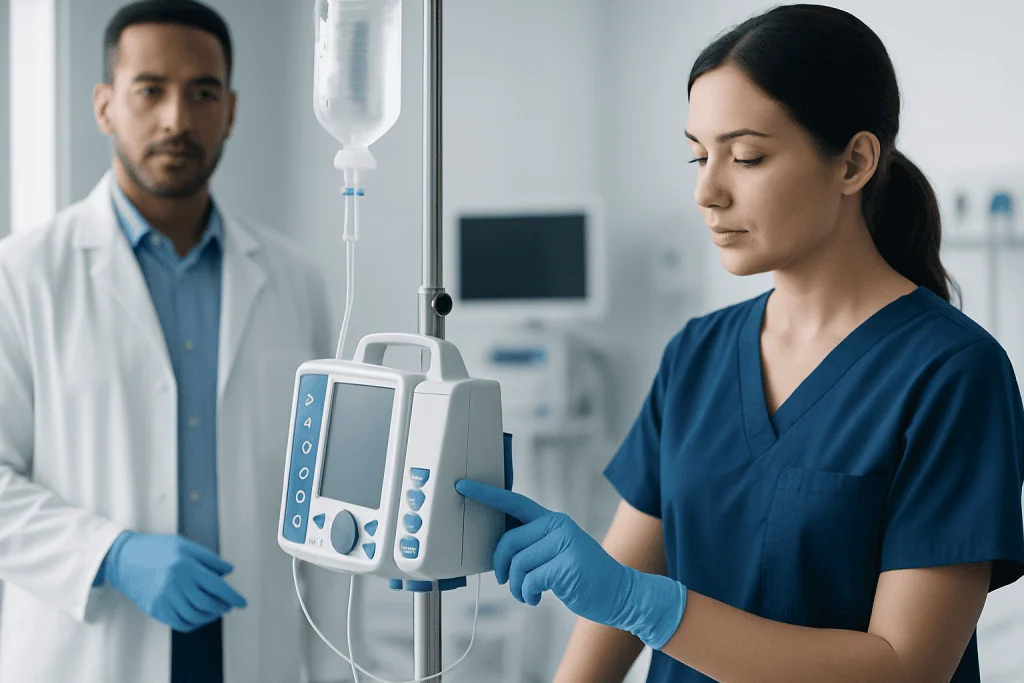
In healthcare settings, the routes can be more complex. Germs may spread through direct contact between people, indirect contact through surfaces or devices, droplets from coughs and sneezes, or contaminated dressings and supplies. Good infection prevention practices are designed to interrupt these routes. This is especially important for patients recovering from surgery, those with catheters or IV lines, and people receiving treatments that affect immunity such as chemotherapy.
Cross contamination can also involve allergens or chemicals rather than infection. Small traces of foods such as peanuts, shellfish, milk, or eggs may trigger reactions in sensitive people. Cleaning agents, disinfectants, or medicines may cause irritation or harm if stored, handled, or applied incorrectly.
Possible symptoms and health effects
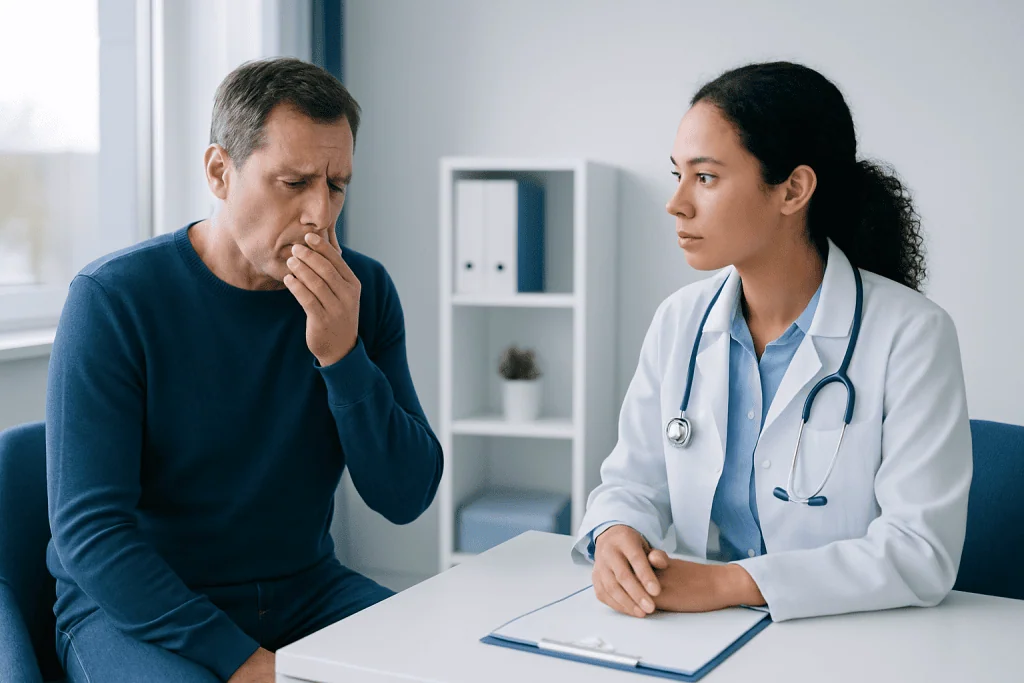
There is no single set of cross contamination symptoms because the effects depend on what has been transferred. If the source is a foodborne germ, symptoms may include nausea, vomiting, diarrhea, stomach cramps, fever, and weakness. If the source is a respiratory virus, symptoms may include sore throat, cough, nasal congestion, or body aches.
When skin, wound, or device-related contamination occurs, the concern may be a localized infection. This can lead to redness, swelling, warmth, pain, pus, or delayed healing. In some situations, cross contamination can contribute to more serious conditions such as sepsis if an infection spreads through the body.
Allergen cross contamination may cause itching, hives, lip or tongue swelling, abdominal discomfort, wheezing, or more severe reactions in people with food allergies. Chemical cross contamination may irritate the skin, eyes, or airways. Because symptoms vary widely, the pattern of exposure often helps doctors understand what happened.
Who is at higher risk
Anyone can be affected, but some people are more likely to become ill or develop complications. Infants and young children have developing immune systems and may dehydrate quickly during stomach illnesses. Older adults may have a weaker immune response and other health conditions that make recovery harder.
Patients with chronic diseases, reduced immunity, open wounds, recent surgery, or implanted medical devices may also be more vulnerable. This includes people with cancer, organ transplants, diabetes, kidney disease, or those using medicines that suppress the immune system. In hospitals, extra precautions are often used for these groups.
People with known food allergies are a special group because even tiny amounts of an allergen may matter. Families, schools, restaurants, and healthcare teams should be aware of the specific allergy and take careful steps to prevent accidental exposure.
How doctors assess cross contamination-related illness
Doctors diagnose the illness caused by cross contamination, not cross contamination as a stand-alone disease. The evaluation usually begins with a history of recent exposures. A clinician may ask about meals, travel, sick contacts, shared household items, wound care, recent hospital stays, surgeries, or contact with contaminated surfaces or medical devices.
The physical examination depends on the symptoms. Some patients may need stool tests, blood tests, urine tests, wound cultures, or imaging studies if an infection is suspected. In allergic reactions, the history of a trigger is especially important. If symptoms suggest a severe infection, doctors may also evaluate for complications such as dehydration, pneumonia, or bloodstream infection.
In healthcare settings, infection control teams may investigate patterns to find the likely source of spread. This can include reviewing cleaning procedures, hand hygiene practices, use of protective equipment, and handling of reusable items. If digestive symptoms are prominent, a doctor may also consider other causes such as gastroenteritis.
Treatment options and supportive care
Treatment depends on the condition that developed after exposure. Many mild foodborne or viral illnesses improve with rest, fluids, and symptom relief. Oral rehydration and careful monitoring are especially important if diarrhea or vomiting is present. Antibiotics are not always needed and should only be used when a qualified doctor believes they are appropriate.
If cross contamination leads to a wound or device-related infection, treatment may include cleaning the area, dressing changes, cultures, and medicines targeted to the cause. Some patients need hospital-based care if they have severe dehydration, high fever, spreading skin infection, or signs of systemic illness. When the problem is a serious infection, doctors may arrange infectious diseases care or inpatient treatment.
For allergic reactions, the first step is avoiding the trigger and following a clinician’s advice. More severe reactions need urgent medical treatment. In situations involving chemical exposure, the contaminated material should be removed or rinsed away safely, and medical advice should be sought if symptoms are significant. At Acibadem International, multidisciplinary specialists in JCI-accredited hospitals diagnose and treat infections, allergic reactions, and related complications for international patients when needed.
Prevention and self-care: practical ways to reduce risk
Prevention focuses on breaking the chain of transfer. Hand hygiene is one of the most effective steps. Hands should be washed with soap and water after using the toilet, before preparing food, after changing dressings, after touching pets, after coughing or sneezing, and before and after caring for a sick person. Alcohol-based hand rubs can be helpful when hands are not visibly dirty, but soap and water are preferred in some situations.
In the kitchen, separate raw meat, poultry, seafood, and eggs from foods that are ready to eat. Use different cutting boards or wash boards, knives, and countertops thoroughly between tasks. Refrigerate food safely, wash produce, avoid sharing utensils during illness, and regularly clean high-touch items such as refrigerator handles, taps, and phones.
In healthcare and home care settings, follow instructions for wound care, dressing changes, and equipment cleaning. Do not share personal items like razors, towels, toothbrushes, or glucose monitoring devices unless they are specifically designed for safe individual use. Helpful habits include:
- Keeping clean and dirty items separate
- Following storage and expiry guidance for medicines and medical supplies
- Using gloves correctly when advised, then removing them safely and washing hands
- Cleaning reusable devices exactly as instructed
- Alerting staff to food allergies, open wounds, or recent infections before procedures such as endoscopy or general surgery
When to seek medical care
Medical advice is appropriate if symptoms are severe, unusual, or not improving. Patients should contact a doctor if there is persistent vomiting, significant diarrhea, signs of dehydration, fever that does not settle, worsening cough, painful urination, a wound that becomes red or drains pus, or illness after a known high-risk exposure. This is especially important for babies, older adults, pregnant people, and anyone with reduced immunity.
Urgent care is needed for warning signs such as trouble breathing, chest pain, confusion, fainting, blue lips, severe weakness, inability to keep fluids down, or swelling of the face or throat after possible allergen exposure. Sudden widespread rash, fast heart rate, or rapidly worsening infection symptoms also need prompt assessment.
Patients in hospital or recovering after a procedure should tell the care team about new fever, shaking chills, increasing pain, drainage from a surgical site, or concerns about equipment cleanliness. Early assessment can help identify complications sooner and guide the right treatment.
Frequently asked questions
What is the difference between contamination and cross contamination?
Contamination means a harmful substance or germ is present where it should not be. Cross contamination means that harmful material is transferred from one person, object, or surface to another. In other words, cross contamination describes how contamination spreads.
Can cross contamination make someone sick immediately?
Sometimes, but not always. Allergic reactions may begin quickly, while foodborne or viral illnesses can take hours or days to cause symptoms. The timing depends on the type of germ, allergen, or chemical involved.
Is cross contamination only about food?
No. Food safety is a common example, but cross contamination can also happen through hands, shared personal items, medical devices, dressings, bedding, and high-touch surfaces. It can involve germs, allergens, or chemicals.
How can patients reduce cross contamination risk during hospital care?
Patients can ask whether hands have been cleaned before examinations, follow wound-care instructions, and avoid touching dressings or devices unnecessarily. It also helps to inform the care team about allergies, recent infections, and any concerns about cleanliness or new symptoms.
Do antibiotics prevent cross contamination-related illness?
No, antibiotics do not prevent the spread of contamination and they do not treat all causes of illness. Many viral infections do not respond to antibiotics, and unnecessary use can cause side effects and resistance. Treatment should be based on medical advice and the likely cause.
When should a possible cross contamination exposure be treated as an emergency?
Emergency care is important for trouble breathing, swelling of the face or throat, severe dehydration, confusion, fainting, or signs of a rapidly worsening infection. People with severe food allergies should follow their emergency plan and seek urgent help after accidental exposure.
References
- World Health Organization
- Centers for Disease Control and Prevention
- U.S. Food and Drug Administration
- National Institute of Allergy and Infectious Diseases
- Mayo Clinic
This article is for general information only and is not a substitute for professional medical advice. Please consult a qualified doctor about your individual situation.
Explore treatments in Turkey — costs, top hospitals & a free quote
JCI-accredited · board-certified surgeons · reply within 24h