Cystogram Procedure: An Evidence-Based Patient Guide

A cystogram examines the bladder after contrast material is placed through a urinary catheter. The test is commonly used after bladder surgery or injury and to investigate certain urinary symptoms or recurrent infections.
Key Takeaways
- A cystogram examines the bladder after contrast material is placed through a urinary catheter.
- The test is commonly used after bladder surgery or injury and to investigate certain urinary symptoms or recurrent infections.
- Most people do not need to arrive with a full bladder because the bladder is filled during the examination.
- The imaging portion is usually brief, although preparation, catheter placement, and post-test instructions add time.
- Mild burning when urinating or a small amount of blood-tinged urine can occur briefly after catheter removal, but persistent symptoms need medical advice.
A cystogram procedure is an imaging test that fills the bladder with contrast material so it can be viewed on X-ray or fluoroscopy. It helps clinicians look for bladder leaks, injury, abnormal connections, and urine flow problems such as vesicoureteral reflux.
What Is a Cystogram Procedure?
A cystogram procedure is a radiology examination used to evaluate the bladder. A clinician gently places a thin tube, called a urinary catheter, through the urethra into the bladder. Contrast material, which makes the bladder visible on X-ray, is then introduced through the catheter while images are taken.
The examination may use standard X-rays or real-time X-ray imaging called fluoroscopy. A fluoroscopic cystogram can show the bladder while it fills and empties, helping the care team assess whether urine or contrast travels in an unexpected direction. The test is not the same as cystoscopy, which uses a small camera to look directly inside the bladder.
Clinicians may request this test after pelvic trauma, bladder surgery, or certain urologic procedures. It can also help assess suspected bladder leakage, a fistula, bladder diverticula, or vesicoureteral reflux, where urine travels backward toward the kidneys. The exact cystogram protocol is adapted to the clinical question and the person’s medical history.
Why a Cystogram May Be Recommended
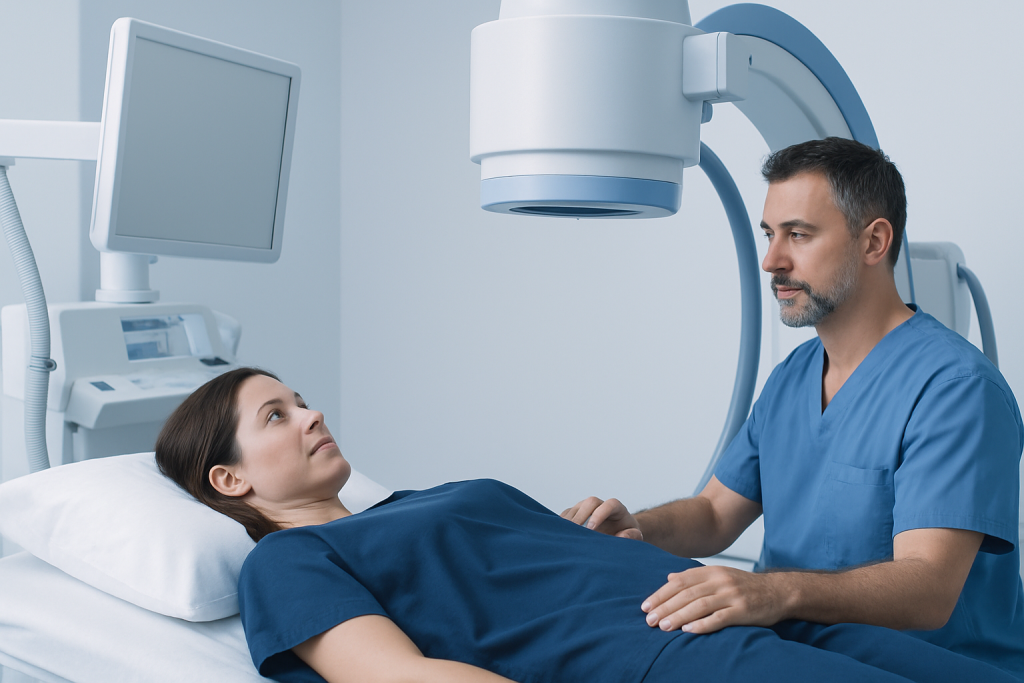
A cystogram is most often used when a clinician needs detailed information about the bladder wall, its shape, or whether it holds contrast normally. Following surgery involving the bladder or nearby pelvic organs, it may be used to check healing before a catheter is removed. After trauma, it can help identify or exclude a bladder rupture.
In children and some adults, a voiding cystourethrogram, often called a VCUG, may be performed. This related study captures images while the bladder empties and can help evaluate vesicoureteral reflux or problems with bladder emptying. Reflux can be associated with repeated urinary tract infections and, in some cases, kidney concerns.
Other imaging or urology tests may be more suitable for symptoms such as blood in the urine, stones, or possible bladder tumors. The referring clinician will choose the examination that best answers the question. A cystogram procedure code may appear on administrative paperwork or an insurance claim, but coding varies according to the type of imaging and clinical setting and does not change how the examination is performed.
How Should I Prepare for a Cystogram?

Preparation instructions can vary by hospital and by the reason for the test. The imaging department should provide individualized cystogram instructions before the appointment. In many cases, people can eat and drink normally unless they are also having another procedure that requires fasting or sedation.
Before the examination, patients should tell the care team about pregnancy or a possible pregnancy, allergies or previous reactions to contrast material, urinary symptoms, recent urinary tract infection, kidney disease, bleeding conditions, and all medicines or supplements they use. It is especially important to mention blood-thinning medicines, although patients should not stop prescribed medication unless their own clinician instructs them to do so.
Comfortable clothing is helpful, and jewelry or metal objects around the abdomen or pelvis may need to be removed. A urine sample may sometimes be requested before catheter placement, particularly if infection is suspected. If a person has significant discomfort with catheterization, anxiety, mobility needs, or previous difficult catheter placement, discussing this in advance can help the team plan supportive care.
Do You Need a Full Bladder for a Cystogram?
Usually, no. People generally do not need to arrive with a full bladder for a cystogram because the bladder is filled with sterile contrast material through a catheter during the test. The care team needs to control the amount of fluid in the bladder so the images can be interpreted accurately and safely.
Some facilities may ask patients to empty their bladder immediately before the appointment, while others may provide different instructions based on the reason for the examination. For example, someone who already has an indwelling urinary catheter may be managed differently from someone having a catheter placed specifically for the test.
The safest approach is to follow the instructions from the radiology department rather than deliberately drinking extra fluid or holding urine. Patients who cannot urinate, have severe bladder pain, or develop symptoms of a urinary infection before the appointment should contact their clinician for guidance.
Cystogram Procedure Steps: What Happens During the Test?
On arrival, a radiology professional confirms the patient’s identity, the reason for the examination, relevant medical history, and consent. The patient changes into a gown if needed and lies on an X-ray table. Initial images may be taken before contrast is introduced.
The genital area is cleaned using sterile technique. A nurse, radiologic technologist, urologist, or other trained clinician inserts a lubricated catheter through the urethra into the bladder. This can cause pressure, brief discomfort, or an urge to urinate, but it should not cause severe pain. Sterile contrast material is then allowed to flow slowly into the bladder.
During a cystogram procedure radiology team takes images in several positions. The patient may be asked to turn gently, hold still, or report a strong urge to urinate. For a voiding examination, the patient may urinate into a special container or toilet while fluoroscopic images are taken. The catheter is then removed unless it is needed for ongoing medical care.
The radiologist interprets the images and sends a report to the referring clinician. This clinician explains what the findings mean in the context of symptoms, surgery, injury, or other test results. If an underlying urinary condition is identified, assessment by a urologist may be recommended.
How Long Does a Cystogram Typically Take?
The active imaging part of a cystogram is often completed within about 15 to 30 minutes. However, the full visit can take longer because of registration, review of medical information, changing, catheter placement, positioning, and instructions after the test.
A fluoroscopic study or voiding cystourethrogram may take additional time because images are obtained during bladder filling and emptying. If the examination is being done after surgery or trauma, the team may use a more tailored approach to ensure the area of concern is assessed carefully.
Patients should allow enough time to avoid feeling rushed and may wish to arrange transport if they are uncomfortable after catheterization. Most people can return to usual non-strenuous activities the same day unless their surgeon or treating clinician gives different advice.
Recovery, Benefits and Possible Risks
After the catheter is removed, some people notice mild burning during urination, urinary urgency, or a small amount of pink-tinged urine for a short time. Drinking fluids, if medically appropriate, may help flush the urinary tract. These effects usually settle within a day or two, but individual recovery can vary.
The main benefit of a cystogram is that it can provide practical information that guides further care. For example, it can help a surgeon decide whether a bladder repair appears healed or help a clinician investigate whether reflux or leakage is present. The test is generally considered safe when performed by trained professionals using appropriate sterile technique.
Possible risks include temporary discomfort from catheter placement, urinary tract infection, minor urethral irritation, and a rare reaction to contrast material. There is also a small amount of radiation exposure from X-ray imaging. The team uses the lowest reasonable radiation dose while obtaining images needed for diagnosis, and the expected benefit is weighed against potential risks.
Acibadem International’s multidisciplinary specialists and JCI-accredited hospitals support international patients who need coordinated evaluation for urinary and pelvic health concerns.
What Kind of Doctor Performs a Cystogram and When to Seek Medical Care
A cystogram is usually performed in a radiology department. A radiologic technologist often assists with imaging, while a radiologist supervises or interprets the study. Catheter placement may be performed by a nurse, radiology clinician, urologist, or another appropriately trained professional, depending on local practice and the patient’s needs. A urologist commonly orders the test and discusses its results when the concern involves the bladder or urinary tract.
Patients should seek prompt medical advice after a cystogram if they develop fever, chills, worsening lower abdominal or pelvic pain, inability to urinate, heavy bleeding in the urine, or burning and urgency that persist or worsen rather than improve. These symptoms can indicate an infection or another issue requiring assessment.
Urgent medical care is appropriate for severe pain, fainting, signs of a serious allergic reaction such as trouble breathing or swelling of the face or throat, or significant injury-related symptoms. People who have questions about results, ongoing urinary symptoms, or follow-up testing should contact the clinician who ordered the examination.
Frequently asked questions
Is a cystogram painful?
A cystogram can be uncomfortable, mainly during catheter insertion and while the bladder fills. Many people describe pressure, a strong urge to urinate, or brief burning rather than severe pain. Patients should tell the team if they experience significant pain so the procedure can be adjusted or assessed.
Can I drive after a cystogram?
Most people can drive after a routine cystogram if they feel well and have not received sedation. Mild urinary discomfort may make some people prefer to have someone else drive them home. Anyone who has had additional treatment, sedation, or surgery should follow the specific advice of their care team.
What does a cystogram show?
A cystogram can show the outline and capacity of the bladder and whether contrast leaks outside it. It may also help identify reflux of urine toward the ureters and kidneys, abnormal connections, or certain structural changes. The findings are interpreted together with a person's symptoms and medical history.
How soon will I receive cystogram results?
A radiologist usually reviews the images after the examination and sends a report to the clinician who ordered the test. Timing varies by facility and clinical urgency. The referring clinician can explain the results and whether any follow-up is needed.
Is a cystogram the same as a CT cystogram?
No. Both tests use contrast to assess the bladder, but a conventional cystogram uses X-ray or fluoroscopy, while a CT cystogram uses computed tomography. CT cystography may be chosen in some trauma settings because it can also provide detailed information about nearby pelvic structures.
What should I do if I have burning after a cystogram?
Mild burning for a short period after catheter removal can be common. If permitted by the treating clinician, drinking fluids may help, and symptoms often improve within one or two days. Fever, worsening pain, persistent burning, cloudy urine, or difficulty urinating should be reported promptly because they may need medical assessment.
References
- Radiological Society of North America
- American College of Radiology
- National Institute of Diabetes and Digestive and Kidney Diseases
- Urology Care Foundation
This article is for general information only and is not a substitute for professional medical advice. Please consult a qualified doctor about your individual situation.
Persistent digestive symptoms? Get evaluated in Turkey
JCI-accredited · board-certified surgeons · reply within 24h
Add us as a Preferred Source to see more of our trusted health content across Google Search, AI Overviews and Discover.