Will Chemo Make You Sterile: How It Works, Results and What to Expect
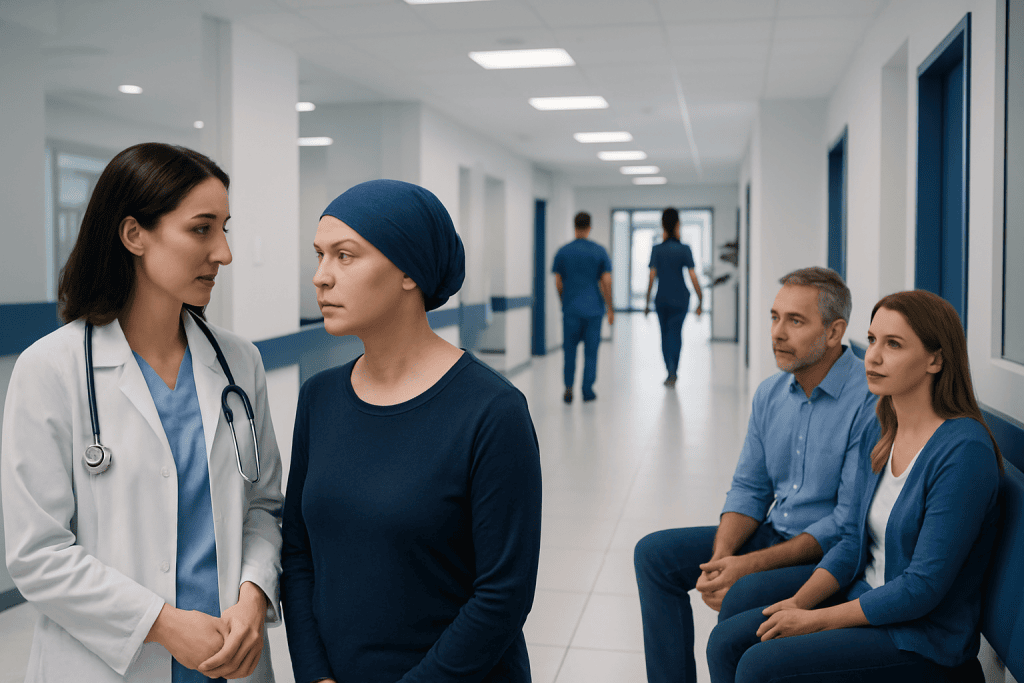
Some chemotherapy drugs can damage eggs, sperm-producing cells or hormone-producing tissues. Fertility may return months or years after treatment, but recovery cannot be predicted with certainty before chemotherapy begins.
Key Takeaways
- Some chemotherapy drugs can damage eggs, sperm-producing cells or hormone-producing tissues.
- Fertility may return months or years after treatment, but recovery cannot be predicted with certainty before chemotherapy begins.
- Fertility preservation should be discussed before treatment whenever possible, as some options need time to arrange.
- Alkylating agents and high-dose chemotherapy are among the treatments with higher risks of infertility.
- Pregnancy and contraception questions should be reviewed with the oncology team during and after chemotherapy.
Will chemo make you sterile? Chemotherapy can cause temporary or permanent infertility, but this does not happen to everyone. The effect depends on the medicines used, total treatment dose, age, existing fertility and whether radiation or surgery is also part of cancer care.
Overview: Will Chemo Make You Sterile?
Chemotherapy may affect fertility because some cancer medicines can harm rapidly dividing cells. This includes cancer cells, but also cells involved in producing eggs and sperm. For some people, fertility changes are temporary; for others, chemotherapy may lead to permanent infertility or earlier menopause.
Whether chemotherapy causes infertility depends on the treatment plan and the individual. Important factors include the specific medicines, cumulative dose, treatment duration, age, ovarian reserve or sperm production before treatment, and whether radiation therapy, surgery, stem cell transplantation or hormone therapy is also needed.
It is helpful to use the term infertility rather than “sterility,” since fertility can sometimes recover after treatment. Before cancer treatment starts, the oncology team can explain the likely risk and arrange prompt consultation with a reproductive specialist when fertility preservation is appropriate.
How Chemotherapy Can Affect Fertility
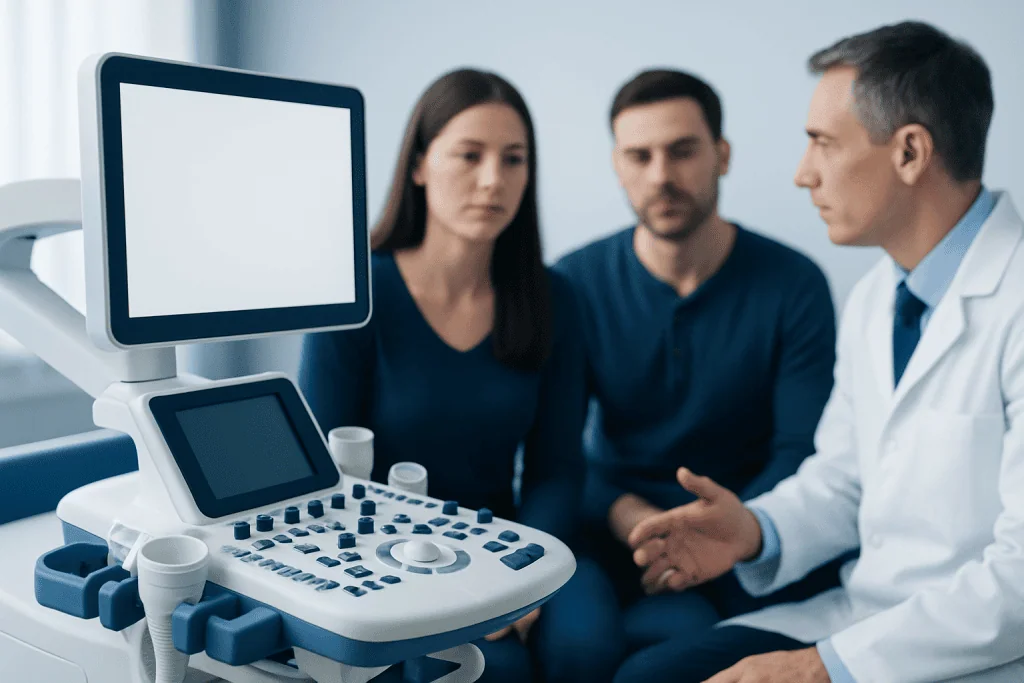
Chemotherapy travels through the bloodstream to treat cancer cells throughout the body. Some drugs can also injure the ovaries, including the supply of immature eggs, or affect the testes and the cells that make sperm. Damage may reduce reproductive hormone levels, alter menstrual cycles, lower sperm count or affect sperm quality.
In people with ovaries, treatment can lead to missed periods, irregular periods, menopausal symptoms or premature ovarian insufficiency. A period returning after treatment can be reassuring, but it does not always mean that fertility has returned fully. Ovarian reserve may still be reduced, and menopause may occur earlier than otherwise expected.
In people with testes, chemotherapy can reduce or stop sperm production. Semen quality may recover over time, particularly after lower-risk regimens, but recovery varies considerably. Some treatments also affect testosterone production, which may contribute to reduced libido, fatigue or erectile difficulties and should be assessed by a clinician.
Who Has a Higher Risk of Infertility From Chemotherapy?
The risk is individualized rather than determined by a cancer diagnosis alone. Younger people often have a greater chance of ovarian or sperm-production recovery than older people, although younger age does not eliminate the possibility of permanent infertility. Baseline fertility, previous chemotherapy, medical conditions and prior surgery also matter.
Some medications are more harmful to reproductive cells than others. Alkylating agents, including cyclophosphamide, busulfan and procarbazine, are generally associated with a higher fertility risk. High-dose chemotherapy used before stem cell transplantation can carry a particularly substantial risk, especially when combined with radiation.
Radiation aimed at or near the pelvis, brain or testes can also affect fertility or reproductive hormones. Cancer surgery may have an effect depending on the organ and procedure involved. For this reason, fertility counselling should consider the full treatment pathway, not chemotherapy in isolation.
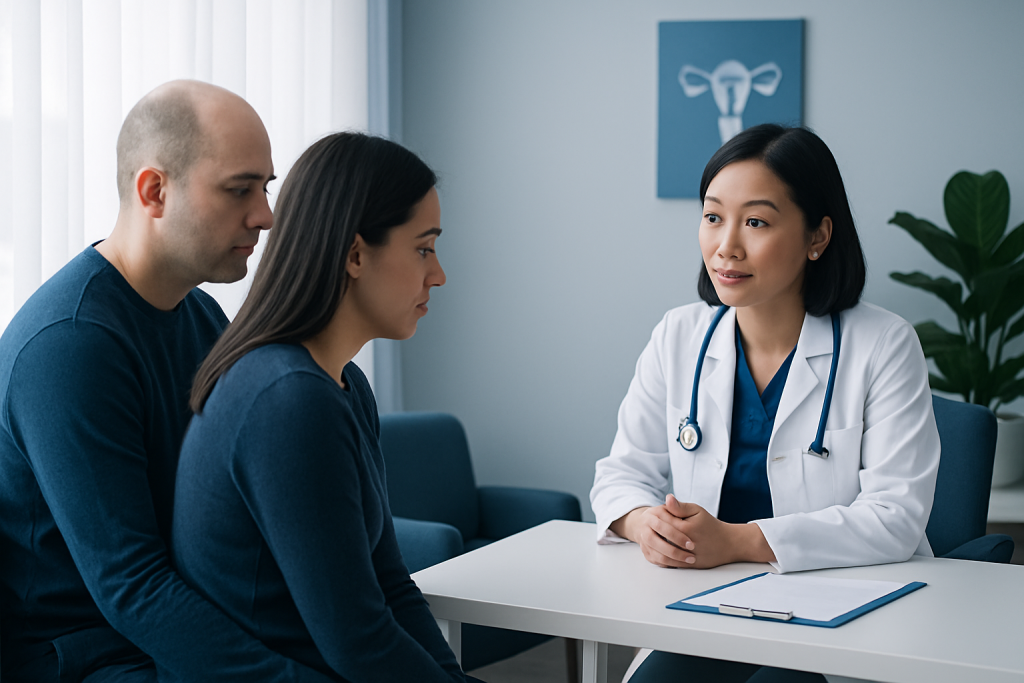
Before treatment, an oncologist may refer a person to a fertility specialist for an individualized review. This may include menstrual and reproductive history, ovarian reserve testing where appropriate, semen analysis, and discussion of available time before treatment must begin.
Fertility Preservation: What Happens Before Treatment?
Fertility preservation is most effective when it is arranged before chemotherapy. The available approach depends on age, pubertal development, personal preferences, partner status, the urgency of cancer treatment and the predicted fertility risk. Preservation discussions should not delay urgent cancer treatment unnecessarily, but many options can be coordinated quickly.
For people who produce eggs, egg freezing or embryo freezing may be considered. This usually involves hormone injections to stimulate the ovaries, monitoring with blood tests and ultrasound, and an egg retrieval procedure performed under sedation or anesthesia. Depending on the clinical situation, ovarian tissue freezing may be an option, particularly for some children and for people who cannot wait for ovarian stimulation.
For people who produce sperm, sperm freezing is usually the simplest established option. Semen samples are collected and stored for possible future use in fertility treatment. When sample collection is difficult, specialists can discuss other methods of sperm retrieval in selected circumstances.
Some patients may be offered medicines that temporarily suppress ovarian activity during chemotherapy. These medicines may reduce the likelihood of treatment-related ovarian failure in some situations, but they do not replace established preservation methods such as egg, embryo or sperm freezing. A reproductive specialist can discuss fertility and IVF treatment options that may be relevant before or after cancer therapy.
What to Expect During and After Chemotherapy
During chemotherapy, periods may become irregular or stop, and sperm production may fall. These changes do not always indicate permanent infertility. The treatment team may recommend reliable contraception because pregnancy during chemotherapy can be unsafe, and because fertility can sometimes return unpredictably.
After treatment ends, recovery is different for every person. Menstrual cycles may resume within months, but can take longer, and some people do not regain periods. Sperm production often takes months to recover because sperm development occurs over a number of weeks; following some regimens, recovery can take years or may not occur.
Follow-up may include discussion of menstrual patterns, menopausal symptoms, sexual health and family-planning goals. A clinician may recommend hormone tests, ovarian reserve assessment or semen analysis, although no single test can guarantee future fertility. It is important not to assume fertility is absent or restored based only on symptoms.
People are often advised to wait for a period recommended by their oncology team before trying for pregnancy. This timing depends on the cancer type, medicines received, relapse risk, overall recovery and the need for ongoing treatments. The oncology and fertility teams can provide guidance tailored to the individual situation.
How Long Does Chemo Make You Infertile?
Chemotherapy can affect fertility for a short time, for several years or permanently. There is no universal timeline because recovery depends on the medicines used, total dose, age and reproductive health before treatment. Menstrual periods or sperm production may return within months for some people, while others experience longer-lasting changes.
For people with testes, a semen analysis is usually needed to determine whether sperm production has recovered. For people with ovaries, return of periods does not fully measure fertility because egg quantity and quality may have changed. A fertility specialist can help interpret tests and discuss the chances of pregnancy after cancer treatment.
Until a clinician confirms otherwise, a person should not rely on chemotherapy-related missed periods or reduced sperm production as contraception. Ovulation and sperm production can resume before obvious signs of recovery appear.
Can I Kiss My Husband During Chemo?
In most situations, kissing and everyday close contact are safe during chemotherapy. Chemotherapy is not contagious, and a partner cannot “catch” cancer treatment through normal affection, shared meals, hugging or kissing.
However, the person receiving chemotherapy may have mouth sores, bleeding gums, nausea or an increased risk of infection, which can make kissing uncomfortable or mean it is best to avoid close contact temporarily. If either partner has a cold sore, respiratory infection or other contagious illness, it is sensible to take extra care because chemotherapy can weaken the immune system.
Questions about sex, oral sex and body-fluid exposure should be discussed with the oncology team. Recommendations vary by treatment, but clinicians commonly advise barrier protection during sexual activity for a period after chemotherapy administration and reliable contraception during treatment.
Which Chemo Has the Highest Risk of Infertility?
Alkylating agents are among the chemotherapy drugs with the highest risk of infertility. Examples include cyclophosphamide, ifosfamide, busulfan, melphalan, chlorambucil and procarbazine. Risk generally increases with higher total doses, combination chemotherapy and older age at treatment.
High-dose conditioning chemotherapy given before a stem cell transplant may have a particularly high likelihood of long-term ovarian or testicular damage. Treatments that combine chemotherapy with pelvic or testicular radiation can further increase the risk. The exact risk cannot be judged from the drug name alone, because the dose and full treatment combination are important.
Some chemotherapy regimens have a lower average fertility risk, but no regimen should be assumed to be risk-free. The oncologist can explain the anticipated risk level for a specific plan and make an urgent fertility referral before the first cycle where needed.
Can a Man Have a Baby After Chemotherapy?
Yes, many men can have a baby after chemotherapy, either naturally or with fertility treatment, but this is not possible for everyone. Sperm production may recover after treatment, particularly when lower-risk chemotherapy has been used, but recovery may take months or years and cannot be guaranteed.
A semen analysis can assess sperm count, movement and other features once the oncology team says it is appropriate. If sperm was frozen before chemotherapy, it may be used later in assisted reproduction. If sperm production remains very low or absent, a fertility and urology team can discuss whether additional evaluation or treatment options may be suitable.
Men should ask their oncology team when it is safe to try to conceive. This recommendation is individualized and considers treatment completion, recovery, the possibility of damaged sperm shortly after therapy and the cancer care plan. Sperm banking before treatment offers an important option when future biological parenthood is a priority.
When to Seek Medical Care
A person should speak with their oncology team before chemotherapy begins if they may want children in the future, even if they are uncertain. Fertility preservation options can be time-sensitive, and referral should ideally happen before the first treatment. It is also appropriate to ask about contraception, sexual health and pregnancy timing at any stage of care.
Medical advice is important for absent periods after treatment, severe menopausal symptoms, erectile difficulties, persistent low sexual desire, testicular changes, or concerns about fertility recovery. These symptoms can have several causes and may be treatable. A doctor can arrange appropriate hormonal, fertility or sexual-health assessment.
Urgent medical advice is needed during chemotherapy for fever, signs of infection, unusual bleeding, severe vomiting or other symptoms the treatment team has identified as urgent. Acibadem International’s multidisciplinary specialists and JCI-accredited hospitals support international patients receiving cancer care and fertility-related assessment.
Frequently asked questions
Will chemotherapy always cause infertility?
No. Some people retain or regain fertility after chemotherapy, while others develop temporary or permanent infertility. The risk depends mainly on the drug regimen, dose, age, previous fertility and whether radiation or surgery is also used.
Can periods return after chemotherapy?
Yes, periods may return months or sometimes longer after chemotherapy ends. However, returning periods do not always mean that fertility is fully restored, because ovarian reserve may still be lower than before treatment.
Should fertility preservation delay cancer treatment?
Cancer treatment should not be delayed when it is medically urgent. However, many preservation options can be arranged promptly, and the oncology team can coordinate with a fertility specialist to determine what is safely possible.
Can chemotherapy affect a future baby?
After an appropriate recovery period recommended by the oncology team, many cancer survivors have healthy pregnancies and healthy children. The timing of conception should be individualized based on the treatment received, overall health and cancer follow-up plan.
Do I need contraception if my periods stop during chemotherapy?
Usually, yes. Ovulation can occur before periods return, and sperm production can recover unpredictably, so pregnancy may still be possible. Chemotherapy can be harmful during pregnancy, making reliable contraception important unless the care team advises otherwise.
Can chemotherapy be found in saliva after treatment?
Everyday kissing is generally considered safe, and chemotherapy is not contagious. If there are mouth sores, bleeding, infection concerns or questions about sexual contact and body fluids, the oncology team can give treatment-specific advice.
References
- American Society of Clinical Oncology
- American Cancer Society
- National Cancer Institute
- American Society for Reproductive Medicine
- European Society for Medical Oncology
This article is for general information only and is not a substitute for professional medical advice. Please consult a qualified doctor about your individual situation.
Oncology care in Turkey — second opinion and treatment plan
JCI-accredited · board-certified surgeons · reply within 24h
Add us as a Preferred Source to see more of our trusted health content across Google Search, AI Overviews and Discover.