Pd1 Treatment: How It Works, Results and What to Expect

PD1 inhibitors are immune checkpoint medicines used for several cancer types. Treatment is given by intravenous infusion on a planned schedule and is not a surgical procedure.
Key Takeaways
- PD1 inhibitors are immune checkpoint medicines used for several cancer types.
- Treatment is given by intravenous infusion on a planned schedule and is not a surgical procedure.
- Responses vary by cancer type, stage, tumor biomarkers, and a person’s overall health.
- Immune-related side effects can affect almost any organ and should be reported early.
- Regular blood tests, symptom reviews, and scans help the oncology team monitor safety and treatment response.
PD1 treatment is a type of cancer immunotherapy that releases a natural immune-system brake called PD-1. It can help the body’s T cells recognize and attack cancer cells, either alone or alongside treatments such as chemotherapy, targeted therapy, radiation, or surgery.
Overview: What Is PD1 Treatment?
PD1 treatment is an immunotherapy approach for cancer. It uses medicines called PD-1 inhibitors, or PD-1 checkpoint inhibitors, to help immune cells identify and respond to cancer cells. Unlike chemotherapy, which directly targets rapidly dividing cells, this treatment works mainly by changing how the immune system responds to the cancer.
PD-1 is a protein found on certain immune cells, especially T cells. When PD-1 connects with proteins called PD-L1 or PD-L2, it can reduce T-cell activity. Some tumors use this pathway to avoid immune detection. By blocking the PD-1 signal, treatment may allow T cells to become more active against cancer.
PD1 treatment for cancer is used in selected patients with cancers such as melanoma, lung cancer, kidney cancer, bladder cancer, head and neck cancer, liver cancer, Hodgkin lymphoma, and some colorectal, stomach, cervical, skin, and other cancers. Its role depends on the exact diagnosis, cancer stage, previous treatment, and tumor testing.
How PD-1 Checkpoint Therapy Works
The immune system normally has checkpoints that prevent immune cells from attacking healthy tissues unnecessarily. PD-1 is one of these checkpoints. Cancer cells may produce PD-L1 or influence nearby cells to do so, sending a signal that makes T cells less able to attack.
PD-1 inhibitor medicines attach to the PD-1 receptor and interrupt this “off” signal. This does not create new immune cells or guarantee that the immune system will eliminate a tumor. Instead, it may restore part of the immune response that cancer has suppressed.
Because each tumor has different biology, benefits are not the same for everyone. Some tumors are more likely to respond when they have certain biomarkers, such as PD-L1 expression, mismatch repair deficiency, or high microsatellite instability. Biomarker results can guide decisions, but they do not predict treatment results with complete certainty.
PD-1 medicines may be used alone, combined with another immunotherapy medicine, or given with chemotherapy or other cancer treatments. An oncology team considers the evidence for the specific cancer and the potential balance of benefit and risk before recommending a plan.
Who May Be a Candidate?

Eligibility for PD1 treatment is determined by a medical oncologist after reviewing pathology reports, imaging, cancer stage, previous treatments, symptoms, organ function, and overall health. In some cancers, PD-1 therapy is used after other treatments have not controlled the disease. In others, it may be offered earlier, including before or after surgery, or as part of first-line treatment for advanced cancer.
Tumor testing is often an important part of planning. Depending on the cancer type, the care team may test for PD-L1, microsatellite instability, mismatch repair changes, or other genetic and molecular features. These tests are performed on tumor tissue and, in some situations, blood samples.
People with autoimmune diseases, organ transplants, chronic immune suppression, active serious infections, or significant lung, liver, kidney, or heart conditions need individualized assessment. PD-1 therapy can still be appropriate for some people in these groups, but it may require closer monitoring or a different approach.
A discussion of treatment goals is equally important. The aim may be to cure a cancer, reduce the chance of recurrence, shrink or control advanced cancer, relieve cancer-related symptoms, or extend the period before the cancer progresses. The expected goal should be clear before treatment begins.
What Happens Before, During and After Each Infusion?
Before starting therapy, the oncology team usually confirms the diagnosis and treatment plan, reviews medicines and medical history, and arranges baseline tests. These commonly include blood counts and tests of liver, kidney, and thyroid function. Imaging scans may be used to document the extent of cancer before treatment.
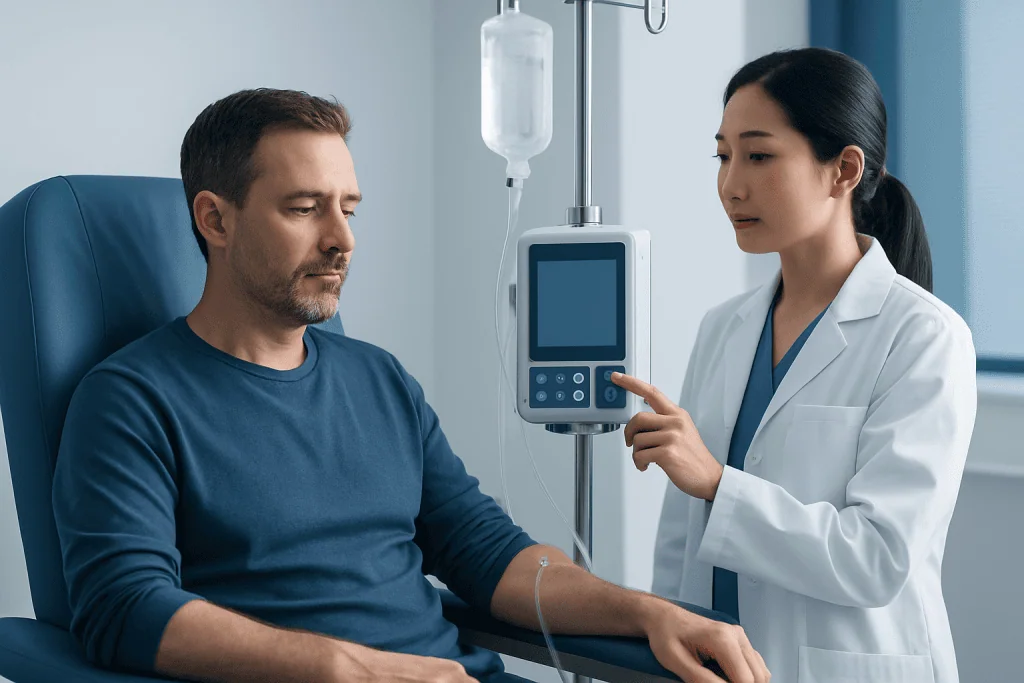
PD-1 inhibitor therapy is usually given through a vein in an outpatient infusion unit. The medicine is administered over a set period, and the schedule varies by drug and treatment plan. A nurse monitors for infusion reactions and checks how the person is feeling. Most people return home the same day.
Before later infusions, patients are asked about new symptoms, including cough, breathlessness, diarrhea, abdominal pain, rash, fatigue, headaches, changes in vision, or hormone-related symptoms. Blood tests may be repeated at regular intervals. These checks are essential because immune-related effects can begin gradually and may not always be obvious at first.
Scans are generally repeated after a planned number of treatment cycles to assess response. Occasionally, tumors can appear larger on an early scan because immune cells have entered the tumor area. This is uncommon and must be interpreted carefully by the cancer team alongside symptoms and other findings.
Results, Benefits and Treatment Timeline
A PD 1 therapy review should consider both potential benefits and uncertainty. In cancers that are sensitive to checkpoint inhibition, treatment can shrink tumors, slow cancer growth, or help maintain disease control. Some people experience durable responses, while others have little or no response despite treatment.
There is no single timeline for results. Some responses are seen within a few months, whereas others take longer. The oncology team evaluates scans, examination findings, blood tests, and day-to-day wellbeing rather than relying on one measure alone. Symptoms may improve before imaging changes, but new or worsening symptoms should always be reported.
How long PD-1 therapy continues depends on the cancer type, the treatment setting, response, side effects, and the medicine being used. In some situations it is given for a defined period; in others, it continues while it is helping and remains safe to use. Stopping or changing treatment is a shared decision based on ongoing review.
PD-1 therapy may be one part of a broader plan. Depending on the diagnosis, this can include surgery, radiation therapy, chemotherapy, targeted medicines, supportive care, nutritional advice, rehabilitation, and symptom management. A multidisciplinary team helps coordinate these components around the individual’s needs.
PD 1 Treatment Side Effects and Safety Monitoring
PD 1 treatment side effects happen because an activated immune system can sometimes inflame healthy tissues. Many side effects are mild and manageable, but some can become serious without prompt care. Early communication with the oncology team is one of the most effective ways to reduce complications.
Common effects may include tiredness, skin rash or itching, nausea, reduced appetite, muscle or joint aches, cough, diarrhea, and changes in thyroid function. Some people have few noticeable symptoms. Side effects can occur during treatment or, less commonly, weeks to months after it has ended.
Less common immune-related problems can affect the lungs, colon, liver, kidneys, hormone-producing glands, nerves, eyes, heart, or other organs. The care team may temporarily pause immunotherapy and prescribe medicines, often corticosteroids, to control significant inflammation. Specialist input may be needed depending on the organ involved.
Patients should not try to manage persistent or severe symptoms alone with over-the-counter products. They should contact their oncology team promptly for worsening diarrhea, chest pain, shortness of breath, fever, severe abdominal pain, marked weakness, confusion, yellowing of the skin or eyes, severe rash, or a major change in urine output.
Living Well During PD-1 Therapy
There is no special diet proven to make PD-1 therapy work better, but regular meals, adequate fluids, and enough protein can support strength during cancer treatment. A registered dietitian may help if appetite, weight, swallowing, bowel habits, or food tolerance changes.
Gentle physical activity, adapted to energy levels and medical advice, can help maintain mobility, sleep, and mood. Rest is also important. People should avoid starting supplements, herbal products, or new medicines without discussing them with the oncology team, since some products may affect treatment safety or interact with other medicines.
Keeping a symptom record can make appointments more useful. It may include the date symptoms began, their severity, bowel habits, temperature if unwell, medications taken, and any impact on eating, sleep, or usual activity. Family members or caregivers can also help notice subtle changes.
Emotional support is part of cancer care. Patients may benefit from counseling, support groups, social work services, and practical advice about work, travel, and caregiving. Acibadem International’s multidisciplinary specialists and JCI-accredited hospitals provide assessment and treatment planning for international patients who are considering cancer immunotherapy.
When to Seek Medical Care
Patients should contact their oncology team promptly if they develop a new symptom that is persistent, worsening, or affecting daily life. This includes diarrhea, vomiting, an increasing cough, breathlessness, new skin changes, unusual fatigue, headaches, dizziness, joint pain, or symptoms of hormone changes such as feeling unusually cold, rapid heartbeat, or unexplained weight changes.
Urgent medical assessment is needed for severe shortness of breath, chest pain, fainting, confusion, a severe headache with vision changes, heavy bleeding, severe weakness, a widespread blistering rash, high fever, or severe abdominal pain. If emergency services are needed, the patient or accompanying person should explain that the person is receiving or has recently received PD-1 immunotherapy.
People should keep the cancer team informed about hospital visits, infections, planned operations, dental procedures, vaccinations, and treatment prescribed by other clinicians. Coordinated care helps clinicians recognize possible immune-related side effects and make safer decisions quickly.
Frequently asked questions
Is PD1 treatment the same as chemotherapy?
No. PD1 treatment is immunotherapy, meaning it helps the immune system respond more effectively to cancer. Chemotherapy acts directly on rapidly dividing cells, while PD-1 inhibitors block an immune checkpoint. The two treatments can sometimes be used together.
How is PD1 treatment given?
PD-1 inhibitors are usually given as an intravenous infusion in an outpatient clinic or hospital infusion center. The schedule depends on the medicine and the cancer treatment plan. Patients commonly have blood tests and a clinical review before treatment.
How soon does PD1 treatment start working?
The time to response varies greatly between individuals and cancer types. Scans are commonly planned after several treatment cycles, although the oncology team also considers symptoms, examination findings, and laboratory results. Some cancers respond early, while others require longer assessment.
Can PD1 treatment cure cancer?
For some cancers and treatment settings, immunotherapy may contribute to a curative treatment plan or reduce the risk of cancer returning after surgery. For advanced cancers, it is more often used to control the disease and potentially provide lasting benefit. The expected aim depends on the exact diagnosis and stage.
What side effects should be reported immediately?
New or worsening breathlessness, chest pain, severe diarrhea, severe abdominal pain, fever, confusion, yellow skin or eyes, a widespread blistering rash, or major weakness require prompt medical advice. Immune-related effects can become serious if untreated. Patients should contact their oncology team rather than waiting for the next appointment.
Can a person with an autoimmune disease receive PD1 therapy?
Possibly, but the decision requires careful individualized review. PD-1 therapy may worsen an existing autoimmune condition or trigger immune-related inflammation. The oncology team may work with other specialists to weigh possible benefits, risks, and monitoring needs.
References
- National Cancer Institute
- American Cancer Society
- European Society for Medical Oncology
- U.S. Food and Drug Administration
- American Society of Clinical Oncology
This article is for general information only and is not a substitute for professional medical advice. Please consult a qualified doctor about your individual situation.
Persistent digestive symptoms? Get evaluated in Turkey
JCI-accredited · board-certified surgeons · reply within 24h
Add us as a Preferred Source to see more of our trusted health content across Google Search, AI Overviews and Discover.