Does Cancer Spread Faster after Biopsy: Procedure, Recovery and Results
A biopsy is usually needed to confirm whether an abnormal area is cancer and to identify its type and features. Evidence does not show that routine biopsies make cancer spread faster or worsen outcomes.
Key Takeaways
- A biopsy is usually needed to confirm whether an abnormal area is cancer and to identify its type and features.
- Evidence does not show that routine biopsies make cancer spread faster or worsen outcomes.
- Tumour-cell seeding along a biopsy track is rare and is considered when planning selected procedures.
- Recovery commonly involves mild soreness, bruising or a small amount of bleeding, depending on the biopsy site.
- Biopsy result timing depends on laboratory testing, not on whether cancer is found.
Does cancer spread faster after biopsy? In almost all cases, no: a biopsy does not make cancer grow or spread faster, and it is usually the most reliable way to confirm a diagnosis and plan appropriate treatment. Although very rare tumour-cell seeding along a needle path can occur with certain cancers, clinicians use proven techniques to keep this risk extremely low.
Does cancer spread faster after biopsy?
In almost all cases, cancer does not spread faster after a biopsy. A biopsy removes a small sample of cells or tissue so a pathologist can examine it and determine whether cancer is present. This information is central to choosing the right next step, which may include monitoring, surgery, medicines, radiation treatment or a combination of approaches.
People may understandably worry that a needle or surgical instrument could disturb a tumour. In rare circumstances, cancer cells can be found along the path of a biopsy needle or incision, called tumour seeding. However, this is uncommon, and biopsy methods are designed to reduce the risk. For most suspected cancers, the value of an accurate diagnosis greatly outweighs this very small risk.
The medical team plans the biopsy route carefully, especially when surgery may later be needed. Imaging guidance, sterile technique and appropriate needle selection help obtain useful tissue while protecting surrounding structures. A biopsy should be discussed with a qualified clinician in the context of the individual’s scan findings, symptoms and overall health.
Why a biopsy is performed and who may need one
Scans, blood tests and physical examinations can identify an abnormal lump, organ change or area of inflammation, but they cannot always confirm its cause. A biopsy can distinguish cancer from non-cancerous conditions and can show the cancer type, grade and biological markers when cancer is present. These details help clinicians personalise care rather than make decisions based on imaging alone.
A clinician may recommend a biopsy for a new or changing lump, an abnormal mammogram or scan, a suspicious skin lesion, unexplained enlarged lymph nodes, persistent organ abnormalities or certain changes in blood tests. Not every abnormality needs a biopsy immediately. Sometimes repeat imaging, blood testing or observation is the safer and more useful approach.
Biopsy planning also considers blood-thinning medicines, bleeding disorders, allergies, pregnancy, infection risk and the location of the abnormal area. Patients should share all medicines and supplements they take, including aspirin, anticoagulants and herbal products. They should only stop prescribed medicines after receiving instructions from the clinician who manages them.
How a biopsy works: preparation, procedure and laboratory review
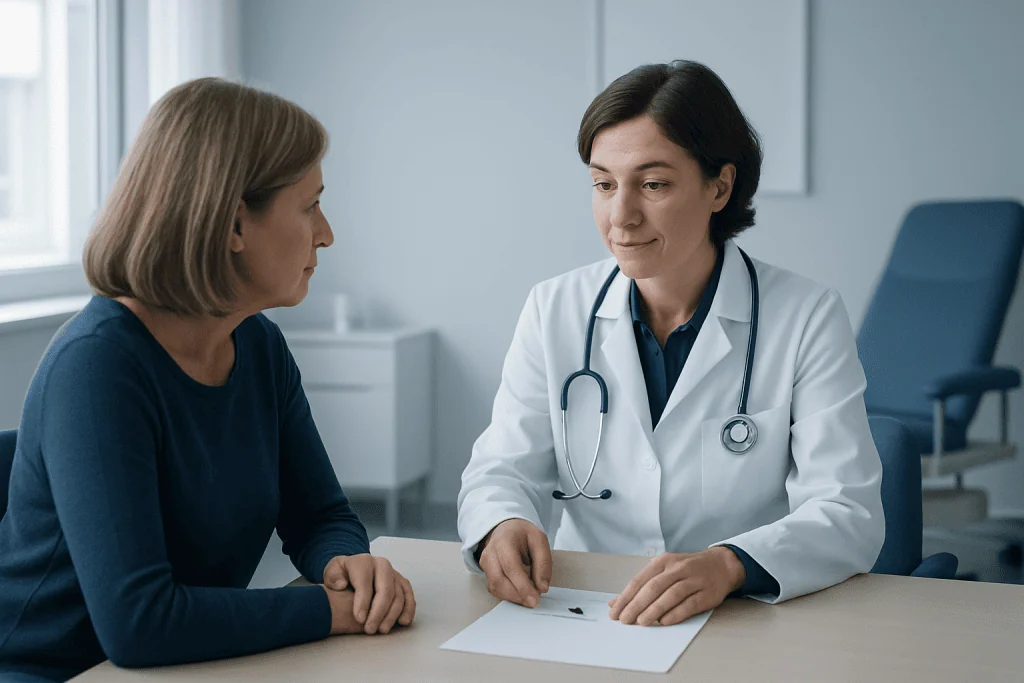
There are several types of biopsy. A fine-needle aspiration removes cells with a very thin needle, while a core needle biopsy removes a small cylinder of tissue. A punch or shave biopsy may be used for skin changes. Endoscopic biopsies are taken through a flexible camera during procedures involving organs such as the bowel, stomach or airways. In some situations, a surgeon removes part or all of an abnormal area through an incision.
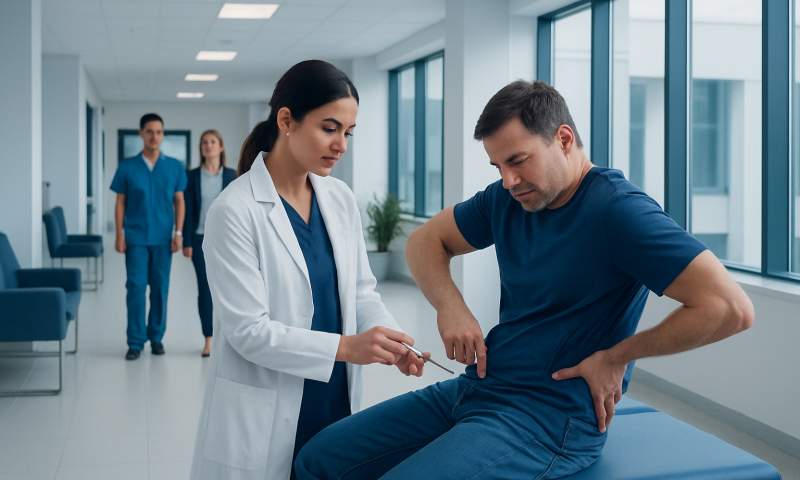
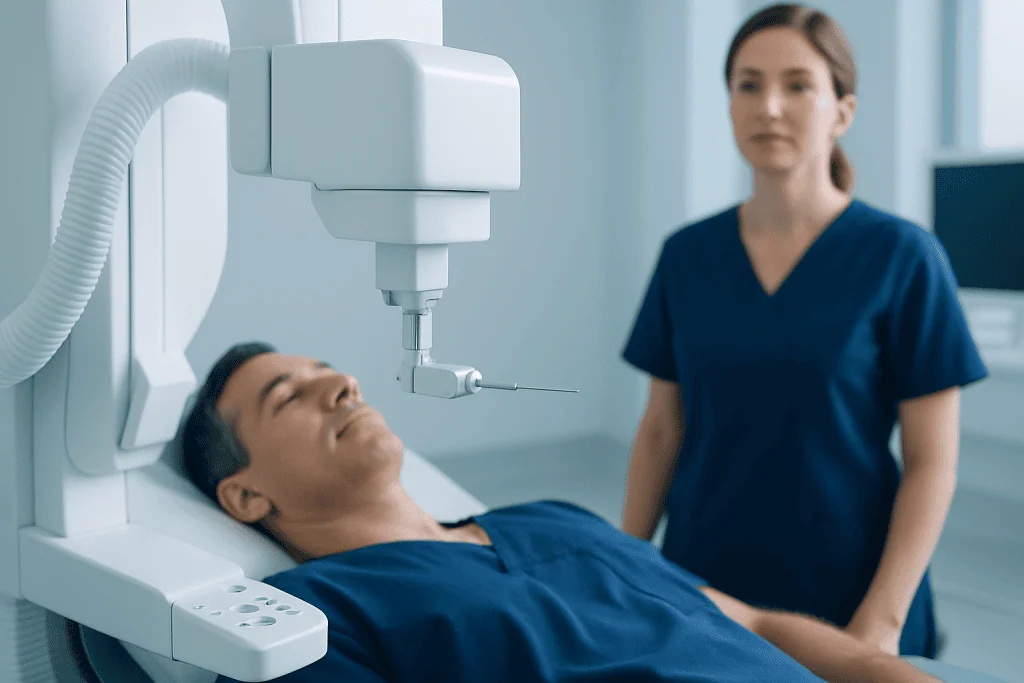
Before the procedure, the team explains why the biopsy is recommended, what type will be used, expected discomfort, possible complications and aftercare. The area may be numbed with local anaesthetic; some procedures require sedation or general anaesthesia. Ultrasound, CT, MRI or other imaging may guide the needle precisely to the area most likely to provide a representative sample.
During a needle biopsy, the skin is cleaned, local anaesthetic is given when appropriate, and the clinician obtains one or more samples. Pressure and a dressing are then applied. The sample goes to a pathology laboratory, where it may be processed, stained and reviewed under a microscope. Further tests, including molecular or genetic testing, may be needed to clarify the diagnosis and guide treatment.
For suspected cancer, the procedure should be coordinated with the relevant specialty team whenever possible. This helps ensure that the sample is adequate and that the needle track or incision can be managed appropriately if later surgery is recommended.
Benefits, risks and recovery after a biopsy
The principal benefit of biopsy is diagnostic certainty. It can prevent unnecessary cancer treatment when an abnormality is benign, identify a cancer that needs treatment and provide information that influences the most suitable treatment plan. In many cancers, pathology findings are also used to determine whether targeted treatments, hormone therapy, immunotherapy or other options may be relevant.
Most people go home the same day after a needle or skin biopsy. Mild tenderness, bruising, swelling or a small amount of bleeding can occur for a few days. The care team will provide site-specific instructions about dressings, bathing, exercise, driving after sedation and returning to work. Simple pain relief may be advised, but patients should follow their clinician’s recommendations, particularly if they take blood thinners.
Less common risks include infection, significant bleeding, damage to a nearby structure, a collapsed lung after some chest biopsies, or a reaction to sedation or anaesthetic. The exact risks depend on the body site and biopsy method. Tumour seeding is a rare potential risk with selected cancers and procedures, but it does not mean that cancer generally spreads more after biopsy.
Aftercare is important. Patients should contact the procedure team if pain is worsening rather than improving, bleeding does not stop with firm pressure, fever develops, there is increasing redness or drainage, or they feel faint, short of breath or otherwise unwell.
What are the odds of cancer spreading after a biopsy?
There is no single percentage that applies to every biopsy and every cancer type. For standard diagnostic biopsies, clinically meaningful spread caused by the procedure is considered very rare. Published evidence and long-standing cancer care practice support biopsies because they provide information that improves diagnosis and treatment planning.
The risk depends on the type of tumour, its location, the route used to reach it and the procedure performed. For some uncommon situations, such as certain liver, kidney, lung or soft-tissue tumours, the team may use specific techniques or choose the biopsy path carefully to minimise the chance of needle-track seeding. If an operation is planned, surgeons may remove the biopsy tract when appropriate.
Does cancer spread faster after prostate biopsy? Current evidence does not show that a standard prostate biopsy causes prostate cancer to spread faster. Prostate biopsies are often guided by ultrasound or MRI-targeted methods and are an established part of evaluating suspected prostate cancer. The clinician will discuss risks such as bleeding, temporary urinary symptoms and infection, as well as precautions before and after the procedure.
Similarly, cancer does not usually spread faster after surgery. Surgery can be an important treatment for cancers that are localised or can be safely removed. Treatment decisions are based on the cancer type and stage, not on a belief that surgery or biopsy automatically accelerates spread.
Do biopsy results come back quicker if cancer?
No. Biopsy results do not usually come back quicker simply because cancer is present. Turnaround time is mainly determined by the sample type, laboratory workflow, whether the specimen needs special stains or molecular tests, and whether another pathology specialist needs to review it.
Some preliminary results may be available within several working days, while more detailed reports can take longer. This is often because the laboratory is completing careful testing that identifies the exact tumour type and its characteristics. Waiting can be difficult, but a complete and accurate report is more useful than a rushed answer.
If the pathology report shows cancer, the next step may include additional imaging, blood tests or consultation with a multidisciplinary team. These assessments establish the cancer stage and support a treatment plan. Patients can ask when to expect results, who will explain them and whether a follow-up appointment has been arranged.
Which type of cancer spreads the fastest?
There is no one cancer that always spreads the fastest. Cancer behaviour varies widely based on the exact cell type, grade, genetic features, site of origin and whether it has already spread at the time of diagnosis. Some cancers can grow and spread more rapidly than others, including certain aggressive blood cancers, high-grade lymphomas, small-cell lung cancer, pancreatic cancer and some high-grade brain tumours.
Even within the same cancer category, one person’s cancer may behave very differently from another’s. For this reason, general lists cannot predict an individual outcome. A pathology report and staging tests provide much more meaningful information than the name of a cancer alone.
Rapidly progressive symptoms should be assessed promptly, but symptoms do not by themselves prove cancer progression. Infection, medication effects, stress and many non-cancerous conditions can also cause fatigue, pain, appetite changes or weight changes. A clinical review is the safest way to understand what is happening.
How does your body feel when cancer is spreading?
Cancer spread, also called metastasis, may cause no symptoms at first. When symptoms occur, they depend on where the cancer has spread and can include persistent new pain, breathlessness, a lasting cough, headaches, weakness, jaundice, abdominal swelling, unexplained weight loss or marked fatigue. These symptoms are not specific to cancer and have many possible causes.
A change in symptoms after a biopsy does not mean that cancer has spread. It may be related to normal healing, bruising, temporary inflammation, anxiety or an unrelated health issue. A person who has new, severe or persistent symptoms should contact their healthcare professional rather than trying to interpret symptoms alone.
Seek urgent medical assessment for severe shortness of breath, chest pain, confusion, sudden weakness, uncontrolled bleeding, a high fever after a procedure, or severe worsening pain. These symptoms need prompt evaluation whether or not cancer has been diagnosed.
When to seek medical care
People should arrange a medical review if they notice a new lump, a lump that is growing, unexplained bleeding, persistent changes in bowel or bladder habits, a non-healing skin lesion, ongoing difficulty swallowing, persistent hoarseness, or symptoms that continue without an obvious explanation. Early assessment does not mean cancer is likely; it means the cause can be investigated appropriately.
After a biopsy, the procedure team should be contacted for increasing swelling, spreading redness, pus-like drainage, fever, ongoing heavy bleeding, severe pain, fainting or breathing difficulty. Patients should follow their written discharge instructions, as warning signs and recovery expectations differ according to the biopsy location.
At Acibadem International, multidisciplinary specialists in JCI-accredited hospitals support international patients with diagnostic assessment and cancer care planning. A biopsy result can be reviewed alongside imaging and other findings so that recommended next steps are based on the complete clinical picture.
Frequently asked questions
Does cancer spread more after biopsy?
For the great majority of biopsies, no. Biopsies are routinely used because they provide essential diagnostic information, and the chance of cancer cells spreading along a biopsy path is very low. The medical team chooses the safest suitable technique for the area being tested.
Can a biopsy make a tumour grow faster?
A biopsy does not normally make a tumour grow faster. Tumours can continue their natural growth while diagnostic testing is taking place, which may create this impression. The biopsy result helps the team decide whether treatment is needed and which option is most appropriate.
How long does it take to recover from a biopsy?
Recovery varies by biopsy type and location. Many needle and skin biopsies cause mild soreness or bruising for a few days, while surgical biopsies may take longer to heal. The procedure team can provide tailored guidance on activity, wound care and pain management.
Why is a biopsy needed if a scan already looks suspicious?
Imaging can show that an area is abnormal, but it cannot always identify the exact cause. A biopsy can confirm whether cancer is present and provide details about the cell type and biological features. This helps avoid treatment based on uncertainty.
Can biopsy results be wrong?
Biopsies are highly valuable, but no test is perfect. A sample may occasionally be too small, may not represent the entire abnormality, or may require extra testing. If scan findings and pathology results do not match, the clinical team may recommend repeat sampling or further assessment.
What should someone ask before a biopsy?
Useful questions include why the biopsy is recommended, which method will be used, how to prepare, what risks apply and when results are expected. It is also important to ask about medicines that may need adjustment and whom to contact after the procedure. The clinician can explain how the biopsy result may affect the next step.
References
- American Cancer Society
- National Cancer Institute
- National Comprehensive Cancer Network
- European Society for Medical Oncology
- Royal College of Pathologists
This article is for general information only and is not a substitute for professional medical advice. Please consult a qualified doctor about your individual situation.
Oncology care in Turkey — second opinion and treatment plan
JCI-accredited · board-certified surgeons · reply within 24h