

Energy Therapy: How It Works, Results and What to Expect

Energy therapy includes practices such as Reiki, therapeutic touch, and healing touch. People may report feeling calmer or more rested after a session, although responses vary.
Key Takeaways
- Energy therapy includes practices such as Reiki, therapeutic touch, and healing touch.
- People may report feeling calmer or more rested after a session, although responses vary.
- Energy therapy should not delay medical assessment, prescribed medicines, or proven treatments.
- A qualified clinician should assess persistent fatigue, pain, mood changes, weight changes, or other new symptoms.
- Sessions are generally non-invasive, but provider training, boundaries, and communication matter.
Energy therapy, often called energy healing, refers to complementary practices intended to support relaxation and wellbeing through gentle touch or hands held near the body. Scientific evidence has not shown that these approaches diagnose, cure, or replace treatment for medical conditions, so they are best considered optional supportive practices alongside appropriate healthcare.
Energy Therapy Overview
Energy therapy is a broad term for complementary practices based on the idea that a practitioner can influence a person’s energy field to support physical, emotional, or spiritual wellbeing. Common examples include Reiki, therapeutic touch, healing touch, and similar hands-on or hands-near-body approaches. Sessions are usually quiet, non-invasive, and focused on relaxation.
Some people use energy therapy as part of a personal wellness routine, particularly when they are coping with stress, anxiety, sleep difficulties, or the emotional effects of illness. They may describe temporary feelings of calm, comfort, or improved wellbeing. However, these experiences do not establish that energy therapy treats an underlying disease.
Current scientific evidence does not confirm the proposed energy-field mechanisms or show that energy healing can cure medical conditions. It should therefore be viewed as a complementary practice, not an alternative to medical care. New, severe, persistent, or unexplained symptoms should always be assessed by a qualified healthcare professional.
How Energy Therapy Works
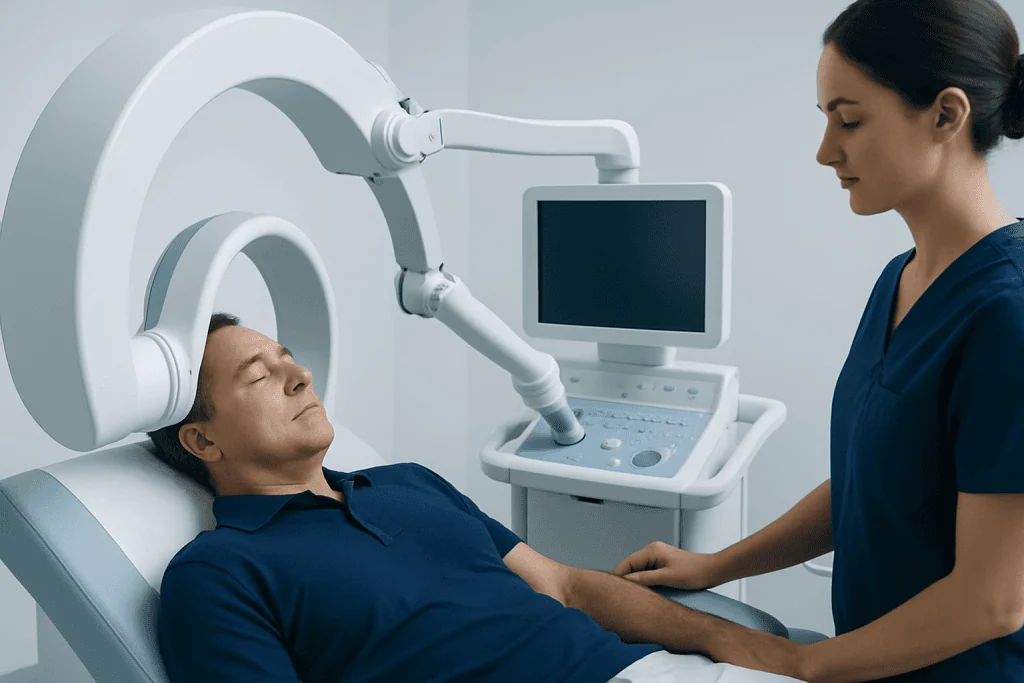
During energy therapy, practitioners may place their hands lightly on the body, hold their hands a short distance above it, or guide breathing and relaxation. The person typically remains fully clothed while lying down or sitting comfortably. Sessions may also include calm music, focused attention, or a short conversation about comfort and intentions.
Practitioners may explain the experience in terms of balancing or clearing energy. From a medical perspective, the most plausible benefits are related to the calming setting, focused attention, supportive interaction, expectation, and time set aside for rest. These factors can help some people feel less tense and more settled in the moment.
Relaxation can be valuable, especially when stress is affecting sleep, concentration, or daily coping. Yet it is important not to interpret feeling relaxed after a session as proof that a disease has been treated. Symptoms may improve temporarily for many reasons, while an underlying medical problem may still require diagnosis and care.
Who May Consider Energy Therapy

Adults who are interested in a gentle, low-intensity relaxation practice may choose energy therapy as an addition to—not a substitute for—their usual care. It may appeal to people who value quiet reflection, mindful attention, or supportive one-to-one time. A person does not need to hold particular spiritual beliefs to decide whether a session feels helpful to them.
Before booking a session, it is sensible to consider the goal. If the aim is relaxation or emotional comfort, a complementary session may be reasonable when it is provided safely and does not interfere with treatment. If the aim is to diagnose, cure, or manage a potentially serious symptom, medical assessment is the appropriate first step.
People receiving cancer treatment, recovering from surgery, living with chronic pain, or managing a mental health condition should discuss any complementary practice with their care team. This helps ensure that it fits safely with their overall plan and does not lead to delayed care, discontinued medication, or unrealistic expectations.
- A suitable practitioner should explain what the session involves and respect consent at every stage.
- Touch should be optional, and a person should be able to stop or change the session at any time.
- Claims that energy therapy can replace medical treatment, diagnose illness, or guarantee results are warning signs.
What Can I Expect During an Energy Healing Session?
An energy healing session commonly begins with a brief discussion about general wellbeing, preferences, and whether the person is comfortable with touch. The practitioner may ask the person to lie on a treatment table or sit in a chair. Clothing is usually kept on, and no injections, devices, or medicines are involved.
The practitioner may place hands gently on areas such as the shoulders, head, arms, or feet, or hold hands just above the body. A session often lasts from several minutes to about an hour, depending on the practitioner and setting. Some practitioners speak very little during the session; others may use guided breathing or calming language.
Afterward, a person may feel relaxed, sleepy, emotionally reflective, or no different at all. There is no expected physical reaction that confirms the therapy has worked. Drinking water, resting if needed, and returning to usual activities are generally appropriate, unless a healthcare professional has advised otherwise for a separate medical reason.
A reputable provider will not pressure a person into repeat visits, ask them to stop prescribed treatments, or discourage them from seeking medical advice. It is appropriate to ask about training, approach, hygiene practices, confidentiality, fees, and how the practitioner handles physical contact and personal boundaries.
Benefits, Limitations and Possible Risks
The potential benefit most often associated with energy therapy is relaxation. Some people may feel listened to, comforted, or better able to cope with stress after a session. In clinical settings, relaxation-based supportive care may be used alongside conventional treatment to help with wellbeing, although individual experiences vary.
The main limitation is that energy therapy has not been proven to treat the causes of medical illnesses. It should not be used instead of evaluation for symptoms such as ongoing fatigue, chest pain, a new lump, breathlessness, weakness, fever, unusual bleeding, or significant changes in mood or function.
Physical risks are usually low when sessions are gentle and boundaries are respected. Possible concerns include discomfort with touch, emotional distress, financial burden from repeated sessions, or harm caused by postponing evidence-based treatment. People with trauma histories may prefer a no-touch approach and should feel fully in control of the session.
For people seeking relief from stress or persistent worry, healthcare professionals may also recommend evidence-based approaches such as talking therapies, sleep support, physical activity suited to the individual, and medical treatment when indicated. Complementary practices can be discussed openly without judgment as part of whole-person care.
Is Energy Healing Worth It?
Whether energy healing feels worthwhile is personal and depends on the person’s goals, values, cost, and experience. It may be worth considering as a gentle relaxation activity for someone who understands its limits, enjoys the setting, and continues with appropriate medical care. It is not worth relying on as a cure or as a replacement for diagnosis and treatment.
A practical way to evaluate it is to ask whether it supports wellbeing without creating harm or preventing needed care. A person may wish to set a modest goal, such as taking time to relax or noticing whether they feel calmer afterward. If the practice creates pressure, guilt, fear, escalating expense, or advice to abandon medical care, it is best to stop and seek reliable guidance.
People who have symptoms affecting daily life should speak with a doctor rather than repeatedly seeking complementary sessions for answers. A clinician can help identify possible physical or psychological contributors and discuss safe options for symptom relief.
What Drains Energy From Your Body?
Feeling low in energy is common and can have many causes. Everyday factors include insufficient sleep, irregular meals, dehydration, prolonged stress, low physical activity, overexertion, alcohol use, and some medicines. Emotional strain, grief, anxiety, and depression can also affect motivation, concentration, and the sense of physical energy.
Medical conditions may contribute to tiredness as well. Examples include anemia, thyroid disorders, diabetes, infections, sleep disorders, heart or lung disease, nutritional deficiencies, and chronic pain. The appropriate explanation depends on the person’s age, health history, symptoms, and examination findings.
Energy therapy should not be used to determine why someone feels exhausted. Persistent or worsening fatigue deserves medical assessment, especially when it occurs with unintentional weight loss, fever, breathlessness, chest discomfort, fainting, bleeding, new neurological symptoms, or major changes in mood. A clinician can decide whether blood tests, sleep assessment, medication review, or other evaluation is needed.
What Does God Say About Energy Healing?
Views about energy healing differ widely among religions, spiritual traditions, and individual believers. There is no single answer that applies to every faith community or interpretation of sacred texts. Some people see hands-on healing or prayer as part of spiritual care, while others may have concerns about practices framed around spiritual energy.
For a person of faith, it may be helpful to speak with a trusted religious leader as well as a healthcare professional. This can help them make a choice that aligns with their beliefs, personal comfort, and medical needs. Spiritual support, prayer, and religious practice can be meaningful sources of comfort for many people, but they should not replace necessary medical care.
Respectful healthcare recognizes that spiritual beliefs can matter to wellbeing. A person may share relevant preferences with their care team, particularly during treatment for a serious condition, so that support can be coordinated in a way that respects personal values and clinical safety.
When to Seek Medical Care
Medical care is important when tiredness, pain, poor sleep, low mood, or another symptom is persistent, worsening, unexplained, or interfering with work, relationships, or daily activities. A doctor can help distinguish temporary stress-related symptoms from conditions that need testing or treatment.
Urgent assessment is needed for chest pain, severe shortness of breath, fainting, sudden weakness or numbness, confusion, seizures, heavy bleeding, thoughts of self-harm, or a severe allergic reaction. These symptoms should not be managed with an energy healing session or any other complementary practice.
Acibadem International’s multidisciplinary specialists and JCI-accredited hospitals support international patients with assessment and treatment plans for a wide range of health concerns. Anyone considering complementary care can discuss it with their clinician to ensure it is used safely alongside appropriate medical treatment.
Frequently asked questions
Is energy therapy scientifically proven?
Energy therapy has not been scientifically proven to diagnose, cure, or treat medical diseases. Some people report relaxation or comfort after a session, but these effects do not confirm the proposed energy-based mechanisms. It should be used only as a complementary wellness practice, not as a replacement for healthcare.
Is energy healing the same as Reiki?
Reiki is one type of energy healing practice. Energy therapy is a broader term that can include Reiki, therapeutic touch, healing touch, and other approaches involving gentle touch or hands held near the body. Methods and beliefs vary among practitioners.
Can energy therapy help with anxiety or stress?
A quiet, supportive session may help some people feel calmer in the short term. However, anxiety that is persistent, severe, or affecting daily life may need assessment and evidence-based treatment, such as psychological therapy, lifestyle support, or medication when appropriate. Energy therapy should not delay that care.
Do I need to stop my medicines before an energy healing session?
No. A person should not stop prescribed medicines or medical treatment because of an energy healing session. Any concerns about medicines, side effects, or interactions should be discussed with the prescribing clinician or pharmacist.
How can someone choose an energy therapy practitioner safely?
A person can ask about the practitioner’s training, experience, session format, touch policy, fees, and confidentiality. They should choose someone who obtains consent, welcomes questions, respects boundaries, and does not make claims about curing illness. It is important to avoid providers who advise against medical care or prescribed treatment.
Can energy therapy cause side effects?
Physical side effects are uncommon with gentle, non-invasive sessions, but some people may feel emotionally unsettled, uncomfortable with touch, or disappointed if expectations are unrealistic. The more significant risk is delaying medical assessment or treatment for a genuine health problem. People should stop a session if they feel uncomfortable and seek medical advice for concerning symptoms.
References
- National Center for Complementary and Integrative Health
- World Health Organization
- National Institutes of Health
- Mayo Clinic
- NHS
This article is for general information only and is not a substitute for professional medical advice. Please consult a qualified doctor about your individual situation.
Explore treatments in Turkey — costs, top hospitals & a free quote
JCI-accredited · board-certified surgeons · reply within 24h

More from the Health Library



Related Specialists

Assoc. Prof. Dr. Özgüç Takmaz
Gynecology & Obstetrics
Prof. Dr. Bülent Güçyetmez
Anesthesiology
Dr. Aynur Göksel
Physical Medicine and Rehabilitation
Assoc. Prof. Dr. Ferit Bayram
Oral and Dental Health