Epi Symptoms Explained: Common Triggers and Red Flags

EPI symptoms often include oily or floating stools, bloating, gas, diarrhea, and weight loss. Symptoms may be worse after fatty meals because fat is harder to digest without enough enzymes.
Key Takeaways
- EPI symptoms often include oily or floating stools, bloating, gas, diarrhea, and weight loss.
- Symptoms may be worse after fatty meals because fat is harder to digest without enough enzymes.
- EPI can be linked to chronic pancreatitis, cystic fibrosis, pancreatic surgery, diabetes, or other digestive disorders.
- Diagnosis usually combines symptom review, stool testing, blood work, and imaging when needed.
- Treatment often includes pancreatic enzyme replacement, nutrition support, and care for the underlying cause.
- Medical review is important if symptoms persist, cause weight loss, or lead to vitamin deficiencies.
EPI symptoms usually happen when the pancreas does not make enough digestive enzymes, leading to poor absorption of fat, protein, and other nutrients. Common signs include greasy stools, bloating, gas, abdominal discomfort, and unintended weight loss, but these symptoms can overlap with other digestive conditions, so proper evaluation matters.
What EPI Symptoms Usually Mean
EPI symptoms are the signs of exocrine pancreatic insufficiency, a condition in which the pancreas does not release enough digestive enzymes. Without these enzymes, the body cannot break down food properly, especially fats. As a result, food passes through the intestine without being fully absorbed, leading to digestive complaints and, over time, nutritional problems.
The symptoms often begin gradually. Many people first notice changes in bowel movements, such as stools that are loose, pale, oily, foul-smelling, or difficult to flush. Others notice bloating after meals, excess gas, cramps, or a sense that eating causes discomfort rather than relief.
Because these complaints are common in many digestive disorders, EPI is not always recognized right away. Symptoms can resemble irritable bowel syndrome, celiac disease, inflammatory bowel disease, gallbladder problems, or food intolerances. That is why a clear history and targeted testing are often needed rather than relying on symptoms alone.
In many cases, the most helpful clue is the combination of digestive symptoms with signs of poor nutrition, such as weight loss, muscle loss, fatigue, or vitamin deficiency. When these occur together, a clinician may consider pancreatitis or other pancreatic conditions as possible causes.
Common EPI Symptoms to Watch For
The most typical EPI symptoms are related to maldigestion, especially of fat. Stools may appear greasy or shiny, float in the toilet, leave an oily film, or have a strong odor. Some people have frequent diarrhea, while others notice softer stools without true diarrhea. Bloating and excess gas are also very common, particularly after meals.
Abdominal discomfort can vary from mild fullness to cramping. The pain is often not severe, but the ongoing digestive upset can affect appetite and confidence around eating. Some people start avoiding certain foods because they associate meals with discomfort, which can contribute further to undernutrition.
Weight loss is an important symptom, especially if it occurs despite normal food intake. The body may also struggle to absorb fat-soluble vitamins such as A, D, E, and K. This can lead to fatigue, easy bruising, dry skin, bone weakness, or other subtle signs that develop over time rather than all at once.
- Greasy, oily, pale, or floating stools
- Gas, bloating, and abdominal fullness
- Diarrhea or loose stools
- Unintended weight loss
- Loss of muscle mass or weakness
- Vitamin deficiency symptoms
Common Triggers and Why Symptoms Flare

EPI symptoms often become more noticeable after meals, especially meals high in fat. Fat requires pancreatic lipase for digestion, so when enzyme levels are low, foods such as fried items, rich sauces, full-fat dairy, and heavy desserts may lead to more bloating, greasy stools, or urgent bowel movements. This does not mean fat is the cause of the disease, but it can make the symptoms easier to notice.
Large meals may also trigger symptoms because they place greater digestive demand on the pancreas. Alcohol can worsen symptoms in some people, particularly if chronic alcohol use has contributed to pancreatic damage. Smoking is also associated with pancreatic disease and may increase the risk of progression in some conditions.
Digestive infections, changes in routine, or untreated acid-related stomach problems can sometimes make EPI seem worse. In some people, symptoms flare because the underlying condition affecting the pancreas is becoming more active. For example, those with chronic pancreatic disease may have changing symptoms over time.
Another practical trigger is missed or poorly timed treatment. People diagnosed with EPI may notice more symptoms if they do not take enzyme replacement correctly with meals. Clinicians often review this carefully because symptom control depends not only on the medication itself but also on using it at the right times and in the right way.
Causes and Risk Factors Behind EPI Symptoms
EPI happens when the pancreas cannot deliver enough enzymes to the small intestine. One of the most common causes is chronic pancreatitis, in which long-term inflammation damages the gland. Cystic fibrosis is another well-known cause, especially when symptoms begin earlier in life. Pancreatic cancer or surgery involving the pancreas, stomach, or upper intestine can also interfere with normal enzyme delivery.
Other conditions may be linked as well. Diabetes, celiac disease, Crohn’s disease, and some gastrointestinal surgeries can increase the risk of malabsorption or make EPI more likely to be considered. In these settings, symptoms should be interpreted carefully because more than one digestive problem can exist at the same time.
Risk factors do not confirm a diagnosis, but they help explain why testing may be appropriate. A history of recurrent pancreatic inflammation, heavy alcohol use, smoking, pancreatic surgery, or longstanding digestive disease should prompt a fuller review. Family history can matter in inherited disorders affecting the pancreas.
If symptoms suggest a structural or inflammatory pancreatic problem, doctors may also evaluate for related conditions such as pancreatic cancer. The goal is not to assume the worst, but to identify the true cause and guide the most effective treatment plan.
How Doctors Diagnose EPI
Diagnosis starts with a detailed discussion of symptoms, diet, weight changes, medical history, alcohol and smoking history, and any known pancreatic or intestinal disease. Doctors will often ask about stool appearance, frequency, and whether symptoms are linked to specific foods. This conversation is important because the pattern of symptoms can suggest malabsorption even before testing begins.
Stool tests are commonly used, especially fecal elastase testing, which helps estimate pancreatic enzyme output. Blood tests may be ordered to look for nutritional deficiencies, anemia, or problems with vitamin levels. Depending on the situation, tests for celiac disease or other digestive conditions may also be useful.
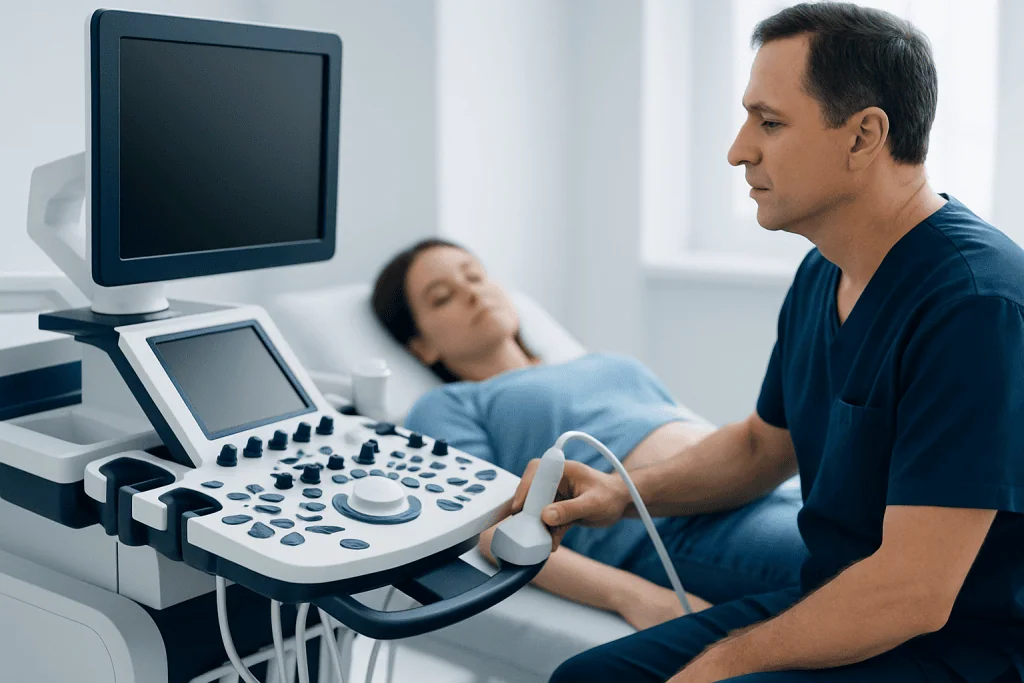
Imaging can help when a structural pancreatic problem is suspected. A clinician may recommend an abdominal ultrasound, CT, MRI, or endoscopic assessment to look for evidence of chronic pancreatic disease, blockage, inflammation, or masses. In patients with more complex symptoms, a broader gastroenterology evaluation may be helpful.
Because EPI overlaps with many other digestive disorders, diagnosis is often about combining clues rather than relying on a single symptom. The most reliable approach is to assess symptoms, nutritional status, stool testing, and the possibility of an underlying pancreatic condition together.
Treatment Options and Day-to-Day Management
The main treatment for EPI is pancreatic enzyme replacement therapy, often called PERT. These prescribed enzymes help digest food more effectively and are usually taken with meals and snacks. When the treatment is matched well to the person’s eating pattern, symptoms such as greasy stools, bloating, and weight loss often improve significantly.
Nutrition is another key part of care. People with EPI may need support to maintain weight, rebuild nutrient stores, and correct vitamin deficiencies. A doctor or dietitian may recommend a balanced eating plan, attention to protein and calorie intake, and monitoring of fat-soluble vitamins. In some cases, acid-reducing medicines are used if stomach acid may be interfering with enzyme function.
Treatment also includes addressing the underlying cause. Someone with chronic pancreatic inflammation may need ongoing follow-up and symptom control, while another person may need testing and management for celiac disease, diabetes, or post-surgical digestive changes. For pancreatic disease that requires procedural or surgical care, options may be discussed within a specialized pancreas care program.
Persistent abdominal pain, unclear imaging findings, or concern about more serious pancreatic disorders may lead to additional specialist input, sometimes including oncology assessment when clinically appropriate. Treatment plans are individualized, and people should not start supplements or major dietary restrictions without medical guidance.
Prevention, Self-Care, and Living Well With EPI
Not every cause of EPI can be prevented, but some steps may lower the risk of worsening symptoms and support better digestion. Avoiding smoking and limiting alcohol are important for pancreatic health. Eating regular meals rather than very large meals may also help some people feel more comfortable, especially while treatment is being adjusted.
Good self-care begins with noticing patterns. Keeping track of symptoms, stool changes, foods that seem to trigger flare-ups, and any weight loss can make medical visits more productive. This information helps clinicians tell the difference between occasional indigestion and symptoms that suggest pancreatic enzyme deficiency.
People already diagnosed with EPI often do best when they take enzymes exactly as instructed with meals and snacks. Skipping doses, taking them too early or too late, or stopping them when symptoms improve can allow symptoms to return. Follow-up is also important so doctors can reassess nutrition, vitamin levels, and overall response to treatment.
Near the end of evaluation or treatment planning, some patients benefit from care in a center that brings together gastroenterology, nutrition, imaging, and pancreatic specialists. Acibadem International’s multidisciplinary teams in JCI-accredited hospitals diagnose and treat pancreatic and digestive conditions for international patients when this level of coordinated care is needed.
When to Seek Medical Care
Medical review is advisable if digestive symptoms last more than a few weeks, keep returning, or interfere with daily life. Oily stools, unexplained weight loss, persistent diarrhea, increasing fatigue, or signs of vitamin deficiency are all good reasons to arrange an appointment. These symptoms do not always mean EPI, but they do deserve proper assessment.
More urgent medical attention may be needed for severe abdominal pain, repeated vomiting, dehydration, black or bloody stools, jaundice, or rapid, unexplained weight loss. These are not typical day-to-day EPI symptoms and may point to another condition that needs prompt evaluation.
People with known pancreatic disease, a history of pancreatic surgery, cystic fibrosis, or recurrent pancreatitis should mention any new changes in digestion early. Early recognition can help prevent further nutritional decline and improve symptom control.
It is also reasonable to seek care if symptoms continue despite treatment. Ongoing symptoms may mean the diagnosis needs review, the treatment plan needs adjustment, or another digestive disorder is present alongside EPI.
Frequently asked questions
What are the first signs of EPI?
Early EPI symptoms often include bloating, gas, loose stools, and changes in stool appearance after meals. Many people also notice stools that float, look greasy, or are difficult to flush. Over time, weight loss or fatigue may appear if nutrient absorption becomes poor.
Can EPI symptoms come and go?
Yes, symptoms can vary from day to day and may seem worse after large or high-fat meals. They can also fluctuate depending on the underlying pancreatic condition and whether treatment is being taken correctly. Even if symptoms are not constant, recurring patterns should be discussed with a doctor.
Is EPI the same as IBS?
No, EPI and irritable bowel syndrome are different conditions, although they can share symptoms such as bloating, abdominal discomfort, and altered bowel habits. EPI is caused by a shortage of digestive enzymes from the pancreas and can lead to malabsorption and vitamin deficiencies. A medical evaluation helps distinguish between them.
Do EPI symptoms always include pain?
Not always. Some people mainly have bowel changes, gas, and weight loss without significant pain. Others may have discomfort because of the underlying cause, such as chronic pancreatitis, rather than EPI itself.
What foods tend to trigger EPI symptoms?
High-fat or very large meals often make symptoms more noticeable because fat is harder to digest without enough pancreatic enzymes. Fried foods, rich desserts, heavy sauces, and full-fat dairy may worsen bloating or greasy stools in some people. A doctor or dietitian can help tailor food choices without making the diet unnecessarily restrictive.
Can EPI cause vitamin deficiency?
Yes, EPI can reduce absorption of fat-soluble vitamins such as A, D, E, and K. Over time, this may contribute to fatigue, easy bruising, bone weakness, or other nutrition-related problems. That is one reason ongoing medical follow-up is important.
References
- National Institute of Diabetes and Digestive and Kidney Diseases
- American Gastroenterological Association
- National Pancreas Foundation
- Merck Manual Consumer Version
- Cystic Fibrosis Foundation
This article is for general information only and is not a substitute for professional medical advice. Please consult a qualified doctor about your individual situation.
Medical weight-loss options in Turkey — costs & eligibility
JCI-accredited · board-certified surgeons · reply within 24h
Add us as a Preferred Source to see more of our trusted health content across Google Search, AI Overviews and Discover.