Etoposide Chemo: How It Works, Results and What to Expect

Etoposide works by blocking an enzyme cancer cells need to copy and repair their DNA. It is used for several cancers, commonly alongside other chemotherapy medicines and sometimes radiation or immunotherapy.
Key Takeaways
- Etoposide works by blocking an enzyme cancer cells need to copy and repair their DNA.
- It is used for several cancers, commonly alongside other chemotherapy medicines and sometimes radiation or immunotherapy.
- Treatment is delivered in cycles, with rest periods that allow healthy tissues and blood counts to recover.
- Common side effects include low blood counts, fatigue, nausea, mouth soreness and hair loss, but experiences vary.
- Regular blood tests and contact with the oncology team help treatment remain as safe and effective as possible.
Etoposide chemo is a cytotoxic cancer medicine that interferes with cancer cells as they divide, helping to slow or stop tumour growth. It may be given by vein or taken by mouth, often as part of a combination treatment plan tailored to the cancer type and a person’s overall health.
Overview: What Is Etoposide Chemo?
Etoposide chemo is a chemotherapy medicine used to treat certain types of cancer. It is also called etoposide phosphate in one intravenous formulation. Etoposide is most often used as one part of a combination regimen, meaning it is given with other anticancer medicines because treatments can work better together than alone for many cancers.
Doctors may use etoposide for cancers such as small-cell lung cancer, testicular cancer, some lymphomas and leukaemias, and selected childhood cancers. Its role depends on the exact diagnosis, cancer stage, previous treatment, laboratory results and the person’s treatment goals. An oncology team can explain why etoposide has been recommended in an individual plan.
Chemotherapy affects rapidly dividing cells. This includes cancer cells, but it can also affect healthy cells in the bone marrow, digestive tract and hair follicles. This explains why chemotherapy can cause side effects; however, supportive care and careful monitoring can help manage many of them.
How Etoposide Works Against Cancer
For people asking, “etoposide how does it work?”, etoposide belongs to a group of medicines called topoisomerase II inhibitors. Topoisomerase II is an enzyme cells use to untangle, copy and repair DNA during cell division. Etoposide interferes with this process, causing DNA damage that cancer cells may be unable to repair.
When cancer cells cannot correctly manage their DNA, they may stop dividing or die. Because cancers differ in their biology, response to etoposide is not identical for every person. It may shrink a cancer, slow its growth, lower the chance of recurrence in specific settings, or help control symptoms, depending on the overall treatment purpose.
Etoposide is not usually viewed in isolation. The oncology team considers scans, pathology findings, blood tests and symptoms over time to determine whether a treatment combination is providing benefit. Some people receive chemotherapy before surgery or radiation, while others receive it after local treatment or for cancer that has spread.
Who May Be Offered Etoposide?

Etoposide may be considered when a cancer type is known to respond to it and when the expected benefits outweigh possible risks. In small-cell lung cancer, for example, it is commonly combined with a platinum-based chemotherapy medicine and may also be used alongside other systemic treatments. In testicular cancer, it can be included in established curative treatment regimens.
Before treatment, clinicians review kidney and liver function, full blood count results, current medicines, allergies, infection history and any previous cancer therapy. They also discuss pregnancy and fertility considerations. Etoposide can harm a developing fetus, so people who could become pregnant or father a child should discuss reliable contraception and family-planning options with their care team.
Age alone does not determine candidacy. Rather, clinicians assess a person’s functional status, other health conditions, organ function and personal priorities. If standard treatment needs adjustment, the team may alter the schedule, reduce a dose, provide additional supportive medicines or consider a different approach.
How Is Etoposide Administered?
Etoposide how administered depends on the treatment regimen. It may be given as an intravenous infusion in a chemotherapy unit, hospital or outpatient clinic. It can also be prescribed as capsules taken by mouth in certain situations. The medicine should be taken exactly as instructed, and oral capsules should not be opened, crushed or handled more than necessary.
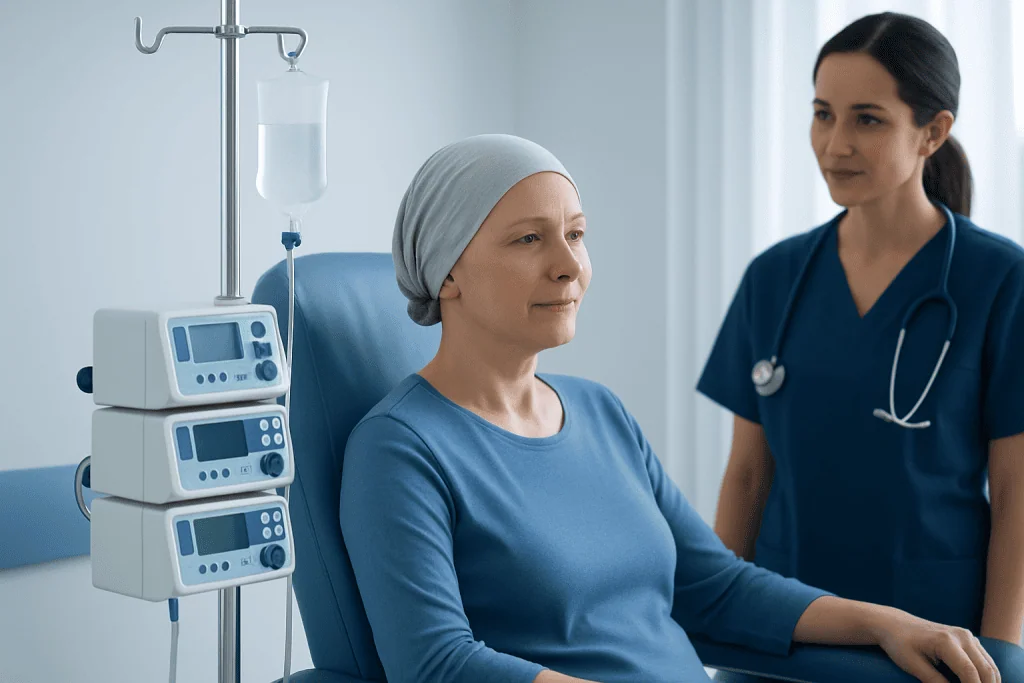
For an infusion, a nurse checks the person’s identity, treatment plan, recent blood test results and symptoms before treatment begins. Etoposide is infused slowly because rapid administration can lower blood pressure. During the infusion, staff monitor for dizziness, rash, breathing changes or other signs of an infusion reaction, although serious reactions are uncommon.
Many regimens give etoposide on consecutive days, followed by a planned rest period. This pattern is called a cycle. The exact appointment schedule varies widely according to the cancer and accompanying medicines. Patients should ask their oncology team for a written treatment calendar, including blood-test dates and instructions for medicines taken at home.
It can help to bring a list of medicines, water, a light snack if permitted, and something to pass the time during infusion visits. Patients should inform staff about new symptoms, recent illness, difficulty eating or drinking, or any concern about their intravenous line before treatment starts.
Etoposide How Long: Cycles, Monitoring and Recovery
There is no single answer to “etoposide how long?” An infusion may take several hours depending on the prescribed formulation and protocol, while a full treatment course usually involves several cycles over weeks or months. Rest periods between cycles are important because they allow blood cells and other healthy tissues to recover.
Before each cycle, the team typically performs a full blood count and may check kidney and liver function. If white blood cells, platelets or red blood cells are too low, treatment may be delayed or adjusted. Imaging tests, tumour markers and clinical examinations may be scheduled at specific points rather than after every treatment visit.
Recovery between cycles varies. Some side effects, such as nausea or tiredness, can occur in the first few days after treatment. Low white blood cell counts often become more pronounced around one to two weeks after chemotherapy, although timing differs between regimens. Energy, appetite and blood counts commonly improve during the recovery period, but fatigue may build over successive cycles.
People should not judge treatment success only by how they feel from day to day. Symptoms and side effects may fluctuate, and improvement or worsening does not always match changes seen on scans or blood tests. The oncology team is the best source for interpreting treatment response.
Benefits, Risks and Etoposide Chemo Care
The potential benefit of etoposide is cancer control in a setting where the medicine is appropriate. Depending on the diagnosis, this may mean aiming to cure cancer, reduce the risk of cancer returning, shrink tumours before another treatment, or control cancer and symptoms. The expected aim should be discussed clearly before treatment begins.
Common side effects may include tiredness, nausea, vomiting, appetite changes, diarrhoea or constipation, mouth soreness, temporary hair loss and low blood counts. Low white blood cells can increase infection risk, low platelets can make bruising or bleeding more likely, and low red blood cells can contribute to fatigue or breathlessness. The team may prescribe anti-sickness medicine and other supportive treatments when needed.
Good etoposide chemo care includes taking prescribed medicines as directed, keeping blood-test and treatment appointments, drinking fluids if the care team has not advised a restriction, and maintaining gentle activity as tolerated. Eating small, frequent meals may be easier during periods of nausea or poor appetite. A dietitian can provide individual guidance when weight loss or eating difficulties develop.
Less common but important risks can include an allergic or infusion reaction, significant infection, serious bleeding, liver problems, and a rare risk of treatment-related blood cancer occurring later. These risks should be understood in context: the oncology team weighs them against the possible benefits and follows patients closely throughout treatment.
- Ask before taking vitamins, herbal products or over-the-counter medicines, as some may interact with treatment.
- Use a soft toothbrush and electric razor if platelet counts are low or bleeding is a concern.
- Wash hands regularly and avoid close contact with people who have contagious illnesses when blood counts are low.
- Tell the care team promptly about persistent vomiting, diarrhoea, mouth sores or difficulty drinking fluids.
Is Etoposide a Strong Chemo?
Etoposide is a potent chemotherapy medicine, but “strong” is not a precise medical term. Its effects and side effects depend on the dose, treatment schedule, other medicines used with it, the cancer being treated and the individual’s health. A medicine can be effective without every person experiencing the same degree of side effects.
Like other cytotoxic chemotherapy medicines, etoposide can significantly lower blood counts and therefore requires regular monitoring. It is routinely used by experienced oncology teams with established safety protocols. If side effects become difficult, this does not mean treatment has failed; clinicians can often offer supportive care, adjust timing or reassess the treatment plan.
Patients may find it useful to ask what side effects are most likely with their specific combination regimen, when they tend to occur, and which symptoms require an urgent call. Written instructions and a direct contact number for the oncology service are important parts of safe chemotherapy care.
What Are Some Signs That Chemotherapy Is Working?
Possible signs that chemotherapy is working can include improvement in cancer-related symptoms, such as less pain, easier breathing, reduced swelling or improved appetite. However, these changes are not reliable on their own. Some cancers cause few symptoms, and treatment side effects can temporarily make a person feel worse even when the cancer is responding.
The most dependable assessment uses planned medical follow-up. This may include imaging scans, physical examination, blood tests and tumour markers for selected cancers. Doctors compare results with the baseline before treatment and consider the whole clinical picture rather than relying on a single test.
Hair loss, nausea, fatigue or low blood counts are not signs that chemotherapy is working. They are effects on healthy, fast-growing cells and do not measure cancer response. Patients should raise any worry about progress with their oncology team rather than waiting for the next routine visit.
How Many Rounds of Etoposide Can You Have?
The number of etoposide rounds, also called cycles, depends on the cancer type and treatment goal. Some curative regimens use a defined number of cycles, while treatment for advanced cancer may continue for a planned period or until there is evidence that it is no longer beneficial, side effects become unacceptable, or a different approach is needed.
A cycle is not the same as one infusion. A single cycle may include etoposide on several days and may also include other medicines. The interval before the next cycle is built into the regimen and is adjusted when necessary for low blood counts, infection, organ-function changes or other safety concerns.
It is important not to compare cycle numbers with another person’s experience. Even for the same cancer, treatment plans can differ according to stage, prior therapy and individual tolerance. The treating oncologist can explain the intended number of cycles and the criteria used to decide whether to continue, pause or change treatment.
Do You Lose Hair With Etoposide?
Hair loss can occur with etoposide, especially when it is used with other chemotherapy medicines that also affect hair follicles. It may involve thinning or complete loss of scalp hair and can sometimes affect eyebrows, eyelashes and body hair. The degree of hair loss is variable and cannot be predicted exactly for one individual.
When hair loss occurs, it often begins two to three weeks after starting treatment. Hair generally starts to regrow after chemotherapy has ended, although the colour or texture may initially be different. A nurse can discuss practical options, including scalp care, head coverings, wigs and support services.
People may choose to cut their hair short before treatment or wait to see what happens; there is no right choice. Gentle hair care, avoiding harsh chemical treatments and using a soft brush can make the scalp more comfortable. Sun protection is also helpful if the scalp is exposed.
When to Seek Medical Care
Patients receiving etoposide should use the emergency contact instructions provided by their oncology unit. Fever can be an early sign of infection when white blood cell levels are low. A temperature of 38°C (100.4°F) or higher, or the threshold specified by the treatment team, requires urgent medical advice even if the person otherwise feels well.
Urgent assessment is also needed for chills, new cough or shortness of breath, chest pain, confusion, severe weakness, uncontrolled vomiting or diarrhoea, inability to drink fluids, unusual bleeding, black stools, blood in urine, or a widespread rash or swelling. Patients should not take medicines to mask a fever before speaking with their oncology service unless they have been advised to do so.
For non-urgent but persistent concerns, such as worsening tiredness, mouth sores, constipation, appetite changes, numbness, sleep problems or emotional distress, contacting the cancer care team early can help prevent symptoms from becoming more difficult. Acibadem International’s multidisciplinary specialists and JCI-accredited hospitals diagnose and treat cancer for international patients, with care plans coordinated across relevant clinical teams.
Frequently asked questions
Can etoposide be given at home?
Oral etoposide capsules may sometimes be taken at home, but only under the oncology team’s instructions. Intravenous etoposide is usually administered in a clinical setting where staff can monitor the infusion and manage reactions. Patients should follow safe handling and storage guidance for oral chemotherapy.
Should etoposide be taken with food?
Instructions can vary by formulation and treatment plan. Patients should follow the directions on their prescription and ask their pharmacist or oncology nurse if they are unsure. Capsules should be swallowed whole and should not be crushed or opened.
Can I work during etoposide chemotherapy?
Some people continue working during treatment, sometimes with reduced hours or adjustments, while others need more time away. Fatigue, appointments, infection risk and the physical demands of work all matter. Discussing work plans with the oncology team can help patients make a practical and safe decision.
How can infection risk be reduced during etoposide treatment?
Frequent handwashing, avoiding close contact with people who are ill, practising food safety and promptly reporting fever are helpful measures. The care team may give additional precautions based on blood-count results. Patients should ask before receiving vaccines during chemotherapy.
Can etoposide affect fertility?
Etoposide and other chemotherapy medicines may affect fertility in some people. The risk depends on age, sex, treatment dose, other therapies and the underlying cancer. Fertility preservation options may be available before treatment, so this should be discussed with the oncology team as early as possible.
What happens if a blood test shows low counts before treatment?
The oncology team may repeat the test, delay treatment briefly, change the schedule or provide supportive treatment depending on the results and the overall plan. This is a common safety step and does not necessarily mean that treatment will stop permanently. Patients should not attend for chemotherapy if they feel unwell without first contacting the treatment unit.
References
- National Cancer Institute
- American Cancer Society
- MedlinePlus
- European Medicines Agency
- Macmillan Cancer Support
This article is for general information only and is not a substitute for professional medical advice. Please consult a qualified doctor about your individual situation.
Hair transplant in Turkey — costs, graft counts & a free assessment
JCI-accredited · board-certified surgeons · reply within 24h
Add us as a Preferred Source to see more of our trusted health content across Google Search, AI Overviews and Discover.
Check your numbers in seconds
BMI, calories, due date, blood pressure and 30+ more clinical calculators — free, instant, doctor-reviewed ranges.