Fat Loss Vibration Plate: An Evidence-Based Guide for Patients
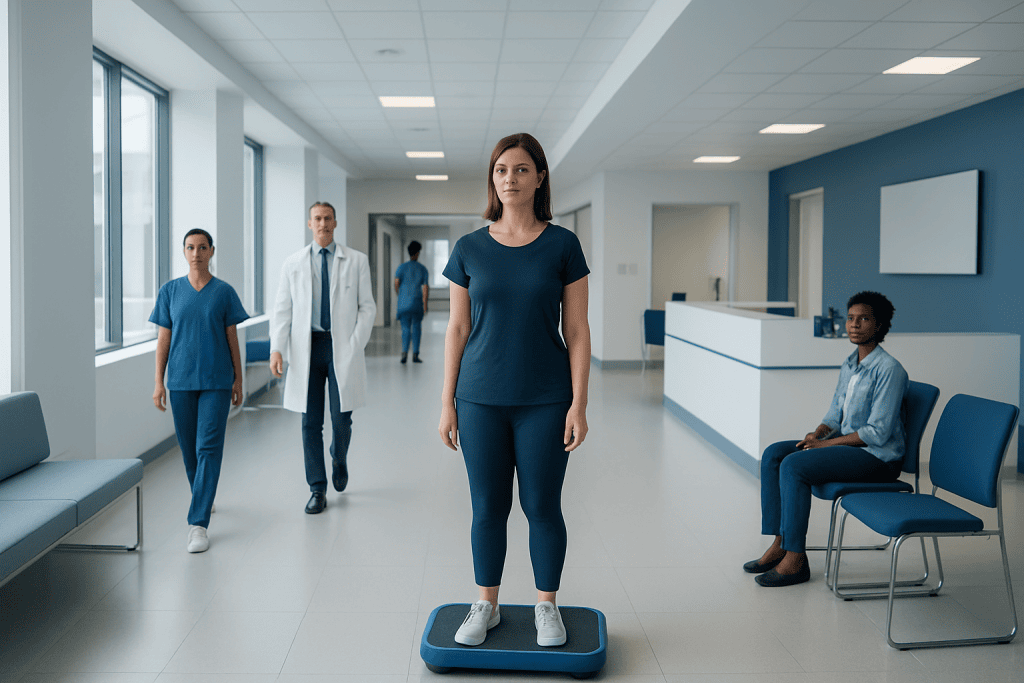
A fat loss vibration plate is not a stand-alone fat-reduction treatment. Whole-body vibration may slightly improve muscle activity, balance, and exercise tolerance in some people.
Key Takeaways
- A fat loss vibration plate is not a stand-alone fat-reduction treatment.
- Whole-body vibration may slightly improve muscle activity, balance, and exercise tolerance in some people.
- Meaningful fat loss still depends mainly on calorie balance, physical activity, sleep, and long-term habits.
- People with certain medical conditions, pregnancy, recent surgery, or implanted devices should seek medical advice before use.
- Persistent weight gain or difficulty losing weight may sometimes relate to underlying conditions that need assessment.
A fat loss vibration plate may modestly support activity, muscle engagement, and adherence to exercise, but it does not directly remove body fat on its own. For most people, the best results come when whole-body vibration is used alongside regular exercise, nutrition changes, and medical guidance when needed.
Overview: can a fat loss vibration plate help?
A fat loss vibration plate can be a useful tool for some patients, but it is not a shortcut to fat reduction. Current evidence suggests that whole-body vibration may provide small benefits for muscle activation, balance, and exercise participation, especially in people who are sedentary, older, or unable to tolerate higher-impact activity. However, vibration alone is unlikely to cause substantial fat loss without broader lifestyle changes.
In practical terms, a vibration plate may help some people move more consistently or add variety to a supervised fitness plan. That can support weight management over time, but the main drivers of fat loss remain nutrition, total physical activity, sleep, stress management, and treatment of any underlying medical issues.
Patients often ask whether standing on a vibration plate “melts fat.” It does not. Fat is reduced when the body uses more energy than it takes in over time, and when a person can sustain healthy habits. A vibration platform may complement this process, but it does not replace walking, strength training, or a medically guided weight-loss strategy.
How vibration plates work in the body
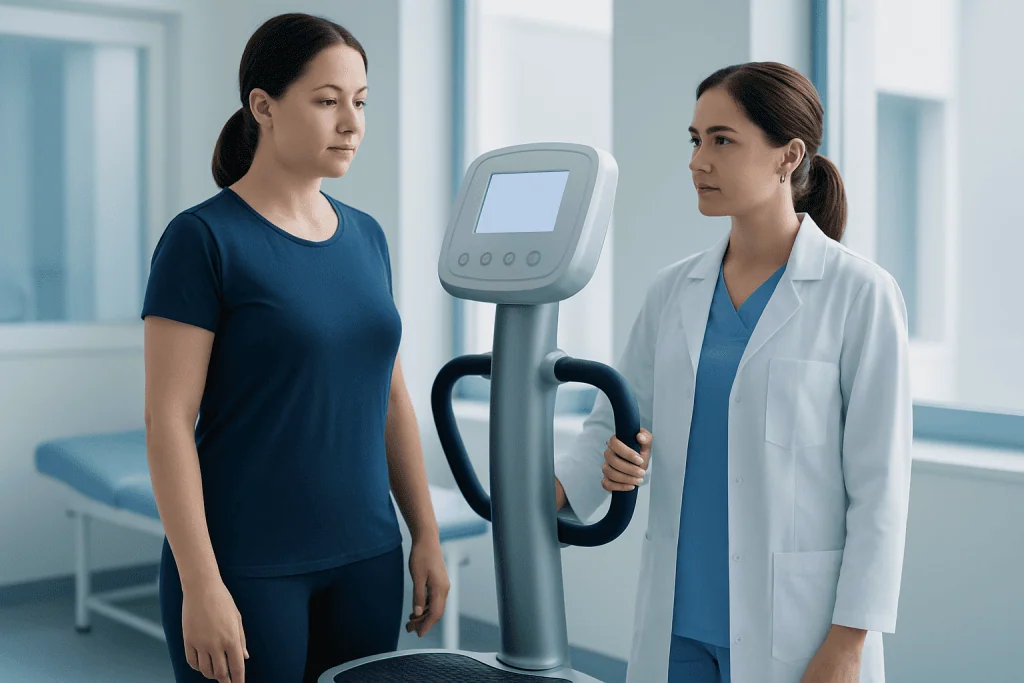
Vibration plates create rapid mechanical oscillations that pass through the body while a person stands, sits, or performs simple exercises on the platform. These small vibrations can trigger repeated muscle contractions, particularly in the legs and core. Because of this, whole-body vibration is sometimes used in rehabilitation, fitness, and supportive exercise programs.
The physiologic effects may include increased muscle engagement, mild increases in heart rate, and improved neuromuscular coordination. Some users also report that brief sessions feel easier than conventional workouts, which may improve adherence in people who find standard exercise difficult to start.
Even so, the amount of energy used during vibration sessions is usually modest. Most devices do not create the same cardiovascular or metabolic demand as brisk walking, cycling, or resistance training. For that reason, vibration plates are better viewed as an adjunct rather than a primary weight-loss method.
Different machines vary widely in frequency, amplitude, and stability. These differences matter because they influence how intense the session feels and how much load reaches the joints and muscles. A qualified clinician or physiotherapist can help determine whether a device is appropriate for a patient’s health status and goals.
What the evidence says about fat loss and body composition

Research on vibration plates and body composition is mixed. Some studies suggest small improvements in muscle strength, mobility, or waist measurements when whole-body vibration is combined with diet or exercise. However, evidence for meaningful stand-alone fat loss is limited, and results vary depending on the population studied, the device used, and the overall program.
Patients should be cautious about claims that vibration plates can target belly fat or produce rapid weight loss. Spot reduction is not supported by medical evidence. The body loses fat systemically, and the pace of change is usually gradual. Any benefit from vibration is more likely to come from supporting an active routine than from a direct fat-burning effect.
For some individuals, the most realistic value of a vibration plate is that it may make low-impact movement easier to begin. This can be relevant after periods of inactivity or in people with obesity-related joint discomfort. If a vibration plate helps a person stay consistent with movement, that can indirectly support long-term weight control.
When weight is difficult to manage despite effort, it may be sensible to assess for contributors such as obesity, hormonal conditions, poor sleep, medication effects, or limited mobility. In those cases, device-based exercise should be part of a broader medical evaluation rather than the only strategy.
Who may benefit most and who should be careful
A vibration plate may be most helpful for people who need a low-impact starting point. This can include older adults, people returning to movement after inactivity, or those who are building confidence with supervised exercise. It may also be useful as an addition to strength or balance training under professional guidance.
People who already exercise regularly can use vibration platforms to vary their routine, but they should not expect them to outperform conventional training for fat loss. Walking, resistance training, and structured aerobic exercise still have stronger evidence for reducing body fat and improving cardiometabolic health.
Some patients should use caution or avoid vibration plates unless cleared by a doctor. This includes people who are pregnant, have severe osteoporosis, a recent fracture, a recent surgery, acute hernia symptoms, uncontrolled cardiovascular disease, significant vertigo, active blood clots, or implanted medical devices such as some pacemakers. Patients with chronic pain or neurologic conditions may also need individualized advice.
If weight management is affected by severe obesity or obesity-related complications, a structured medical approach may help more than home devices alone. Depending on the situation, this might include nutrition therapy, exercise planning, medication review, or evaluation for bariatric surgery as part of comprehensive care.
How to use a vibration plate safely and realistically
For patients who want to try a vibration plate, starting gradually is important. Short, low-intensity sessions are generally more appropriate at first than long or aggressive routines. Simple positions such as standing with slight knee bend or doing supervised basic movements can reduce strain compared with more advanced exercises.
Good posture matters. Locking the knees, leaning awkwardly, or using the platform on an unstable surface may increase discomfort. Supportive footwear, hand support when needed, and careful attention to dizziness, numbness, or pain can make use safer.
It is also important to set realistic expectations. A vibration plate may support a program, but it should sit within a broader plan that includes:
- Regular walking or other aerobic activity
- Strength training suited to fitness level
- A balanced eating pattern that supports a calorie deficit when weight loss is the goal
- Adequate sleep and stress management
- Follow-up with a healthcare professional if progress is unexpectedly poor
People with joint pain, reduced mobility, or deconditioning may benefit from working with a rehabilitation or exercise specialist. In some cases, other treatments such as physical therapy and rehabilitation may be more suitable for building safe function before adding vibration-based exercise.
Medical assessment, diagnosis, and evidence-based weight-loss options
When a patient is struggling with weight, the most helpful next step is often a medical review rather than another device. Clinicians may assess body mass index, waist circumference, eating habits, physical activity, sleep quality, medications, and family history. They may also look for conditions that can affect weight, such as thyroid disease, insulin resistance, depression, or sleep apnea.
Tests are not always necessary, but some patients may need blood work or other assessments based on symptoms and risk factors. This is especially relevant when weight gain is sudden, accompanied by fatigue, menstrual changes, swelling, or other signs of an underlying disorder.
Evidence-based treatment options for weight management vary by individual needs and medical history. They may include a structured nutrition plan, behavior-change support, supervised exercise, treatment for associated conditions, anti-obesity medications, or procedural approaches in selected cases. Patients with metabolic risk factors may also need evaluation for related problems such as type 2 diabetes.
For people with significant excess weight or obesity-related disease, more intensive care may be appropriate. This can include specialist assessment for obesity surgery or coordinated long-term management through endocrinology, nutrition, and rehabilitation services. Acibadem International’s multidisciplinary specialists and JCI-accredited hospitals diagnose and treat weight-related conditions for international patients when advanced assessment is needed.
Self-care strategies that matter more than the device
Patients often focus on finding the right tool, but long-term fat loss usually depends more on consistent routines than on any single product. A practical eating pattern with appropriate portion sizes, regular meals, and fewer ultra-processed foods generally has a much greater effect on body fat than passive exercise devices.
Strength training is especially valuable because it helps preserve or build muscle while losing weight. Aerobic activity improves heart health and energy use. Together, these approaches usually provide more reliable benefits than vibration sessions alone, though a vibration plate can still have a place if it helps with motivation or accessibility.
Behavioral habits also matter. Keeping a simple food or activity log, planning meals, reducing sedentary time, and aiming for steady sleep can support better outcomes. Extreme diets and unrealistic promises often lead to short-term results followed by regain.
If a person experiences barriers such as binge eating, emotional eating, chronic pain, or severe fatigue, medical or psychological support may be more valuable than adding more equipment. A sustainable plan should fit the individual’s daily life, health status, and preferences.
When to seek medical care
Most people do not need urgent medical attention before trying gentle exercise, but they should seek medical advice if they have known heart disease, dizziness, balance problems, severe osteoporosis, recent surgery, pregnancy, or an implanted medical device. A clinician can help decide whether vibration-based exercise is safe and whether another approach would be better.
Medical review is also important when weight gain is unexplained, rapid, or associated with symptoms such as swelling, shortness of breath, chest pain, menstrual changes, excessive daytime sleepiness, persistent fatigue, or depression. These signs can point to conditions that need diagnosis rather than a fitness workaround.
People should stop using a vibration plate and seek care if it causes significant pain, numbness, severe headache, fainting, palpitations, or worsening joint symptoms. These are not expected benefits and should be assessed promptly.
If a patient has tried diet and exercise consistently without progress, professional support may help identify barriers and safer treatment options. Early guidance can prevent frustration and support a more effective long-term plan.
Frequently asked questions
Does a fat loss vibration plate really burn fat?
A vibration plate may increase muscle activity and slightly raise energy use, but it does not directly melt or dissolve fat. Most meaningful fat loss still depends on sustained nutrition changes, regular exercise, and overall health management.
Can someone lose belly fat by standing on a vibration plate?
No device can reliably target fat loss from just one area of the body. Belly fat usually decreases as overall body fat decreases through a consistent calorie deficit, physical activity, and treatment of any contributing medical issues.
How should a beginner use a vibration plate?
Beginners should start with short, low-intensity sessions and simple positions, ideally after reading the device instructions and confirming it is safe for them. People with medical conditions or limited mobility should ask a doctor or physiotherapist before beginning.
Is a vibration plate better than walking or strength training?
For fat loss and overall health, walking and strength training have stronger evidence and wider benefits. A vibration plate may be a useful supplement, especially for low-impact movement, but it is not generally a better substitute.
Who should avoid using a vibration plate?
People who are pregnant, have recent fractures or surgery, severe osteoporosis, active blood clots, certain implanted devices, or uncontrolled heart problems should seek medical advice before use. Anyone who develops pain, dizziness, or palpitations during use should stop and be assessed.
What if a person cannot lose weight despite trying exercise devices and dieting?
Difficulty losing weight can sometimes relate to sleep problems, medications, hormonal issues, mental health, or underlying metabolic conditions. A medical evaluation can help identify these factors and guide more effective treatment.
References
- World Health Organization
- Centers for Disease Control and Prevention
- National Institute of Diabetes and Digestive and Kidney Diseases
- American College of Sports Medicine
- National Health Service
This article is for general information only and is not a substitute for professional medical advice. Please consult a qualified doctor about your individual situation.
Medical weight-loss options in Turkey — costs & eligibility
JCI-accredited · board-certified surgeons · reply within 24h
Check your numbers in seconds
BMI, calories, due date, blood pressure and 30+ more clinical calculators — free, instant, doctor-reviewed ranges.