Fibroscan: A Complete Medical Overview
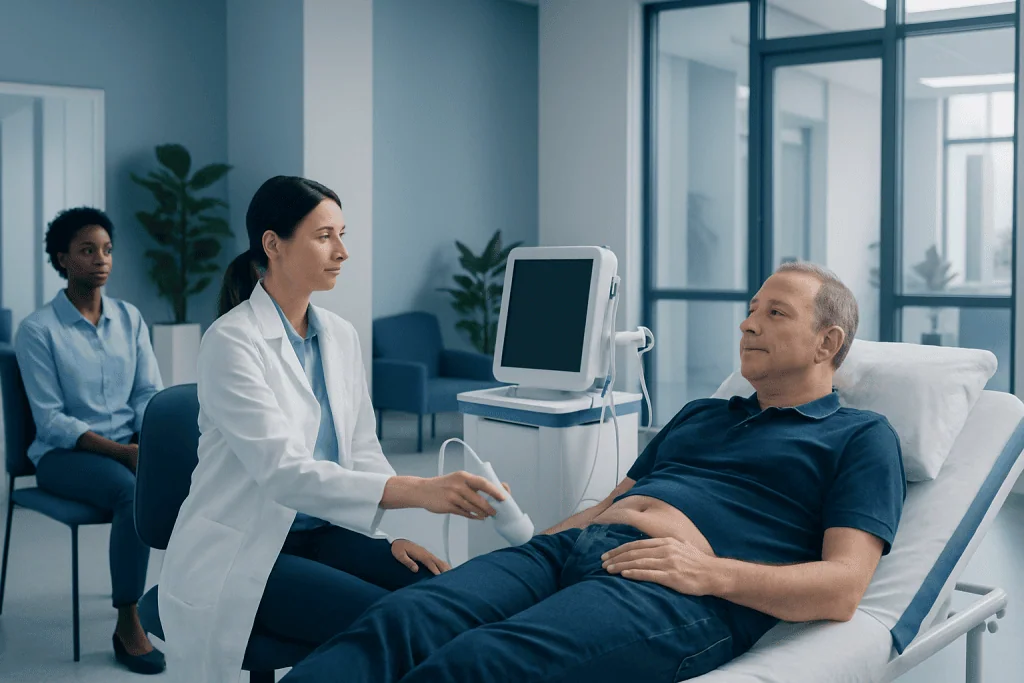
Fibroscan is a quick, painless test used to evaluate liver stiffness and often liver fat. It does not usually require sedation, needles into the liver, or recovery time.
Key Takeaways
- Fibroscan is a quick, painless test used to evaluate liver stiffness and often liver fat.
- It does not usually require sedation, needles into the liver, or recovery time.
- Higher stiffness values can suggest fibrosis or cirrhosis, but results must be interpreted in context.
- Fibroscan is commonly used in fatty liver disease, viral hepatitis, alcohol-related liver disease, and other chronic liver conditions.
- The test is helpful for monitoring liver health over time, but it does not replace a full medical evaluation.
Fibroscan is a noninvasive liver test that uses ultrasound-based technology to measure liver stiffness and, in many cases, estimate liver fat. It helps doctors assess liver scarring and fatty liver disease without surgery, and the results are interpreted alongside blood tests, symptoms, and imaging.
Overview: what a Fibroscan is
Fibroscan is a specialized, noninvasive test that helps evaluate liver health by measuring how stiff the liver is. In simple terms, a stiffer liver may suggest scarring, also called fibrosis. Many Fibroscan devices can also estimate how much fat is present in the liver, which is useful when doctors are evaluating fatty liver disease.
The test is also known as transient elastography. It works differently from a standard ultrasound, even though it is performed with a probe placed on the skin over the liver. Instead of creating only pictures, it sends a small pulse through the liver and measures how quickly the wave travels. Faster wave speed generally means the liver tissue is stiffer.
Fibroscan has become widely used because it is fast, painless, and repeatable. It can often provide valuable information without the need for a liver biopsy. That said, it is not a stand-alone diagnosis. Doctors use Fibroscan together with medical history, physical examination, blood tests, and sometimes additional imaging or specialist assessment.
Why doctors recommend a Fibroscan
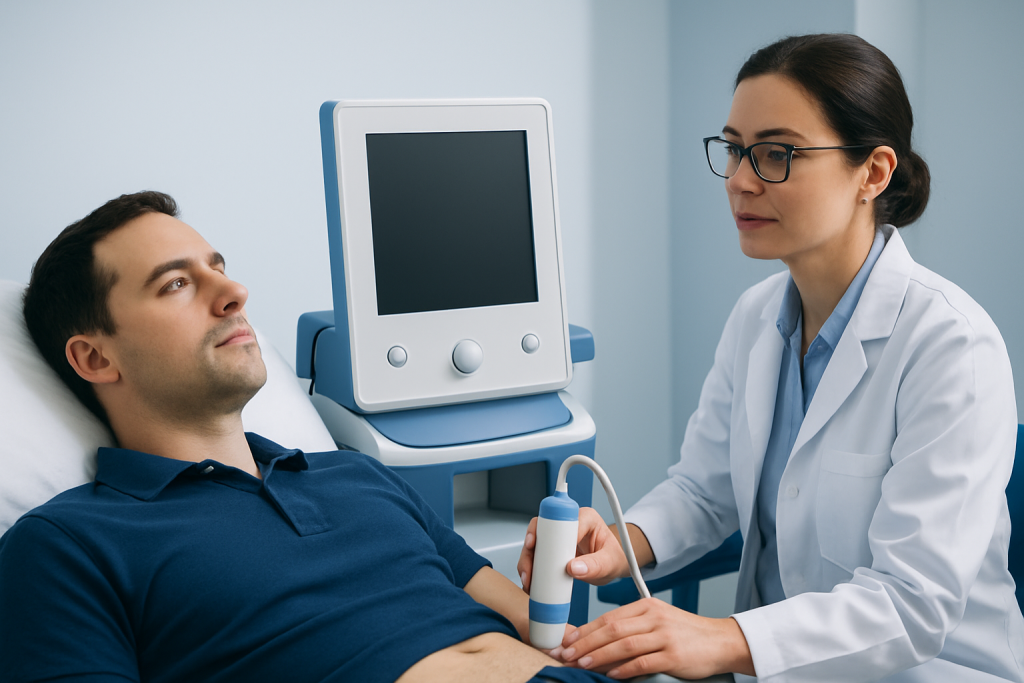
Doctors may recommend a Fibroscan when there is concern about chronic liver disease or when blood tests suggest liver inflammation or damage. It is especially helpful for estimating the degree of fibrosis in people with conditions that can gradually scar the liver over time.
Common reasons for a Fibroscan include suspected or known fatty liver disease, chronic hepatitis B or C, alcohol-related liver disease, autoimmune liver conditions, and long-term metabolic risk factors such as obesity or type 2 diabetes. It may also be used after abnormal liver enzyme results or when an ultrasound suggests fatty change in the liver.
Another important use is follow-up. Because the test is noninvasive, doctors may repeat it over time to see whether liver stiffness is stable, improving, or worsening. This can help guide treatment decisions and reinforce the importance of lifestyle changes, medications, or further evaluation.
How the test works and what to expect
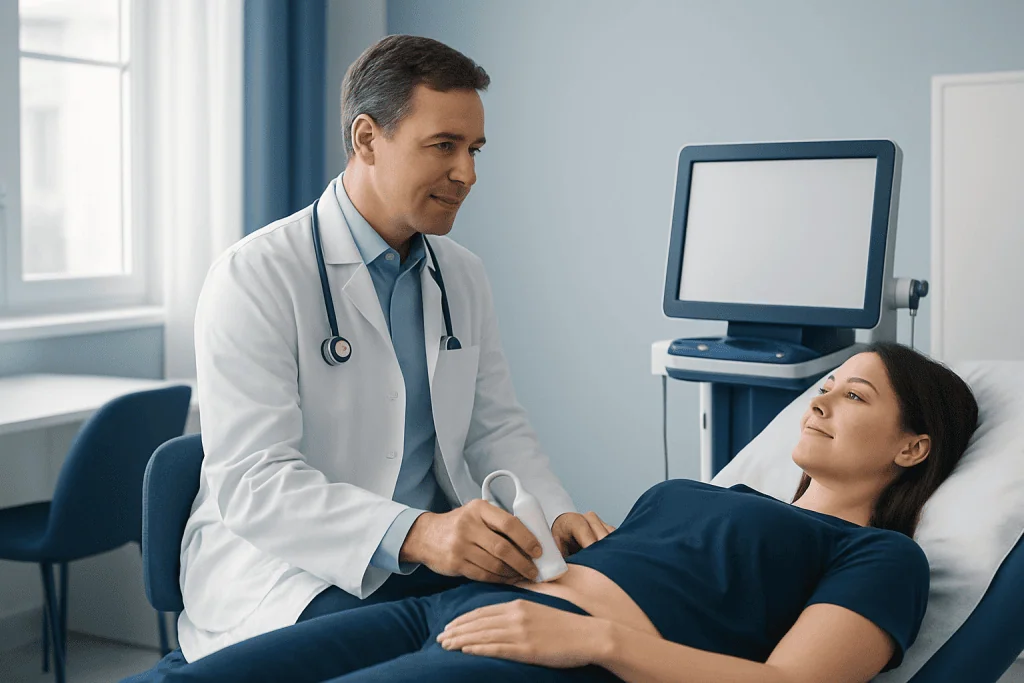
Fibroscan is usually done in an outpatient setting and often takes only a few minutes once the person is positioned. The patient typically lies on their back with the right arm raised behind the head to make the liver area easier to access. A trained professional places a probe between the ribs on the right side of the upper abdomen.
During the test, the probe sends gentle vibrations into the liver. Most people feel only a light tapping sensation on the skin. No incision is made, no tissue is removed, and sedation is not usually needed. Afterward, people can generally return to normal activities right away.
Preparation instructions may vary slightly by center, but fasting for a few hours is commonly advised because food intake can temporarily influence liver measurements. The test may be more difficult to perform or less reliable in some situations, such as significant obesity, narrow rib spaces, ascites, or if the person cannot remain in the required position. In those cases, the doctor may recommend alternative imaging or another way to assess the liver.
Understanding Fibroscan results
Fibroscan results are usually reported as liver stiffness measurements, often in kilopascals, and sometimes as a separate estimate of liver fat. In general, lower stiffness values are more reassuring, while higher values may suggest increasing fibrosis. However, there is no single result that tells the whole story for every person.
Interpretation depends on the underlying liver condition, the presence of inflammation, and the overall clinical picture. For example, active hepatitis, liver congestion, recent alcohol use, or cholestasis can temporarily increase stiffness even when permanent scarring is less advanced. This is one reason a doctor may correlate the findings with blood work, symptoms, and imaging.
When liver fat is being assessed, the result may help support a diagnosis of steatosis, but it still needs medical interpretation. If fibrosis appears advanced, the doctor may discuss further testing, specialist referral, surveillance for complications, or treatment options. If the results are mild or borderline, the next step may be repeat testing after lifestyle changes or treatment of the underlying cause.
Some people may need additional evaluation such as laboratory work, abdominal ultrasound, MRI-based liver assessment, or, less commonly, a biopsy. In selected cases, broader imaging such as MRI scanning or ultrasound evaluation may help answer questions that Fibroscan alone cannot fully resolve.
Who may benefit, and what the limits are
Fibroscan is particularly useful for people at increased risk of liver fibrosis. This includes those with overweight or obesity, metabolic syndrome, type 2 diabetes, elevated liver enzymes, chronic viral hepatitis, regular heavy alcohol use, or a family or personal history of liver disease. It can also be helpful in monitoring people already diagnosed with chronic liver conditions.
Even though Fibroscan is very helpful, it has limitations. It does not directly identify the exact cause of liver disease. It also does not replace the need for a full medical assessment, and it may be less accurate in certain situations. Temporary inflammation can raise stiffness values, while technical factors can sometimes make the readings less dependable.
In addition, Fibroscan cannot evaluate every liver problem. Focal liver lesions, bile duct disease, and some structural abnormalities may require other tests. If a doctor suspects advanced liver disease or a different liver condition, they may arrange further assessment with a gastroenterology or hepatology specialist and, when needed, a more comprehensive medical check-up.
Next steps after a Fibroscan
The next step depends on why the test was ordered and what it shows. If the results are normal or only mildly abnormal, the doctor may advise monitoring, repeat testing, and attention to modifiable risk factors. This often includes weight management, regular exercise, limiting or avoiding alcohol, and careful control of diabetes, cholesterol, or other metabolic conditions.
If the Fibroscan suggests significant fibrosis, treatment focuses on the underlying cause. For example, this may involve management of fatty liver disease, antiviral care for hepatitis, support for alcohol reduction, or treatment of autoimmune or cholestatic liver conditions. Blood tests may be repeated, and the person may be referred to a liver specialist for more detailed evaluation.
People with evidence of advanced fibrosis or cirrhosis may need long-term monitoring for complications. Depending on the case, this can include periodic blood work, imaging, and screening for conditions related to portal hypertension or liver cancer. If symptoms or findings suggest severe liver impairment, doctors may discuss higher-level care, including assessment by a liver transplant team in appropriate situations.
When to seek medical care
A Fibroscan itself is not an emergency test, but it is worth discussing with a doctor if liver blood tests are abnormal, an ultrasound suggests fatty liver, or there are ongoing risk factors such as obesity, diabetes, viral hepatitis, or regular alcohol use. Early assessment can help identify problems before significant scarring develops.
Medical care should be sought promptly if symptoms suggest more serious liver disease. These may include yellowing of the skin or eyes, swelling of the abdomen or legs, vomiting blood, black stools, unusual sleepiness, confusion, severe weakness, or persistent pain in the upper right abdomen. These symptoms need timely medical evaluation.
Even without symptoms, people with chronic liver conditions benefit from regular follow-up because liver disease can progress silently. Near the end of the care pathway, some patients may also value coordinated evaluation at centers experienced in liver diagnostics. Acibadem International’s multidisciplinary specialists and JCI-accredited hospitals diagnose and treat liver conditions for international patients when specialist assessment is needed.
Frequently asked questions
Is Fibroscan the same as a liver biopsy?
No. Fibroscan is a noninvasive test done through the skin, while a liver biopsy involves taking a small tissue sample with a needle. Fibroscan can often reduce the need for biopsy, but some people still need biopsy or other tests if the diagnosis is uncertain.
Does a Fibroscan hurt?
Fibroscan is usually painless. Most people notice only a light tapping or vibration on the skin during the test. There is normally no recovery time afterward.
How long does a Fibroscan take?
The scan itself is usually brief and often takes only several minutes. The total visit may be longer because of preparation, positioning, and result review. Many people can return to normal daily activities immediately.
Can Fibroscan diagnose fatty liver?
Fibroscan can help estimate liver fat and support the assessment of fatty liver disease. However, doctors usually interpret the result together with blood tests, medical history, and sometimes ultrasound or other imaging. It is part of the overall evaluation rather than a complete diagnosis by itself.
What can affect Fibroscan results?
Results may be influenced by active liver inflammation, recent food intake, alcohol use, liver congestion, or technical factors related to body shape or positioning. Because of this, a high result does not always mean permanent scarring to the same degree. A doctor considers the full clinical picture before drawing conclusions.
Who should consider asking about a Fibroscan?
People with abnormal liver enzymes, fatty liver on ultrasound, chronic hepatitis, obesity, type 2 diabetes, or regular heavy alcohol use may benefit from asking a doctor whether Fibroscan is appropriate. It is also useful for monitoring some chronic liver diseases over time. A healthcare professional can decide if it fits the individual situation.
References
- American Association for the Study of Liver Diseases
- European Association for the Study of the Liver
- National Institute of Diabetes and Digestive and Kidney Diseases
- World Health Organization
This article is for general information only and is not a substitute for professional medical advice. Please consult a qualified doctor about your individual situation.
Explore treatments in Turkey — costs, top hospitals & a free quote
JCI-accredited · board-certified surgeons · reply within 24h