Foot Problems — Explained by Medical Evidence, Not Myths

Foot problems are a broad group of conditions, not one single disease. Symptoms can include pain, swelling, stiffness, numbness, skin changes, nail changes, or trouble walking.
Key Takeaways
- Foot problems are a broad group of conditions, not one single disease.
- Symptoms can include pain, swelling, stiffness, numbness, skin changes, nail changes, or trouble walking.
- Causes range from footwear and overuse to arthritis, nerve disorders, diabetes, injury, and poor circulation.
- Early assessment helps prevent complications, especially for people with diabetes or reduced sensation.
- Treatment depends on the cause and may include footwear changes, exercises, medicines, orthotics, wound care, or surgery.
Foot problems are common and can affect the skin, nails, bones, joints, nerves, tendons, or circulation. Most foot problems improve with the right diagnosis and treatment, but ongoing pain, swelling, numbness, or wounds should be assessed by a qualified doctor.
Overview: What foot problems mean
Foot problems are conditions that affect the feet and make standing, walking, or daily activity uncomfortable or difficult. They may involve the skin, nails, muscles, tendons, ligaments, joints, bones, nerves, or blood vessels. Because the feet absorb body weight and repeated impact every day, even small changes in foot structure or function can lead to noticeable symptoms.
The term “foot problems” covers many different issues rather than one diagnosis. Examples include bunions, heel pain, corns and calluses, ingrown toenails, fungal infections, sprains, plantar fasciitis, flat feet, arthritis, nerve pain, and circulation-related problems. Some conditions start gradually from pressure or overuse, while others follow injury, infection, or an underlying medical condition.
Medical evidence shows that successful care depends on identifying the real cause rather than relying on myths, internet trends, or one-size-fits-all remedies. Pain is not always caused by “bad shoes” alone, and not every foot problem needs surgery. A careful evaluation helps distinguish minor self-limited issues from conditions that require specialist treatment.
Common symptoms and how they can appear
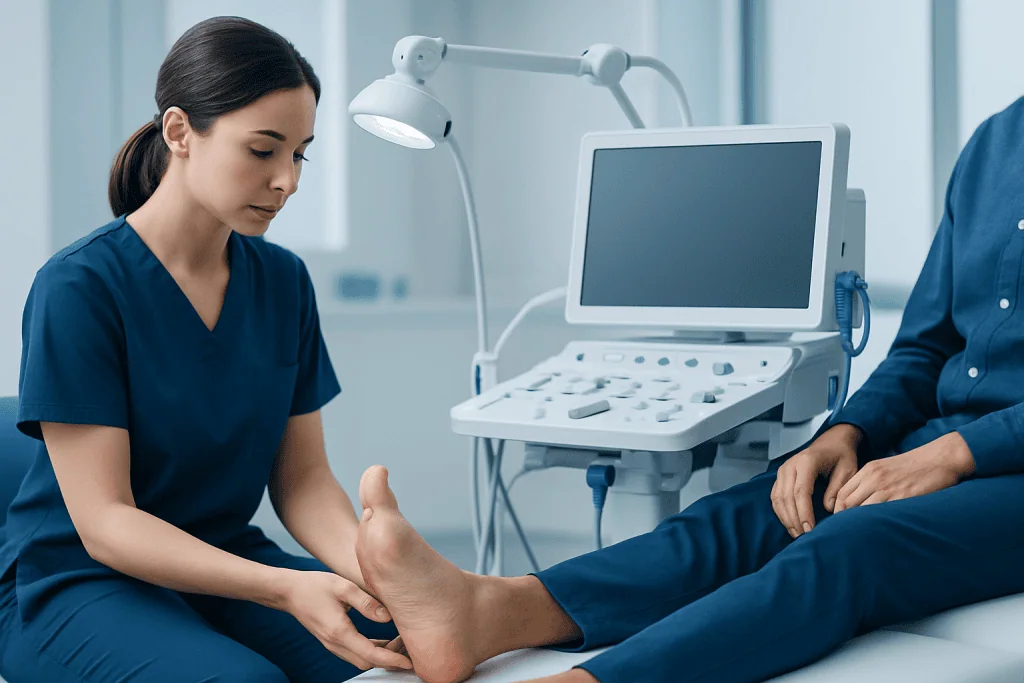
Foot problems can appear in many ways. Pain may be sharp, burning, aching, or throbbing. It can affect the heel, arch, toes, ball of the foot, ankle area, or the entire foot. Some people notice symptoms only when walking or exercising, while others have pain even at rest or at night.
Other symptoms may include swelling, redness, warmth, stiffness, limping, tenderness, numbness, tingling, cracking skin, itching, blisters, thickened nails, or a visible change in foot shape. A bunion may push the big toe inward, while hammertoes may curl abnormally. Calluses can cause pressure pain, and nerve irritation may produce burning or electric-like sensations.
Symptoms can also provide clues to the underlying cause. Heel pain that is worse with the first steps in the morning can suggest plantar fascia irritation. Sudden swelling after twisting the foot may point to a sprain or fracture. Numbness, color changes, or non-healing wounds can be signs of nerve or circulation problems and deserve prompt medical attention.
- Pain with walking, standing, or exercise
- Swelling or tenderness
- Skin or nail changes
- Deformity such as bunions or toe changes
- Numbness, tingling, or burning
- Open sores or wounds that heal slowly
Causes and risk factors

Many foot problems develop because of repeated stress. Standing for long periods, high-impact sports, sudden increases in activity, and poorly fitting footwear can all place extra strain on the feet. Tight shoes may contribute to corns, calluses, bunions, and nail problems, while inadequate support can worsen pain in the arch or heel.
Structural and age-related factors also matter. Flat feet, very high arches, toe deformities, reduced flexibility, and age-related wear of joints and soft tissues can change the way body weight is distributed across the foot. Over time, this may lead to inflammation, overload, or joint degeneration. Conditions such as arthritis can cause stiffness, swelling, and pain in the foot and ankle joints.
Some foot problems are linked to broader health issues. Diabetes can reduce sensation and slow wound healing, increasing the risk of ulcers and infection. Poor circulation may cause cold feet, skin changes, or wounds that do not heal well. Nerve compression or systemic nerve damage can create burning, tingling, or weakness. Skin infections, fungal infections, obesity, previous injury, and repetitive strain can also increase risk.
In some cases, the foot is where a health condition first becomes noticeable. For example, persistent swelling may reflect joint inflammation, and toe pain may occasionally be related to crystal arthritis such as gout. This is why ongoing or unexplained symptoms should not be dismissed as a normal part of aging.
How foot problems are diagnosed
Diagnosis begins with a detailed history and foot examination. A doctor will ask where the pain is located, when it started, what makes it better or worse, whether there was an injury, and whether symptoms such as numbness, fever, or wounds are present. Medical history is also important, especially diabetes, arthritis, circulation problems, or previous foot surgery.
The physical exam may include checking the skin, nails, foot shape, walking pattern, joint movement, tenderness, strength, sensation, and pulses. Sometimes the way a person stands or walks gives valuable information about alignment and pressure patterns. The doctor may also look at footwear to see whether it contributes to pressure or instability.
If needed, imaging and tests can help confirm the cause. X-rays may show fractures, arthritis, or alignment problems. Ultrasound or MRI may be used for tendon, ligament, or soft-tissue conditions. Blood tests may be considered if infection, inflammatory arthritis, or gout is suspected. For persistent numbness or weakness, nerve testing may sometimes be appropriate.
When wounds, deformity, infection, or severe pain are present, early diagnosis is especially important. In people with diabetes or poor circulation, even a small sore can worsen quickly without proper care. Targeted assessment helps guide the safest treatment plan.
Treatment options based on the cause
Treatment for foot problems depends on the diagnosis, severity, and the person’s general health. Many common problems improve with rest, activity adjustment, properly fitting shoes, cushioning, arch support, stretching, and short-term symptom relief. Doctors may recommend custom or prefabricated orthotics, physical therapy, or protective padding to reduce pressure on painful areas.
Specific conditions may need more targeted care. Fungal infections can require topical or oral treatment. Ingrown toenails may need medical nail care. Inflammatory conditions may be managed with medication and rehabilitation. Foot wounds often need cleaning, pressure relief, and monitoring to reduce the risk of infection. In some cases, imaging-guided treatment or referral to a podiatry, orthopedic, dermatology, vascular, or endocrinology team may be helpful.
Structural problems that do not improve with conservative care may need procedural or surgical treatment. For example, long-standing deformity, advanced joint damage, tendon problems, or severe bunions can sometimes benefit from foot surgery. People with major joint degeneration affecting function may also be assessed by specialists in orthopedic surgery.
When poor blood flow contributes to pain, wounds, or slow healing, doctors may consider vascular evaluation and, if appropriate, vascular surgery. The most effective treatment plan is individualized and aims to reduce pain, improve function, and prevent recurrence or complications.
Prevention and self-care
Many foot problems can be reduced with practical self-care. Shoes should fit well, provide enough room for the toes, and match the person’s activity. Footwear that is too tight, too loose, or worn out can increase pressure, instability, and friction. Socks that keep the feet dry may also help reduce skin irritation and fungal growth.
Good foot hygiene is important. Washing and drying the feet carefully, especially between the toes, can help protect the skin. Nails should be trimmed straight across rather than cut deeply into the corners. Moisturizer may help dry skin, although the spaces between the toes should not be left damp. People who develop corns, thick skin, or nail problems repeatedly should avoid aggressive self-treatment and seek professional advice.
Stretching, strengthening, and gradual activity increases can reduce strain on the feet and lower legs. Maintaining a healthy body weight may also reduce pressure on the joints and soft tissues. For people with diabetes, daily foot checks are essential to spot redness, blisters, cuts, or ulcers early. If vision or mobility makes self-checks difficult, a family member or clinician can help.
Evidence-based self-care is most useful when it supports, rather than replaces, proper diagnosis. Persistent pain, recurrent symptoms, or visible deformity should not be treated indefinitely with home remedies alone.
When to seek medical care
Medical care is recommended if foot pain is severe, follows a significant injury, or makes walking difficult. A person should also seek assessment for swelling that does not improve, visible deformity, fever, spreading redness, pus, or any wound that is not healing. These symptoms may suggest fracture, infection, or another condition that needs prompt treatment.
Urgent evaluation is especially important for people with diabetes, reduced sensation, poor circulation, or immune system problems. In these situations, even minor skin damage can become serious if it is overlooked. Numbness, pale or blue discoloration, coldness, or sudden severe pain should also be checked promptly.
If symptoms are recurring or gradually worsening, a planned medical review is still worthwhile. A doctor can help distinguish common causes such as overuse or footwear-related strain from conditions involving the joints, nerves, or circulation. For international patients who need coordinated assessment, Acibadem International’s multidisciplinary specialists in JCI-accredited hospitals diagnose and treat a wide range of foot problems, including issues related to diabetes and complex musculoskeletal conditions.
Frequently asked questions
What are the most common foot problems?
Common foot problems include bunions, corns, calluses, plantar fasciitis, fungal infections, ingrown toenails, sprains, arthritis-related pain, and flat feet. Many are manageable, but the right treatment depends on the exact cause.
Can foot problems go away on their own?
Some mild foot problems improve with rest, footwear changes, and reduced pressure. However, symptoms that last, return often, or worsen over time should be evaluated so the underlying problem is not missed.
Are foot problems always caused by poor shoes?
No. Footwear can contribute, but foot problems may also result from overuse, injury, structural differences, arthritis, diabetes, nerve disorders, skin conditions, or circulation problems. Shoes are only one part of the picture.
When is foot pain a sign of something more serious?
Foot pain may need prompt medical attention if it comes with swelling, fever, redness, numbness, color change, an open wound, or inability to bear weight. People with diabetes or poor circulation should be especially cautious.
How are foot problems diagnosed?
Doctors usually diagnose foot problems through a medical history, physical exam, and sometimes imaging such as X-rays or MRI. Additional blood tests or nerve studies may be used when infection, inflammatory disease, or nerve damage is suspected.
Do all foot problems need surgery?
No. Most foot problems are treated without surgery using supportive footwear, orthotics, exercise, medication, wound care, or physical therapy. Surgery is usually considered only when symptoms are severe, structural, or not improving with conservative treatment.
References
- American Academy of Orthopaedic Surgeons
- American Podiatric Medical Association
- National Institute of Arthritis and Musculoskeletal and Skin Diseases
- Centers for Disease Control and Prevention
- National Health Service
This article is for general information only and is not a substitute for professional medical advice. Please consult a qualified doctor about your individual situation.
Joint and spine care in Turkey — expert assessment & treatment
JCI-accredited · board-certified surgeons · reply within 24h

More from the Health Library



Related Specialists

Assoc. Prof. Dr. Yaşar Bayrı
Neurosurgery
Prof. Dr. Moşe Benhabib
Gynecology & Obstetrics
Dr. Alihan Özcan
Gynecology & Obstetrics
Kenan Kesgin
Physical Medicine & Rehabilitation