Hand Transplant: Procedure, Recovery and Results

Hand transplantation is a form of vascularized composite allotransplantation, involving skin, bone, muscles, tendons, nerves and blood vessels. Careful candidate selection considers physical health, rehabilitation readiness, psychological wellbeing and ability to take lifelong medication.
Key Takeaways
- Hand transplantation is a form of vascularized composite allotransplantation, involving skin, bone, muscles, tendons, nerves and blood vessels.
- Careful candidate selection considers physical health, rehabilitation readiness, psychological wellbeing and ability to take lifelong medication.
- Nerve healing is gradual, so functional recovery can continue for years and differs substantially between individuals.
- Rejection can occur even with medication, making regular monitoring and prompt treatment essential.
- Hand transplant is not suitable for everyone; reconstructive surgery, prostheses and rehabilitation remain important alternatives.
A hand transplant is a highly specialised procedure that attaches a donated hand or arm to a recipient after limb loss. It can restore appearance and varying levels of movement, sensation and daily function, but it involves major surgery, lifelong immune-suppressing treatment and prolonged rehabilitation.
Hand Transplant Overview: How It Works
A hand transplant is an operation in which a surgeon attaches a donated hand, wrist or part of an arm to a person who has lost one or both upper limbs. It is usually considered after traumatic amputation, and much less commonly after other causes of limb loss. The goal is not simply to replace the shape of the hand, but to potentially regain practical abilities such as grasping, holding objects and participating in everyday activities.
The procedure is called vascularized composite allotransplantation (VCA). Unlike a single-organ transplant, it transfers several tissue types together: skin, bone, joints, tendons, muscles, blood vessels and nerves. Each tissue must heal, while the recipient’s immune system must be controlled so that it does not attack the donor hand.
Hand transplantation is performed only in selected specialist centres. It is a life-enhancing rather than life-saving transplant, so potential improvements in function and quality of life must be balanced carefully against the risks of surgery, lifelong immune-suppressing medicines and extensive rehabilitation.
Who May Be a Candidate for Hand Transplant?
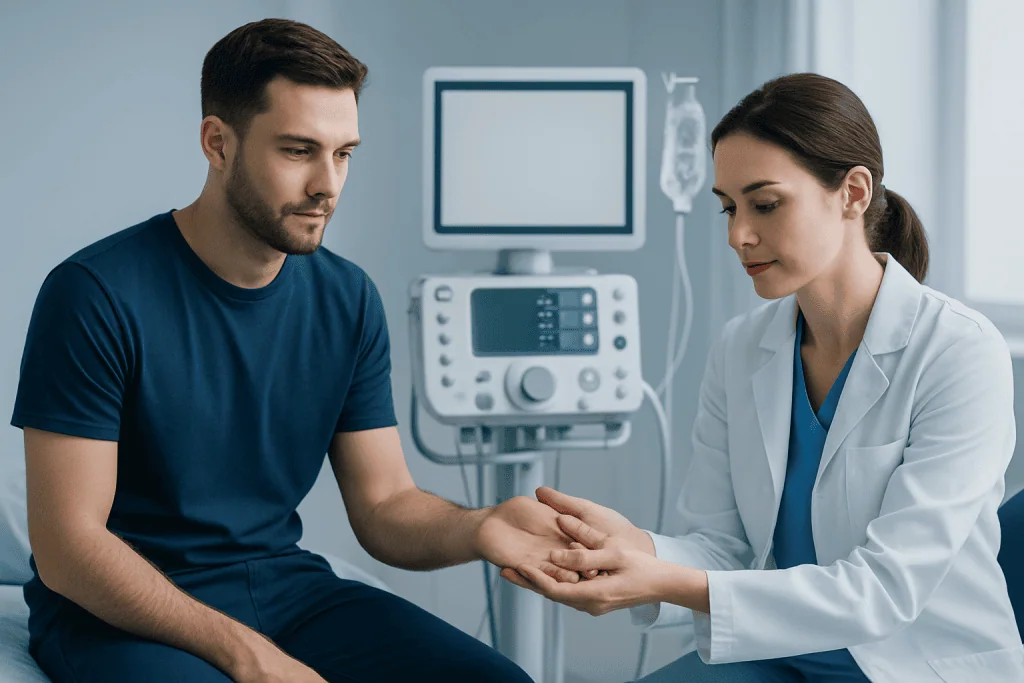
Assessment for a hand transplant is comprehensive and takes place over time. Candidates generally have upper-limb loss that significantly affects independence, and they need enough healthy tissue above the amputation level to permit surgical attachment. The transplant team also assesses circulation, nerve and muscle health, infection risk and the person’s overall medical condition.
Because immune-suppressing medicines are required for as long as the transplant remains in place, severe uncontrolled infection, certain active cancers, serious untreated medical conditions or inability to take medication consistently may make transplantation unsafe. Previous health conditions are reviewed individually rather than through a single checklist.
Psychological assessment and social support are equally important. Candidates need a clear understanding of the demands involved, including frequent appointments, blood tests, biopsies when indicated, hand therapy and daily self-care. Prosthetic options, reconstructive procedures and rehabilitation are also discussed so that the individual can make an informed choice.
- Stable physical health and suitable anatomy for attachment
- Ability to follow a lifelong medication and monitoring plan
- Commitment to intensive hand therapy over months and years
- Realistic goals for function, sensation and appearance
- Reliable practical and emotional support during recovery
Hand Transplant Procedure: Step by Step
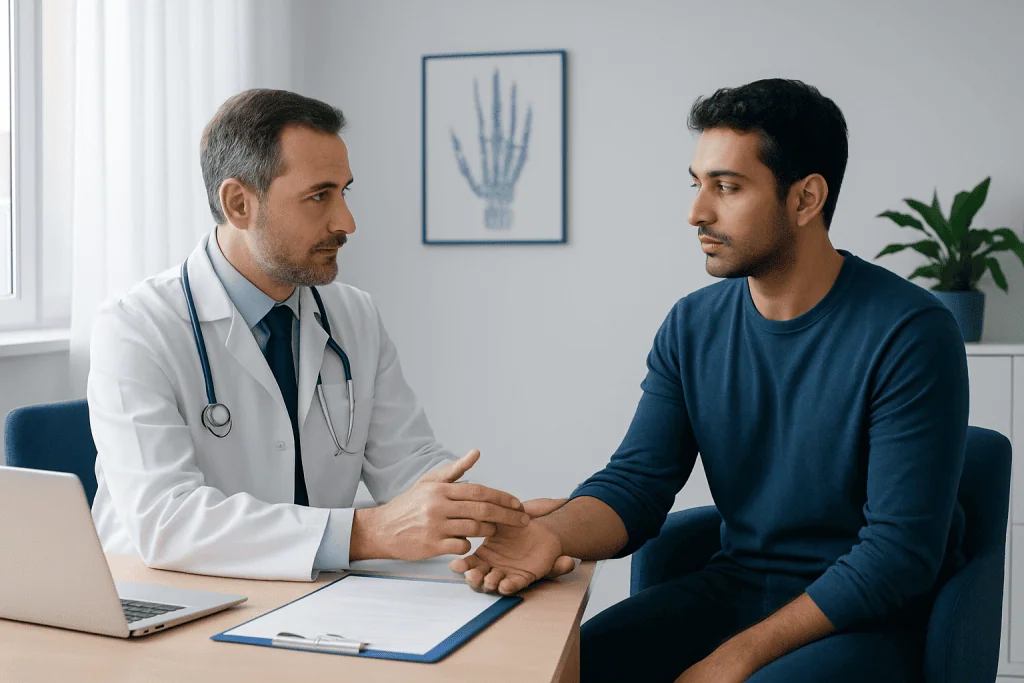
Before surgery, donor-recipient matching considers factors such as blood group, tissue compatibility, hand size, skin tone, age range and the level of amputation. The donor hand is recovered with great care and preserved for transport. Timing is important because the tissues can tolerate only a limited period without blood flow.
During the operation, the recipient’s limb is prepared and the donor hand is attached in a planned sequence. Surgeons typically stabilise the bones first, then reconnect tendons and muscles, repair arteries and veins to restore circulation, and join the nerves that may later support sensation and movement. Skin and soft tissues are then carefully closed. The operation may last many hours and involves coordinated teams with expertise in transplant surgery, plastic and reconstructive surgery, orthopaedics, vascular surgery, anaesthesia and rehabilitation.
After surgery, the person is closely monitored in hospital for blood flow through the transplant, wound healing, pain control, early signs of rejection and complications such as infection or blood clots. Anti-rejection medicines begin immediately. In appropriate cases, a multidisciplinary assessment for hand transplant treatment can help a person understand the pathway from evaluation through long-term follow-up.
Recovery Timeline and Rehabilitation
Recovery begins in hospital but continues well beyond discharge. In the earliest stage, clinicians monitor the colour, temperature and circulation of the transplanted hand. Swelling, discomfort and restricted movement are expected initially. Splinting and carefully guided exercises help protect the surgical repair while reducing stiffness.
Hand therapy is central to recovery. Occupational therapists, physiotherapists and hand specialists work with the recipient on joint movement, muscle activation, tendon gliding, strength, coordination and practical activities. Therapy is adjusted as tissues heal and can be frequent in the first months. Regular practice at home is usually an essential part of the programme.
Nerves regrow slowly, so changes in touch, temperature awareness and movement control may emerge gradually over months to years. The extent of recovery depends on factors including the level of limb loss, the condition of nerves and muscles, surgical healing, rejection episodes and participation in rehabilitation. A transplanted hand may not function exactly like the person’s original hand, but meaningful functional gains are possible for some recipients.
Can People With Hand Transplants Feel?
Many people with a hand transplant can develop some sensation over time, although the amount and quality vary. During surgery, surgeons connect the donor and recipient nerves, but these nerves must slowly grow and establish functioning pathways. This process takes time and is not immediate after the operation.
Early sensations may include tingling, altered touch or sensitivity as nerves heal. Some recipients may later identify pressure, texture, heat or cold to varying degrees. Protective sensation, such as noticing pain or excessive heat, is especially important because it helps reduce the risk of accidental injury.
Movement and feeling do not always recover at the same rate, and neither can be guaranteed. Ongoing therapy helps the brain learn to interpret signals from the transplanted hand and use it during daily tasks. The transplant team can explain what recovery may be realistic for an individual’s amputation level and clinical circumstances.
Benefits, Risks and What Happens if Your Body Rejects a Hand Transplant
Potential benefits of hand transplant include improved body image, the possibility of bimanual activities, and varying recovery of grip, movement and sensation. For a person missing both hands, even partial function may have a substantial effect on independence. However, benefit differs from person to person and is evaluated alongside alternatives such as modern prostheses, reconstructive surgery and adaptive strategies.
Rejection occurs when the immune system recognises the donor tissues as foreign and attacks them. In a hand transplant, skin changes are often among the earliest visible signs, such as a rash, redness, swelling, warmth or new tenderness. Rejection may also be detected through clinical examination, laboratory testing and a small skin biopsy. Some rejection episodes have few obvious symptoms, which is why scheduled follow-up is essential.
If rejection is suspected, the transplant team acts promptly. Treatment may include adjusting immune-suppressing medicines and, in some situations, using stronger short-term immune therapy. Many acute rejection episodes can be treated, but recurrent or severe rejection may damage tissues and reduce function. Lifelong anti-rejection treatment also raises risks including infections, kidney problems, high blood pressure, diabetes and some cancers, so monitoring aims to balance rejection prevention with medicine safety.
What Is the Success Rate of Hand Transplants?
There is no single success rate that fully describes hand transplantation. Programmes may report success as the transplanted hand remaining viable, while recipients may define success by comfort, appearance, sensation, ability to perform specific tasks or improved independence. These outcomes are different and should not be treated as interchangeable.
Published experience shows that many transplanted hands can survive for years with appropriate surgery, medication and follow-up. However, the number of procedures performed worldwide remains relatively small compared with solid-organ transplantation, and outcomes vary with the recipient’s health, the transplant level, complications, adherence to medication and access to prolonged rehabilitation.
Before making a decision, a specialist team should discuss centre-specific experience, the likely functional goals, the possibility of rejection and graft loss, and the practical responsibilities of lifelong care. An informed decision also includes a realistic comparison with prosthetic and reconstructive options.
What Is the Hardest Transplant to Survive? When to Seek Medical Care
There is no universally accepted answer to which transplant is the hardest to survive. Different transplant types carry different immediate and long-term risks, depending on the organ or tissue transplanted, the recipient’s underlying illness, surgical complexity, immune suppression and access to specialist follow-up. Comparing procedures with a single ranking is usually less helpful than understanding the specific risks relevant to an individual.
For people with a hand transplant, urgent medical advice is needed for a new rash, increasing redness, warmth, swelling, pain, colour change, reduced movement, numbness, fever, wound drainage or any concern about circulation in the transplanted hand. These symptoms can have several causes, including rejection or infection, and should be assessed promptly by the transplant team rather than managed alone.
Anyone considering transplantation should seek medical care from an experienced reconstructive and transplant service for a personalised assessment. Acibadem International’s multidisciplinary specialists and JCI-accredited hospitals support diagnosis and treatment planning for international patients, including coordinated rehabilitation and long-term follow-up where appropriate.
Frequently asked questions
Can people with hand transplants feel?
Some recipients regain varying degrees of sensation as connected nerves slowly heal and regrow. Feeling may include pressure, touch, temperature or pain awareness, but the degree of recovery differs and can take months or years. Therapy helps the person learn to use and interpret these sensations.
What is the success rate of hand transplants?
Success cannot be captured by one number because graft survival, movement, sensation, independence and quality of life are separate outcomes. Many transplanted hands have remained viable for years, but results vary considerably. A transplant team can explain the expected outcomes and risks for an individual situation.
What is the hardest transplant to survive?
There is no single transplant that is universally the hardest to survive. Risk depends on the procedure, the person’s health before surgery, surgical complications, rejection risk and lifelong treatment needs. Hand transplant is especially demanding because it combines major surgery, immune suppression and lengthy rehabilitation.
What happens if your body rejects a hand transplant?
The immune system may attack the donor tissues, often causing skin redness, rash, swelling, warmth or tenderness. The transplant team may confirm rejection through examination and tests, sometimes including a skin biopsy. Early treatment can often control acute rejection, but severe or repeated episodes can harm the transplant.
How long does hand transplant recovery take?
Initial healing takes weeks to months, but nerve recovery, strength and coordination can continue to improve for years. Rehabilitation is intensive, especially in the first year, and requires regular therapy plus home exercises. Recovery varies with the transplant level, healing, complications and the individual’s participation in therapy.
Do hand transplant recipients need medication for life?
Yes. Recipients generally need lifelong immune-suppressing medicine to reduce the risk of rejection. These medicines require regular monitoring because they can increase infection risk and may affect other aspects of health. The transplant team tailors treatment and monitoring to the individual.
References
- World Health Organization
- American Society of Transplantation
- International Society of Vascularized Composite Allotransplantation
- United States Food and Drug Administration
- National Institute of Diabetes and Digestive and Kidney Diseases
This article is for general information only and is not a substitute for professional medical advice. Please consult a qualified doctor about your individual situation.
Joint and spine care in Turkey — expert assessment & treatment
JCI-accredited · board-certified surgeons · reply within 24h

More from the Health Library



Related Specialists

Öznur Tanişman
Physical Medicine & Rehabilitation
Dr. Zuhal Başkan
Medical Oncology
Dr. Meltem Hüner
Infectious Diseases & Clinical Microbiology
Dr. Aydin Aksoy
Cardiology