Headache Relief Without Medicine: Evidence-Based Ways to Feel Better

Many mild to moderate headaches improve with hydration, rest, sleep, and a calm environment. Cold or warm compresses, gentle stretching, relaxation, and regular meals may help depending on the headache type.
Key Takeaways
- Many mild to moderate headaches improve with hydration, rest, sleep, and a calm environment.
- Cold or warm compresses, gentle stretching, relaxation, and regular meals may help depending on the headache type.
- Keeping a headache diary can help identify triggers such as stress, skipped meals, poor sleep, caffeine changes, or screen strain.
- Frequent, severe, sudden, or unusual headaches should be assessed by a doctor.
- Natural approaches can support care, but they do not replace medical evaluation when red-flag symptoms are present.
Headache relief without medicine is often possible with simple, evidence-based steps such as fluids, rest, sleep, relaxation, and avoiding personal triggers. The best approach depends on the headache type, how severe it is, and whether warning signs are present.
Overview: Can Headache Relief Happen Without Medicine?
Yes, headache relief without medicine is possible for many people, especially when the headache is mild, short-lived, or linked to a clear trigger such as dehydration, stress, missed meals, poor posture, or lack of sleep. Non-drug approaches aim to reduce the body’s stress response, ease muscle tension, support normal blood flow, and remove triggers that may be keeping the headache going.
Not every headache responds to the same strategy. A tension-type headache may improve with relaxation, stretching, or heat, while a migraine may respond better to quiet, darkness, sleep, hydration, and a cold pack. Cluster headaches and headaches caused by infection, high blood pressure, head injury, or neurological problems need medical assessment rather than home care alone.
Evidence-based self-care works best when it is practical and consistent. Simple steps such as drinking water, resting in a dark room, eating a light meal, reducing screen exposure, and practicing slow breathing can be enough for some episodes. When headaches are frequent or interfere with daily life, the next step is to identify the pattern and discuss it with a qualified doctor.
Common Headache Types and Why They Matter
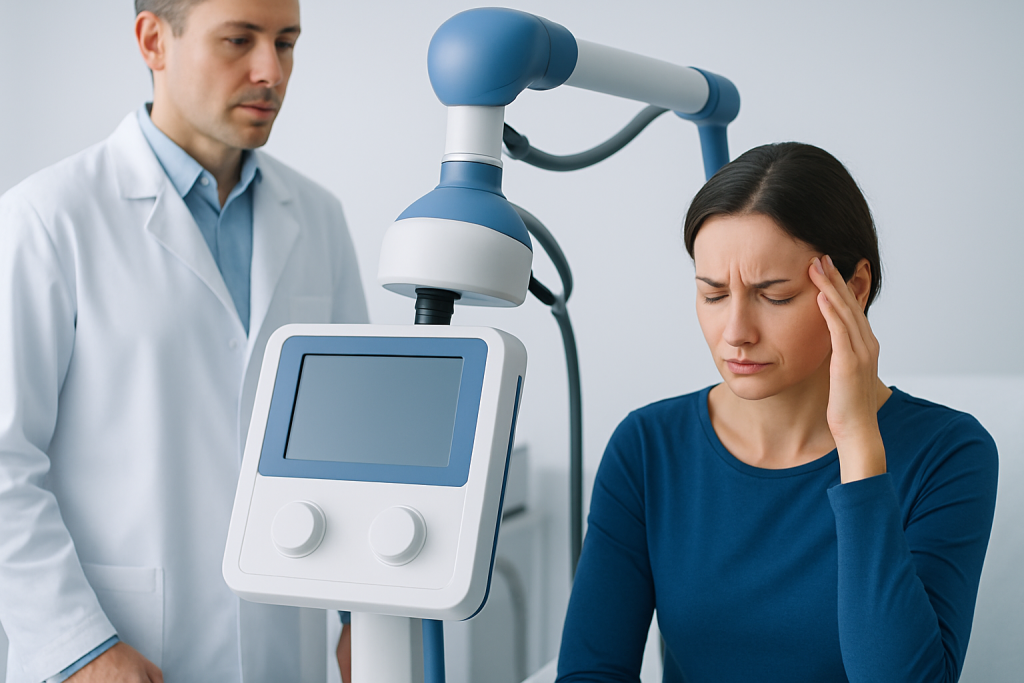
Understanding the likely headache type helps guide the most useful non-medicine approach. Tension-type headaches often feel like pressure, tightness, or a band around the head. They are commonly linked with stress, jaw clenching, poor posture, long periods at a desk, or inadequate sleep. These headaches often improve with rest, hydration, stretching, massage, and relaxation techniques.
Migraine is more than a typical headache. It may cause throbbing pain, usually on one side, and can come with nausea, sensitivity to light, sound, smell, or visual symptoms. Non-drug migraine care often focuses on reducing sensory stimulation, sleeping if possible, cooling the head, and treating triggers early. Some people may also have migraine patterns that require preventive support from a specialist.
Headaches can also come from neck tension, sinus inflammation, viral illness, caffeine withdrawal, eye strain, or medication overuse. In some cases, a headache may be a symptom of another condition rather than a primary headache disorder. When a headache changes in pattern, becomes more intense, or is accompanied by other concerning symptoms, medical evaluation becomes especially important.
Evidence-Based Ways to Relieve a Headache Naturally

Hydration is one of the simplest and most helpful first steps. Even mild dehydration can trigger or worsen headache in some people. Sipping water or an oral rehydration drink may help, especially if the person has been exercising, traveling, fasting, or feeling unwell. If low blood sugar may be contributing, a light meal or snack can also be useful.
Resting in a quiet, dark room is often effective, particularly for migraine or headaches linked to sensory overload. Short periods away from bright screens, loud noise, and strong odors may reduce the headache intensity. A brief nap can help some people, although sleeping too long may worsen headaches for others, so balance matters.
Temperature-based comfort measures can also help. A cold pack on the forehead or around the eyes may ease migraine pain, while warmth applied to the neck and shoulders may relax tight muscles in tension-type headaches. The pack should be wrapped in a cloth rather than placed directly on the skin. Gentle self-massage of the temples, jaw, scalp, neck, and shoulders may reduce muscle tension at the same time.
Relaxation methods have supportive evidence for stress-related headaches and migraine management. Options include slow diaphragmatic breathing, progressive muscle relaxation, guided imagery, mindfulness, biofeedback-based training, and gentle yoga. These methods do not need to be complicated; even five to ten minutes of calm, steady breathing and intentional muscle release may help the nervous system settle.
Lifestyle Factors That Often Trigger Headaches
Many headaches are linked to everyday habits and routines. Common triggers include too little sleep, oversleeping, skipped meals, dehydration, prolonged screen time, poor posture, emotional stress, jaw clenching, and sudden changes in caffeine use. Alcohol can also trigger headaches in some people, especially when combined with poor sleep or dehydration.
A headache diary can be a very helpful tool. Recording when the headache started, where the pain was felt, how severe it was, what the person ate and drank, how they slept, stress levels, menstrual timing, recent exercise, and screen time may reveal patterns over time. This information is often useful for both self-management and medical appointments.
Sleep quality deserves special attention. People who snore loudly, wake up unrefreshed, or have morning headaches may need evaluation for sleep-related conditions. Likewise, people with frequent neck pain, desk-based work, or heavy device use may benefit from posture review, ergonomic adjustments, and targeted stretching. When headaches are tied to chronic stress or anxiety, structured stress-management support can make a meaningful difference.
- Drink fluids regularly through the day
- Do not skip meals
- Keep caffeine intake steady rather than fluctuating sharply
- Take regular breaks from screens and prolonged sitting
- Prioritize a consistent sleep schedule
- Notice personal triggers instead of relying on a single “universal” cause
Prevention and Self-Care Between Headaches
Preventing headaches often works better than trying to stop them once they become severe. Regular hydration, balanced meals, predictable sleep, and physical activity form the foundation. Gentle aerobic exercise, stretching, and strengthening can improve stress resilience and reduce muscle tension, although very intense exercise may trigger headaches in some people.
For people with frequent headaches, routine can be especially helpful. Going to bed and waking at similar times, limiting late-night screen exposure, taking movement breaks during desk work, and avoiding long periods without food may reduce attacks. Some people also benefit from identifying environmental triggers such as bright light, strong perfume, smoke, or noisy surroundings.
Non-drug supportive therapies may have a place for selected patients. These can include physical therapy for neck-related headache, behavioral therapy for stress management, relaxation training, or supervised exercise programs. In people with persistent or disabling symptoms, specialist evaluation may help clarify whether the problem is tension-type headache, migraine, cervicogenic headache, or another condition. If needed, doctors may recommend further neurological rehabilitation support or referral-based care for symptom management and functional recovery.
When Home Measures Are Not Enough
Natural approaches can be useful, but they have limits. A person should seek medical advice if headaches are frequent, severe, getting worse, or affecting work, school, sleep, or daily activities. Evaluation is also important when a new headache begins after age 50, follows a head injury, or behaves differently from previous headaches.
Warning signs need urgent assessment. These include a sudden explosive headache that reaches maximum intensity quickly, headache with weakness, numbness, confusion, fainting, seizure, fever, stiff neck, vision loss, chest pain, or trouble speaking. Persistent vomiting, headache during pregnancy or after delivery, and headache in someone with cancer or a weakened immune system also deserve prompt medical attention.
Some people develop headaches from taking pain-relief medicines too often, a problem called medication-overuse headache. In that situation, simply adding more remedies may worsen the cycle. A doctor can review patterns, rule out secondary causes, and decide whether testing, specialist care, or a structured treatment plan is needed. When appropriate, further assessment may include neurology consultation or imaging such as MRI based on the clinical picture.
How Doctors Diagnose and Treat Ongoing Headaches
Diagnosis usually begins with a careful history. Doctors ask about the location and quality of pain, timing, associated symptoms, possible triggers, use of caffeine or medicines, sleep habits, and family history. A physical and neurological examination helps identify signs that point toward migraine, tension-type headache, sinus disease, neck-related causes, or less common secondary problems.
Most people with a typical headache history and a normal examination do not need extensive testing. However, tests may be recommended when red flags are present or when the pattern is unusual. Depending on the situation, evaluation may involve blood tests, eye examination, sleep assessment, or brain imaging. For some people, treatment is based largely on lifestyle and trigger management; for others, prescription treatment or preventive therapy may be needed.
When headaches are persistent, severe, or hard to classify, specialist care can be helpful. This may include headache-focused counseling, physical therapy, migraine-specific treatment planning, or broader assessment of related conditions such as sleep disorders, anxiety, or neck problems. Near the end of the care pathway, patients seeking international evaluation may wish to know that Acibadem International’s multidisciplinary specialists and JCI-accredited hospitals diagnose and treat headache disorders for international patients.
Frequently asked questions
What is the fastest way to relieve a headache without medicine?
The most effective quick steps are often drinking water, resting in a quiet dark room, and using a cold or warm compress depending on the headache type. A light snack, slow breathing, and stepping away from screens may also help. The best response usually depends on whether the headache is related to migraine, tension, dehydration, or another trigger.
Does drinking water really help headaches?
It can help when dehydration is contributing to the pain, which is common after exercise, travel, heat exposure, fasting, or illness. Water is not a cure for every headache, but it is a simple, safe first step for many people. Improvement may take a little time rather than happening instantly.
Is a cold pack or a warm compress better for headache relief?
A cold pack is often more helpful for migraine, especially when there is throbbing pain or sensitivity to light. Warmth may be better for tension-type headaches with tight neck or shoulder muscles. Some people respond to one more than the other, so it is reasonable to try both on different occasions.
Can caffeine help a headache?
Caffeine helps some people, but it can also trigger headaches or worsen them if intake changes suddenly. A small amount may be useful for certain individuals, while too much or irregular use may lead to rebound or withdrawal headaches. Consistency is usually more important than high intake.
When should a person worry about a headache?
A headache should be assessed urgently if it starts suddenly and severely, follows a head injury, or comes with weakness, confusion, seizure, fainting, fever, stiff neck, or vision or speech changes. Medical review is also important if headaches are new, worsening, frequent, or very different from usual. These features can suggest a cause that needs prompt diagnosis.
Are natural remedies enough for migraines?
They can help some migraine attacks, especially when used early, but they are not always enough on their own. Migraine can be disabling and may require a tailored medical plan if attacks are frequent or severe. A doctor can help combine self-care, trigger management, and medical treatment when needed.
References
- World Health Organization
- National Institute of Neurological Disorders and Stroke
- American Migraine Foundation
- International Headache Society
- National Health Service
This article is for general information only and is not a substitute for professional medical advice. Please consult a qualified doctor about your individual situation.
Joint and spine care in Turkey — expert assessment & treatment
JCI-accredited · board-certified surgeons · reply within 24h
Check your numbers in seconds
BMI, calories, due date, blood pressure and 30+ more clinical calculators — free, instant, doctor-reviewed ranges.

More from the Health Library



Related Specialists

Prof. Dr. Remzi Tözün
Orthopedic Surgery & Traumatology
Dr. Zühre Esra Kıvanç
Inpatient Clinic Physicians Clinical Service
Atilla Murat Ünver
Physical Medicine & Rehabilitation
Dr. Sinan Aksu
Orthopedic Surgery & Traumatology