Healthy Aging: Preventive Habits That Preserve Independence

Healthy aging depends on daily habits, regular checkups, and early attention to changes in function. Physical activity, balanced nutrition, sleep, and social connection support mobility, brain health, and emotional wellbeing.
Key Takeaways
- Healthy aging depends on daily habits, regular checkups, and early attention to changes in function.
- Physical activity, balanced nutrition, sleep, and social connection support mobility, brain health, and emotional wellbeing.
- Fall prevention, medication reviews, and vision and hearing care are essential for preserving independence.
- Managing chronic conditions such as high blood pressure, diabetes, and osteoporosis can reduce complications.
- Older adults should seek medical advice for new symptoms, falls, memory changes, unexplained weight loss, or difficulty with daily activities.
Healthy aging is not only about living longer; it is about maintaining strength, thinking clearly, staying socially connected, and managing health risks before they limit daily life. Small preventive habits, practiced consistently, can help older adults preserve independence and quality of life.
Overview: What Healthy Aging Means
Healthy aging refers to the process of maintaining physical, mental, and social wellbeing as people grow older. It does not mean avoiding every illness or change associated with age. Instead, it focuses on preventing avoidable problems, detecting health issues early, and supporting the abilities that allow a person to live safely and meaningfully.
Independence can include many everyday abilities: walking steadily, preparing meals, managing medications, communicating clearly, making decisions, and participating in family or community life. These abilities are influenced by muscles, bones, heart health, brain function, eyesight, hearing, mood, sleep, and the home environment.
Preventive habits work best when they are realistic and personalized. A person in their 60s who is active and working may need different priorities from someone in their 80s who has several chronic conditions. A healthcare professional can help match prevention goals to medical history, current function, and personal preferences.
Move Regularly to Protect Strength, Balance, and Mobility
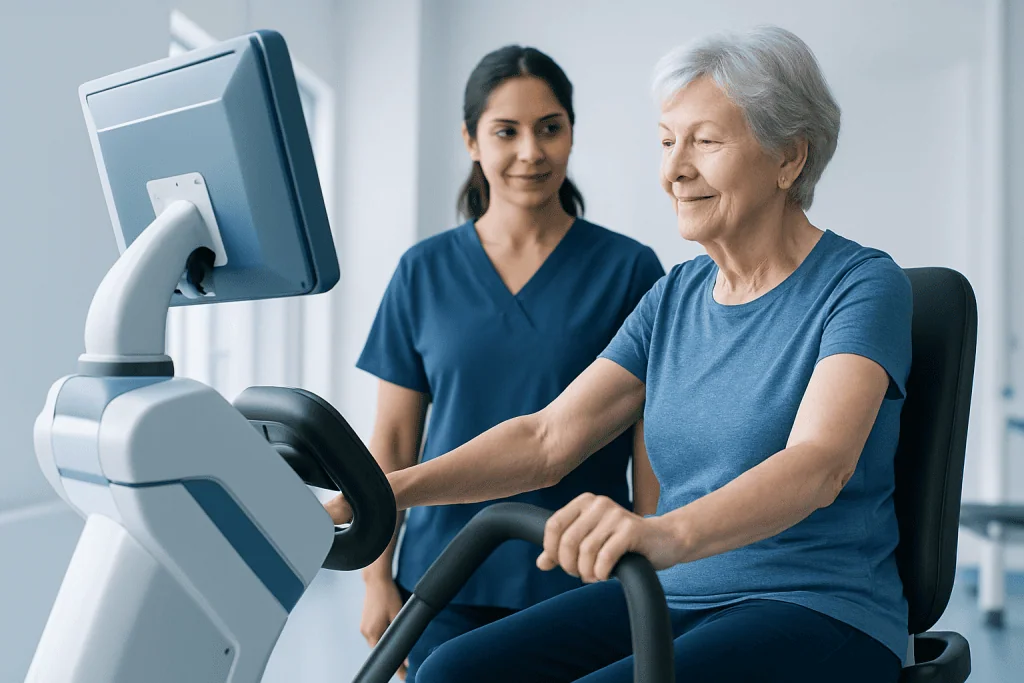
Physical activity is one of the most important habits for healthy aging. Movement helps maintain muscle strength, joint flexibility, balance, heart and lung fitness, mood, and sleep quality. Even people who have been inactive can often benefit from starting gently and increasing activity gradually with medical guidance.
A well-rounded routine usually includes several types of movement. Aerobic activity, such as walking, swimming, cycling, or dancing, supports cardiovascular health. Strength training helps preserve muscle and bone. Balance exercises, such as heel-to-toe walking or supervised tai chi, can reduce fall risk. Stretching and mobility exercises may make daily tasks easier.
Older adults do not need to perform intense exercise to gain benefits. Short sessions spread throughout the day may be more comfortable and sustainable than long workouts. Safety matters: supportive footwear, hydration, warm-up time, and choosing well-lit, even surfaces can help prevent injury.
- Start with activities that feel manageable and enjoyable.
- Include strength exercises for the legs, hips, back, and arms.
- Practice balance near a stable surface if unsteady.
- Ask a doctor or physiotherapist for guidance after surgery, heart events, falls, or new pain.
Eat for Energy, Bone Health, and Chronic Disease Prevention

Nutrition plays a central role in maintaining independence. As people age, they may need fewer calories but still require enough protein, vitamins, minerals, fiber, and fluids. Poor appetite, dental problems, swallowing difficulty, medication effects, and social isolation can all make eating well more challenging.
A balanced eating pattern often includes vegetables, fruits, whole grains, legumes, nuts, lean proteins, fish or other healthy protein sources, and unsaturated fats. Protein is especially important because muscle loss can increase frailty, slow recovery, and raise fall risk. Calcium and vitamin D support bone health, although individual needs and supplement use should be discussed with a clinician.
Hydration is also important. Some older adults feel less thirsty, and certain medicines can affect fluid balance. Regular fluids, soups, fruits, and vegetables can help, while people with heart, kidney, or liver conditions should follow their doctor’s advice about fluid intake.
Food choices can also help manage common chronic conditions such as high blood pressure, diabetes, high cholesterol, and constipation. Rather than following restrictive diets without guidance, older adults should aim for practical, sustainable eating habits that fit culture, budget, chewing ability, and medical needs.
Keep the Brain Active and Support Emotional Wellbeing
Cognitive health is influenced by many factors, including blood pressure, sleep, hearing, social activity, depression, medications, and physical activity. Normal aging can bring slower recall or occasional forgetfulness, but noticeable changes in memory, judgment, language, or daily functioning should be evaluated.
Brain-supportive habits include learning new skills, reading, doing puzzles, playing music, volunteering, taking classes, and staying engaged in meaningful routines. Social connection is especially protective for wellbeing. Regular conversations, group activities, family contact, or community programs can reduce loneliness and support motivation.
Emotional health deserves the same attention as physical health. Depression and anxiety can occur at any age and may appear as sleep problems, low energy, irritability, poor appetite, loss of interest, or increased physical complaints. These symptoms are treatable, and older adults should not assume they are an inevitable part of aging.
Hearing and vision care are also linked to communication, safety, and cognitive engagement. Untreated hearing loss can make social situations tiring and may lead to withdrawal. Regular eye and hearing checks can help preserve participation in daily life.
Prevent Falls and Make the Home Safer
Falls are a major threat to independence, but many fall risks can be reduced. A fall can result from more than one factor, such as poor balance, muscle weakness, vision problems, unsafe footwear, medication side effects, dizziness, low blood pressure, clutter, or poor lighting. Prevention starts with identifying personal risks rather than waiting for an injury.
Home safety changes can be simple and effective. Removing loose rugs, improving lighting, securing electrical cords, using non-slip mats, and installing grab bars in bathrooms can make daily movement safer. Stairs should have sturdy handrails, and frequently used items should be within easy reach to avoid climbing or overreaching.
Medication review is an important part of fall prevention. Some medicines for sleep, anxiety, pain, allergies, blood pressure, or other conditions may cause dizziness, drowsiness, or confusion, especially when combined. Older adults should not stop medicines on their own, but they should ask a doctor or pharmacist to review all prescriptions, over-the-counter medicines, and supplements.
- Report any fall, even if there was no injury.
- Seek evaluation for dizziness, fainting, or new unsteadiness.
- Use glasses, hearing aids, canes, or walkers as prescribed.
- Consider physiotherapy for balance training and safe walking techniques.
Use Preventive Healthcare and Manage Chronic Conditions
Regular preventive care helps detect health problems before they become disabling. Checkups may include blood pressure measurement, diabetes screening, cholesterol assessment, cancer screening when appropriate, vaccination review, dental care, vision and hearing exams, and evaluation of bone health. The right schedule depends on age, sex, family history, previous test results, and personal risk factors.
Vaccinations are an important part of healthy aging because some infections can be more serious in later life or in people with chronic illness. A healthcare professional can advise on influenza, COVID-19, pneumococcal, shingles, tetanus, and other vaccines based on current guidelines and individual health status.
Managing chronic conditions is also prevention. High blood pressure, diabetes, heart disease, kidney disease, arthritis, osteoporosis, and lung conditions can often be controlled with a combination of lifestyle habits, medicines, monitoring, and follow-up. Good control can reduce symptoms, prevent complications, and support continued independence.
Older adults should bring an updated medication list to appointments and mention any side effects, missed doses, cost concerns, or confusion about instructions. Shared decision-making is important; treatment plans are most successful when they match the person’s goals, daily routine, and overall health.
Sleep, Purpose, and Daily Routines
Restorative sleep supports memory, mood, immune function, balance, and pain control. Aging may change sleep patterns, but persistent insomnia, loud snoring, pauses in breathing, restless legs, daytime sleepiness, or frequent nighttime urination should be discussed with a doctor. These symptoms may have treatable causes.
Healthy sleep habits include keeping a regular sleep schedule, getting morning light, limiting late caffeine, creating a quiet sleep environment, and avoiding heavy meals close to bedtime. Long daytime naps may worsen nighttime sleep for some people, although short planned rests can be helpful when fatigue is present.
Purpose and structure also support independence. Regular routines for meals, movement, medication, social contact, and hobbies can reduce stress and improve safety. For many older adults, meaningful roles such as caring for grandchildren, mentoring, gardening, spiritual practice, volunteering, or creative work contribute to emotional resilience.
Planning ahead is another preventive habit. Discussing healthcare preferences, legal documents, home support, transportation, and emergency contacts can help older adults remain in control of decisions. These conversations are best held before a crisis occurs.
When to See a Doctor
Medical advice is recommended when there is a new or worsening symptom, a change in the ability to perform daily activities, or concern from family members or caregivers. Early evaluation often allows simpler treatment and may prevent complications. Older adults should not dismiss symptoms as simply age-related without assessment.
Seek prompt medical care for chest pain, severe shortness of breath, sudden weakness or numbness, new confusion, fainting, severe headache, signs of stroke, major injury, or sudden vision or speech changes. Non-emergency concerns that still deserve timely attention include repeated falls, dizziness, memory changes, depression, unexplained weight loss, persistent pain, urinary problems, poor appetite, sleep difficulties, or medication side effects.
International patients who need evaluation for age-related health concerns may consider care in a setting with coordinated specialties such as geriatrics, cardiology, neurology, orthopedics, rehabilitation, nutrition, and diagnostics. Acibadem International’s multidisciplinary specialists and JCI-accredited hospitals diagnose and treat many conditions that can affect healthy aging, with care plans tailored to the individual.
Frequently asked questions
Is it ever too late to start healthy aging habits?
It is rarely too late to benefit from healthier routines. Even modest improvements in movement, nutrition, sleep, and medication safety can support function and wellbeing. People with chronic conditions or limited mobility should ask a doctor or physiotherapist how to start safely.
What is the most important habit for preserving independence?
No single habit works alone, but regular physical activity is especially important because it supports strength, balance, heart health, mood, and daily function. Nutrition, sleep, social connection, preventive care, and fall prevention are also essential. The best plan is one that can be followed consistently.
How often should older adults have checkups?
The ideal schedule depends on medical history, current conditions, medications, and screening needs. Many older adults benefit from at least an annual preventive visit, with more frequent follow-up for chronic diseases such as diabetes, heart disease, or high blood pressure. A clinician can recommend an individualized plan.
Are memory changes always a sign of dementia?
Occasional forgetfulness can happen with normal aging, stress, poor sleep, depression, hearing loss, or medication effects. However, memory problems that interfere with finances, medication use, driving, cooking, appointments, or safety should be evaluated. Early assessment can identify treatable causes and provide helpful support.
What home changes help prevent falls?
Useful changes include removing loose rugs, improving lighting, adding grab bars, using non-slip bathroom mats, keeping walkways clear, and securing stair handrails. Proper footwear and prescribed mobility aids also help. A healthcare professional or occupational therapist can recommend changes based on the person’s home and abilities.
Do older adults need supplements?
Some older adults may need supplements such as vitamin D, calcium, vitamin B12, or others, but needs vary. Supplements can interact with medicines or be unsafe in certain conditions, so they should not be started without professional advice. Food-based nutrition remains the foundation whenever possible.
References
- World Health Organization
- National Institute on Aging
- Centers for Disease Control and Prevention
- American Geriatrics Society
- U.S. Preventive Services Task Force
This article is for general information only and is not a substitute for professional medical advice. Please consult a qualified doctor about your individual situation.
Explore treatments in Turkey — costs, top hospitals & a free quote
JCI-accredited · board-certified surgeons · reply within 24h
Check your numbers in seconds
BMI, calories, due date, blood pressure and 30+ more clinical calculators — free, instant, doctor-reviewed ranges.