

Herpes Test — Explained by Medical Evidence, Not Myths

A herpes test may involve a swab from a sore or a blood test for HSV antibodies. Testing a fresh blister or ulcer is usually more accurate than testing after the lesion has started to heal.
Key Takeaways
- A herpes test may involve a swab from a sore or a blood test for HSV antibodies.
- Testing a fresh blister or ulcer is usually more accurate than testing after the lesion has started to heal.
- Blood tests can show past exposure to HSV-1 or HSV-2, but they cannot always say when the infection began or where it is located.
- Not everyone needs herpes testing; the decision depends on symptoms, exposure history, and clinical judgment.
- Results should be interpreted with a qualified doctor because false-negative and sometimes false-positive results can occur.
A herpes test can help confirm whether symptoms are caused by herpes simplex virus (HSV), but the most useful test depends on whether sores are present and when exposure may have happened. Swab tests from a fresh lesion are usually the best way to diagnose an active infection, while blood tests may help in selected situations but do not answer every question.
Overview: what a herpes test can and cannot tell
A herpes test is used to look for infection with herpes simplex virus, usually HSV-1 or HSV-2. In practice, testing is not one single exam. It may mean taking a sample from a blister, sore, or ulcer to detect the virus directly, or it may mean a blood test that looks for antibodies the immune system has made against HSV.
The most helpful test depends on the situation. If a person has a new sore, a clinician will usually prefer to test the lesion itself because that can confirm active infection more directly. If there are no visible symptoms, a blood test may sometimes be considered, especially when a person has a partner with herpes or wants clarification after a possible exposure.
Herpes testing has limits, which is why myths often create confusion. A positive blood test does not usually show exactly when infection started, whether it came from a recent or older exposure, or whether the virus is oral or genital without considering symptoms and history. A negative result also does not always rule herpes out, particularly if testing is done very early or after a lesion has begun to heal.
Types of herpes tests
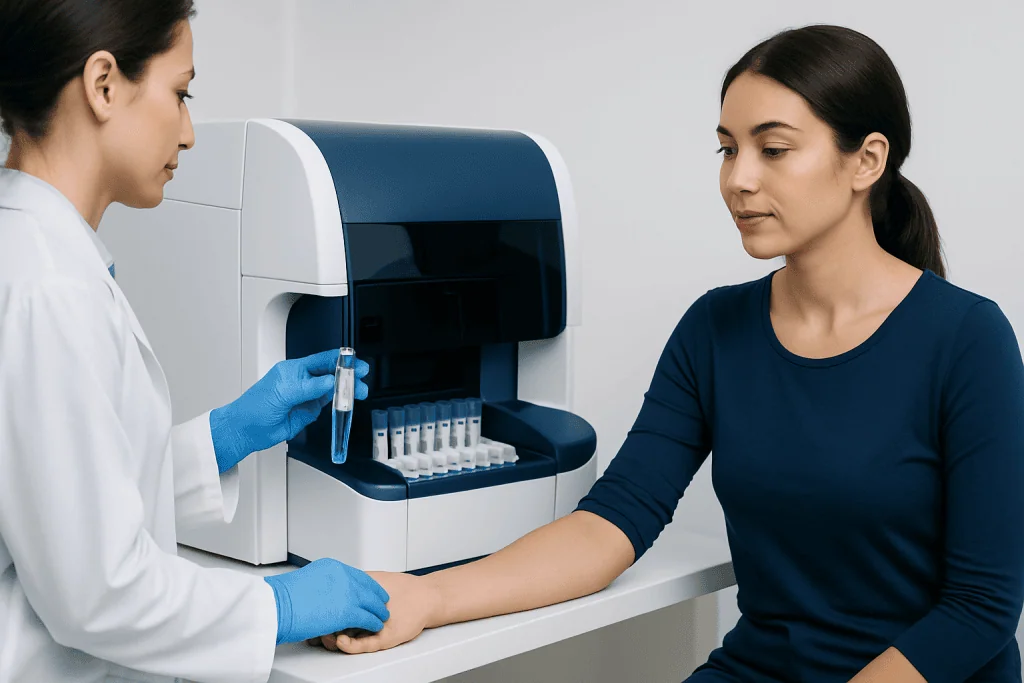
There are two broad categories of herpes tests: direct tests from a lesion and blood tests. Direct tests aim to find the virus itself. Blood tests look for the body’s immune response to the virus. Each has a different role, and neither is automatically the best in every case.
A swab test is commonly taken from a fresh blister, ulcer, or crusting sore. The sample may be tested with nucleic acid amplification testing, such as PCR, which is highly sensitive, or sometimes by viral culture. PCR is often preferred because it can detect smaller amounts of virus and may remain useful even when the lesion is not at its earliest stage.
Blood tests check for type-specific antibodies to HSV-1 or HSV-2. These tests can be helpful when sores are not present or when symptoms have been atypical. However, antibodies take time to develop, so testing too soon after exposure may lead to a negative result even if infection is present.
- Swab/PCR test: best for a new visible sore; looks for active virus.
- Viral culture: may be used in some settings, but is less sensitive than PCR, especially for healing lesions.
- Type-specific blood test: looks for HSV-1 and HSV-2 antibodies; may help when no lesion is available to swab.
When is herpes testing recommended?
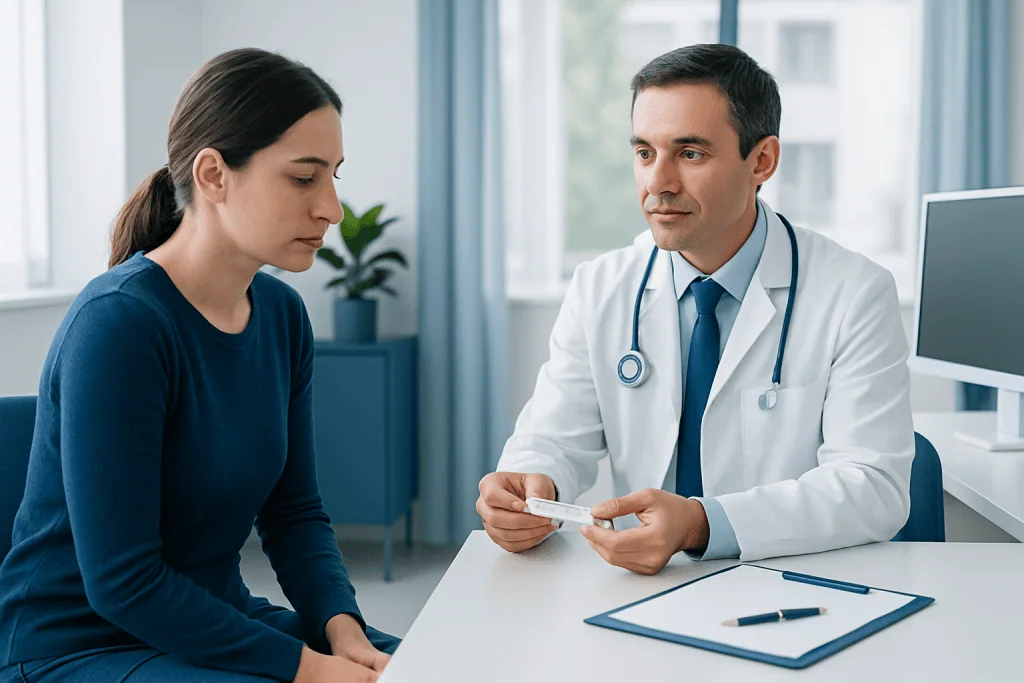
Herpes testing is usually most useful when a person has symptoms that could fit HSV infection. These may include painful blisters, ulcers, burning, tingling, irritation around the mouth or genitals, or sores that keep recurring in a similar pattern. In these situations, examining and testing the area directly can help guide diagnosis and treatment.
Testing may also be considered if someone has had close contact with a partner known to have herpes, if another sexually transmitted infection has been diagnosed, or if symptoms are suggestive but not classic. In pregnancy, testing decisions should be individualized with an obstetric clinician, especially if symptoms suggest a first episode.
Routine screening of people without symptoms is not recommended in every setting. This is because blood tests can be difficult to interpret and may create uncertainty when the chance of infection is low. A doctor will usually weigh symptoms, timing, exposure, and personal concerns before recommending the most appropriate approach. Readers wanting broader background on genital herpes may find that condition page helpful alongside this testing overview.
Timing, accuracy, and why results can be confusing
Timing matters greatly with a herpes test. For lesion testing, the ideal moment is as soon as possible after a blister or ulcer appears. A fresh, moist lesion is more likely to yield enough virus for detection. Once the sore begins to dry, crust, or heal, the chance of a false-negative result increases.
For blood tests, the issue is different. Antibodies do not appear immediately after exposure. It can take weeks, and sometimes longer, for type-specific antibodies to reach detectable levels. Because of this window period, a negative blood test soon after exposure may not be final, and repeat testing may be advised if clinically appropriate.
Even accurate tests need careful interpretation. HSV-1 antibodies may reflect a long-standing oral infection acquired years earlier, often without symptoms. They do not automatically mean genital infection. HSV-2 antibodies are more strongly associated with genital infection, but test performance can vary, especially when results are low positive or when the person tested has a low likelihood of infection. For some patients with unclear sores, a clinician may assess for other causes such as human papillomavirus or other skin and sexually transmitted conditions as part of the evaluation.
How doctors diagnose herpes beyond the lab result
A herpes test is only one part of diagnosis. Doctors also consider the location and appearance of lesions, associated symptoms, the number of recurrences, sexual and medical history, and whether similar symptoms have happened before. Some ulcers and rashes can resemble herpes, including irritation, fungal infections, aphthous-type ulcers, syphilis, or other skin conditions.
The clinical examination helps determine which sample to take and from where. If symptoms involve the genital area, a clinician may perform a focused genital exam. If symptoms involve the mouth or face, the area can be inspected for patterns more typical of oral HSV. In some cases, additional tests for other infections are recommended because coinfections can occur.
When symptoms are severe, unusual, frequent, or involve pain with urination, fever, or widespread lesions, prompt assessment is especially important. Treatment decisions sometimes begin before test results return, particularly if the clinician strongly suspects a first episode of herpes or if symptoms are causing significant discomfort. In a broader sexual health workup, doctors may also recommend STD screening when this is relevant to the person’s history.
Treatment options after a positive herpes test
A positive herpes test does not always mean a serious illness, but it does help explain symptoms and guide management. Antiviral medicines can shorten and ease outbreaks, reduce viral shedding, and, in some people, lower the chance of passing the virus to a partner. Treatment plans differ depending on whether the episode is the first known outbreak, an occasional recurrence, or frequent recurrences.
Some people use antiviral treatment only when symptoms begin, while others may benefit from suppressive therapy taken regularly. Supportive care is also important. Keeping the affected area clean and dry, avoiding friction, staying hydrated, and using clinician-approved pain relief strategies can help while the skin heals.
Partners may need counseling about transmission, symptom recognition, and safer sex practices. If the diagnosis is uncertain or symptoms are not improving as expected, follow-up care is appropriate. In selected cases, clinicians may coordinate infectious diseases care or dermatology input when lesions are atypical or when another skin condition may be contributing.
Prevention, self-care, and when to seek medical care
Self-care starts with understanding how HSV spreads. Transmission is more likely when sores are present, but it can also happen when no visible symptoms are noticeable. Avoiding direct contact with active lesions, using barrier protection during sexual activity, and not sharing items that touch active oral sores can help reduce spread. Open communication with partners is an important part of prevention.
If a person knows they have herpes, paying attention to early warning signs such as tingling, burning, or localized discomfort may help them start prescribed treatment promptly. Sleep, stress management, and general skin care may also support overall well-being, even though they do not replace medical treatment. During an outbreak, it is sensible to avoid picking at sores and to wash hands after touching the affected area.
Medical care should be sought if a person has a first episode of suspected herpes, severe pain, difficulty urinating, fever, eye symptoms, widespread rash, symptoms during pregnancy, or a weakened immune system. Care is also important when sores keep returning, when the diagnosis is unclear, or when a blood test result is confusing. Near the end of the diagnostic journey, some international patients choose evaluation at Acibadem International, where multidisciplinary specialists in JCI-accredited hospitals diagnose and treat herpes-related conditions as part of broader infectious disease and sexual health care.
Frequently asked questions
What is the best herpes test?
The best herpes test depends on whether symptoms are present. If a person has a new sore, a swab from the lesion, especially PCR testing, is usually the most informative. If there is no sore to test, a type-specific blood test may sometimes be useful, but it has important limitations.
Can a blood test tell if herpes is recent?
Usually not with precision. A herpes blood test shows whether antibodies to HSV have developed, but it often cannot tell exactly when infection occurred. In early infection, the result may still be negative because antibodies can take time to appear.
How soon after exposure should someone get a herpes test?
If symptoms such as blisters or ulcers appear, testing should be done as soon as possible while the lesion is fresh. For blood tests, there is a window period after exposure, so testing too early may not be reliable. A doctor can advise whether immediate testing, repeat testing, or both are appropriate.
Can a herpes test be wrong?
Yes. A swab may be falsely negative if the lesion is small, healing, or sampled late. Blood tests can also be difficult to interpret in some situations, especially when the chance of infection is low or when results are borderline.
Should people without symptoms get tested for herpes?
Not always. Routine testing in people without symptoms is not recommended in every setting because blood tests may create uncertainty and do not always change care. Testing decisions are usually individualized based on exposure history, partner status, pregnancy considerations, and personal concerns.
Does a positive HSV-1 test mean genital herpes?
No. HSV-1 is very common and often reflects an oral infection acquired earlier in life, sometimes without noticeable symptoms. A positive HSV-1 blood test alone does not identify where the virus is in the body, so symptoms and examination still matter.
References
- Centers for Disease Control and Prevention
- World Health Organization
- American Sexual Health Association
- American College of Obstetricians and Gynecologists
- National Institutes of Health
This article is for general information only and is not a substitute for professional medical advice. Please consult a qualified doctor about your individual situation.
Persistent digestive symptoms? Get evaluated in Turkey
JCI-accredited · board-certified surgeons · reply within 24h

More from the Health Library

Related Specialists

Assoc. Prof. Dr. Ayça Erşen Danyeli
Pathology
Dr. Esra Boyar
Gynecology & Obstetrics
Fzt. Yusuf Mücahit Turan
Physical Medicine and Rehabilitation
Dr. Anil Chousein
Pediatrics