Lumpectomie: What Patients Need to Know

Lumpectomie removes the abnormal area plus a small margin of healthy tissue, not the entire breast. It is most often used for early-stage breast cancer, but it may also be used for selected benign breast lesions.
Key Takeaways
- Lumpectomie removes the abnormal area plus a small margin of healthy tissue, not the entire breast.
- It is most often used for early-stage breast cancer, but it may also be used for selected benign breast lesions.
- Many patients also need radiation therapy after lumpectomie to lower the risk of cancer returning in the breast.
- Recovery is often shorter than with more extensive breast surgery, though healing time varies by the individual and the procedure performed.
- Possible risks include bleeding, infection, fluid collection, pain, changes in breast shape, and the need for a second operation if margins are not clear.
- A treatment plan is based on imaging, pathology, tumor size, breast size, lymph node status, and the patient’s overall health and preferences.
Lumpectomie is a breast-conserving operation that removes a breast lump and a small rim of surrounding tissue while keeping most of the breast intact. It is commonly used to treat breast cancer and may also be performed to remove certain noncancerous breast lumps.
What is lumpectomie?
Lumpectomie is a type of breast-conserving surgery. It removes a suspicious or cancerous lump along with a thin border of normal-looking tissue around it, called a margin. The goal is to treat the problem while preserving as much healthy breast tissue as possible.
This procedure is most commonly discussed in relation to breast cancer. In many cases of early-stage disease, lumpectomie can offer cancer control similar to mastectomy when combined with other recommended treatments, especially radiation therapy. For some patients, it may also be used to remove noncancerous breast changes that need surgical excision.
The operation is usually planned after a breast exam, imaging, and biopsy. The tissue removed during surgery is examined by a pathologist to confirm the diagnosis and to check whether the edges of the specimen are free of disease. This information helps the care team decide whether additional surgery or other treatment is needed.
Why lumpectomie is done
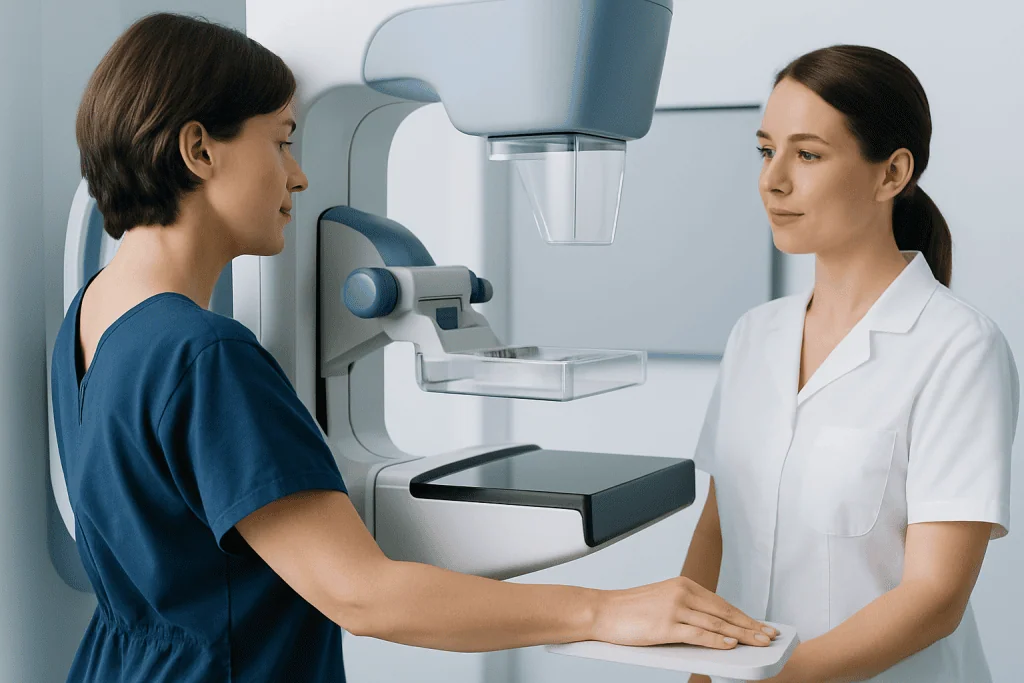
Lumpectomie is most often performed to treat localized breast cancer while keeping the breast. It may be suitable for people with a single tumor that is small enough relative to breast size to allow a good cosmetic result, and for those who can usually go on to have radiation therapy if advised.
It may also be recommended when a biopsy shows a high-risk or abnormal finding that should be removed completely, or when a noncancerous lump is causing symptoms or uncertainty. The exact reason for surgery depends on imaging results, pathology, personal history, and discussion with the surgeon.
Doctors consider several factors before recommending lumpectomie:
- Tumor size and location
- Whether there is one area or multiple areas in the breast
- Breast size and expected appearance after surgery
- Biopsy results and margin concerns
- Lymph node findings
- Pregnancy status, other medical conditions, and ability to receive radiation if needed
- Patient preference after understanding available options
Some patients comparing surgical approaches may also be counseled about mastectomy or about the wider plan for breast cancer treatment. The choice is individualized rather than one-size-fits-all.
Before the procedure: evaluation and planning
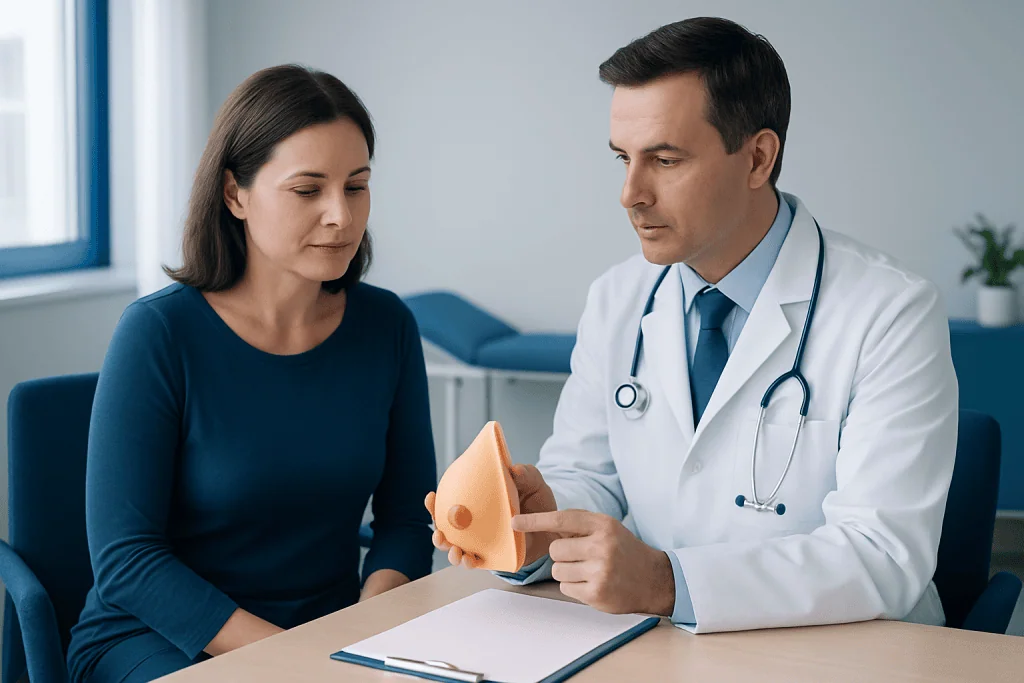
Preparation usually begins with imaging such as mammography, breast ultrasound, or sometimes magnetic resonance imaging. These tests help define the size and location of the lesion. A core needle biopsy is commonly done before surgery so the team knows what type of tissue change is present and can plan the operation carefully.
If the abnormal area cannot be easily felt, the surgeon may arrange image-guided localization on the day of surgery or shortly beforehand. This helps identify the exact target in the breast. Some patients also need assessment of the lymph nodes under the arm, often with a sentinel node procedure done at the same time when cancer is present or strongly suspected.
During the preoperative visit, the surgical team reviews medications, allergies, prior surgeries, and overall health. Patients may be asked to stop certain blood-thinning medicines only under medical guidance. The team also explains fasting instructions, anesthesia planning, wound care, and what to expect after discharge.
For selected patients, additional support from radiology, pathology, oncology, and reconstructive specialists can help coordinate care. This multidisciplinary approach is important when the best treatment plan depends on both cancer control and preserving breast appearance.
How lumpectomie is performed
Lumpectomie is usually done under general anesthesia, though anesthetic plans can vary. The surgeon makes an incision over or near the area of concern, removes the lump and a surrounding margin of tissue, and sends the specimen for pathological examination. The incision is then closed with sutures, skin adhesive, or strips, and a dressing is applied.
If cancer treatment includes checking the nearby lymph nodes, the surgeon may perform a sentinel lymph node biopsy during the same operation. This examines the first node or nodes most likely to receive drainage from the tumor area. It can provide important staging information while limiting the need for more extensive node removal in many patients.
In some centers, tissue movement techniques or oncoplastic methods are used to improve breast shape after a larger lumpectomie. Patients who may benefit from these methods are sometimes also referred for breast reconstruction planning, even though the breast is not fully removed.
The operation is often performed as day surgery, meaning many patients go home the same day. However, the exact timing depends on the extent of the procedure, anesthesia recovery, pain control, and any other medical issues that need observation.
Recovery, side effects, and possible risks
Most patients can walk, eat, and drink within a short time after surgery, and many resume light daily activities within days. Tiredness, soreness, bruising, and mild swelling around the breast or underarm are common early on. Discomfort is usually managed with the medications recommended by the surgical team.
Healing time differs from person to person. Some people feel ready for many normal tasks within one to two weeks, while others need longer, especially if lymph nodes were sampled or if the excision was larger. The team may suggest gentle arm and shoulder exercises to reduce stiffness once it is safe to begin.
Potential risks and complications can include:
- Bleeding or a collection of blood under the skin
- Infection of the wound
- Seroma, which is a pocket of clear fluid
- Pain, tenderness, numbness, or tingling
- Scarring or changes in breast shape and symmetry
- Delayed wound healing
- Lymphedema risk if lymph node surgery is performed
- The need for another operation if cancer cells are found at the margin
Pathology results are especially important after lumpectomie. If the removed tissue does not show clear margins, another procedure may be recommended to remove more tissue. Patients who have questions about healing, cosmetic changes, or arm symptoms should raise them early so the care team can provide support and rehabilitation guidance if needed.
Treatment after lumpectomie
Lumpectomie is often one part of a larger treatment plan rather than the only step. For many people with breast cancer, radiation therapy to the breast is advised after surgery to reduce the chance of cancer returning in the same breast. Whether radiation is recommended depends on age, tumor features, margin status, and other medical details.
Some patients also need medication treatments such as hormone therapy, chemotherapy, targeted therapy, or immunotherapy, depending on the cancer subtype and stage. These decisions are based on pathology findings, receptor status, lymph node involvement, and overall health. A medical oncologist explains the expected benefits and possible side effects of each option.
Follow-up care usually includes wound review, discussion of final pathology, and a plan for imaging surveillance. If a patient is receiving radiation, they may discuss radiation oncology services. If systemic treatment is needed, the broader plan may involve medical oncology as part of coordinated care.
At experienced centers, treatment planning is often reviewed by a multidisciplinary team. Acibadem International’s multidisciplinary specialists and JCI-accredited hospitals diagnose and treat this condition for international patients, with care plans tailored to the individual clinical picture.
Self-care after surgery and long-term breast health
After lumpectomie, patients are usually advised to keep the incision clean and dry, wear a supportive bra if recommended, avoid strenuous activity until cleared, and take medicines exactly as instructed. It is important not to place creams or dressings on the wound unless the surgical team has advised doing so.
Good recovery also includes rest, hydration, balanced nutrition, and gradual return to movement. If arm stiffness develops, early guidance on safe exercises can be helpful. Patients should ask when they can drive, lift heavier objects, return to work, and restart exercise, because these timelines vary.
Long-term breast health involves attending all scheduled follow-up appointments and future breast imaging. Patients should continue breast awareness and report any new lump, persistent swelling, nipple discharge, skin thickening, or change in breast shape. This does not mean a problem is expected; regular follow-up is simply an important part of safe care.
Emotional recovery matters too. Even breast-conserving surgery can affect body image, mood, and confidence. Support from healthcare professionals, counseling services, or support groups can help patients and families adjust during treatment and recovery.
When to seek medical care
Patients should contact their doctor promptly if they develop fever, worsening redness, increasing swelling, a bad-smelling discharge, heavy bleeding, severe pain not relieved by prescribed medication, or sudden opening of the wound. These symptoms may suggest infection, bleeding, or another postoperative complication that needs assessment.
Medical advice should also be sought if there is a large fluid collection, new arm swelling, chest pain, shortness of breath, or persistent nausea and vomiting after surgery. Any concern about an allergic reaction to medication or dressing materials should be reported without delay.
Outside of the immediate recovery period, a patient should arrange medical review if they notice a new breast lump, skin dimpling, nipple changes, or unusual underarm swelling. Early evaluation helps clarify the cause and, if needed, allows treatment to begin promptly and appropriately.
Frequently asked questions
Is lumpectomie the same as mastectomy?
No. Lumpectomie removes the lump and a small margin of surrounding tissue, while mastectomy removes the entire breast. The right option depends on tumor features, breast size, medical factors, and patient preference.
Will radiation always be needed after lumpectomie?
Radiation is commonly recommended after lumpectomie for breast cancer because it can lower the chance of the cancer returning in the breast. However, it is not required in every case. The decision depends on age, pathology, margins, tumor characteristics, and the overall treatment plan.
How long does it take to recover from lumpectomie?
Many people recover from the initial surgery within days to a couple of weeks, especially after a smaller operation. Full healing can take longer, particularly if lymph nodes were sampled or if additional treatments are planned. The surgeon will give individualized advice on activity, work, and exercise.
Can breast shape change after lumpectomie?
Yes. The breast may look somewhat different after tissue is removed, especially if the lump is large relative to breast size or located in a visible area. Swelling often improves with time, and in selected cases surgeons may use tissue rearrangement techniques to support appearance.
What happens if the margins are not clear?
If cancer cells are found at or very close to the edge of the removed tissue, the surgeon may recommend another operation to remove more tissue. This is done to improve local control and reduce the chance of cancer remaining in the breast. The exact recommendation depends on the pathology findings.
Is lumpectomie used only for cancer?
No. Although it is most often associated with breast cancer treatment, lumpectomie may also be used to remove certain benign or high-risk breast lesions. The reason for surgery is based on biopsy results, symptoms, imaging findings, and medical advice.
References
- National Cancer Institute
- American Cancer Society
- Centers for Disease Control and Prevention
- National Comprehensive Cancer Network
- World Health Organization
This article is for general information only and is not a substitute for professional medical advice. Please consult a qualified doctor about your individual situation.
Oncology care in Turkey — second opinion and treatment plan
JCI-accredited · board-certified surgeons · reply within 24h

More from the Health Library


Related Specialists

Dr. Meftun Zerbızade
Neurosurgery
Prof. Dr. Fuat Demirkıran
Gynecology & Obstetrics
Prof. Dr. Turgut Aydın
Gynecology & Obstetrics
Assoc. Prof. Dr. Emre Bozkurt
General Surgery