High Blood Pressure Screening: Why Regular Checks Matter

High blood pressure can be present for years without symptoms, making regular checks important for adults. A single high reading does not always mean hypertension; doctors usually confirm results with repeat or home measurements.
Key Takeaways
- High blood pressure can be present for years without symptoms, making regular checks important for adults.
- A single high reading does not always mean hypertension; doctors usually confirm results with repeat or home measurements.
- Screening is quick, noninvasive, and can be done in clinics, pharmacies, community settings, or at home with a validated monitor.
- Healthy lifestyle habits can help prevent or lower high blood pressure, especially when started early.
- People with diabetes, kidney disease, heart disease, pregnancy-related risks, or a strong family history may need more frequent monitoring.
High blood pressure often develops without noticeable symptoms, so regular screening is one of the simplest ways to protect long-term health. Timely checks help people understand their numbers, confirm whether treatment is needed, and make practical changes before complications develop.
Overview
High blood pressure screening is a routine check that measures the force of blood against the walls of the arteries. It is commonly called a blood pressure check and is one of the most useful preventive health measurements because it can identify hypertension before a person feels unwell.
Blood pressure is recorded as two numbers. The first, systolic pressure, reflects the pressure when the heart beats. The second, diastolic pressure, reflects the pressure when the heart relaxes between beats. A healthcare professional interprets these numbers in the context of age, health history, medications, and overall cardiovascular risk.
Hypertension is important because, over time, extra pressure in the arteries can strain the heart, brain, kidneys, eyes, and blood vessels. The reassuring news is that high blood pressure is measurable, treatable, and often improved with a combination of lifestyle changes and, when needed, medication guided by a qualified doctor.
Why Regular Blood Pressure Checks Matter
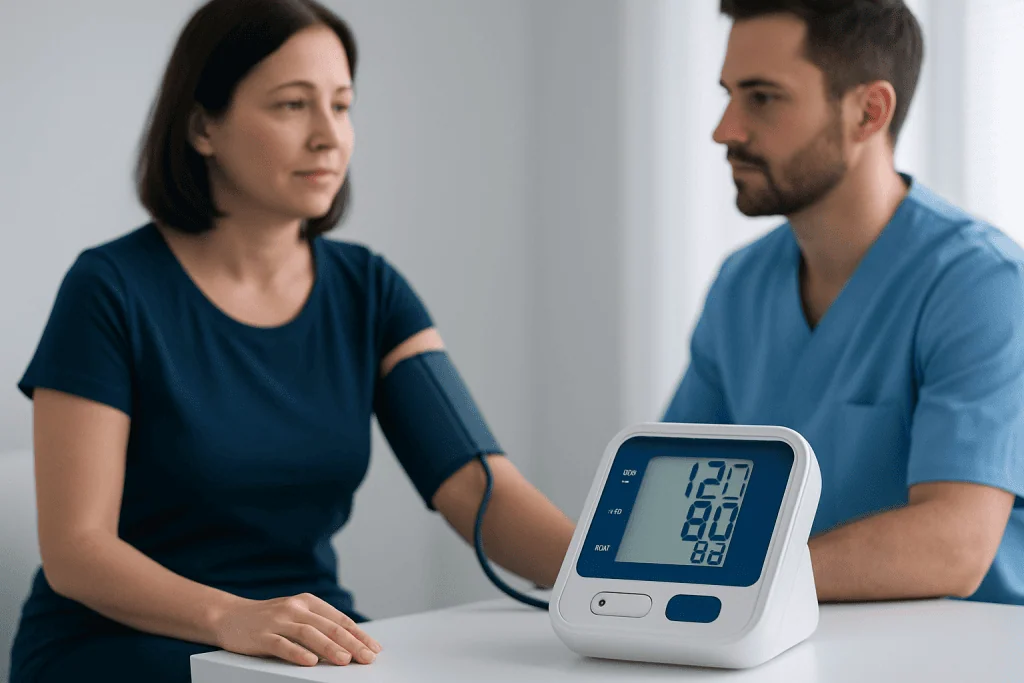
Regular screening matters because high blood pressure usually has no clear warning signs. Many people feel completely well even when their readings are consistently above the recommended range. Without screening, hypertension may only be discovered after it has already contributed to another health problem.
Early detection gives people time to act. If readings are slightly raised, a doctor may recommend changes in diet, physical activity, weight management, sleep, stress habits, or salt intake. If readings are repeatedly high, treatment can be started and adjusted before long-term damage occurs.
Screening also helps track patterns over time. Blood pressure can vary throughout the day, during illness, after exercise, with caffeine or nicotine, and in stressful situations. Seeing a series of readings gives a more accurate picture than relying on one number measured on a single day.
Who Should Be Screened and How Often

Most adults should have their blood pressure checked regularly, even if they feel healthy. In general, adults with normal readings and no major risk factors may be screened during routine health visits, while people with higher readings or risk factors may need checks more often. The exact interval should be personalized by a healthcare professional.
More frequent screening may be advised for people with a history of high blood pressure, heart disease, stroke, diabetes, kidney disease, sleep apnea, obesity, or high cholesterol. It is also important for people with a strong family history of hypertension and for those taking medicines that can affect blood pressure.
Pregnancy is a special situation because blood pressure changes can affect both the pregnant person and the baby. Blood pressure is monitored at prenatal visits, and anyone with headaches, visual changes, swelling, upper abdominal pain, or sudden worsening symptoms during pregnancy should seek medical advice promptly.
How Blood Pressure Screening Is Done
A blood pressure check is quick and painless. A cuff is placed around the upper arm, inflated, and then slowly released while the device measures pressure in the artery. Measurements may be taken with a manual device and stethoscope or with an automated validated monitor.
For the most reliable result, the person should ideally sit quietly for several minutes before the measurement. The back should be supported, feet flat on the floor, legs uncrossed, and the arm supported at heart level. Talking, rushing into the appointment, a full bladder, recent exercise, or recent caffeine can affect the reading.
If a reading is high, it is common to repeat it after a short rest. Doctors usually do not diagnose hypertension from one isolated measurement unless the reading is very high or symptoms suggest an urgent problem. Confirmation may involve repeat clinic readings, home blood pressure monitoring, or 24-hour ambulatory blood pressure monitoring.
Understanding Results
Blood pressure categories can vary slightly between guidelines and countries, but lower readings generally mean less strain on the arteries. Many clinicians consider readings below 120/80 mmHg to be in the normal range for adults. Readings above this level may be described as elevated or hypertensive, depending on the exact numbers and the guideline being used.
A doctor looks at both numbers, not only the top number. Systolic pressure often becomes more important with age, while diastolic pressure is also clinically meaningful, especially when consistently elevated. The interpretation also depends on the person’s overall risk, including smoking status, diabetes, kidney function, cholesterol, and previous cardiovascular disease.
Some people have higher readings in the clinic than at home, sometimes called white-coat hypertension. Others have normal clinic readings but higher readings during daily life, known as masked hypertension. This is why home or ambulatory monitoring can be helpful when clinic readings do not match the person’s overall risk profile.
Prevention and Self-Care
Healthy daily habits can help prevent high blood pressure or improve mildly elevated readings. Even when medication is needed, lifestyle care remains important because it supports heart and blood vessel health. Changes should be realistic and sustainable rather than extreme.
Common self-care steps include choosing a balanced diet rich in vegetables, fruits, whole grains, legumes, nuts, and lean proteins; limiting excess salt and highly processed foods; staying physically active; maintaining a healthy weight; avoiding tobacco; and limiting alcohol. Good sleep and stress-management strategies, such as relaxation breathing or regular movement, can also support blood pressure control.
Home monitoring can be useful for people diagnosed with hypertension or those asked by a doctor to track their numbers. A validated upper-arm cuff is generally preferred, and readings should be recorded with the date, time, and circumstances. Home measurements should be shared with a healthcare professional rather than used to change medication independently.
When to See a Doctor
A person should speak with a doctor if blood pressure readings are repeatedly higher than recommended, if readings are changing over time, or if there are risk factors such as diabetes, kidney disease, heart disease, or a family history of early cardiovascular problems. A medical evaluation can identify causes, assess overall risk, and guide the right plan.
Urgent medical attention is needed if very high blood pressure is accompanied by symptoms such as chest pain, severe shortness of breath, weakness on one side of the body, confusion, fainting, severe headache, or changes in vision. These symptoms do not always mean a serious complication is occurring, but they should be assessed without delay.
For international patients who need evaluation or follow-up, Acibadem International’s multidisciplinary specialists and JCI-accredited hospitals diagnose and treat high blood pressure and related cardiovascular conditions. Care is individualized, and patients should always follow the advice of their own qualified healthcare professional.
Frequently asked questions
Does high blood pressure cause symptoms?
High blood pressure often causes no symptoms, which is why screening is important. Some people may have headaches or feel unwell for other reasons, but symptoms are not a reliable way to know blood pressure status. The only dependable method is to measure it correctly.
Can one high reading mean I have hypertension?
Not always. Blood pressure can rise temporarily due to stress, pain, exercise, caffeine, nicotine, or even the anxiety of a clinic visit. Doctors usually confirm hypertension with repeated readings or home or ambulatory monitoring, unless the situation is urgent.
Is home blood pressure monitoring accurate?
Home monitoring can be accurate when a validated device is used and the technique is correct. Upper-arm cuffs are usually preferred over wrist devices for routine monitoring. It is helpful to bring the monitor to a clinic visit occasionally so the healthcare team can check its fit and accuracy.
What time of day should blood pressure be checked?
If a doctor recommends home monitoring, readings are often taken at consistent times, such as in the morning and evening, before meals and before certain medications if instructed. The person should sit quietly for a few minutes before measuring. The schedule should follow the healthcare professional’s advice.
Can lifestyle changes lower blood pressure enough without medicine?
For some people with mildly elevated readings, lifestyle changes may significantly improve blood pressure. Others need medication in addition to lifestyle care, especially if readings are higher or cardiovascular risk is increased. A doctor can help decide the safest and most effective approach.
Why does my blood pressure differ between home and the clinic?
Differences are common because blood pressure changes throughout the day and responds to stress, activity, sleep, and measurement technique. Some people have higher readings in medical settings, while others have higher readings during daily life. Sharing a written home log can help the doctor interpret the pattern.
References
- World Health Organization
- American Heart Association
- U.S. Preventive Services Task Force
- European Society of Cardiology
- National Institute for Health and Care Excellence
This article is for general information only and is not a substitute for professional medical advice. Please consult a qualified doctor about your individual situation.
Heart care in Turkey — expert evaluation and treatment
JCI-accredited · board-certified surgeons · reply within 24h
Check your numbers in seconds
BMI, calories, due date, blood pressure and 30+ more clinical calculators — free, instant, doctor-reviewed ranges.