How to Get Rid of Gallstones? Causes, Explanations, and Next Steps

Many gallstones do not cause symptoms and may not need treatment. Sudden upper abdominal pain, fever, jaundice, or vomiting should be medically assessed promptly.
Key Takeaways
- Many gallstones do not cause symptoms and may not need treatment.
- Sudden upper abdominal pain, fever, jaundice, or vomiting should be medically assessed promptly.
- Doctors usually diagnose gallstones with a physical exam, blood tests, and ultrasound.
- The most common effective treatment for symptomatic gallstones is gallbladder removal surgery.
- Diet and weight habits may help reduce risk, but home remedies do not reliably remove gallstones.
How to get rid of gallstones depends on whether they are causing symptoms. Many gallstones are harmless and need monitoring only, while painful or complicated gallstones often require medical treatment such as gallbladder removal or, in selected cases, other procedures.
How gallstones are removed or managed
For many people, the answer to how to get rid of gallstones is simpler than expected: if the stones are not causing symptoms, treatment may not be needed at all. Gallstones are common, and many are found by chance during imaging done for another reason. In these cases, doctors often recommend observation rather than immediate intervention.
When gallstones do cause problems, treatment depends on where the stones are, how severe the symptoms are, and whether there is inflammation or blockage. Mild symptoms may lead to planned follow-up and symptom management, while repeated pain or complications usually point to a more definitive treatment. The most common long-term solution is surgical removal of the gallbladder, called gallbladder surgery.
Some people may need additional procedures if a stone blocks the bile ducts rather than staying inside the gallbladder. In selected situations, a doctor may advise endoscopic treatment or, less commonly, medicines to dissolve certain cholesterol stones. The key point is that there is no single remedy that fits everyone, and treatment is guided by symptoms, test results, and overall health.
What gallstones are and why they form
Gallstones are hardened deposits that form in the gallbladder, a small organ under the liver that stores bile. Bile helps digest fats, and when its ingredients become unbalanced, crystals can form and gradually turn into stones. These stones may be as small as grains of sand or as large as a golf ball.
There are two main types of gallstones. Cholesterol stones are the most common and develop when bile contains too much cholesterol or not enough substances to keep it dissolved. Pigment stones are less common and are linked to excess bilirubin, which may occur in certain blood disorders or liver conditions.
Gallstones can stay in the gallbladder without causing harm, or they can move and block the normal flow of bile. A blockage may trigger pain, inflammation of the gallbladder, or problems in nearby organs such as the pancreas. That is why some gallstones remain silent while others need treatment.
Symptoms: when gallstones cause trouble

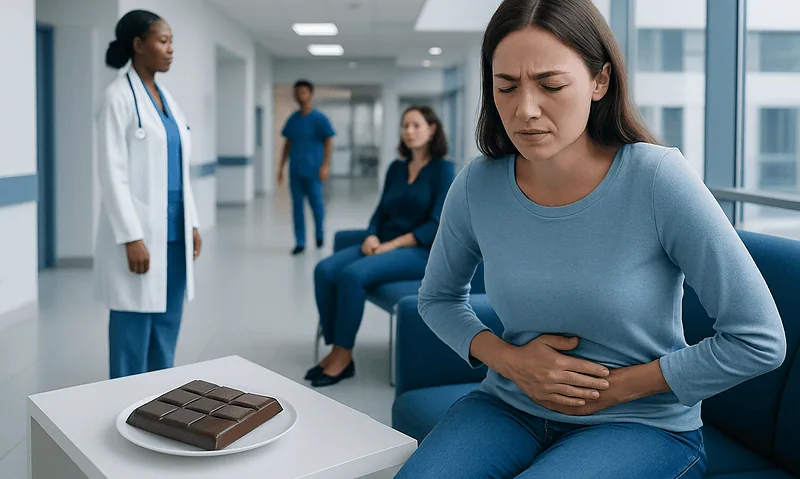
Many people with gallstones have no symptoms at all. These are often called silent gallstones, and they may never require treatment. When symptoms do appear, the classic pattern is a sudden, steady pain in the upper right abdomen or center of the upper abdomen, often after a fatty meal. The pain may spread to the back or right shoulder and can last from minutes to several hours.
Other symptoms can include nausea, bloating, indigestion, or vomiting. These symptoms are not specific to gallstones, so doctors usually consider them alongside the person’s exam and imaging results. Repeated episodes of pain after meals can be an important clue that the gallbladder is involved.
More urgent symptoms suggest a complication rather than simple gallbladder colic. These include fever, chills, yellowing of the skin or eyes, dark urine, pale stools, severe or persistent abdominal pain, or ongoing vomiting. Such symptoms may point to infection, inflammation, or a blocked bile duct and should not be ignored.
Causes and risk factors
Gallstones usually form because the balance of bile components changes over time. If bile contains too much cholesterol, too much bilirubin, or the gallbladder does not empty efficiently, stones may develop. This process can happen gradually and may not cause symptoms until a stone blocks the flow of bile.
Several factors raise the likelihood of gallstones. These include increasing age, family history, female sex, pregnancy, obesity, rapid weight loss, diabetes, and certain liver or blood conditions. A diet high in refined carbohydrates and excess body weight may contribute, while long periods of fasting can also affect gallbladder emptying.
Some medical conditions and treatments can add to the risk. For example, people with obesity-related metabolic changes may also have issues such as fatty liver disease, which can overlap with gallbladder risk factors. In other cases, problems in the bile ducts or pancreas may need separate evaluation, especially if symptoms suggest a condition such as pancreatitis.
How doctors diagnose gallstones
If gallstones are suspected, a doctor will usually begin by asking about the pattern of pain, meals that trigger symptoms, past medical history, and any fever, jaundice, or vomiting. A physical examination helps identify tenderness in the upper abdomen and signs that suggest inflammation or blockage. This first step is important because gallstone symptoms can resemble acid reflux, ulcers, liver conditions, or other digestive problems.
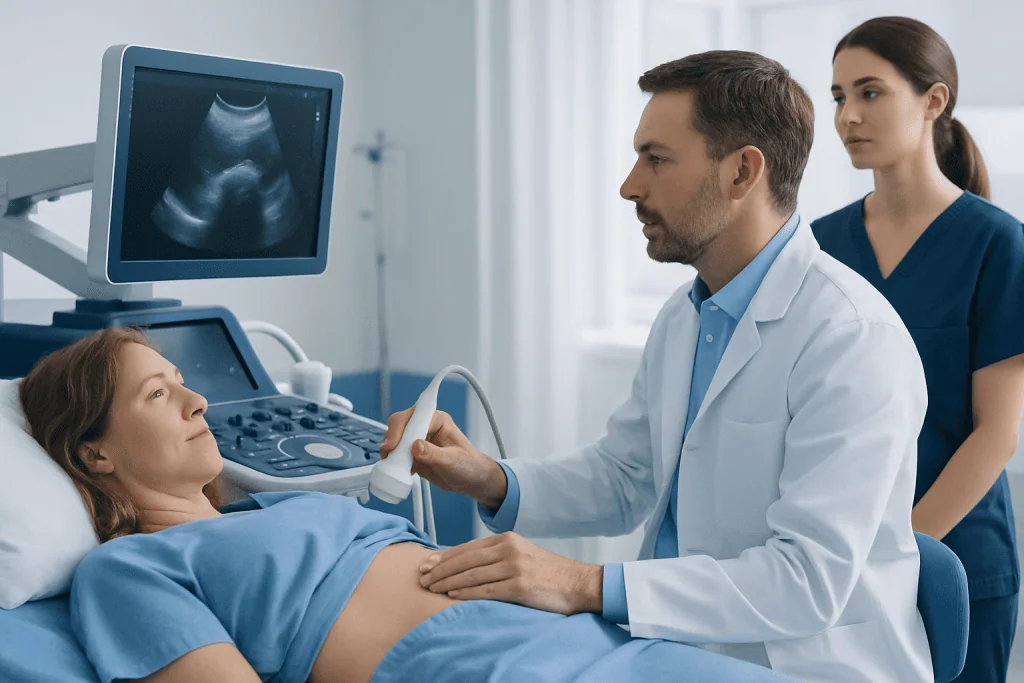
Ultrasound is the main imaging test used to diagnose gallstones. It is noninvasive, widely available, and very good at showing stones inside the gallbladder as well as signs of gallbladder inflammation. Blood tests may also be ordered to look for infection, liver irritation, bile duct blockage, or pancreatic involvement.
If a doctor suspects that a stone has moved into the common bile duct, further imaging may be needed. Depending on the situation, this can include MRI-based bile duct imaging or an endoscopic procedure that allows doctors to locate and sometimes remove a duct stone. When symptoms are complex, evaluation may involve specialists in gastroenterology to guide the next steps safely.
Treatment options for gallstones
The best treatment depends on whether the gallstones are silent, causing occasional pain, or leading to complications. Silent gallstones usually do not need treatment, and many people are simply monitored over time. When gallstones cause repeated pain or inflammation, doctors often recommend removal of the gallbladder because the stones tend to return if only the symptoms are treated.
Laparoscopic gallbladder removal is the standard treatment for symptomatic gallstones. This minimally invasive approach uses small incisions and is commonly chosen because it treats the underlying problem rather than one stone at a time. People can live without a gallbladder because bile can still flow from the liver into the intestine, although digestion may adjust gradually after surgery.
If a stone is blocking the bile duct, doctors may first remove it with an endoscopic procedure before or around the time of surgery. In a limited number of cases, medicines may be considered to dissolve cholesterol stones, but this approach is slower, not suitable for everyone, and stones can come back. If symptoms are severe or complications are suspected, hospital treatment may be needed, sometimes with support from general surgery and digestive specialists working together.
Prevention, self-care, and what not to try
There is no guaranteed way to prevent all gallstones, but healthy habits may help lower risk. Steady weight management, regular physical activity, and balanced meals that include fiber, vegetables, fruits, and healthy fats can support gallbladder health. Gradual weight loss is generally safer for the gallbladder than very rapid dieting.
People who already know they have gallstones may notice that large, fatty meals trigger symptoms more often. Eating smaller, balanced meals and avoiding long fasting periods may help reduce discomfort, though these steps do not remove existing stones. It is also helpful to stay well hydrated and discuss any major diet plan with a doctor if there is a history of gallbladder disease.
Home remedies, cleanses, and so-called gallbladder flushes are not proven to remove true gallstones safely. Some can delay proper treatment or worsen symptoms by stimulating the gallbladder during an active blockage. If pain keeps returning, it is safer to seek medical advice than to rely on internet remedies or supplements alone.
When to seek medical care
Medical review is important if upper abdominal pain keeps coming back, especially if it follows meals or wakes a person from sleep. Even when the pain settles, recurring attacks can mean that gallstones are irritating the gallbladder or moving in and out of the bile ducts. A doctor can confirm the cause and help prevent more serious complications.
Prompt medical care is especially important for severe pain lasting more than a few hours, fever, chills, jaundice, confusion, faintness, or persistent vomiting. These red flags may suggest infection, acute inflammation, or blockage of the bile duct or pancreas. They should be assessed urgently rather than watched at home.
For people who need specialist assessment, multidisciplinary teams can coordinate imaging, digestive evaluation, and surgery when necessary. Acibadem International’s multidisciplinary specialists and JCI-accredited hospitals diagnose and treat gallstone disease for international patients, with care tailored to symptoms, imaging findings, and overall health status.
Frequently asked questions
Can gallstones go away on their own?
Most gallstones do not dissolve or pass on their own in a reliable way. If they are silent, they may remain without causing symptoms for years. If they begin causing pain or blockage, medical treatment is often needed.
What is the fastest way to get rid of gallstones?
The quickest definitive treatment for symptomatic gallstones is usually gallbladder removal surgery. If a stone is stuck in the bile duct, an endoscopic procedure may be needed first to clear the blockage. The right approach depends on where the stone is and whether there are complications.
Do all gallstones need surgery?
No, not all gallstones need surgery. Stones that are found incidentally and cause no symptoms often do not require treatment. Surgery is more commonly recommended when there are repeated pain attacks, inflammation, infection, or bile duct blockage.
What foods should be avoided with gallstones?
Some people find that heavy, greasy, or very fatty meals make symptoms more likely. There is no single universal gallstone diet, but smaller balanced meals may be easier to tolerate. Dietary changes can help with symptom control, but they do not remove gallstones.
Is gallbladder surgery safe?
Gallbladder removal is a commonly performed operation and is generally considered safe when recommended by a qualified surgeon. As with any surgery, there are potential risks, and suitability depends on the person’s overall health and the urgency of the condition. A doctor can explain the expected recovery and any alternatives in an individual case.
Can home remedies or a gallbladder cleanse remove gallstones?
There is no good evidence that cleanses or flushes safely remove true gallstones. These approaches may delay proper diagnosis and can be risky if a stone is already causing blockage or inflammation. Persistent or severe symptoms should be assessed by a healthcare professional.
References
- National Institute of Diabetes and Digestive and Kidney Diseases
- American College of Gastroenterology
- National Health Service
- Mayo Clinic
- Society of American Gastrointestinal and Endoscopic Surgeons
This article is for general information only and is not a substitute for professional medical advice. Please consult a qualified doctor about your individual situation.
Gallstones in Turkey — costs, top hospitals & a free quote
JCI-accredited · board-certified surgeons · reply within 24h
Check your numbers in seconds
BMI, calories, due date, blood pressure and 30+ more clinical calculators — free, instant, doctor-reviewed ranges.